22 Japanese ways to say “For my sanity”
We all have those moments when we need a little mental break, a phrase that captures the feeling of “for my sanity.” In Japanese, there are many ways to express this idea—some formal, some casual, and others sprinkled with nuance.
Whether you’re learning Japanese or just curious about how language shapes thought, these 22 expressions will warm your heart and broaden your vocabulary.
From simple phrases that you can slip into daily conversation to thoughtful sayings that express self-care, this list covers it all.
It’s not just about mastering words but connecting with the culture’s gentle approach to mental well-being.
Ready to explore? Let’s dive into these heartfelt Japanese ways to say “For my sanity.”
By the end, you’ll have plenty of expressions to keep your mind at ease, no matter the situation.
Understanding the Need for Sanity-Preserving Phrases
Sometimes, life just feels overwhelming, and we need phrases that help us express our need for mental space or calm.
Japanese offers a rich variety of expressions that gently communicate this sentiment, often with layers of meaning.
Using these phrases can help you connect deeply with others and yourself.

Sometimes, using a great Japanese phrasebook can give you a perfect starting point for a cohesive understanding.
These phrases remind us that language can be a tool for self-care and mindfulness.
Even a simple phrase can be your anchor when things get chaotic.
Part 1: Casual Suggestions
1. 心のために (Kokoro no tame ni) – “For my heart” / “For my sanity”

This phrase literally means “for the heart,” but it’s often used to express doing something for your mental well-being or sanity.
“Kokoro” (心, ko-ko-ro) means “heart” or “mind,” and “tame ni” (ために, ta-me ni) means “for the sake of.”
It’s simple and can be used in many everyday contexts, like taking a break or setting boundaries.
Think of it as a gentle reminder to prioritize your inner peace.
You might hear it when someone explains why they need to rest or say no to something stressful.
Using this phrase shows self-respect and mindfulness about your feelings.
2. 精神のために (Seishin no tame ni) – “For my mental health”

This phrase uses “seishin” (精神, say-shin), meaning “spirit” or “mental health,” to express doing something for your sanity or mental well-being.
“No tame ni” remains the phrase for “for the sake of.”
It’s a little more formal but still very accessible in conversation.
Great for explaining why you need to take a break or avoid stressful situations.
Pairing this with “yasumu” (rest) or “hanasu” (talk) makes a clear mental health statement.
Try saying, “Seishin no tame ni yasumimasu” to say “I’m resting for my mental health.”
3. 自分のために (Jibun no tame ni) – “For myself”

“Jibun” (自分, ji-bun) means “oneself,” so this phrase is all about doing something “for myself.”
It’s straightforward and very common when you want to express self-care or taking time for yourself.
It’s casual and can be used anytime you want to set boundaries kindly.
Imagine telling a friend you’re taking a day off “jibun no tame ni,” and they’ll understand it’s about your well-being.
It’s a flexible phrase that fits many situations.
Try it out when you want to keep your sanity first.
4. 気分転換に (Kibuntenkan ni) – “For a change of pace” / “To clear my head”

“Kibuntenkan” (気分転換, ki-bun-ten-kan) means “a change of mood” or “refreshment.”
Adding “ni” turns it into “for a change of pace,” implying you’re doing something to clear your mind.
This phrase is perfect for talking about sanity-preserving activities like walks, hobbies, or breaks.
It’s casual and very natural in conversation.
You might say, “Kibuntenkan ni sanpo shimasu” (I’ll take a walk to clear my head).
It feels light and hopeful, great for daily sanity checks.
5. 無理しないでね (Muri shinai de ne) – “Don’t overdo it” (take care of your sanity)

This phrase literally means “Don’t push yourself too hard,” a gentle way to say “Take care of your sanity.”
“Muri” (無理, mu-ri) means “impossible” or “overdoing,” and “shinai de” means “don’t do.”
It’s casual and caring, often said to friends or family.
It’s a phrase that shows empathy and understanding for mental limits.
You can say it when someone looks stressed or overwhelmed.
It’s a warm reminder that your mental health matters.
6. 一息つく (Hitoiki tsuku) – “Take a breather”

“Hitoiki tsuku” (一息つく, hi-to-i-ki tsu-ku) means “to take a breath” or “take a breather.”
It’s a lovely way to say you’re pausing to protect your mental space or sanity.
Use it to describe short breaks or moments of calm.
It’s casual but meaningful in daily talk.
Try saying, “Chotto hitoiki tsukou” (Let’s take a breather for a moment).
Perfect for those little sanity-saving pauses.
7. ゆっくり休む (Yukkuri yasumu) – “Rest slowly / Take it easy”

“Yukkuri” (ゆっくり, yukkuri) means “slowly” or “leisurely,” and “yasumu” (休む, ya-su-mu) means “to rest.”
Putting them together, it’s a gentle way to say “Take it easy” for your sanity.
It’s perfect when you want to advise yourself or others to relax without rush.
This phrase carries warmth and care.
Use it after a hectic day or stressful event.
It’s a phrase to soothe both mind and body.
8. 気をつけて (Ki wo tsukete) – “Take care” (including your mental health)

While often used to mean “be careful,” “Ki wo tsukete” (気をつけて, ki wo tsu-ke-te) can also imply “take care of yourself,” including your mental well-being.
It’s casual and versatile, great for everyday farewells.
It’s a phrase that carries concern and goodwill.
You can say it to friends or colleagues to remind them to look after themselves.
It’s a simple way to acknowledge sanity without being heavy.
Try it when you want to send positive vibes gently.
Part 2: Polite & Formal Suggestions
9. 心の安定のために (Kokoro no antei no tame ni) – “For mental stability”

This phrase is a polite way to say “for mental stability.”
“Antei” (安定, an-tei) means “stability” or “balance,” paired with “kokoro” for “mind/heart.”
It’s formal enough to use in professional or serious conversations.
Great for explaining why you need a pause or mental space.
Try, “Kokoro no antei no tame ni yasumimasu” to politely say you’re resting for your mental stability.
It shows respect for both yourself and your audience.
10. 精神衛生上 (Seishin eiseijou) – “From a mental health standpoint”

“Seishin eiseijou” (精神衛生上, say-shin ei-sei-jou) means “from a mental health perspective.”
This phrase is formal and used mostly in written or serious spoken Japanese.
It’s handy for discussing mental health with coworkers or in official settings.
You can use it to justify breaks or adjustments politely.
For example, “Seishin eiseijou no riyuu de…” means “Due to mental health reasons…”
It’s respectful and clear.
11. 落ち着くために (Ochitsuku tame ni) – “To calm down / For peace of mind”

“Ochitsuku” (落ち着く, o-chi-tsu-ku) means “to calm down” or “settle.”
“Tame ni” again means “for the sake of.”
It’s a polite phrase that nicely conveys doing something to regain calm or sanity.
You can use it in both formal and casual settings.
It’s a versatile way to say you’re taking care of your mental peace.
For example, “Ochitsuku tame ni chotto hanashimasu” (I’ll talk for a bit to calm down).
12. 自己管理のために (Jiko kanri no tame ni) – “For self-care” / “For self-management”
“Jiko kanri” (自己管理, ji-ko kan-ri) means “self-management” or “self-care.”
This phrase is formal and great for professional contexts.
It shows responsibility for your own mental health and well-being.
Use it when talking about mental health routines or boundaries.
For example, “Jiko kanri no tame ni yasumimasu” means “I’m resting for self-care.”
An empowering phrase for maintaining sanity with intention.
13. 健康維持のために (Kenkou iji no tame ni) – “For maintaining health” (including mental health)

“Kenkou iji” (健康維持, ken-kou i-ji) means “maintaining health.”
Though often used for physical health, it can include mental health too.
It’s a polite phrase to justify healthy habits that preserve sanity.
Use it in formal or casual contexts to express holistic well-being.
For example, “Kenkou iji no tame ni undou shimasu” means “I exercise to maintain my health.”
A great phrase to show you care about your whole self.
14. 無理をしないために (Muri wo shinai tame ni) – “To avoid overdoing it”

This formal phrase means “to avoid overdoing it,” emphasizing mental limits.
“Muri” means “overdoing” and “shinai tame ni” means “in order not to do.”
It’s a thoughtful way to explain why you need rest or boundaries.
Useful in work or family conversations to set limits politely.
Try saying, “Muri wo shinai tame ni chotto yasumimasu” (I’ll rest a bit to avoid overdoing it).
Clear, polite, and respectful of your needs.
15. 休息を取るために (Kyuusoku wo toru tame ni) – “To take a rest”

“Kyuusoku” (休息, kyuu-soku) means “rest,” and this phrase politely says “to take a rest.”
It’s a formal way to express the need for a break for your sanity.
Great for workplace or serious conversations.
It conveys respect for your own limits in a professional tone.
Use it when informing others about your need for rest.
For example, “Kyuusoku wo toru tame ni yasumimasu”.
16. 心を落ち着かせるために (Kokoro wo ochitsukaseru tame ni) – “To soothe my heart/mind”

This phrase means “to calm or soothe my heart/mind.”
“Ochitsukaseru” is the causative form of “to calm,” meaning “to make calm.”
It’s a beautiful, formal way to talk about mental peace.
Use it when sharing your intention to do something relaxing or comforting.
For example, “Kokoro wo ochitsukaseru tame ni ongaku wo kikimasu” (I listen to music to soothe my mind).
Elegant and heartfelt.
Part 3: Very Casual / Native-like Expressions
17. やばい、頭がパンクしそう (Yabai, atama ga panku shisou) – “Oh no, my head’s about to explode” (for my sanity)

This is a very casual, native-like way to say your mind feels overwhelmed.
“Yabai” (やばい, ya-ba-i) means “oh no” or “dangerous,” and “panku shisou” (パンクしそう, pan-ku shi-sou) means “about to burst/explode.”
It’s slangy and perfect with friends when your sanity is stretched thin.
Use it to express stress or mental overload humorously.
Example: “Yabai, shigoto de atama ga panku shisou!” (Oh no, my head’s about to explode from work!)
Fun and relatable.
18. もう無理 (Mou muri) – “I can’t anymore” (losing sanity)
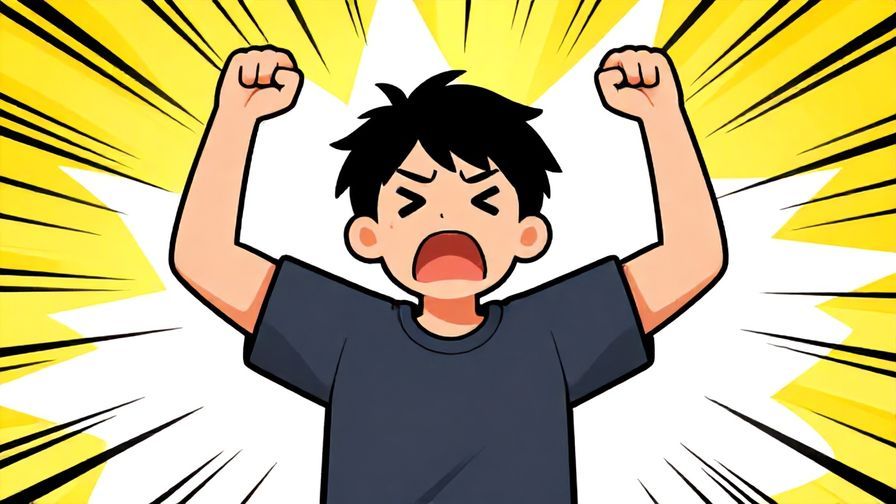
“Mou muri” (もう無理) literally means “I can’t anymore.”
It’s a blunt, casual way to admit you’re at your limit mentally or emotionally.
Often used with friends or in informal chat.
It’s direct and conveys a sense of needing a break for your sanity.
Example: “Mou muri, chotto yasumitai” (I can’t anymore, I want to rest a bit).
Short and impactful.
19. 気が狂いそう (Ki ga kurui sou) – “I feel like I’m going crazy”
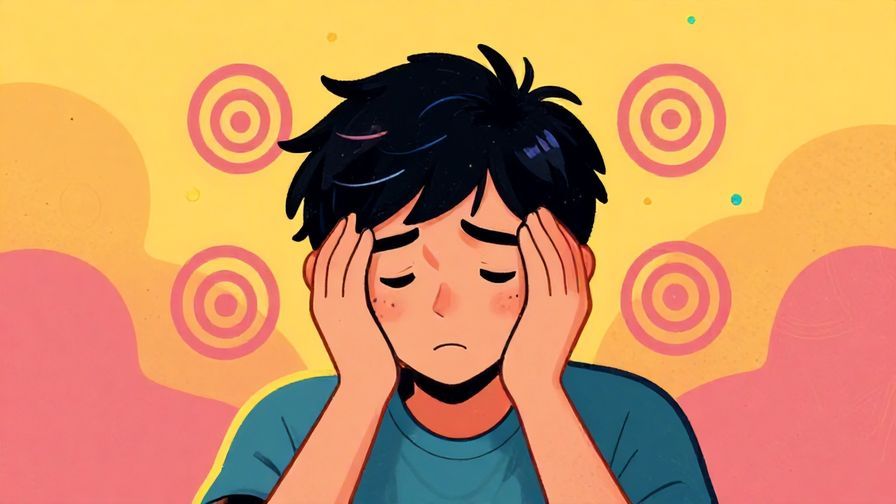
“Ki ga kurui sou” (気が狂いそう) means “I feel like I’m going crazy.”
“Ki” means “mind,” “kurui” means “crazy,” and “sou” means “seems like.”
It’s a vivid, casual phrase to express mental overload.
Used among close friends or in storytelling.
Example: “Kyou wa shigoto ga ooi kara, ki ga kurui sou” (Work is so much today, I feel like I’m going crazy).
Expressive and relatable.
20. 頭がいっぱい (Atama ga ippai) – “My head is full” (too much on my mind)

“Atama ga ippai” (頭がいっぱい) means “my head is full,” a casual way to say you have too much on your mind.
It’s simple and often used in everyday conversations.
Great for explaining mental busyness or stress.
Example: “Shigoto to gakku de atama ga ippai da” (I’m overwhelmed with work and school).
Easy to remember and super natural.
Use it when your sanity needs space.
21. ひとまず落ち着こう (Hitomazu ochitsukou) – “Let’s calm down for now”

“Hitomazu” (ひとまず) means “for now,” and “ochitsukou” (落ち着こう) is the volitional form of “to calm down.”
Together, it means “Let’s calm down for now.”
A friendly, casual way to suggest regaining sanity or composure.
Perfect in tense situations or after stress.
Use it with friends to encourage a mental pause.
It’s warm and inviting.
22. 自分を大事にしてね (Jibun wo daiji ni shite ne) – “Take care of yourself”

This phrase means “Take care of yourself,” emphasizing self-love and mental care.
“Daiji ni suru” (大事にする) means “to cherish” or “to take care of.”
It’s very casual but deeply meaningful for sanity and well-being.
Say it to friends or yourself as a gentle reminder.
Example: “Jibun wo daiji ni shite ne” after a tough day.
A beautiful way to nurture your mental health.
Concluding Thought
Exploring these 22 Japanese ways to say “For my sanity” shows how language reflects care for our mental well-being.
From casual phrases to polite expressions, each one offers a unique window into self-care and mindfulness.
Remember, whatever language you choose, prioritizing your sanity is always the most important step.