22 Japanese ways to say “Stay sane”
Feeling overwhelmed? You’re definitely not alone.
We all have moments where our minds feel like a whirlwind, and staying sane can sometimes feel like a challenge.
Luckily, language can be a gentle anchor. Japanese, with its rich expressions and subtle nuances, offers many ways to express the idea of staying grounded and sane.
Whether you want to encourage a friend or remind yourself to breathe, these 22 phrases will give you warm, practical ways to say “stay sane” in Japanese.
Each phrase comes with a simple breakdown and easy pronunciation tips so you can feel confident using them.
Ready to dive in? Let’s explore these comforting expressions that might just bring a little calm to your day.
Understanding the Basics of Staying Sane in Japanese
Before jumping into specific phrases, it’s helpful to grasp how sanity and mental balance are expressed in Japanese.
Words like 心 (こころ, kokoro) meaning “heart” or “mind” and 正気 (しょうき, shouki) meaning “sanity” form the base of many expressions.
Combining these with verbs that mean “maintain,” “keep,” or “protect” is a common way to convey staying sane.

Sometimes, using a great beginner phrasebook can give you a perfect starting point for a cohesive understanding.
These foundational ideas make it easier to pick up the phrases that follow.
Let’s get started with some casual, friendly ways to say “stay sane” that you can use with friends or in informal settings.
Part 1: Casual Suggestions
1. 頑張ってね (Ganbatte ne) – “Do your best (and hang in there).”

This phrase literally means “do your best,” but it’s often used to encourage someone to keep going and stay strong mentally.
“Ganbatte” is a staple in Japanese for motivation, and adding “ne” softens it, making it feel like a warm, supportive nudge.
Use it when you want to cheer someone on without sounding too formal.
It’s like saying, “You’ve got this!” in a friendly way.
Related phrases include 頑張ってください (Ganbatte kudasai) for more polite encouragement.
Remember, sometimes just a little support can help keep your sanity intact!
2. 落ち着いて (Ochitsuite) – “Calm down.”

“Ochitsuite” comes from the verb 落ち着く (ochitsuku), meaning “to calm down” or “settle.”
It’s a direct but gentle way to ask someone (or yourself!) to relax and regain composure.
Great for moments when emotions run high or stress builds up.
A common mistake is using this too harshly; tone matters to keep it comforting.
Example: When a friend is anxious, softly say, “Ochitsuite, daijoubu” (Calm down, it’s okay).
It’s an instant sanity saver in tense situations.
3. 無理しないでね (Muri shinai de ne) – “Don’t overdo it.”

This phrase warns gently against pushing yourself too hard.
“Muri” means “impossible” or “too much,” and “shinai de” is “don’t do.” Adding “ne” makes it friendly.
It’s a caring reminder to take breaks and protect your mental health.
Perfect to say to friends or family when you see they’re stressed.
It’s related to phrases like 休んでね (Yasunde ne) meaning “Please rest.”
Use this often for a sanity check in busy days.
4. 気楽にね (Kigaku ni ne) – “Take it easy.”

“Kigaku” means “carefree” or “easygoing,” so this phrase encourages someone to relax and not stress.
It’s casual, perfect for friends who are overthinking or stressing unnecessarily.
Easy to remember because it’s short and sounds light.
A common mistake is using it in serious contexts where it might seem dismissive.
Example: “Kigaku ni ne, daijoubu da yo” – “Take it easy, it’s okay.”
A great phrase to keep your mood balanced and sane!
5. 自分らしくね (Jibun rashiku ne) – “Be yourself.”

“Jibun” means “oneself,” and “rashiku” means “like,” so it means “like yourself.”
It’s a gentle encouragement to stay true to who you are, which helps maintain mental peace.
Use it when someone feels pressured or lost.
It’s a reminder that sanity comes from authenticity.
Try saying it to friends feeling down or doubting themselves.
It’s simple but powerful!
6. 深呼吸して (Shinkokyuu shite) – “Take a deep breath.”
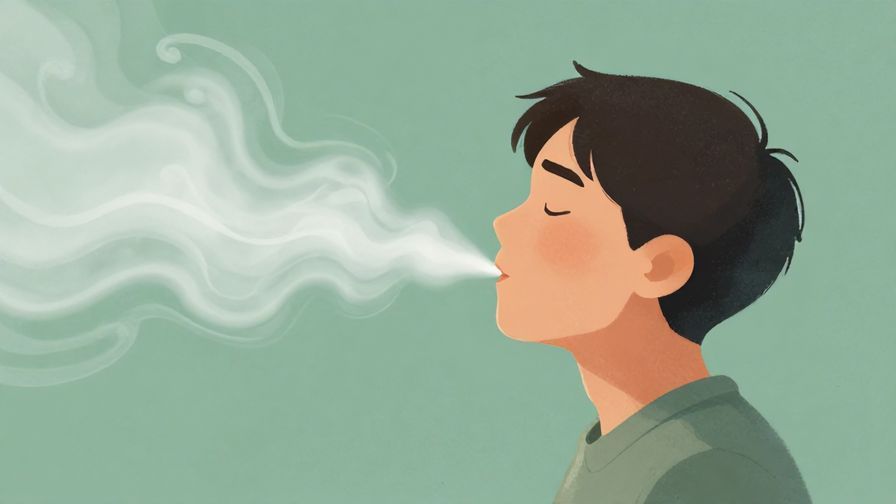
This one’s a literal instruction but an effective sanity tool.
“Shinkokyuu” means “deep breath,” and “shite” is a command form of “do.”
When overwhelmed, telling yourself or others to “Shinkokyuu shite” helps ground the moment.
Don’t use it too sharply; keep your voice soft.
Great paired with a pause or moment of silence.
It’s a quick mental reset phrase anyone can use.
7. 気をつけてね (Ki o tsukete ne) – “Take care.”
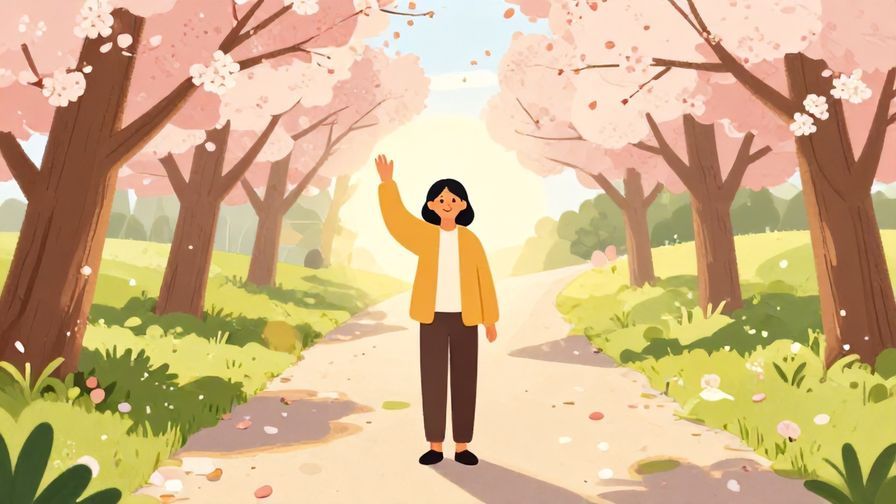
Literally “take care,” this phrase is a way to show concern for someone’s well-being.
“Ki” means “spirit” or “energy,” “tsukete” means “attach or be careful.”
It’s a versatile phrase that can mean “stay safe” or “stay sane.”
Use it when parting ways or as a gentle reminder.
It’s polite yet casual and easy to use often.
Perfect for daily mental health check-ins.
8. 気持ちを大切に (Kimochi o taisetsu ni) – “Take care of your feelings.”

“Kimochi” means “feelings” or “emotions,” and “taisetsu ni” means “preciously” or “carefully.”
This phrase encourages emotional self-care, key to staying sane.
Use it to remind someone to honor their emotions without judgment.
It’s a little longer but worth practicing for deeper conversations.
Great to say during tough times or after emotional events.
It’s a warm, thoughtful phrase for mental well-being.
Part 2: Polite & Formal Suggestions
9. ご自愛ください (Go-jiai kudasai) – “Please take good care of yourself.”
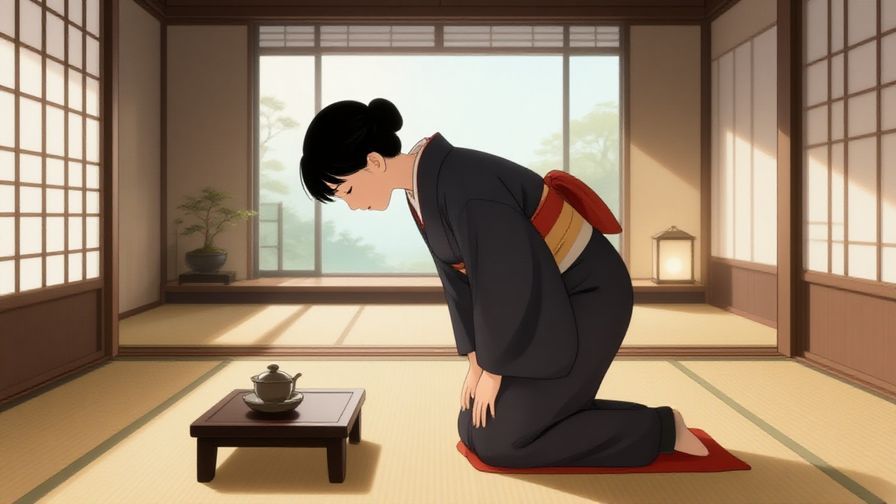
This is a polite and formal phrase often used in letters or emails.
“Go-jiai” means “self-care” with an honorific, and “kudasai” means “please.”
It’s a respectful way to wish someone mental and physical wellness.
Avoid using this casually; it fits professional or formal contexts.
Example: Ending an email with “どうぞご自愛ください” (Douzo go-jiai kudasai) expresses genuine care.
Perfect for coworkers or acquaintances you want to encourage kindly.
10. 心身共にご健康をお祈りします (Shinshin tomo ni gokenkou o oinori shimasu) – “Wishing you health in mind and body.”

A formal expression wishing mental and physical health together.
“心身” (shinshin) means “mind and body,” “共に” (tomo ni) means “together,” and “ご健康をお祈りします” means “I pray for your health.”
Used in letters or speeches to express deep care.
It’s a bit long but very thoughtful for formal situations.
Great for sending well wishes in difficult times or celebrations.
It conveys a holistic hope for sanity and wellness.
11. ご無理なさらないでください (Go-muri nasaranaide kudasai) – “Please don’t overdo it.”

Formal and respectful way to say “don’t push yourself too hard.”
“Go-muri” is the honorific for “impossible” or “too much,” and “nasaranaide kudasai” means “please don’t do.”
Use this in professional or polite contexts to show care.
It’s more formal than 無理しないでね (muri shinai de ne).
Example: When a colleague is stressed, this phrase shows empathy respectfully.
Excellent for maintaining professional kindness and sanity reminders.
12. 心穏やかに過ごしてください (Kokoro odayaka ni sugoshite kudasai) – “Please spend your time peacefully.”
This formal phrase encourages calm and peaceful living.
“心穏やかに” means “with a peaceful heart,” and “過ごしてください” means “please spend (time).”
It’s perfect for wishing someone mental calm during stressful times.
Be sure to use it in writing or polite conversation.
It’s a gentle but elegant way to say “stay sane.”
Try this when you want to sound caring yet refined.
13. 安心してください (Anshin shite kudasai) – “Please don’t worry.”

“Anshin” means “relief” or “peace of mind.”
“Shite kudasai” is “please do,” so this phrase means “please be at ease.”
It’s polite, but you can also say it casually as 安心して (anshin shite).
Use it to help calm anxious friends or colleagues.
It’s a direct way to encourage mental peace and sanity.
Remember, tone softens the impact.
14. ご自身を大切に (Go-jishin o taisetsu ni) – “Take good care of yourself.”

A formal way to advise self-care.
“ご自身” (go-jishin) is “yourself” with respect, and “大切に” means “preciously” or “carefully.”
Use it in letters or polite conversation to remind someone to stay sane and healthy.
It’s more formal than 自分らしくね but shares a similar caring vibe.
Good for professional or distant relationships.
Try this phrase to sound thoughtful and respectful.
15. 落ち着いて行動してください (Ochitsuite koudou shite kudasai) – “Please act calmly.”

This polite phrase asks someone to keep calm and composed in their actions.
It’s useful in stressful or emergency situations where sanity and focus are essential.
“Ochitsuite” means “calm down,” “koudou” means “action,” and “shite kudasai” is “please do.”
Avoid sounding bossy; keep your tone gentle.
Good for supervisors or friends needing a sanity nudge.
It’s practical and respectful.
16. ご無事をお祈り申し上げます (Go-buji o oinori moushiagemasu) – “Wishing you safety and well-being.”

A very formal and respectful phrase wishing someone safety, which includes mental well-being.
“ご無事” (go-buji) means “safety,” and “お祈り申し上げます” means “I humbly pray.”
Used in official letters or serious situations.
It’s a beautiful way to express concern for someone’s sanity and health.
Perfect for distant acquaintances or formal greetings.
Use it to convey sincere and deep care.
Part 3: Very Casual / Native-like Expressions
17. ぼちぼちね (Bochibochi ne) – “Take it slow.”

“Bochibochi” is a casual, friendly way to say “slowly” or “steady.”
It’s perfect for telling someone to pace themselves and maintain sanity without stress.
It’s often used in Kansai dialect but understood widely.
Say it in a relaxed tone to keep things light.
Example: “Bochibochi ganbatte ne” – “Do your best, but take it slow.”
A native-like phrase to keep your mental balance.
18. まったりしてね (Mattari shite ne) – “Relax and chill.”

“Mattari” means “slow, relaxed, laid-back.”
It’s casual and often used among close friends or family.
A perfect phrase to suggest chilling out and staying sane.
Be careful not to use it in formal settings.
Example: After a long day, say “Mattari shite ne” to encourage unwinding.
It’s a great mental health phrase to know.
19. なんとかなるよ (Nantoka naru yo) – “It’ll work out somehow.”

This phrase expresses hopeful reassurance and calmness.
“Nantoka” means “somehow,” and “naru” means “become” or “work out.”
It’s used to ease worries and maintain sanity through optimism.
Great to say to anxious friends or yourself.
Use with a positive tone for best effect.
It’s a native, casual vibe of mental resilience.
20. ゆるっといこう (Yurutto ikou) – “Let’s take it easy.”

“Yurutto” means “loosely” or “gently,” and “ikou” means “let’s go.”
A very casual and friendly way to say “take it easy.”
Great for informal talks and keeping things lighthearted.
Be mindful that it’s slangy and casual.
Use it to encourage relaxed mental space and sanity.
Perfect for native-like casual speech.
21. 自分のペースでね (Jibun no pēsu de ne) – “At your own pace.”

This phrase encourages doing things at a comfortable speed.
“Jibun” means “oneself,” “pēsu” is “pace,” “de ne” softens the statement.
It’s a reassuring way to say “stay sane by not rushing.”
Use it casually or semi-formally depending on tone.
Great for friends or coworkers feeling pressured.
It’s a kind reminder to honor your limits.
22. 気楽に構えて (Kigaku ni kamaete) – “Stay relaxed and easygoing.”

This phrase encourages taking a relaxed attitude toward life or a situation.
“Kigaku ni” means “carefree,” and “kamaete” means “to hold a stance or attitude.”
It’s casual but can be polite, depending on delivery.
Use it to remind yourself or others to not take things too seriously.
Perfect for maintaining sanity through lightheartedness.
A useful phrase for everyday mental balance.
Concluding Thought
Exploring these 22 Japanese ways to say “stay sane” shows just how much language reflects caring and mindfulness.
Whether casual or formal, each phrase offers a gentle reminder to cherish your mental well-being.
Keep these expressions in your toolkit for moments when you or someone you care about needs a little emotional support. You’ve got this!