22 Japanese ways to say “Keep your sanity”
Feeling overwhelmed? Keeping your sanity is essential, especially when life throws curveballs. Luckily, Japanese offers some heartfelt and practical ways to express this.
Whether you’re learning Japanese or just love unique expressions, these phrases will help you stay grounded and calm.
From casual chats to formal advice, each phrase brings a little wisdom wrapped in warm language.
Let’s dive into 22 Japanese ways to say “Keep your sanity” that you can use to remind yourself or encourage a friend.
Using these phrases can bring comfort and a deeper connection to managing stress.
Ready to explore? Let’s begin our journey towards calm with some beautiful Japanese expressions.
Keep Your Cool: Simple Japanese Phrases for Sanity
Sometimes, the best way to maintain your sanity is to keep things simple and straightforward.
These first few phrases are easy to remember and commonly used to express staying calm or composed.
They are perfect for everyday chats and quick reminders to yourself.

Sometimes, picking up a beginner phrasebook can make remembering these easy phrases effortless.
Keep these handy and practice saying them to yourself to build calm habits.
Even small daily uses can help maintain a peaceful mind.
Part 1: Casual Suggestions
1. 気をしっかり持って (Ki o shikkari motte) – “Hold your spirit firmly.”

This phrase encourages you to keep a strong spirit or mindset during tough times.
“気 (Ki)” means spirit or energy, “しっかり (shikkari)” means firmly, and “持って (motte)” means to hold. Put together, it’s a gentle command to stay strong inside.
It’s perfect when you want to remind yourself to stay grounded.
Saying this can boost your confidence and calm your nerves.
A related phrase is “気をつけて (Ki o tsukete),” meaning “take care” or “be careful.”
Keep this phrase in your mental toolbox for days when you need that extra inner strength.
2. 落ち着いて (Ochitsuite) – “Calm down.”

Simple and direct, this phrase is used to tell yourself or others to calm down.
“落ち着く (Ochitsuku)” means to calm down or settle, and the “-て” form makes it a command or request.
It’s super useful when you feel overwhelmed or need to regain composure fast.
Remember not to overuse it as it can sound a bit commanding depending on tone.
Try saying it softly to yourself during stressful moments for a quick reset.
It’s a classic that works well in everyday life and conversations.
3. 頭を冷やして (Atama o hiyashite) – “Cool your head.”

This phrase literally means “cool your head” and is a reminder to calm down and think clearly.
“頭 (Atama)” means head, “冷やして (hiyashite)” means to cool or chill.
It’s great when emotions are running high and you need to pause and cool off.
Think of it as telling yourself to “take a breather.”
It’s a vivid phrase that’s easy to visualize and remember.
Try picturing a cool breeze or splash of water to help recall this calming tip.
4. 気楽にいこう (Kiraku ni ikou) – “Take it easy.”

This is a friendly way to tell yourself or others to relax and not stress too much.
“気楽 (Kiraku)” means carefree or relaxed, and “いこう (ikou)” is the volitional form of “to go,” so it means “let’s take it easy.”
It’s casual and encourages a lighthearted mindset.
Great for reminding yourself not to overthink things.
Use it with friends or during moments when you want to lighten the mood.
It’s a phrase that feels like a comforting nudge to breathe easier.
5. 無理しないで (Muri shinai de) – “Don’t overdo it.”

A gentle reminder not to push yourself too hard.
“無理 (Muri)” means unreasonable or impossible, “しないで (shinai de)” means “don’t do.”
Use this phrase when you want to preserve your energy and sanity by avoiding burnout.
It’s kind and shows self-compassion.
Perfect to say to friends or yourself when stress gets too much.
Remember, sanity thrives on knowing your limits.
6. 深呼吸して (Shinkokyū shite) – “Take a deep breath.”

This phrase is a straightforward instruction to breathe deeply and calm down.
“深呼吸 (Shinkokyū)” means deep breathing, and “して (shite)” is the “do” command form.
Deep breathing is scientifically proven to reduce stress and clear your mind.
Use this phrase anytime you feel overwhelmed or anxious.
It’s easy to remember because it’s tied to a simple calming action.
Try pairing the phrase with the action for quick sanity-saving relief.
7. 気分転換しよう (Kibun tenkan shiyou) – “Let’s change the mood.”

A great phrase to remind yourself to shift your mindset or take a break.
“気分転換 (Kibun tenkan)” means a change of mood or refreshing oneself, and “しよう (shiyou)” is “let’s do.”
Perfect to say when you need a mental reset.
Taking a walk, listening to music, or stepping outside fits well here.
It’s a practical phrase that encourages self-care.
Use it to gently push yourself towards healthier habits for sanity.
8. ゆっくり休んで (Yukkuri yasunde) – “Rest slowly/take it easy.”

This is a warm invitation to rest without rushing.
“ゆっくり (Yukkuri)” means slowly or leisurely, and “休んで (yasunde)” means rest.
It’s often said to someone who looks tired or stressed.
Rest is a critical part of keeping your sanity intact.
Try to remind yourself with this phrase when life feels overwhelming.
It’s a soft, nurturing expression that encourages self-kindness.
Part 2: Polite & Formal Suggestions
9. 冷静さを保ってください (Reiseisa o tamotte kudasai) – “Please keep calm.”

This formal phrase is perfect for polite requests to maintain composure.
“冷静さ (Reiseisa)” means calmness, “を保って (o tamotte)” means to maintain, and “ください (kudasai)” is please.
It’s commonly used in business or serious situations.
Use it when you want to politely ask someone to stay calm.
It demonstrates respect and concern.
Great for professional environments or formal advice.
10. 心の安定を保つ (Kokoro no antei o tamotsu) – “Maintain peace of mind.”

A more formal way to speak about keeping mental stability.
“心 (Kokoro)” means heart or mind, “安定 (Antei)” means stability or peace, and “保つ (tamotsu)” means to maintain.
It’s a thoughtful phrase that emphasizes inner balance.
Ideal for written advice or serious conversations about mental health.
It encourages mindfulness and self-care.
Good to know for a respectful way to discuss emotional well-being.
11. 自制心を忘れずに (Jiseishin o wasurezu ni) – “Don’t forget self-control.”

This phrase highlights the importance of self-discipline for sanity.
“自制心 (Jiseishin)” means self-control, “忘れずに (wasurezu ni)” means don’t forget.
It’s a serious reminder to keep your impulses in check.
Useful in formal talks or personal mantras.
It’s a phrase that encourages wisdom and restraint.
Perfect for moments when you need to hold steady emotionally.
12. 焦らずに (Aserazu ni) – “Without rushing.”

Short, polite, and very effective advice to avoid haste.
“焦らずに (Aserazu ni)” means “don’t rush” or “without panic.”
It reminds you to take your time to preserve mental peace.
Common in formal advice and calming instructions.
It’s an excellent phrase to repeat during stressful situations.
Helps cultivate patience and clarity.
13. 落ち着きを持ち続けてください (Ochitsuki o mochi tsuzukete kudasai) – “Please keep calm continuously.”
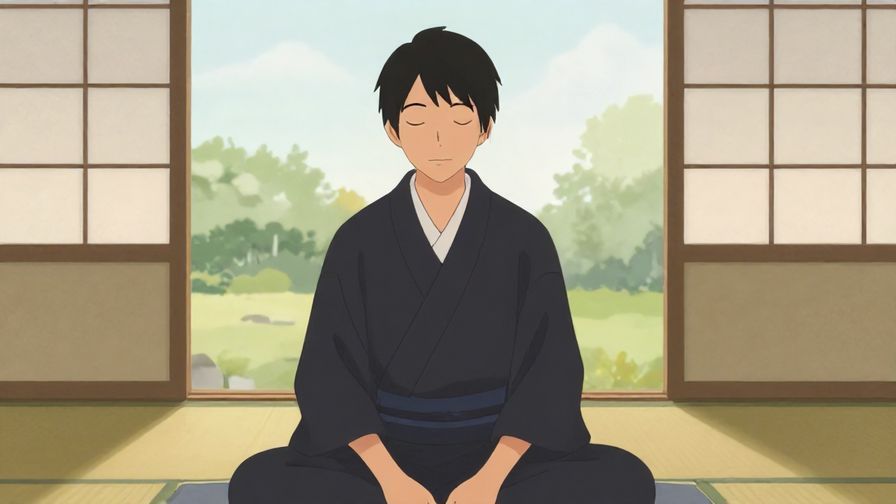
This is a more extended polite phrase emphasizing continuous calmness.
“落ち着き (Ochitsuki)” means composure, “持ち続けて (mochi tsuzukete)” means to keep holding, and “ください (kudasai)” is please.
Great for formal requests that require ongoing patience and calm.
It underscores steady mental balance over time.
Useful in advice or formal discussions about stress management.
Kind and respectful way to encourage mental calm.
14. 心を落ち着けてください (Kokoro o ochitsukete kudasai) – “Please calm your heart/mind.”

This phrase politely asks someone to calm their heart or mind.
“心 (Kokoro)” means heart or mind, “落ち着けて (ochitsukete)” is the command form of calming down, and “ください (kudasai)” is please.
It’s gentle and respectful, ideal for emotional support.
Use it when you want to offer comfort formally.
It’s a helpful phrase for counselors or friends offering calm advice.
Soft and caring, it encourages peace inside.
15. 冷静に対処してください (Reisei ni taisho shite kudasai) – “Please handle this calmly.”

A polite phrase used when asking someone to deal with a situation calmly.
“冷静に (Reisei ni)” means calmly, “対処して (taisho shite)” means to respond or handle, and “ください (kudasai)” is please.
Common in work or formal problem-solving contexts.
It encourages a clear head and level approach.
Perfect when you want to remind someone to stay professional and composed.
This phrase is practical and respectful.
16. 無理をなさらないでください (Muri o nasaranaide kudasai) – “Please don’t overexert yourself.”

A very polite and caring way to tell someone not to push too hard.
“無理 (Muri)” means overdoing or impossible, “なさらないで (nasaranaide)” is the polite negative form of doing, and “ください (kudasai)” is please.
It expresses concern and respect.
Use it in formal situations when encouraging rest or caution.
It’s a phrase that shows empathy and care.
Perfect for mindful communication in professional or personal settings.
Part 3: Very Casual / Native-like Expressions
17. もう無理! (Mou muri!) – “I can’t anymore!”

This is a very casual, native-like way to express hitting your limit.
“もう (Mou)” means already or anymore, and “無理 (muri)” means impossible or can’t do.
It’s a relatable phrase when you feel overwhelmed and just need to vent.
Perfect among close friends or in informal settings.
It shows honest emotion and can be followed by seeking support.
Use it to acknowledge your limits with humor and openness.
18. 頭おかしくなりそう (Atama okashiku narisou) – “My head feels like it’s going crazy.”

A casual, expressive way to say you’re feeling mentally overwhelmed.
“頭 (Atama)” means head, “おかしくなりそう (okashiku narisou)” means looks like going crazy.
It’s informal and often used humorously among friends.
It’s great for venting while keeping things light.
You can follow it with a comment about needing a break.
This phrase captures that frazzled feeling perfectly.
19. 気が狂いそう (Ki ga kuruisou) – “I feel like I’m losing it.”
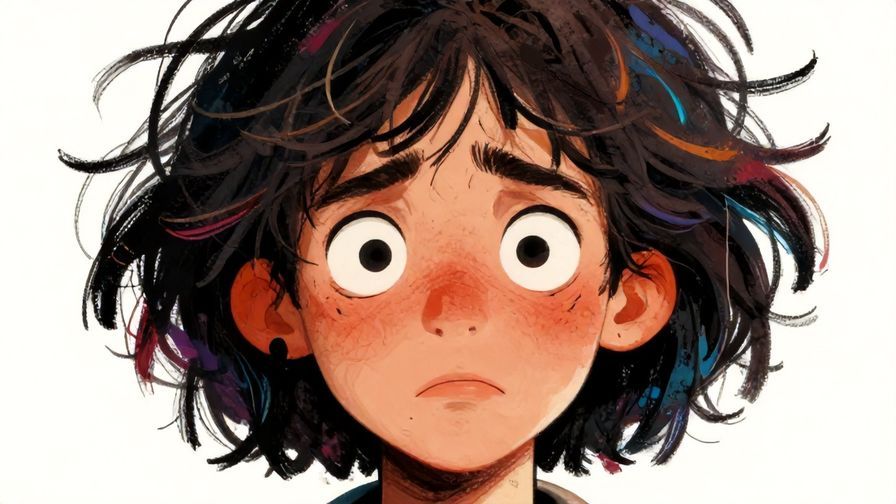
This phrase means “I feel like I’m going crazy,” very casual and native-like.
“気 (Ki)” means mind or spirit, “狂いそう (kuruisou)” means looks like going crazy.
It’s a dramatic way to express stress or frustration.
Use it with close friends or in informal conversations.
It’s a phrase that feels real and relatable.
Just don’t use it in formal situations!
20. なんとかなるさ (Nantoka naru sa) – “It’ll work out somehow.”

A casual and positive way to encourage yourself or others.
“なんとか (Nantoka)” means somehow or someway, “なる (naru)” means to become, and “さ (sa)” softens the sentence.
It’s perfect for reminding yourself not to stress too much.
It carries a hopeful and laid-back feeling.
Use it when you want to say “things will be fine.”
A great phrase for keeping your sanity by staying optimistic.
21. 落ち着けよ (Ochitsuke yo) – “Chill out.”

This is a very casual, somewhat direct way to tell someone to calm down.
“落ち着け (Ochitsuke)” means calm down, and “よ (yo)” adds a friendly emphasis.
It’s often used among friends or in relaxed settings.
Be mindful of tone; it can sound firm but caring.
Great for lighthearted situations where you want to defuse tension.
It’s a quick phrase to help regain sanity in stressful moments.
22. 気にすんなよ (Ki ni sunna yo) – “Don’t worry about it.”

A casual, native-like phrase telling someone not to worry or stress.
“気にする (Ki ni suru)” means to worry, and “すんな (sunna)” is the casual negative command form, “よ (yo)” softens it.
It’s friendly and encouraging.
Perfect for reassuring friends or yourself.
Use it to gently brush off small worries and keep calm.
A great phrase for everyday sanity maintenance.
Concluding Thought
Learning these phrases is more than just language practice — it’s a way to connect with a culture that values calm and balance.
Each expression offers a unique way to remind yourself or others to take a breath and maintain peace of mind.
So next time life feels overwhelming, try one of these Japanese phrases and give your sanity a little boost!