22 Japanese ways to say “The final straw”
Ever had one little thing push you over the edge? You know, that moment when your patience snaps and you just can’t take it anymore? That’s what English speakers call “the final straw.”
Japanese has plenty of ways to express this feeling, each with its own flavor and nuance. Whether you want to sound polite, casual, or just like a native, there’s a phrase ready for you.
In this article, we’ll explore 22 Japanese phrases that capture the essence of “the final straw.” From vivid imagery to everyday expressions, you’ll find something that fits perfectly.
Learning these will not only boost your Japanese skills but also help you understand cultural ways of expressing frustration and limits.
Plus, mastering these can make your conversations more colorful and relatable when talking about those breaking points.
Ready to discover the many faces of “the final straw” in Japanese? Let’s dive in!
Understanding the Nuances of “The Final Straw” in Japanese
Before jumping into the list, it’s good to know that Japanese often expresses “the final straw” through vivid metaphors or polite hints.
You’ll find phrases that literally talk about breaking points, as well as those that use everyday objects or feelings to convey that moment of frustration.
Some expressions are casual and common, while others are more formal or poetic. Knowing when to use which will make your Japanese sound natural and appropriate.

If you want to get a solid foundation, using a Japanese idioms phrasebook can be a great way to explore similar expressions and their usage.
It’s also helpful to listen to native speakers or watch Japanese dramas to hear these phrases in natural settings.
Now, let’s explore the first set of casual and easy expressions you can start using right away.
Part 1: Casual Suggestions
1. これでおしまい (Kore de oshimai) – “This is the end.”

This phrase literally means “This is the end,” and it’s a straightforward way to say you can’t take any more.
It’s casual, often used when you’ve reached your limit in a situation. Saying it shows finality without being aggressive.
Try using it when you want to express that something is done or you’re done with it, like after a frustrating conversation.
It’s simple but effective for everyday use.
You might also hear it in variations like “もうおしまい” (Mou oshimai) meaning “It’s already over.”
Keep this handy as a go-to phrase for those final moments of frustration.
2. 我慢の限界 (Gaman no genkai) – “The limit of my patience.”
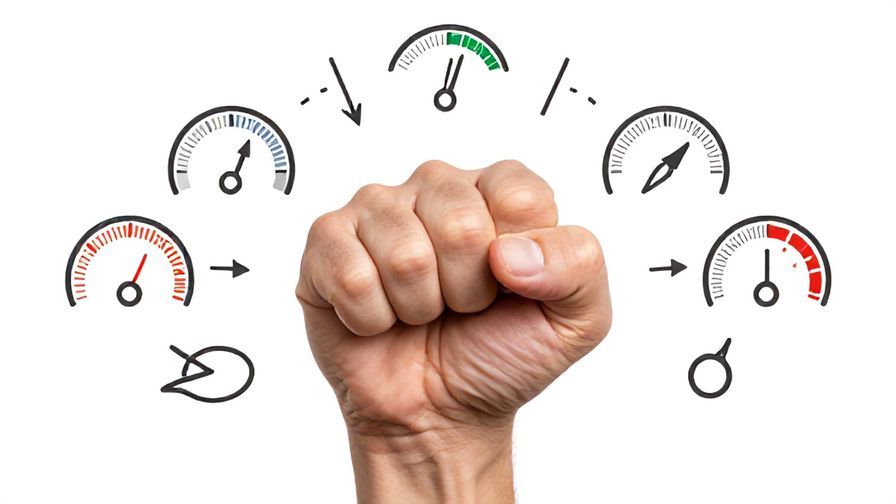
This phrase means “the limit of endurance or patience,” which is exactly what “the final straw” is all about.
It’s a bit more formal but still used commonly in everyday speech. It highlights that you’ve run out of patience.
Great for expressing when something has pushed you past your tolerance.
Using it can help you sound clear about your breaking point without sounding rude.
You can remember it by focusing on “我慢” (gaman) which means patience or endurance, and “限界” (genkai) meaning limit.
This phrase is perfect when talking about emotional limits or stress.
3. もう我慢できない (Mou gaman dekinai) – “I can’t endure it anymore.”
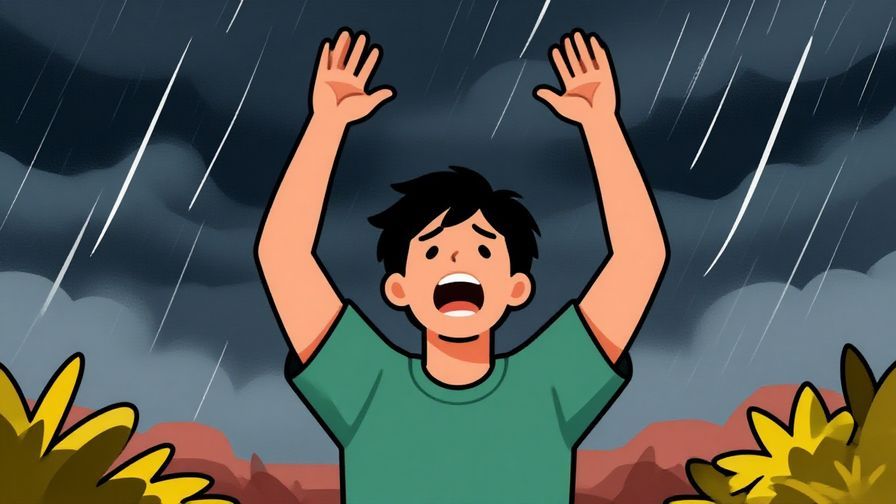
This is a very direct way to say you’ve had enough—you just can’t put up with it anymore.
It’s casual and often used in emotional or heated moments.
Very useful in conversations where you want to express clear frustration.
It’s easy to remember because it simply states “もう” (mou) meaning “already,” “我慢” (gaman) patience, and “できない” (dekinai) cannot do.
Try using it when you want to vent or explain why you’re upset.
It works well among friends or in informal settings.
4. ついに限界 (Tsuini genkai) – “Finally at the limit.”

This phrase uses “ついに” (tsuini) meaning “finally” and “限界” (genkai) meaning “limit.”
It’s a slightly dramatic way to emphasize you’ve reached the absolute breaking point.
Good for emphasizing that something has finally pushed you over the edge.
It’s memorable because it combines a time marker with the concept of limit.
Use it to add some flair or seriousness to your frustration.
You’ll find it useful in storytelling or when sharing your feelings emphatically.
5. 泣きっ面に蜂 (Nakittsura ni hachi) – “A bee to a crying face.”

This is a classic Japanese proverb meaning “when it rains, it pours.” It’s like the final straw piling onto misfortune.
Literally, it’s a bee stinging someone who’s already crying—ouch!
It’s casual and used to describe piling troubles or that last frustrating event.
It’s a vivid, memorable image that helps you express compounded frustration.
Great for storytelling or explaining how a small problem turned into a big deal.
Using proverbs like this adds cultural depth to your Japanese.
6. もう限界突破 (Mou genkai toppa) – “Already broke through the limit.”

This phrase combines “もう” (already), “限界” (limit), and “突破” (break through), literally meaning you’ve shattered your limits.
It’s a bit energetic and dramatic, great for emphasizing you’ve had it beyond all tolerance.
Popular among younger people or in casual conversations.
Easy to remember because it has a clear image of breaking a barrier.
You can use it when you want to sound emphatic and a little playful about your frustration.
It’s like saying, “you pushed me too far, and now I’ve exploded!”
7. これ以上は無理 (Kore ijou wa muri) – “No more than this is possible.”
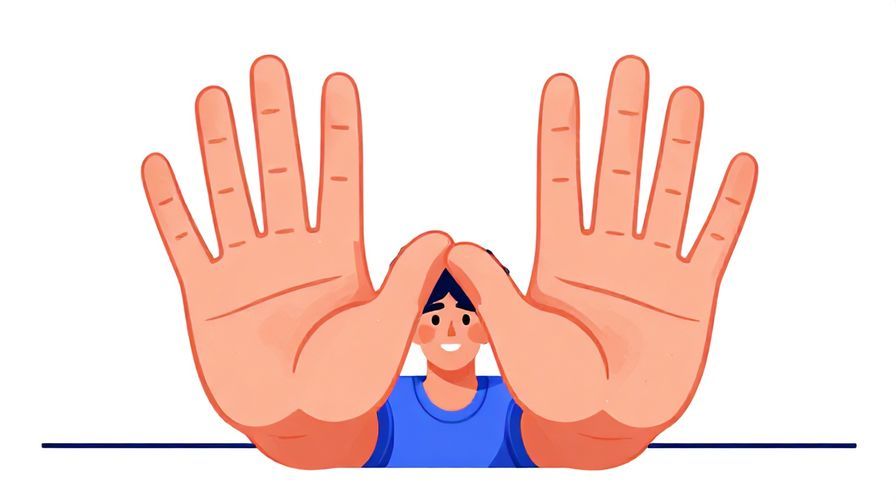
This phrase means you can’t handle or accept anything beyond what’s already happened.
It’s polite enough for many situations and clearly sets a boundary.
Great for politely saying “that’s the last straw” without sounding harsh.
Helps in professional or semi-formal conversations.
Focus on “無理” (muri) meaning impossible or no way to do.
Use it to express limits gently but firmly.
8. もうたくさん (Mou takusan) – “Enough already.”

This is a very common, casual way to say “I’ve had enough.”
It’s short and sweet, perfect for everyday use when you want to express frustration.
Easy to remember because it’s just two words—”もう” (already) and “たくさん” (enough/many).
You might hear it in many contexts, from minor annoyances to bigger issues.
Great for sounding natural and relatable.
Perfect for beginner learners to start expressing limits effortlessly.
Part 2: Polite & Formal Suggestions
9. 限界に達する (Genkai ni tassuru) – “To reach the limit.”
This phrase is polite and formal, often used in professional or serious contexts.
It means “to reach the limit,” perfect for discussing stress or capacity clearly.
Focus on the verb “達する” (tassuru), meaning to reach or arrive at.
Great for presentations, reports, or polite conversations.
Using this phrase shows maturity and understanding of limits without emotional outbursts.
Try it when describing work pressure or emotional strain politely.
10. 我慢の限界を超える (Gaman no genkai o koeru) – “To exceed the limit of patience.”
This formal phrase means “to go beyond one’s patience limit.”
It’s useful in polite conversations when explaining why you can’t tolerate something anymore.
It conveys seriousness but still measured emotion.
Great for workplace discussions or formal complaints.
Focus on “超える” (koeru) meaning to exceed or go over.
Use it to sound respectful while making your point clear.
11. これ以上は許せない (Kore ijou wa yurusenai) – “I can’t forgive any more.”

This phrase politely expresses that you cannot tolerate or forgive any further.
It’s often used in serious or emotional but controlled contexts.
Good for conveying boundaries without harsh language.
Focus on the verb “許せない” (yurusenai), meaning cannot forgive or tolerate.
Useful in personal or professional settings where respect is still key.
This phrase clearly states that your patience or forgiveness has run out.
12. 限界を感じる (Genkai o kanjiru) – “To feel the limit.”

This phrase means you sense or feel you’re at your limit.
It’s softer and less direct, good for polite or tentative expressions of frustration.
Great for expressing inner feelings without outward aggression.
Focus on “感じる” (kanjiru) meaning to feel or sense.
It’s helpful when you want to explain stress or frustration gently.
Perfect for conversations where emotional subtlety is important.
13. もう限界です (Mou genkai desu) – “It’s already the limit.”

Simple, polite, and clear: this phrase states you have reached your limit.
It works well in both formal and casual situations, thanks to the polite ending “です” (desu).
Easy to remember and highly practical.
Use it when you need to convey limits calmly and clearly.
It’s a great phrase for professionals or learners wanting to sound respectful.
Try pairing it with a calm tone for best effect.
14. もう我慢の限界です (Mou gaman no genkai desu) – “My patience has reached its limit.”

This is a formal way to say your patience has completely run out.
It combines polite structure with the intensity of “gaman no genkai.”
Perfect for formal complaints or explaining stress with respect.
Try to use it when you want to keep composure but clearly communicate limits.
Good for work or serious discussions.
It’s versatile and sounds very natural.
15. もう耐えられません (Mou taeraremasen) – “I can’t endure it anymore.” (polite)
This is a polite and formal way to say you can’t take something anymore.
“耐える” (taeru) means to endure or bear, and “られません” (raremasen) is the polite negative potential form.
Great for situations where you want to express frustration respectfully.
Use it in work emails, formal talks, or serious conversations.
It’s a bit emotional but still controlled.
Helps balance honesty with politeness.
16. ここまでが限界です (Koko made ga genkai desu) – “This is the limit up to here.”

This phrase sets a clear boundary, stating that up to this point is your limit.
It’s polite and useful for clarifying tolerance levels calmly.
Good for workplace or polite disagreements.
“ここまで” (koko made) means up to here, making it very visual.
Use it to communicate limits without confrontation.
Clear and respectful.
Part 3: Very Casual / Native-like Expressions
17. もうムリ! (Mou muri!) – “No way! / I can’t do this anymore!”
This is a super casual, slangy way to say you’ve had it.
“ムリ” (muri) comes from “無理,” meaning impossible or no way.
It’s very common in everyday speech among friends.
Short and punchy—perfect for venting.
Be careful using it in formal settings, though!
Use it to sound natural and express strong feelings quickly.
18. キレる (Kireru) – “To snap / lose it.”

“キレる” is a slang verb meaning to suddenly lose your temper or snap.
It perfectly captures the moment of “the final straw” when someone just loses it.
Very casual, often used among younger people.
Can be used for yourself or others.
It’s short and easy to remember.
Try it when describing someone’s breaking point vividly.
19. ぶちギレる (Buchi kireru) – “To blow a fuse.”
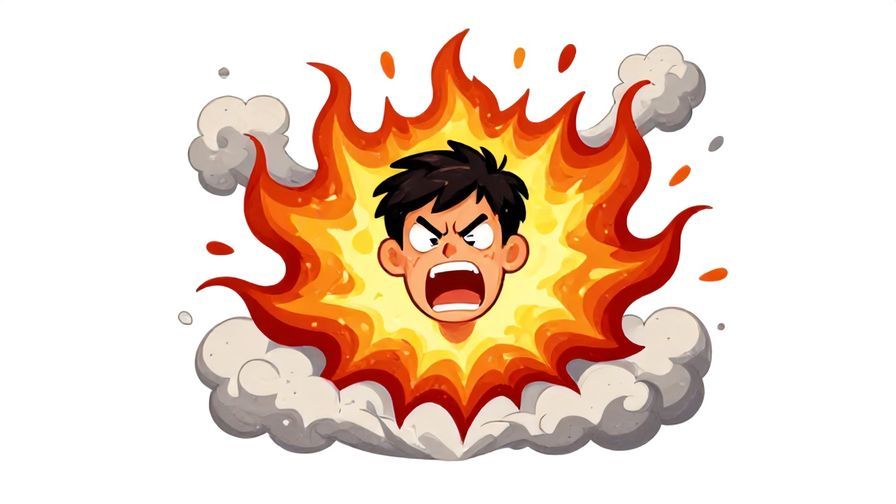
This is a stronger, more intense version of “キレる.”
“ぶち” adds extra emphasis, like “totally” or “completely.”
Use it to describe someone who’s extremely angry, beyond the final straw.
Very casual and vivid.
Great for storytelling or venting among friends.
It’s a fun phrase that really packs a punch.
20. もうたまらない (Mou tamaranai) – “I can’t stand it anymore.”

This phrase expresses that you’re at your limit and can’t bear it any longer.
“たまらない” (tamaranai) means unbearable or intolerable.
It’s casual but heartfelt, great for venting frustration.
Use it for emotional or physical limits.
Simple to remember and very common.
Perfect for natural, everyday Japanese.
21. もういい加減にして (Mou ii kagen ni shite) – “Enough already!”

This phrase is a casual but firm way to tell someone to stop what they’re doing.
“いい加減にして” means “cut it out” or “enough.”
It’s commonly used when you’re fed up with someone.
Very natural and often heard in daily conversations.
Use it to express limits and frustration clearly.
It’s a handy phrase to know for casual disputes.
22. 我慢の限界が来た (Gaman no genkai ga kita) – “The limit of patience has come.”

This phrase indicates that your patience has finally run out.
“来た” (kita) means “has come,” giving a sense of inevitability.
It’s casual but impactful, great for telling a story about limits.
Use it to express a breaking point with a sense of finality.
It’s memorable because it feels like a turning point.
Perfect for natural, conversational Japanese when talking about frustration.
Concluding Thought
Exploring these 22 ways to say “the final straw” in Japanese shows just how rich and varied the language is in expressing limits and frustration.
From polite phrases to casual slang, you now have a toolbox of expressions to use in different situations and tones.
Remember, language is not just about words but about connecting feelings, culture, and moments. Keep practicing, and you’ll sound more native every day!