22 Japanese ways to say “The wait is killing me”
Waiting can be such a test of patience, right? Whether you’re waiting for a message, a package, or simply for time to pass, it sometimes feels like the wait is just too much to bear.
Luckily, Japanese has some fantastic ways to express that feeling of impatience and eagerness. These phrases can add some flair and authenticity when you’re chatting with friends or learning the language.
From casual slang to polite expressions, this list covers a variety of ways to say “The wait is killing me” in Japanese.
Each phrase comes with pronunciation tips and little explanations to help you get comfortable using them naturally. It’s a fun way to boost your Japanese skills while sharing a very human feeling.
Plus, understanding these expressions can help you connect more deeply with Japanese speakers and culture.
Ready to dive into 22 Japanese ways to say “The wait is killing me”? Let’s get started!
Understanding the Feeling: Impatience in Japanese
Before jumping into specific phrases, it helps to know that Japanese expresses impatience in many shades, from playful to serious.
Some expressions focus on the emotional pain of waiting, while others hint at frustration or restlessness. Knowing the context will make your use of these phrases more natural.
Impatience often comes out with words like 待つ (matsu) meaning “to wait,” and 辛い (tsurai) meaning “painful” or “tough.” Combining these with casual or polite forms changes the tone.
Sometimes, using a great Japanese language learning resource can give you a perfect starting point for a cohesive understanding.
Remember, the key to mastering these expressions is to practice them naturally and listen for how native speakers use them in conversation.
Let’s explore some phrases!
Part 1: Casual Suggestions
1. 待ちきれない (Machikirenai) – “I can’t wait.”

This phrase literally means “not able to endure waiting.” It’s a straightforward way to say you’re too excited or impatient to wait any longer.
“待ち” (Machi) means “waiting,” and “きれない” (kirenai) is the negative potential form of “切る” (kiru), meaning “to finish/complete.” Together, it’s “can’t finish waiting.”
It’s perfect for casual conversations when you want to express excitement or impatience.
Say it with a bit of a smile to sound natural and relatable.
A related phrase is 待てない (Matenai), which also means “can’t wait,” but is slightly less formal.
Use 待ちきれない when you want to express genuine eagerness without sounding rude.
2. 早くしてよ! (Hayaku shite yo!) – “Hurry up!”

This is a very common and casual way to tell someone to hurry up.
“早く” (Hayaku) means “quickly,” and “してよ” (shite yo) is an informal command meaning “do it.”
It’s great among close friends or family.
Be careful not to sound too pushy or rude; tone matters a lot here.
Try saying it playfully to keep things light and friendly.
It’s a concise way to show impatience without being harsh.
3. もう待てないよ! (Mou matenai yo!) – “I can’t wait anymore!”

“もう” (Mou) means “already” or “anymore,” adding urgency.
Combined with 待てない (matenai), this phrase expresses that you’ve run out of patience.
Using “よ” (yo) at the end adds emphasis, making it more emotional.
It’s perfect for informal situations when you really want to express frustration.
Try it when the wait feels really long and you want to vent a little.
Just remember to use it with people who understand your tone well.
4. 早く来て! (Hayaku kite!) – “Come quickly!”
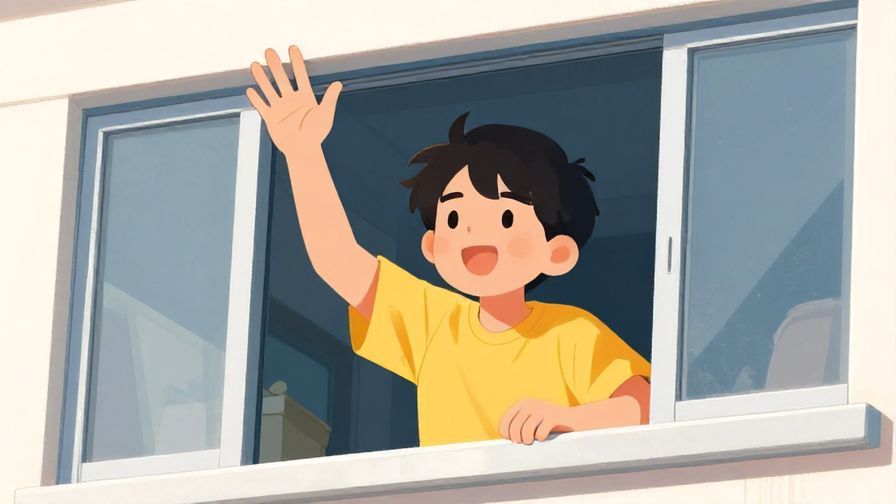
This phrase is a direct way to tell someone to hurry over to you.
“早く” (Hayaku) means “quickly,” and “来て” (kite) is the command form of “to come.”
Use it with friends or family when you’re waiting for them.
It feels lively and urgent, perfect for casual speech.
Keep your tone friendly to avoid sounding demanding.
It’s a great phrase when you want to express impatience in a fun way.
5. まだかな? (Mada kana?) – “I wonder if it’s time yet?”
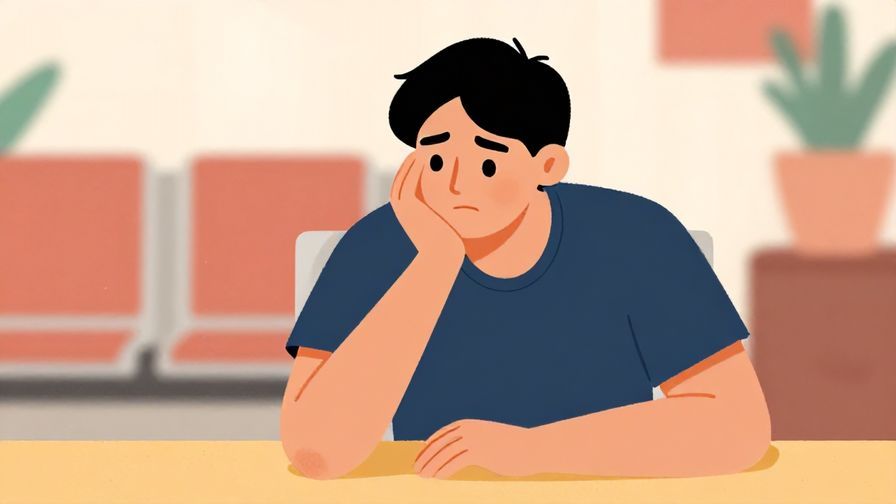
This is a casual and cute way to express impatience without sounding harsh.
“まだ” (Mada) means “still” or “yet,” and “かな” (kana) is a sentence-ending particle expressing wonder or uncertainty.
It’s like saying “Is it time yet?” or “I wonder if it’s ready.”
Great for a soft, relatable tone when you want to show you’re waiting eagerly.
Perfect for texting or light conversations.
Try it when you want to sound a little playful and thoughtful.
6. 待ってるよ! (Matteru yo!) – “I’m waiting!”

This phrase simply tells someone you’re waiting for them.
“待ってる” (Matteru) is the casual form of “waiting,” and “よ” (yo) adds emphasis.
It’s a gentle way to express your impatience by letting them know you’re still here.
Use it with friends or partners to keep the mood warm.
It’s less about frustration and more about anticipation.
Try this when you want to encourage someone to hurry up without being pushy.
7. もう限界! (Mou genkai!) – “I’ve reached my limit!”

This phrase is a more dramatic way to express impatience, meaning you can’t wait any longer.
“もう” (Mou) means “already,” and “限界” (genkai) means “limit” or “maximum.”
It’s great for expressing that waiting is really tough or stressful.
Use it sparingly to avoid sounding too negative.
It works well in casual conversations with friends who understand your frustration.
It’s a vivid way to say the wait is seriously getting to you.
8. じれったい! (Jirettai!) – “It’s so frustrating!”

This is an informal expression meaning “so frustrating” or “annoyingly slow.”
It’s often used when something is dragging on and you’re getting impatient.
It’s a great way to show restlessness without being rude.
Use it with friends or family when you want to vent a little.
It’s a versatile word that works in many situations involving waiting.
Try saying it with a playful tone to lighten the mood.
Part 2: Polite & Formal Suggestions
9. 待ち遠しいです (Machidoushii desu) – “I’m eagerly awaiting.”

This is a polite way to say you’re eagerly waiting for something.
“待ち遠しい” (Machidoushii) literally means “waiting is far” – implying the wait feels long but you’re looking forward to it.
Adding “です” (desu) makes it polite and suitable for formal contexts.
Use this when talking to colleagues or in more respectful settings.
It’s a warm, positive way to express anticipation rather than frustration.
Perfect for letters, emails, or polite conversation.
10. お待ちしております (O-machi shite orimasu) – “I am waiting (for you).”

This is a very polite and humble way to say “I’m waiting.”
“お” (O) is an honorific prefix, “待ち” (machi) is “waiting,” and “しております” (shite orimasu) is a humble form of “doing.”
It’s often used in customer service or business contexts.
Use this to show respect and patience professionally.
It sounds much softer and more refined than casual phrases.
Great for emails, formal invitations, or customer interactions.
11. 待ち望んでいます (Machinozonde imasu) – “I’m looking forward to it eagerly.”

This phrase conveys eager anticipation in a polite manner.
“待ち望む” (machinozomu) means “to long for” or “to hope for,” and “います” (imasu) is the polite progressive form.
It’s useful when you want to express strong, positive feelings about the wait.
Try this in formal letters or polite conversation to sound heartfelt.
It’s more emotional and respectful than simple “waiting.”
Perfect for expressing excitement with grace.
12. もうすぐですね (Mou sugu desu ne) – “It’s almost time, isn’t it?”

This phrase expresses hopeful anticipation in a polite way.
“もうすぐ” (mou sugu) means “soon,” and “ですね” (desu ne) adds a soft confirmation.
It’s great for polite conversation when waiting for an event or someone’s arrival.
Use it when you want to sound positive and patient.
It’s a gentle way to acknowledge the wait without complaint.
Good for small talk or professional settings.
13. 待ち遠しく思います (Machidooshiku omoimasu) – “I’m looking forward to it.”

This is a formal way to say you eagerly await something.
“思います” (omoimasu) means “I think” or “I feel,” combined with “待ち遠しく,” it expresses eager anticipation.
It’s often used in writing or polite speech.
Use it to sound respectful and sincere.
It’s great for emails or formal invitations.
It conveys warmth without impatience.
14. まだかしら (Mada kashira) – “I wonder if it’s time yet.”

This is a polite and somewhat feminine way to express wondering if the wait is over.
“まだ” means “still” or “yet,” and “かしら” adds a gentle, wondering nuance.
Use this when you want to sound soft and curious.
It’s great for polite conversation and less direct expressions.
This phrase is common in everyday polite speech.
It’s a subtle way to express impatience with grace.
15. お待ちかねです (O-machi kané desu) – “I have been eagerly waiting.”

This phrase politely expresses that you have been eagerly waiting for something.
“お” is a respectful prefix, “待ちかねる” (machikaneru) means “to be impatient,” and “です” makes it polite.
It’s perfect for formal occasions or when you want to sound respectful.
Use it to convey excitement and patience at the same time.
Great for business or formal gatherings.
It’s a refined way to say “the wait was hard but I’m happy it’s here.”
16. まだかどうか気になります (Mada ka dou ka ki ni narimasu) – “I’m wondering whether it’s time yet.”

This phrase politely expresses curiosity and impatience about the timing.
“気になります” (ki ni narimasu) means “to be concerned or curious,” making it polite.
It’s useful when you want to inquire without being pushy.
Try it in emails or polite conversations.
It’s a thoughtful way to express your feelings about waiting.
Perfect for professional or sensitive situations.
Part 3: Very Casual / Native-like Expressions
17. 待てねぇ! (Mate nee!) – “Can’t wait!” (slang)

This is a rough, slangy way to say you can’t wait.
It’s a contraction of 待てない (matenai), often used by young people or in casual speech.
It sounds very informal and energetic.
Perfect for chatting with close friends.
Use it when you want to sound like a native speaker with casual flair.
Just be careful not to use this in formal situations.
18. もうヤダ! (Mou yada!) – “I can’t take it anymore!”

This casual phrase expresses strong frustration.
“もう” (mou) means “already,” and “ヤダ” (yada) is a slangy “I don’t want this” or “no way.”
It’s great for venting impatience in informal settings.
Use with friends who get your mood.
It’s expressive and a little dramatic, perfect for playful frustration.
Don’t use it in polite or formal contexts.
19. まだかよ! (Mada kayo!) – “Is it still not here?!”
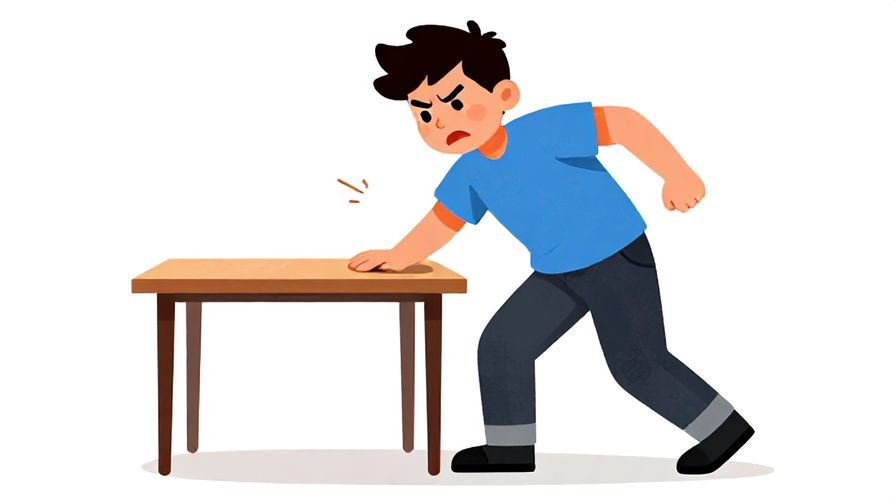
This phrase sounds very casual and a bit blunt.
“まだ” (mada) means “still,” and “かよ” (kayo) is a rough sentence-ending particle expressing impatience or disbelief.
Use it with close friends in joking or frustrated moments.
It’s a way to show you think the wait is ridiculously long.
Be careful with tone to avoid sounding rude.
It’s a very native-like way to vent impatience.
20. いい加減にしてよ! (Ii kagen ni shite yo!) – “Enough already!”

This phrase expresses frustration and asks for something to stop.
“いい加減にして” (ii kagen ni shite) means “cut it out” or “give me a break.”
Adding “よ” (yo) adds emphasis.
It’s strong and casual, best used with people you know well.
Use when waiting feels unbearable and you want to express that firmly.
Not suitable for formal or polite settings.
21. もう待てないってば! (Mou matenai tte ba!) – “I seriously can’t wait anymore!”

This phrase adds a casual emphasis with “ってば” (tte ba), which stresses the feeling.
It’s like saying “I’m telling you, I can’t wait anymore!”
Perfect for playful complaints among friends.
Use it to sound lively and very native-like.
It expresses impatience without being mean.
Great for texting or informal speech.
22. 早くしてくれよ! (Hayaku shite kure yo!) – “Hurry up, please!”

This is a casual but direct way to ask someone to hurry up.
“早くして” (hayaku shite) means “do it quickly,” and “くれよ” (kure yo) adds a friendly but firm request.
It’s common among friends or close acquaintances.
Use it when you want to express impatience but still keep it light.
Be mindful of tone; it can sound demanding if said too harshly.
It’s a great phrase for casual urgency.
Concluding Thought
Exploring these 22 phrases shows just how nuanced and expressive Japanese can be when talking about waiting and impatience.
From casual slang to polite forms, you can pick the right phrase to match your mood and setting perfectly.
So next time the wait feels like it’s killing you, you’ll have just the right Japanese words to share how you feel—with warmth, humor, or formality as needed. Keep practicing, and enjoy expressing yourself in new ways!