22 Japanese ways to say “There’s a first time for everything
Everyone experiences moments when something new happens for the first time, right? That feeling of stepping into unfamiliar territory is both exciting and a little nerve-wracking.
In Japanese, there are many warm, relatable ways to express this idea, capturing the essence of “There’s a first time for everything.”
Whether you’re learning Japanese or just love the culture, discovering these phrases adds a lovely nuance to your conversations.
Each expression carries its own flavor—some casual, some polite, and some so native-like that they feel like a comforting friend nudging you forward.
By exploring these 22 Japanese phrases, you’ll find the perfect way to say “first time” in any situation, making your language journey richer and more fun.
Ready to dive in? Let’s warm up to these expressions that make trying new things feel just a little easier.
Understanding the Concept of “First Time” in Japanese
Japanese has many ways to express “first time,” each suited for different contexts and levels of formality.
Some phrases are casual and perfect for chatting with friends, while others are respectful and fit formal conversations.
Getting familiar with these will help you sound natural and empathetic when talking about new experiences.
Sometimes, a great beginner phrasebook can give you a perfect starting point for a cohesive understanding.
Exploring these phrases step by step makes learning approachable and enjoyable.
Let’s start with casual expressions you can use every day.
Part 1: Casual Suggestions
1. 初めてだよ (Hajimete da yo) – “It’s my first time.”

This is the simplest way to say “It’s my first time” in casual conversation.
“初めて (Hajimete)” means “for the first time,” and “だよ (da yo)” adds a friendly emphasis. It’s great with friends or family.
Use it when trying a new food, visiting a place, or doing something unfamiliar.
This phrase feels warm and honest, perfect for expressing vulnerability.
Related phrases like “初めてなんだ (Hajimete nanda)” have a similar meaning but a softer tone.
Embrace saying this—it invites support and understanding from others.
2. 何事も初めて (Nanigoto mo hajimete) – “Everything is a first.”

This phrase reminds us that all things start as firsts at some point.
“何事も (Nanigoto mo)” means “anything” or “everything,” combined with “初めて (hajimete)” meaning “first time.”
You can use it to encourage someone nervous about new challenges.
It’s a gentle way to say, “Don’t worry, everyone starts somewhere.”
Try saying it when someone doubts themselves—it’s uplifting!
This mindset helps you accept first attempts with kindness and patience.
3. これが初めてだね (Kore ga hajimete da ne) – “This is the first time, huh?”
Use this when pointing out a first-time experience in a friendly way.
“これが (Kore ga)” means “this is,” and “だね (da ne)” adds a warm, confirming tone.
It’s perfect for sharing moments with friends or family.
This phrase carries a relaxed feeling, making new experiences more approachable.
It’s great for lighthearted conversations about trying something new.
Using this often makes first times feel more memorable and fun.
4. 初体験 (Hatsutaiken) – “First experience.”

“初体験” literally means “first experience” and is commonly used in casual contexts.
“初 (Hatsu)” means “first,” and “体験 (Taiken)” means “experience.”
It’s a noun phrase, so you can say, “これは私の初体験です (Kore wa watashi no hatsutaiken desu)” – “This is my first experience.”
This phrase is straightforward and easy to remember.
It works well when talking about trying new activities or hobbies.
Using nouns like this helps vary your speech and sound more natural.
5. やっとやってみた (Yatto yatte mita) – “Finally tried it.”

This phrase adds a sense of relief and accomplishment to first times.
“やっと (Yatto)” means “finally,” and “やってみた (yatte mita)” means “tried doing.”
Use it when you’ve been hesitant but finally gave something a go.
It’s perfect to share your growth and persistence casually.
People love hearing this because it shows effort and courage.
Try it after trying a new recipe, sport, or challenge.
6. 一度はやってみる (Ichido wa yatte miru) – “You should try at least once.”
This phrase encourages trying new things without pressure.
“一度 (Ichido)” means “once,” “は (wa)” is the topic particle, and “やってみる (yatte miru)” means “try doing.”
It’s a gentle way to say, “Give it a shot at least once.”
This phrase is great for motivating friends or yourself.
Use it to remind someone that first times open doors.
It’s a phrase full of possibility and warmth.
7. 新しいことに挑戦する (Atarashii koto ni chousen suru) – “To challenge oneself with something new.”
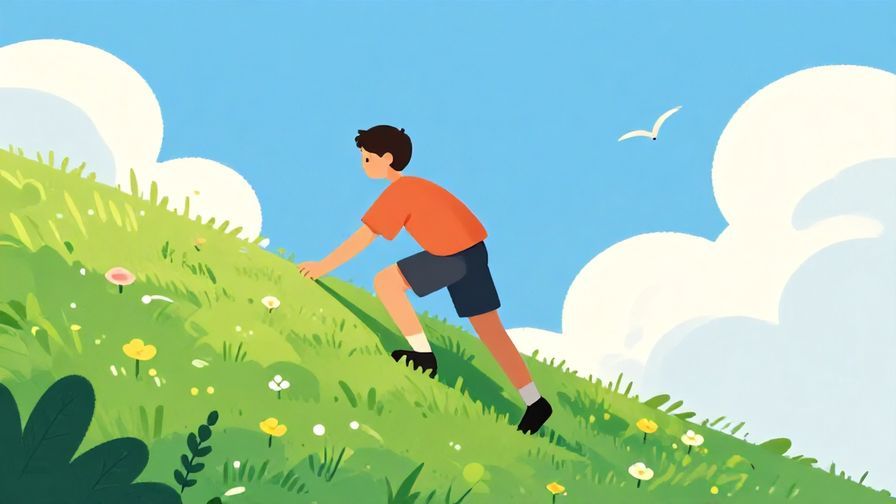
This phrase means “to take on a new challenge.”
“新しいこと (Atarashii koto)” means “new things,” and “挑戦する (chousen suru)” means “to challenge oneself.”
It’s a positive way to discuss first-time efforts.
Try saying this when talking about starting a new hobby or job.
It’s inspiring and shows courage.
Using such phrases helps frame first times as exciting adventures.
8. 恐れずにやってみよう (Osorezu ni yatte miyou) – “Let’s try without fear.”

This phrase encourages overcoming fear when trying something new.
“恐れずに (Osorezu ni)” means “without fear,” and “やってみよう (yatte miyou)” means “let’s try.”
It’s a motivational phrase to share with friends or yourself.
Perfect for moments when hesitation creeps in.
It makes taking the first step feel brave and doable.
Use it to boost confidence for any new experience.
Part 2: Polite & Formal Suggestions
9. 初めての経験です (Hajimete no keiken desu) – “It is my first experience.”
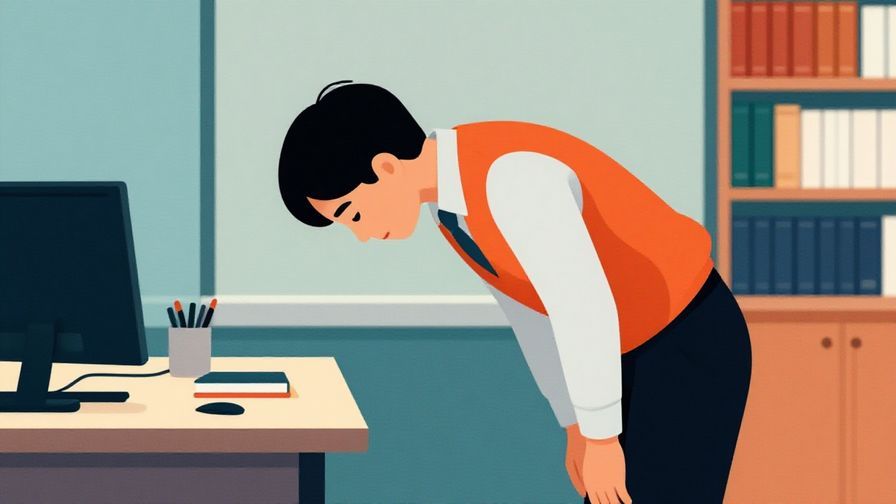
This is a polite and formal way to state it’s your first time.
“初めての (Hajimete no)” means “first,” and “経験 (keiken)” means “experience.”
Use it in business or formal conversations when introducing new skills or tasks.
It shows humility and professionalism.
Related phrases include “初体験です (hatsutaiken desu),” also polite.
Perfect for making a respectful impression.
10. 未経験です (Mikēken desu) – “I have no prior experience.”

This phrase literally means “inexperienced.”
“未経験 (Mikēken)” combines “未 (mi)” meaning “not yet” and “経験 (keiken)” meaning “experience.”
Use it to honestly communicate a lack of prior experience politely.
It’s useful in job interviews or formal introductions.
It’s honest, respectful, and clear.
Pair it with a positive attitude to express readiness to learn.
11. 初めての挑戦です (Hajimete no chousen desu) – “It is my first challenge.”
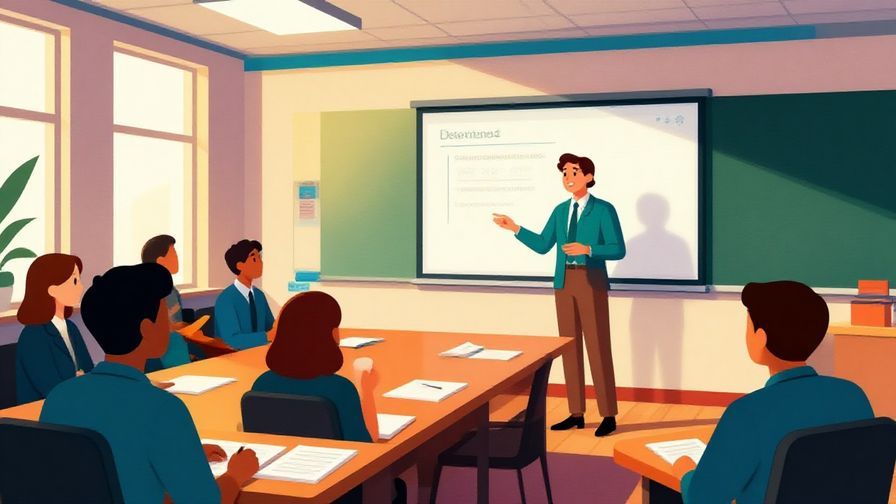
This phrase expresses the first time taking on a challenge formally.
“初めての (Hajimete no)” means “first,” and “挑戦 (chousen)” means “challenge.”
It’s perfect for professional settings when discussing new roles or projects.
It communicates ambition and readiness.
Use it to show respect and seriousness about new efforts.
It helps frame first times as honorable endeavors.
12. 新しい経験を積む (Atarashii keiken o tsumu) – “To gain new experience.”
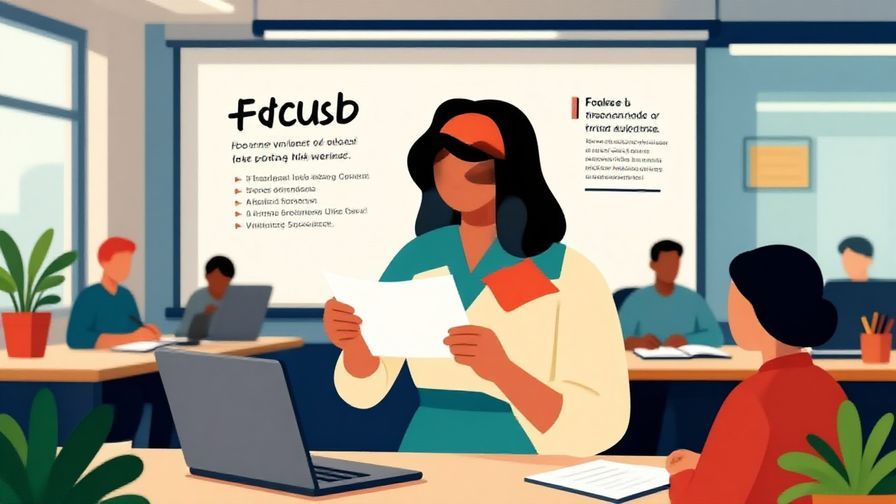
This phrase is about accumulating new experiences politely.
“新しい経験 (Atarashii keiken)” means “new experience,” and “積む (tsumu)” means “to pile up” or “gain.”
It’s a positive, formal phrase for career or personal growth.
Use it in conversations about learning or development.
It expresses continuous improvement.
Try to use it to sound polished and motivated.
13. 初心者です (Shoshinsha desu) – “I’m a beginner.”
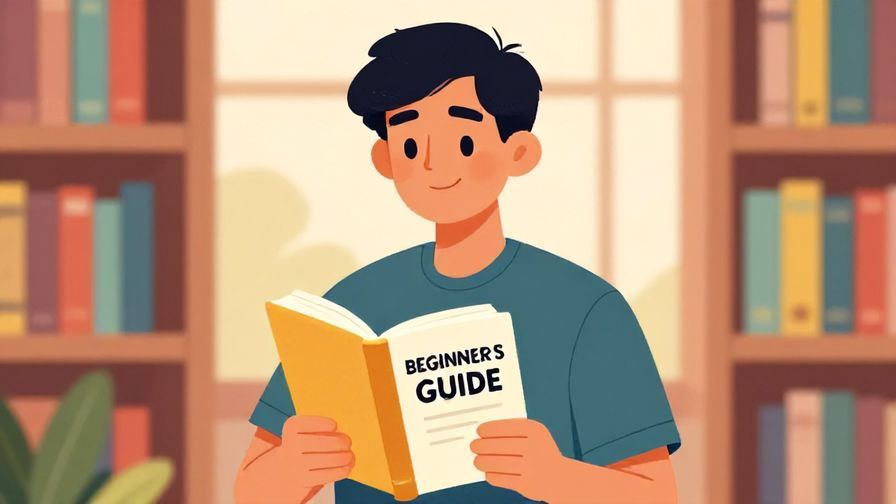
This phrase means “I’m a beginner” and is polite and clear.
“初心者 (Shoshinsha)” means “beginner.”
It’s often used in formal and informal settings.
Great for admitting you’re new to a skill or activity.
It helps others understand your level and offer support.
Using it shows humility and openness to learning.
14. 経験が浅いです (Keiken ga asai desu) – “I have little experience.”

This phrase politely admits limited experience.
“経験 (Keiken)” means “experience,” and “浅い (Asai)” means “shallow” or “little.”
It’s useful in formal conversations or interviews.
It communicates honesty about your skill level.
It also invites guidance and patience.
Use it to sound sincere and professional.
15. 新たな挑戦に臨みます (Aratana chousen ni nozomimasu) – “I’m facing a new challenge.”

This formal phrase expresses readiness for new challenges.
“新たな (Aratana)” means “new,” “挑戦 (chousen)” means “challenge,” and “臨みます (nozomimasu)” means “to face” or “to attend.”
Use it to show enthusiasm professionally.
It’s a great way to express commitment.
Try it in presentations or introductions at work.
It adds a polished, respectful tone.
16. 初めての機会をいただきありがとうございます (Hajimete no kikai o itadaki arigatou gozaimasu) – “Thank you for the first opportunity.”

This phrase thanks someone for a first-time opportunity.
“初めての機会 (Hajimete no kikai)” means “first opportunity,” and “ありがとうございます (arigatou gozaimasu)” is a polite “thank you.”
It’s very respectful and formal.
Use it in emails, speeches, or meetings.
It shows gratitude and humility.
Perfect for making a positive impression.
Part 3: Very Casual / Native-like Expressions
17. 初めてなんて当たり前だよ (Hajimete nante atarimae da yo) – “First times are totally normal.”

This is a friendly, casual way to say first times are nothing to worry about.
“当たり前 (Atarimae)” means “natural” or “obvious.”
It’s perfect to comfort someone nervous about trying something new.
Use it with close friends to lighten the mood.
It’s very native-like and relaxed.
Try it to sound more like a local and less formal.
18. まあ、初めてだしね (Maa, hajimete dashi ne) – “Well, it’s the first time after all.”

This phrase gives a casual, understanding feel about first times.
“まあ (Maa)” is like “well,” and “だしね (dashi ne)” adds a casual explanatory tone.
It’s great for shrugging off mistakes made during a first try.
Use it in relaxed conversations where imperfection is accepted.
It sounds very friendly and empathetic.
Perfect for making first times less stressful.
19. 初めてでもやってみようぜ (Hajimete demo yatte miyou ze) – “Even if it’s the first time, let’s try it!”

This phrase is an energetic, casual way to encourage trying new things.
“でも (demo)” means “even if,” and “ぜ (ze)” adds a masculine, friendly emphasis.
Use it with friends to hype each other up before something new.
It’s bold and motivating.
It feels like a pep talk from a close buddy.
Great for pushing through first-time jitters.
20. 初めてのことはドキドキするよね (Hajimete no koto wa dokidoki suru yo ne) – “First times make your heart race, right?”
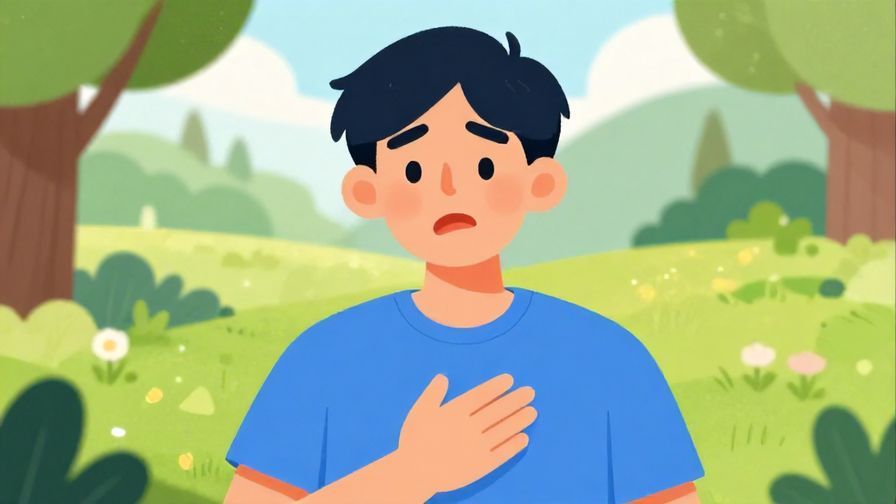
This phrase acknowledges the excitement and nervousness of first times.
“ドキドキする (dokidoki suru)” means “heart pounding.”
It’s a warm, casual phrase to share feelings about new experiences.
Use it to bond over shared nerves.
It’s very relatable and comforting.
Try saying it to show empathy and connection.
21. まあ、失敗も初めてのうちだよ (Maa, shippai mo hajimete no uchi da yo) – “Well, mistakes are part of the first times too.”

This phrase reassures that mistakes are natural when trying something new.
“失敗 (shippai)” means “mistakes,” and “うち (uchi)” here means “among” or “within.”
It’s a kind and casual way to comfort someone.
Useful in conversations after first attempts don’t go perfectly.
It promotes a forgiving attitude towards learning.
Great for easing pressure in informal settings.
22. 初めての経験が人生を豊かにする (Hajimete no keiken ga jinsei o yutaka ni suru) – “First experiences enrich life.”
This phrase reflects the beautiful impact of first experiences on life.
“人生 (jinsei)” means “life,” and “豊かにする (yutaka ni suru)” means “to enrich.”
It’s a thoughtful, casual-to-semi-formal phrase.
Use it to inspire appreciation for new beginnings.
It reminds us all that first times shape who we are.
A lovely phrase to end your language journey with.
Concluding Thought
Exploring these 22 Japanese ways to say “There’s a first time for everything” shows just how rich and expressive the language is.
Each phrase carries warmth, encouragement, and a gentle reminder that trying something new is a shared human experience.
So next time you face a first, remember these phrases and embrace the adventure ahead with confidence and heart.