22 Japanese ways to say “Fate works in mysterious ways”
Ever had those moments where everything just seems to line up perfectly, but you’re not quite sure how or why?
It’s like fate is working behind the scenes, pulling strings in ways we can’t always understand.
In Japan, there are lots of beautiful expressions capturing this mysterious dance of destiny.
Whether you’re learning Japanese or just love poetic sayings, knowing these phrases can really deepen your appreciation for the culture and the unexpected twists life throws at us.
Plus, sprinkling these into your conversations can add a lovely touch of warmth and wisdom.
So, let’s dive into 22 Japanese ways to say “Fate works in mysterious ways” – each with its own flavor and charm.
Understanding Fate in Japanese Culture
Fate, or “unmei” (運命, un-mei), carries a deep meaning in Japan, often tied to ideas of destiny and serendipity.
The Japanese language reflects this with many nuanced expressions, from poetic to casual, that highlight how life’s paths can be unpredictable yet meaningful.
Knowing these phrases helps connect the dots between language and culture.
Sometimes, starting with a great book on Japanese culture can enrich your understanding of these expressions.
Once you get the basics, you’ll find it easier to spot the subtle differences in meaning and use.
And remember, these phrases often reflect a gentle acceptance of life’s twists and turns.
Part 1: Casual Suggestions
1. 巡り合わせ (Meguriawase) – “A fateful meeting”

“Meguriawase” (めぐりあわせ / meh-goo-ree-ah-wah-seh) refers to the idea of two people meeting because of fate.
It’s used to describe a destined encounter, like meeting someone important by chance but meant to be.
Great for talking about relationships or meetings that feel special and unplanned.
It’s a compact way to express how fate brings people together.
You might also hear “en” (縁, en) which means the “bond” or “connection,” related to this concept.
Use it when you want to highlight the beauty of unexpected connections.
2. 仕方がない (Shikata ga nai) – “It can’t be helped”
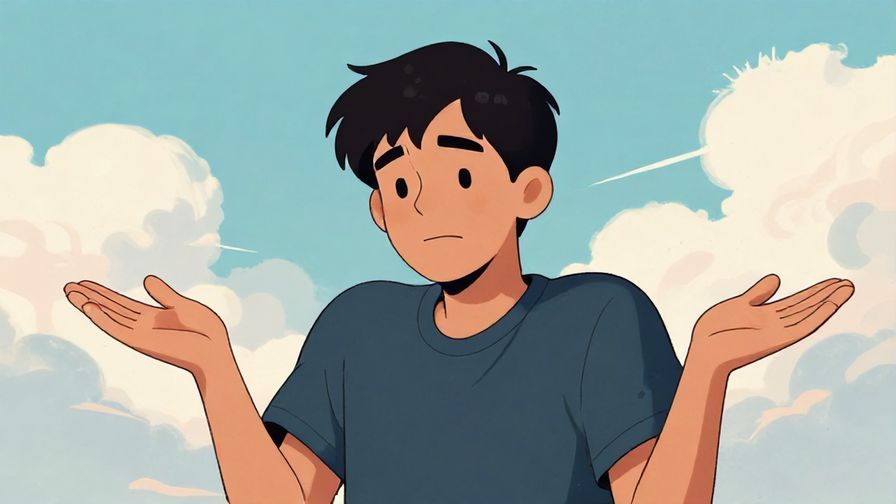
“Shikata ga nai” (しかたがない / shee-kah-tah gah nah-ee) literally means “there is no way to do it.”
This phrase expresses acceptance when things don’t go as planned, implying fate or circumstance is at play.
It’s a casual, everyday way to say “oh well, it’s fate” or “can’t change it.”
It’s a reminder to let go when things are out of your hands.
Often used to comfort yourself or others in disappointing moments.
Perfect to use when you want to acknowledge fate’s mysterious influence without frustration.
3. なるようになる (Naru you ni naru) – “Whatever will be, will be”

“Naru you ni naru” (なるようになる / nah-roo yoh nee nah-roo) is a common phrase meaning “things will turn out as they should.”
It’s a laid-back way to say fate will take its course, so just relax.
Great for beginners because it’s simple and easy to remember.
It encourages trusting life’s flow without stressing.
Similar to the English “que sera sera.”
Use it when offering reassurance or when you’re ready to let fate decide.
4. 天の配剤 (Ten no haizai) – “Heaven’s arrangement”

“Ten no haizai” (てんのはいざい / ten noh hai-zai) means “heaven’s arrangement” or how divine fate orchestrates life.
This is more poetic and formal, ideal for writing or thoughtful conversations.
It reflects a belief that a higher power carefully arranges events.
Use it to emphasize the mysterious, almost divine nature of fate.
It’s perfect for moments when something feels truly miraculous or destined.
Pair it with stories or reflections about special life events.
5. 運命の赤い糸 (Unmei no akai ito) – “The red thread of fate”
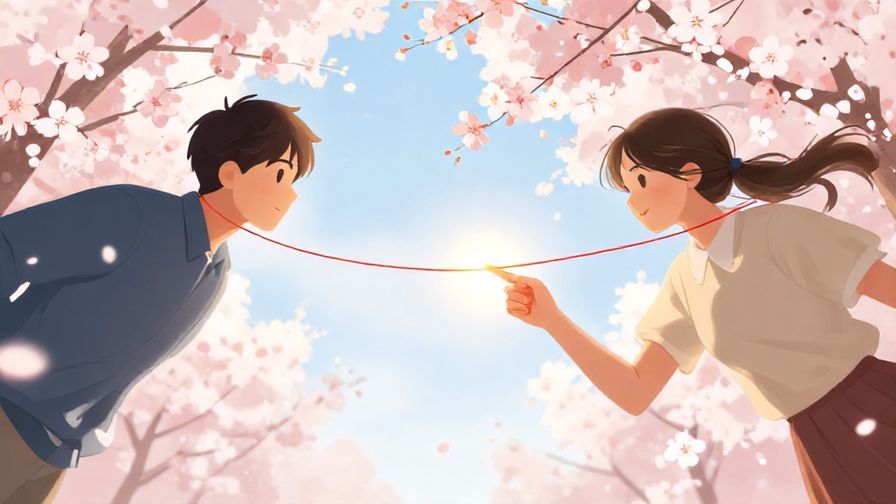
“Unmei no akai ito” (うんめいのあかいいと / oon-may noh ah-kah-ee ee-toh) literally means “the red thread of fate.”
It’s a famous Japanese concept that two destined people are connected by an invisible red thread.
This phrase is often used romantically or to talk about soulmates.
It’s poetic and easy to remember because of the vivid image.
Great for conversations about love or friendships that feel meant to be.
Try it when telling stories about people who changed your life unexpectedly.
6. 縁は異なもの味なもの (En wa koto na mono aji na mono) – “Fate is a strange and wonderful thing”

This proverb “En wa koto na mono aji na mono” (えんはことなものあじなもの / en wah koh-toh nah moh-noh ah-jee nah moh-noh) means “fate is a strange and wonderful thing.”
It captures the unexpected, sometimes quirky side of destiny.
Perfect for reflecting on odd coincidences that ended up being meaningful.
It’s a bit more advanced but very warm and human.
Use it when chatting casually about life’s surprises with friends or family.
It reminds us to embrace the weirdness of fate with a smile.
7. 風の吹くまま (Kaze no fuku mama) – “Go as the wind blows”

“Kaze no fuku mama” (かぜのふくまま / kah-zeh noh foo-koo mah-mah) means “go as the wind blows.”
It’s a casual way to express going with fate, not resisting life’s flow.
Easy to use and remember, it’s a lovely metaphor for life’s unpredictability.
It encourages openness and trust in the journey.
Great for lighthearted talks about letting go of control.
Use it whenever you want to express a carefree acceptance of fate’s whims.
8. 偶然 (Gūzen) – “Coincidence”

“Gūzen” (ぐうぜん / goo-zen) means “coincidence.”
While it’s a simple word, it’s often used to hint at fate’s subtle hand when unexpected things happen.
Great for casual conversations about surprising moments.
It’s straightforward and easy for beginners to remember.
Try pairing it with “unmei” for a richer meaning, like “fateful coincidence.”
Use it to share stories of unexpected but meaningful chance encounters.
Part 2: Polite & Formal Suggestions
9. 運命とは不思議なものです (Unmei to wa fushigi na mono desu) – “Fate is a mysterious thing”

This formal phrase “Unmei to wa fushigi na mono desu” (うんめいとはふしぎなものです / oon-may toh wah foo-shee-gee nah moh-noh dess) means “Fate is a mysterious thing.”
It’s polite and clear, perfect for speeches, essays, or respectful conversations.
Good for learners aiming to sound more refined or professional.
It breaks down to “unmei” (fate), “fushigi” (mysterious), and “mono” (thing).
Use it when you want to sound thoughtful and serious about fate.
It’s a great phrase to practice for formal discussions or presentations.
10. 人事を尽くして天命を待つ (Jinji o tsukushite tenmei o matsu) – “Do your best and leave the rest to fate”

“Jinji o tsukushite tenmei o matsu” (じんじをつくしててんめいをまつ / jin-jee oh tsu-koo-shi-teh ten-may oh maht-su) means “Do your best and wait for fate.”
This is a classic proverb encouraging effort while trusting fate’s timing.
It’s polite and ideal for formal or motivational contexts.
It’s a balanced phrase reminding us to act and accept outcomes.
Perfect to share when offering encouragement to someone facing uncertainty.
Practice this phrase to sound wise and culturally tuned-in.
11. 天命を信じる (Tenmei o shinjiru) – “Believe in fate”

“Tenmei o shinjiru” (てんめいをしんじる / ten-may oh shin-jee-roo) means “Believe in fate.”
It’s a respectful and straightforward way to express trust in destiny’s plan.
Good for formal conversations or written work.
“Shinjiru” means “to believe,” so it’s about having faith in fate.
It’s a neat phrase to use when talking about personal or philosophical beliefs.
Use it to inspire or reflect on life’s guiding forces.
12. 運命は時に残酷である (Unmei wa toki ni zankoku de aru) – “Fate can sometimes be cruel”

“Unmei wa toki ni zankoku de aru” (うんめいはときにざんこくである / oon-may wah toh-kee nee zan-koh-koo deh ah-roo) means “Fate can sometimes be cruel.”
It’s a serious, formal phrase acknowledging the harsher side of destiny.
Useful for deep discussions or literary writing.
It helps express empathy or reflection on tough life events.
Good to pair with more hopeful phrases to balance the tone.
Practice this for more nuanced conversations about fate.
13. 運命共同体 (Unmei kyōdōtai) – “Community bound by fate”

“Unmei kyōdōtai” (うんめいきょうどうたい / oon-may kyoh-doh-tie) means “a community or group united by fate.”
It’s a formal term often used in social or political contexts.
It emphasizes shared destiny or mutual dependence.
Great for academic or professional conversations about fate’s role in groups.
Use it to describe bonds that go beyond chance.
It’s a powerful phrase to express collective destiny.
14. 運命に抗う (Unmei ni aragau) – “To resist fate”

“Unmei ni aragau” (うんめいにあらがう / oon-may nee ah-rah-gah-oo) means “to fight or resist fate.”
It’s a more serious, formal phrase about challenging destiny.
Good for dramatic or philosophical discussions.
Use it to express the human spirit’s defiance against predetermined paths.
It’s useful in literature or serious debates.
Try this phrase when reflecting on fate’s limits.
15. 運命を受け入れる (Unmei o ukeireru) – “To accept fate”

“Unmei o ukeireru” (うんめいをうけいれる / oon-may oh oo-keh-ee-reh-roo) means “to accept fate.”
It’s a polite, formal phrase focusing on acceptance rather than resistance.
Perfect for discussions about maturity and wisdom.
Use it when talking about coming to terms with life’s challenges.
This phrase pairs nicely with “shikata ga nai.”
Great for expressing inner peace with destiny.
16. 運命のいたずら (Unmei no itazura) – “Fate’s prank”
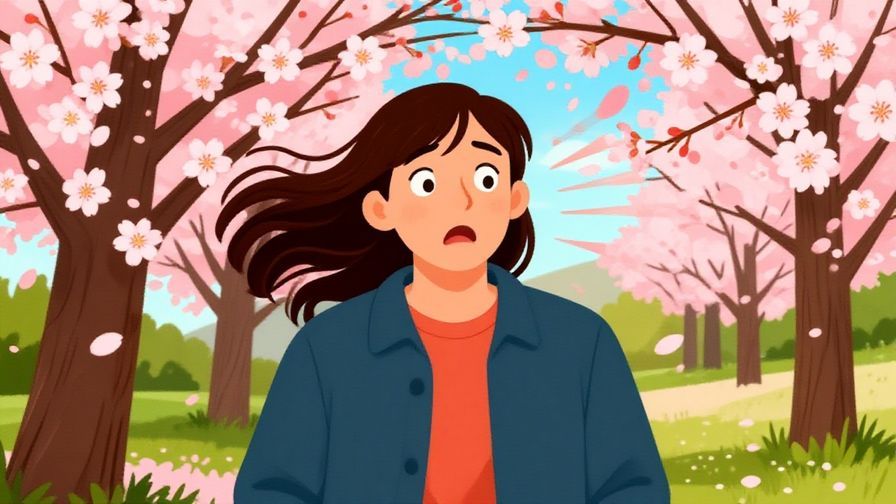
“Unmei no itazura” (うんめいのいたずら / oon-may noh ee-tah-zoo-rah) means “fate’s prank” or trick.
It’s a polite but playful phrase acknowledging fate’s unexpected twists.
Use it when life surprises you in funny or ironic ways.
It adds a lighthearted twist to discussions about destiny.
Great for keeping conversations cheerful despite surprises.
Try it when describing odd coincidences that make you smile.
Part 3: Very Casual / Native-like Expressions
17. 仕方ないね (Shikata nai ne) – “Can’t be helped, huh?”

“Shikata nai ne” (しかたないね / shee-kah-tah nah-ee neh) is the casual, friendly version of “it can’t be helped.”
It’s perfect for everyday chats with close friends or family.
Using “ne” softens the statement, making it sound warm and empathetic.
It’s a common phrase for shrugging off fate’s whims in a lighthearted way.
Try this when you want to sound natural and relatable.
It’s a phrase that helps bond over shared understanding.
18. まあ、そういうもんだよ (Mā, sō iu mon da yo) – “Well, that’s just how it is”

“Mā, sō iu mon da yo” (まあ、そういうもんだよ / mah soh ee-oo moh-n dah yoh) means “Well, that’s just how it is.”
It’s very casual and often used to accept fate with a shrug.
Great for conversational Japanese where you want to sound native-like.
It conveys a mix of acceptance and slight amusement at life’s unpredictability.
Use it when chatting casually about life’s ups and downs.
This phrase keeps things light while acknowledging fate.
19. 運命に任せる (Unmei ni makaseru) – “Leave it to fate”

“Unmei ni makaseru” (うんめいにまかせる / oon-may nee mah-kah-seh-roo) means “to leave it to fate.”
It’s casual yet expressive, great for spoken Japanese.
It emphasizes trusting fate to take care of the outcome.
Try it when you want to sound natural and relaxed about future uncertainty.
It’s a handy phrase for daily conversations about planning or decision-making.
Use it to show you’re ready to let fate take over.
20. たまたまのことだよ (Tamatama no koto da yo) – “It’s just a coincidence”
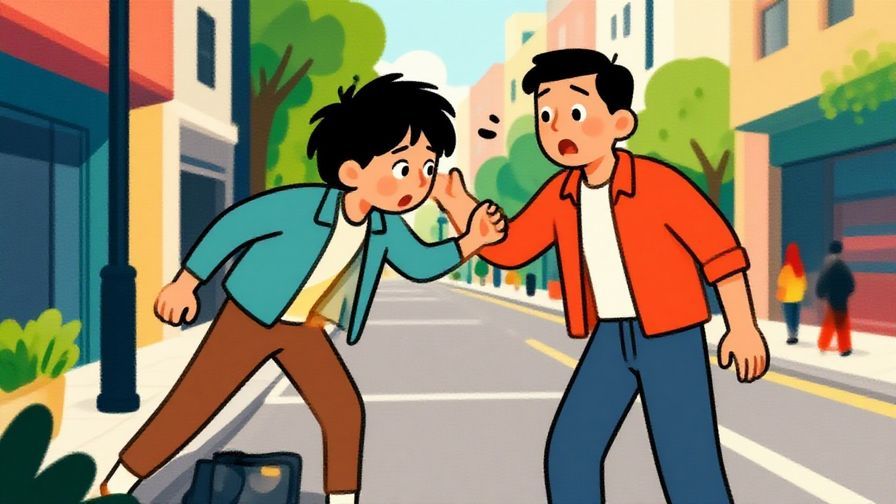
“Tamatama no koto da yo” (たまたまのことだよ / tah-mah-tah-mah noh koh-toh dah yoh) means “It’s just a coincidence.”
It’s a casual way to downplay fate, focusing on chance instead.
Great for conversations where you want to sound humble or lighthearted.
It’s often used to explain surprising or lucky events.
Use it when you want to sound natural and modest.
This phrase helps keep things balanced between fate and randomness.
21. 運命って不思議だよね (Unmei tte fushigi da yo ne) – “Fate is mysterious, isn’t it?”

“Unmei tte fushigi da yo ne” (うんめいってふしぎだよね / oon-may tte foo-shee-gee dah yoh neh) means “Fate is mysterious, isn’t it?”
It’s a friendly, conversational phrase to share wonder about fate.
“Tte” adds emphasis, and “ne” invites agreement.
Perfect for casual talks with friends about life’s mysteries.
Use it when you want to bond over the unknown aspects of destiny.
This phrase makes the topic approachable and warm.
22. もう運命に任せるしかないね (Mō unmei ni makaseru shika nai ne) – “There’s no choice but to leave it to fate now”

“Mō unmei ni makaseru shika nai ne” (もううんめいにまかせるしかないね / moh oon-may nee mah-kah-seh-roo shee-kah nah-ee neh) means “There’s no choice but to leave it to fate now.”
It’s a longer, very natural phrase expressing final acceptance.
Great for moments when you’ve done all you can and must trust fate.
“Shika nai” means “there is no other way,” adding emphasis.
Use it in heartfelt conversations or reflections.
This phrase perfectly captures surrender with a hint of hope.
Concluding Thought
Exploring these 22 Japanese phrases shows just how rich and varied the language is when it comes to expressing fate’s mysterious ways.
From casual chats to formal reflections, each expression carries its own warmth and insight into accepting life’s unpredictability.
Keep these phrases close, and you’ll find your conversations becoming not just more colorful but also more meaningful as you embrace the beautiful mystery of fate.