22 Japanese ways to say “What a small world”
Ever bumped into someone you know in the most unexpected place? That moment when you just have to say, “What a small world!”
In Japanese, there are many warm and lively ways to express this feeling. It’s more than just words—it’s about connection, surprise, and shared stories.
Whether you’re chatting with friends or trying to sound more natural, these phrases will help you capture that special moment of coincidence.
Learning these expressions not only broadens your vocabulary but also deepens your cultural understanding and makes your conversations sparkle with authenticity.
Ready to explore 22 Japanese ways to say “What a small world”? Let’s dive in and add some fun expressions to your daily chats!
By the end, you’ll have plenty of new phrases to share your delight in those surprising encounters.
Getting Started with Small World Expressions
Japanese has a beautiful way of expressing surprise and coincidence that feels very natural and heartfelt.
These expressions range from casual to polite, and some carry a nostalgic or poetic touch. Picking the right one depends on who you’re talking to and the situation.
It’s fun to learn them all and feel more confident in your conversations.

Sometimes, using a great beginner phrasebook can give you a perfect starting point for a cohesive understanding.
Each phrase here is practical and easy to use, so you can start right away.
Just imagine the smiles you’ll get when you say these after a surprising coincidence!
Part 1: Casual Suggestions
1. 世間は狭いね (Seken wa semai ne) – “The world is small, isn’t it?”

This is the classic way to say “What a small world” in Japanese.
“世間 (seken)” means “world” or “society,” “狭い (semai)” means “small” or “narrow,” and “ね (ne)” is a sentence-ending particle that seeks agreement, like “right?”
It’s casual and perfect for everyday conversations when something unexpected happens.
Just say it with a friendly tone, and it instantly connects you with the person sharing the surprise.
You might also hear “ほんとに狭いね (Hontoni semai ne)” for “Really small world!”
Use this phrase often to express genuine delight at coincidences.
2. こんなところで会うなんて (Konna tokoro de au nante) – “To meet in a place like this!”

This phrase expresses surprise about meeting somewhere unexpected.
“こんなところ (konna tokoro)” means “a place like this,” “で (de)” is a location particle, and “会う (au)” means “to meet.” “なんて (nante)” adds a feeling of amazement.
It’s great for casual chats when you run into someone you know in an unusual spot.
Make sure to use a surprised tone to bring out the emotion.
People sometimes shorten it to “ここで会うなんて” (“Meeting here, of all places!”).
Keep it handy for those fun, unexpected encounters!
3. まさかの再会だね (Masaka no saikai da ne) – “What an unexpected reunion!”
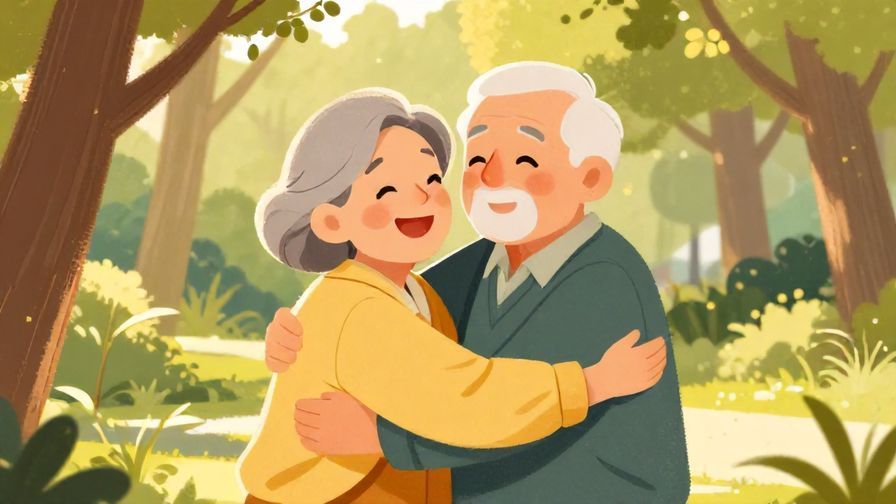
Use this when you unexpectedly meet someone you haven’t seen for a long time.
“まさか (masaka)” means “unexpected,” “再会 (saikai)” means “reunion,” and “だね (da ne)” adds a casual, friendly tone.
This phrase carries a nostalgic, warm feeling.
It’s perfect for reconnecting moments that feel like fate.
You can pair it with a smile or slight surprise to make it sound natural.
Try it next time you bump into an old friend by chance!
4. 偶然だね (Gūzen da ne) – “What a coincidence!”
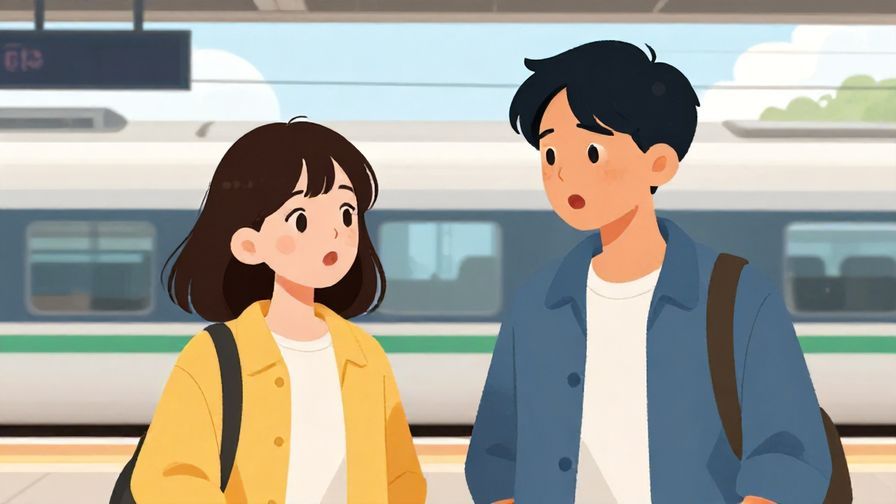
“偶然 (gūzen)” means “coincidence,” and “だね (da ne)” softens the phrase into casual speech.
This is a simple and direct way to express surprise at a coincidence.
It’s very common and easy to remember, making it ideal for beginners.
Just say it with a lighthearted tone to keep things friendly.
You might hear “本当に偶然だね (Hontō ni gūzen da ne)” meaning “It’s really a coincidence!”
Use it often to show you’re pleasantly surprised.
5. びっくりした!こんなに近いなんて (Bikkuri shita! Konna ni chikai nante) – “I’m surprised! It’s so close!”
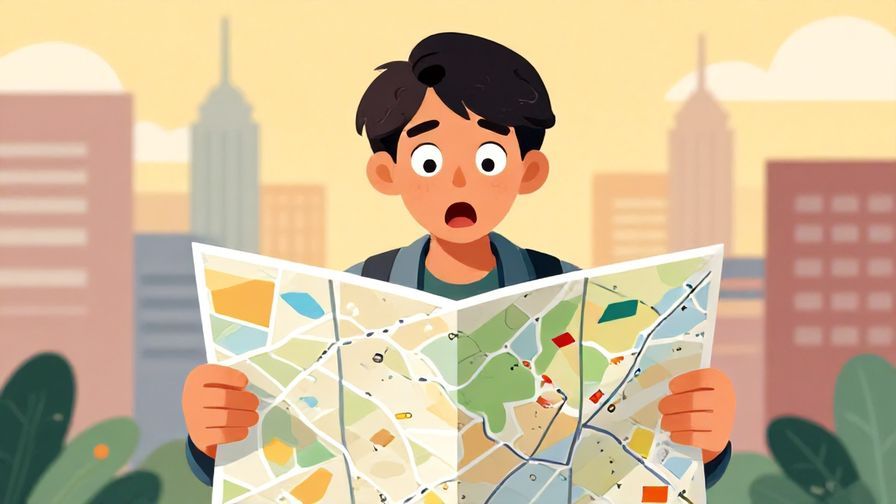
Use this when you’re surprised by how near or close something or someone is, literally or figuratively.
“びっくりした (bikkuri shita)” means “I was surprised,” “こんなに (konna ni)” means “this much,” “近い (chikai)” means “close,” and “なんて (nante)” adds emphasis.
It’s a fun, expressive phrase to highlight surprise about proximity or coincidence.
Great to use when meeting someone in your neighborhood or unexpectedly close by.
Don’t confuse it with “遠い (tooi),” which means “far.”
Perfect for showing genuine amazement in a casual chat.
6. ここで会うとは思わなかった (Koko de au to wa omowanakatta) – “I didn’t expect to meet here.”
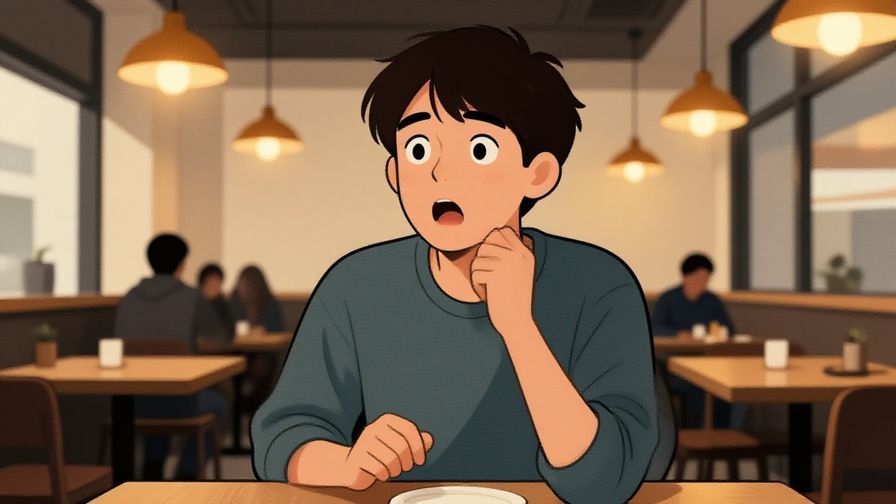
This phrase conveys surprise at meeting someone in a specific place.
“ここで (koko de)” means “here,” “会う (au)” means “to meet,” “とは (to wa)” emphasizes the unexpectedness, and “思わなかった (omowanakatta)” means “didn’t think.”
It’s a bit longer but very natural in conversation.
Use it in casual or semi-formal situations to share your surprise.
You’ll sound thoughtful and sincere with this one.
Try it next time you meet someone in an unusual spot!
7. まさかこんな場所で (Masaka konna basho de) – “No way, in a place like this!”
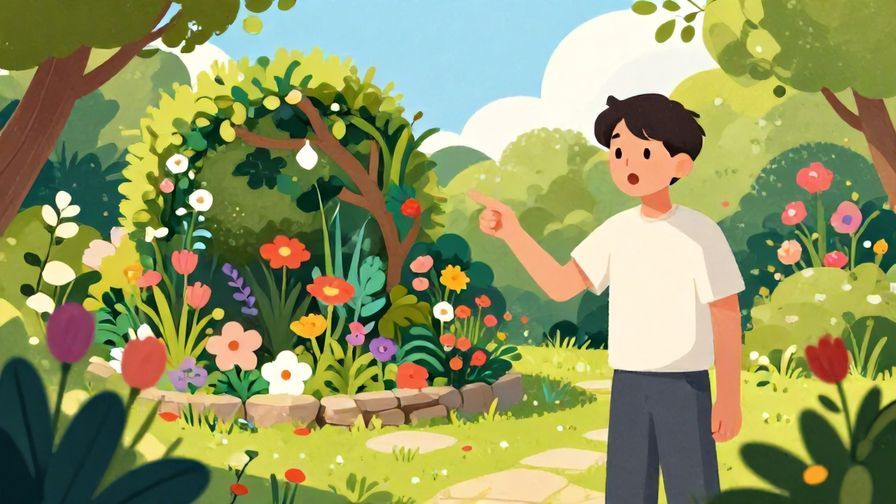
“まさか (masaka)” means “no way” or “unexpected,” “こんな場所 (konna basho)” means “a place like this,” and “で (de)” is the location particle.
This phrase is perfect for expressing shock or delight at an unexpected meeting spot.
It’s casual but packs a punch of emotion.
Use it to show your disbelief in a fun, natural way.
It pairs well with surprised facial expressions or gestures.
Great for storytelling moments!
8. 偶然にも会えたね (Gūzen ni mo aeta ne) – “We happened to meet by chance!”

“偶然 (gūzen)” means “coincidence,” “にも (ni mo)” adds “also/by chance,” and “会えた (aeta)” is the past potential form of “meet,” meaning “were able to meet.” “ね” softens it.
This phrase expresses happy surprise at meeting someone unexpectedly.
It’s friendly and warm, perfect for informal conversations.
Use it to celebrate those delightful chance meetings.
It’s also polite enough to use with acquaintances.
Practice it to sound more natural and engaging.
Part 2: Polite & Formal Suggestions
9. 世間は本当に狭いものですね (Seken wa hontō ni semai mono desu ne) – “The world is truly small, isn’t it?”

This is a more polished and polite version of the classic “small world” phrase.
“本当に (hontō ni)” means “truly,” “もの (mono)” adds a sense of fact or thing, and “ですね (desu ne)” makes it polite and seeks agreement.
Use this in formal or business situations to express surprise respectfully.
It’s a great phrase to sound professional but warm.
You might use it when meeting a colleague or client unexpectedly.
It’s a wonderful phrase to keep in your polite conversation toolkit.
10. 思いがけない再会ですね (Omoigakenai saikai desu ne) – “What an unexpected reunion this is.”
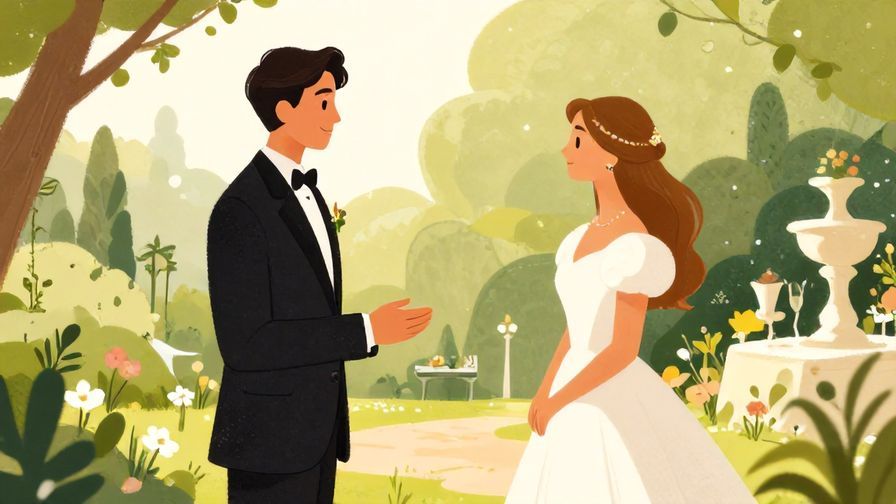
“思いがけない (omoigakenai)” means “unexpected,” “再会 (saikai)” is “reunion,” and “ですね (desu ne)” is the polite sentence-ending.
This phrase is perfect for formal or respectful settings.
It sounds elegant and thoughtful, showing genuine surprise.
Use it during business events, ceremonies, or formal gatherings.
It’s a bit poetic but very effective.
It adds a touch of grace to your interactions.
11. 偶然お会いできて嬉しいです (Gūzen o ai dekite ureshii desu) – “I’m happy to meet you by chance.”

This phrase is polite and expresses happiness about the coincidence of meeting.
“偶然 (gūzen)” means “coincidence,” “お会いできて (o ai dekite)” is the respectful way to say “able to meet,” and “嬉しいです (ureshii desu)” means “I’m happy.”
It’s perfect for formal introductions or chance meetings with superiors.
Using this shows your positive attitude and respect.
It’s a phrase to remember for professional or formal socializing.
Practice it to sound polished and sincere.
12. こんな偶然は珍しいですね (Konna gūzen wa mezurashii desu ne) – “Such a coincidence is rare, isn’t it?”

“珍しい (mezurashii)” means “rare” or “unusual.”
This phrase comments on the rarity of the coincidence in a polite way.
It’s great for formal occasions when you want to highlight the uniqueness of the meeting.
Use it to make the moment feel special and memorable.
It adds a thoughtful nuance to your conversation.
Try it next time you meet someone unexpectedly in a formal context.
13. まさかお目にかかるとは思いませんでした (Masaka ome ni kakaru to wa omoimasen deshita) – “I never thought I’d have the honor to meet you unexpectedly.”
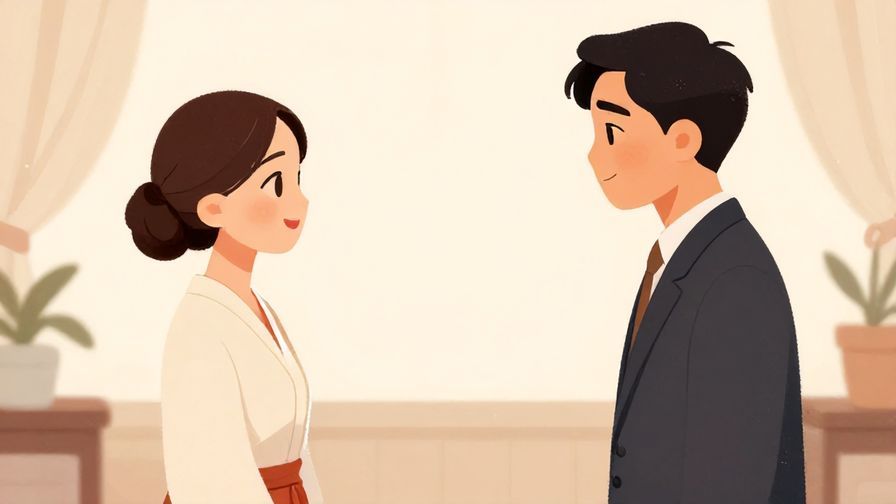
“お目にかかる (ome ni kakaru)” is a humble expression for “to meet” someone respectfully.
“まさか (masaka)” means “no way,” and “思いませんでした (omoimasen deshita)” means “didn’t think.”
This phrase is very formal and polite, often used in respectful or business contexts.
It shows humility and surprise at the unexpected meeting.
Perfect for using with elders or important persons.
It’s a valuable phrase for formal Japanese etiquette.
14. 偶然の出会いに感謝します (Gūzen no deai ni kansha shimasu) – “I’m grateful for this chance meeting.”

This phrase expresses gratitude for a coincidental meeting.
“感謝します (kansha shimasu)” means “I’m grateful,” and “出会い (deai)” is “meeting” or “encounter.”
It’s polite and warm, suitable for both formal and semi-formal situations.
Use it to show appreciation for fate bringing you together.
This phrase adds a positive, thankful tone to your conversation.
Try it to deepen connections after unexpected meetings.
15. こんな偶然は嬉しいですね (Konna gūzen wa ureshii desu ne) – “Such a coincidence is delightful, isn’t it?”
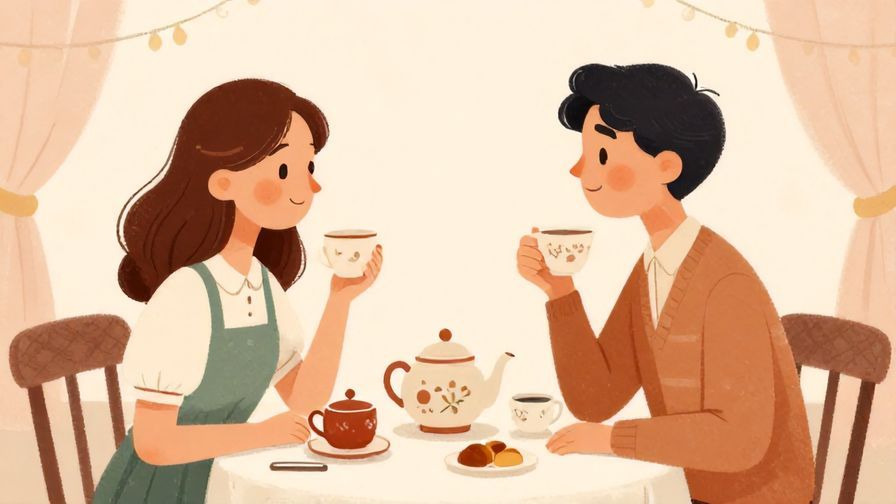
“嬉しい (ureshii)” means “happy” or “delighted.”
This phrase politely expresses joy about an unexpected meeting.
It sounds sincere and friendly, making it great for polite social events.
Use it to share positive feelings about coincidental encounters.
It’s a simple yet effective way to express warmth.
Practice it to improve your polite conversational skills.
16. 思いがけずお会いできて光栄です (Omoigakezu o ai dekite kōei desu) – “I’m honored to meet you unexpectedly.”

“光栄です (kōei desu)” means “I’m honored.”
This phrase is very respectful and formal, expressing honor at an unexpected meeting.
Use it in professional or very polite social contexts.
It shows both surprise and respect in a sophisticated way.
Perfect for high-stakes or important encounters.
Using this will elevate your formal Japanese skills.
Part 3: Very Casual / Native-like Expressions
17. 世間って狭いよね~ (Seken tte semai yo ne~) – “The world’s really small, huh?”

This is a very casual, conversational way of saying “What a small world!”
“って (tte)” is a casual topic marker, and “よね~ (yo ne~)” adds a friendly emphasis.
Use this with close friends or people your age.
It sounds natural and relaxed, perfect for informal settings.
You can stretch the “ね~” for extra casual vibes.
Try it to sound like a native speaker in everyday chats.
18. マジで世界狭いわ (Maji de sekai semai wa) – “Seriously, the world’s small!”

“マジで (maji de)” means “seriously” or “really” in slang, “世界 (sekai)” means “world,” and “狭い (semai)” means “small.” “わ (wa)” adds a soft, emotional ending.
This phrase is casual and expressive, often used by younger people.
It packs a punch and shows genuine surprise.
Use it among friends to sound edgy and natural.
Be mindful it’s too casual for formal use.
Great for texting or lively conversations.
19. うそ!こんなところで!? (Uso! Konna tokoro de!?) – “No way! In a place like this!?”
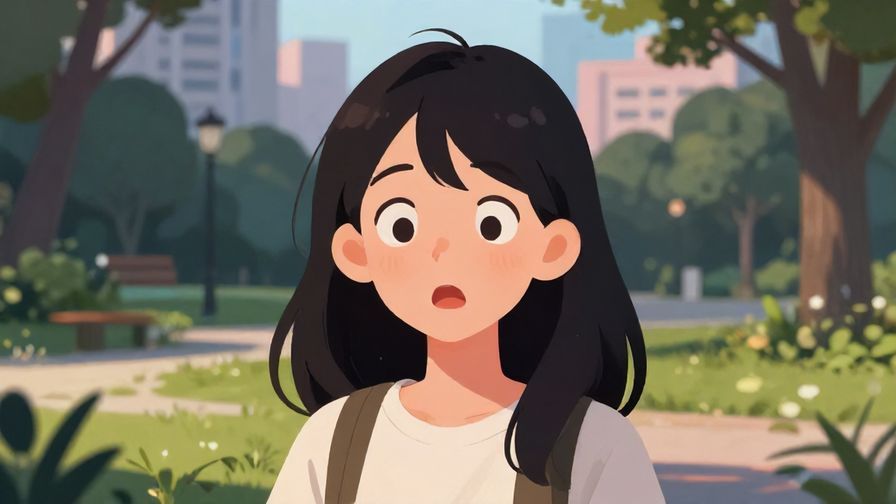
“うそ (uso)” literally means “lie” but is used here to say “No way!” or “You’re kidding!”
It’s a very casual, spontaneous expression of surprise.
“こんなところで (konna tokoro de)” means “in a place like this.”
Use this for strong, quick reactions in casual talk.
It’s perfect for moments of disbelief or shock.
Just be careful to use it with people you know well.
20. びっくりだよね~ (Bikkuri da yo ne~) – “Isn’t it surprising!”

“びっくり (bikkuri)” means “surprise,” and “だよね~ (da yo ne~)” is a very casual way to say “isn’t it?”
This phrase is friendly, light, and easy to say.
It’s great for casual conversations about coincidences or surprises.
Stretch the “ね~” to sound more relaxed and natural.
Use it to keep the mood upbeat and fun.
It’s one of the easiest phrases to pick up and use daily.
21. まじで狭すぎ! (Maji de semasugi!) – “Seriously, it’s way too small!”

“まじで (maji de)” means “seriously,” and “狭すぎ (semasugi)” means “too small” or “too narrow.”
This phrase is slangy and playful.
It exaggerates the smallness of the world for comic effect.
Use it with close friends for humor and emphasis.
It’s not for formal situations but great for casual chats.
Perfect for making your surprise sound funnier and more expressive.
22. 世界は狭いって感じ! (Sekai wa semai tte kanji!) – “That feeling of ‘small world!’”

“って感じ (tte kanji)” means “that feeling of” or “like.”
This phrase captures the vibe of “small world” in a casual way.
It’s great for describing the feeling rather than stating it outright.
Use it to sound natural and relaxed with friends.
It’s a handy phrase to add some flavor to your conversations.
Try it when you want to express that familiar, fun surprise.
Concluding Thought
Exploring different ways to say “What a small world” in Japanese reveals just how rich and nuanced the language is when expressing surprise and connection.
Whether you choose a casual phrase with friends or a polite expression in formal situations, you’re adding warmth and personality to your conversations.
Keep practicing these expressions, and soon you’ll naturally share those delightful moments of coincidence with ease and charm.