22 Japanese ways to say “Pinch me, I’m dreaming”
Have you ever had one of those moments so surreal that you just want to pinch yourself to make sure you’re not dreaming? Japanese has some really fun and expressive ways to say exactly that!
Whether you’re chatting with friends or sharing an incredible moment, these phrases will add a touch of wonder and excitement to your conversations.
Learning different ways to express “Pinch me, I’m dreaming” not only helps your Japanese sound more natural but also connects you more deeply with the culture.
From casual to polite, and even native-like expressions, this list has got you covered. Get ready to dive into 22 Japanese ways to capture that dreamy disbelief.
Along the way, you’ll find handy pronunciation tips and little language notes to make these phrases stick in your memory.
So, are you ready? Let’s explore these charming Japanese expressions and bring a little dreaminess to your daily life!
Understanding the Nuance
Before jumping into the list, it’s good to know that Japanese often expresses feelings more indirectly than English.
Instead of a direct “Pinch me,” some phrases imply disbelief, surprise, or that something feels too good to be true.
This makes them versatile in many contexts beyond dreams—like amazing news or unexpected good fortune.

Sometimes, starting with a great phrasebook for idioms can help you recognize these subtle forms and use them naturally.
Getting familiar with these expressions will give you a richer, warmer way to react to life’s little miracles.
Now, let’s get started—these phrases will have you sounding like a native in no time!
Part 1: Casual Suggestions
1. 夢みたい!(Yume mitai!) – “It’s like a dream!”

This phrase literally means “It’s like a dream!” and is a simple way to express disbelief or amazement.
“夢 (Yume)” means “dream” and “みたい (mitai)” means “like” or “similar to.” Together, it’s a casual, friendly way to say something feels unreal.
It’s easy to remember by imagining a moment that feels so good, it’s almost dreamlike.
Using this phrase instantly conveys that you’re happily surprised.
You can use it anytime something wonderful happens, from meeting a celebrity to a perfect day out.
Try saying it aloud when something amazing happens, and watch people smile at your enthusiasm!
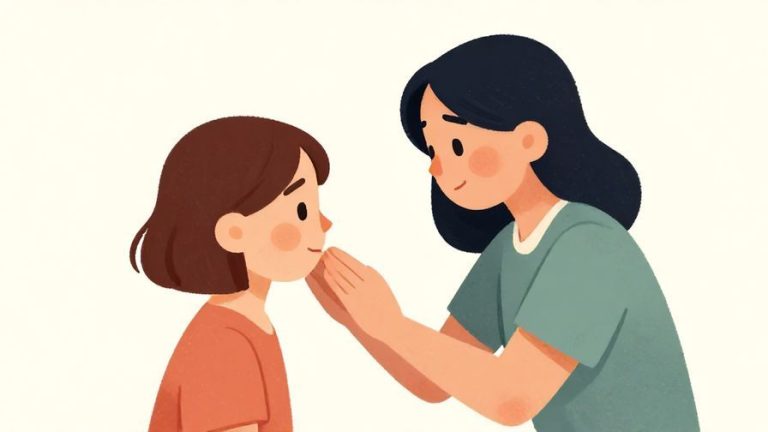
2. つねって!(Tsunette!) – “Pinch me!”

“つねって!” is the direct command form for “Pinch me!” — straightforward and playful.
“つねる (tsuneru)” means “to pinch,” and “つねって” is the te-form used for requests or commands.
This is perfect among friends when you want to literally ask for a pinch to confirm reality.
It’s easy to say and very common in casual conversations.
Just remember to use it only with close friends or family, as it’s informal.
Try it next time you want to share that “I can’t believe this is real” feeling!
3. 夢か現実かわからない (Yume ka genjitsu ka wakaranai) – “I don’t know if this is a dream or reality.”

This phrase is a bit longer but poetic, expressing the feeling of uncertainty between dream and reality.
“夢 (yume)” means “dream,” “現実 (genjitsu)” means “reality,” and “わからない (wakaranai)” means “I don’t know.”
It’s a thoughtful way to express that something feels so amazing, you can’t tell if it’s real.
Try using this when something unexpectedly wonderful happens and you want to emphasize disbelief.
This phrase works well in both casual and semi-formal conversations.
It’s a great phrase to practice if you want to sound a bit more poetic!
4. まるで夢のようだ (Marude yume no you da) – “It’s just like a dream.”

This phrase means “It’s just like a dream” and carries a gentle, amazed tone.
“まるで (marude)” means “just like,” “夢 (yume)” is “dream,” and “のようだ (no you da)” means “like” or “as if.”
It’s a bit more formal than “夢みたい,” but still casual enough for everyday use.
A nice phrase to use when describing happy moments that feel surreal.
It’s memorable because of its smooth rhythm and imagery.
Give it a try when sharing exciting news or special experiences!
5. 信じられない!(Shinjirarenai!) – “I can’t believe it!”

“信じられない!” means “I can’t believe it!” and expresses strong disbelief or amazement.
It’s a common phrase used in many situations, perfect when you feel like you’re dreaming.
Easy to say and great for reacting spontaneously.
You can use it with friends or even strangers, as it’s neutral in politeness.
It’s a versatile phrase that often replaces “Pinch me” in everyday speech.
Practice this one to sound natural and excited in Japanese!
6. 夢じゃないよね? (Yume janai yo ne?) – “This isn’t a dream, right?”

This phrase is a casual question asking “This isn’t a dream, right?” to confirm reality.
“夢 (yume)” means “dream,” “じゃない (janai)” means “is not,” and “よね (yo ne)” adds a seeking-agreement tone.
It’s a friendly phrase to use with close friends or family.
Great for moments when you want reassurance that something wonderful is real.
Because it’s a question, it invites interaction and emphasizes your surprise.
Try this one when sharing joyful news or experiences!
7. 夢の中にいるみたい (Yume no naka ni iru mitai) – “It’s like I’m inside a dream.”

This expression means “It’s like I’m inside a dream,” and paints a vivid picture of feeling unreal.
“夢の中 (yume no naka)” means “inside a dream,” “にいる (ni iru)” means “to be,” and “みたい (mitai)” means “like.”
It’s a poetic and gentle way to describe that surreal sensation.
Perfect for romantic or magical moments.
The phrase is easy to remember because it follows a simple “A no B ni iru” grammar pattern.
Use it when you want to sound dreamy and expressive!
8. まるで映画のワンシーンみたい (Marude eiga no wan shīn mitai) – “It’s just like a scene from a movie.”

This phrase literally means “It’s just like a scene from a movie,” expressing a surreal, dreamlike feeling.
“まるで (marude)” means “just like,” “映画 (eiga)” is “movie,” and “ワンシーン (wan shīn)” is “one scene.”
It’s a casual phrase perfect when something feels cinematic or too perfect to be true.
Great for storytelling or describing memorable moments.
This phrase also helps expand your vocabulary with loanwords, which are common in casual Japanese.
Try this next time you want to add flair to your descriptions!
Part 2: Polite & Formal Suggestions
9. まるで夢のようです (Marude yume no you desu) – “It’s just like a dream.” (formal)
This is the polite and formal version of “It’s just like a dream.”
The addition of “です (desu)” makes the phrase polite and suitable for formal or respectful situations.
It’s great to use in business or with people you don’t know well.
Using polite endings correctly shows respect and improves your Japanese communication.
If you want to impress with politeness, this phrase is a perfect choice.
Practice it to sound refined and sincere when expressing wonder.
10. 夢のような気持ちです (Yume no you na kimochi desu) – “I feel like I’m in a dream.” (formal)

This phrase means “I feel like I’m in a dream,” used in polite contexts.
“気持ち (kimochi)” means “feeling,” and adding “です (desu)” makes it polite.
It’s perfect when talking about happy or unbelievable moments in formal conversations.
This phrase is easy to remember because it follows a common pattern: “Xのような気持ちです.”
It’s safe to use with teachers, coworkers, or new acquaintances.
Try it when you want to express amazement politely!
11. まるで夢の中にいるかのようです (Marude yume no naka ni iru ka no you desu) – “It’s just like I’m in a dream.” (formal)
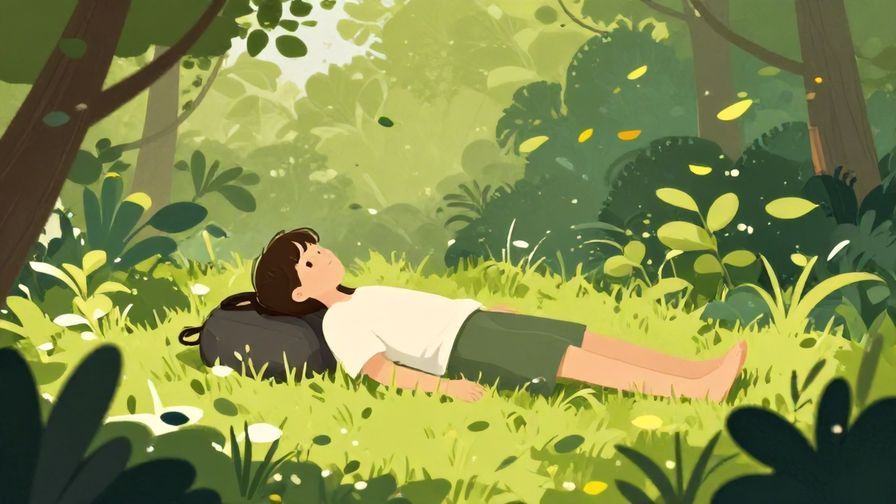
This is a formal and poetic way to say “It’s just like I’m in a dream.”
The phrase uses “かのようです (ka no you desu)” to politely express “as if.”
It’s suitable for speeches, presentations, or heartfelt moments.
Though longer, it sounds elegant and thoughtful.
Breaking it down helps with memorization: “夢の中 (inside a dream), にいる (to be), かのようです (as if).”
Use it when you want to sound graceful and genuine.
12. 現実とは思えません (Genjitsu to wa omoemasen) – “I can’t believe it’s real.” (formal)
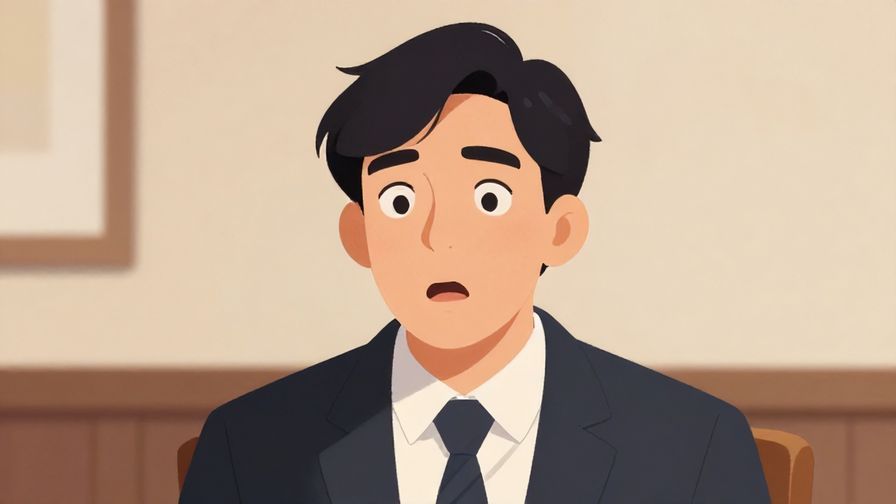
This phrase means “I can’t believe it’s real” and is polite and formal.
“現実 (genjitsu)” means “reality,” and “思えません (omoemasen)” is the negative potential form of “to think,” meaning “can’t believe.”
It’s a strong but respectful expression of disbelief.
Perfect for formal situations where you want to express amazement without slang.
It’s also useful in writing, such as letters or emails.
Practice this phrase to expand your formal expression toolkit!
13. こんなことが起こるなんて夢みたいです (Konna koto ga okoru nante yume mitai desu) – “It feels like a dream that something like this happened.”

This phrase is a polite way to say you feel like what happened is dreamlike.
“こんなこと (konna koto)” means “such a thing,” “起こる (okoru)” means “happened,” and “なんて (nante)” adds emphasis.
It’s great for expressing gratitude or surprise in a formal or semi-formal setting.
Though a bit long, the phrase flows naturally in conversation.
Using “夢みたいです (yume mitai desu)” keeps it polite and friendly.
Try it to express sincere amazement with warmth!
14. 本当に夢のような瞬間です (Hontou ni yume no you na shunkan desu) – “This is truly a dream-like moment.”

This phrase means “This is truly a dream-like moment” and sounds formal and heartfelt.
“本当に (hontou ni)” means “truly,” and “瞬間 (shunkan)” means “moment.”
It’s perfect to use when describing special occasions like weddings or achievements.
The phrase’s rhythm makes it easy to remember and repeat.
It adds a poetic touch to your Japanese speech or writing.
Use it to highlight unforgettable experiences politely.
15. こんな幸せは夢のようです (Konna shiawase wa yume no you desu) – “This happiness feels like a dream.”

This phrase expresses that your happiness feels surreal or dreamlike.
“幸せ (shiawase)” means “happiness,” and the sentence is polite with “です (desu).”
It works well to express gratitude or joy in formal or casual settings.
The phrase is easy to adapt for different emotions by swapping “幸せ” with other nouns.
It’s a lovely way to share your feelings after a joyous event.
Try it to sound warm and sincere in your conversations!
16. まるで夢の中にいるように感じます (Marude yume no naka ni iru you ni kanjimasu) – “I feel like I’m just like inside a dream.”

This is a polite way to say you feel immersed in a dreamlike state.
“感じます (kanjimasu)” means “I feel,” adding a soft, respectful tone.
The phrase is great for both spoken and written Japanese when describing surreal emotions.
It’s a bit formal but still warm and approachable.
Using “まるで (marude)” and “ように (you ni)” helps build natural comparisons.
Practice this to deepen your expressive range in Japanese!
Part 3: Very Casual / Native-like Expressions
17. つねってみてよ!(Tsunette mite yo!) – “Try pinching me!” (casual)

This is a playful, casual way to say “Try pinching me!”
“つねって (tsunette)” is “pinch” in command form, and “みてよ (mite yo)” means “try” with a friendly emphasis.
It’s perfect for close friends or younger people.
It adds personality and fun to your conversations.
Being casual, it’s best used in informal settings.
Try it to sound lively and natural with your Japanese friends!
18. マジで夢?(Maji de yume?) – “Seriously, a dream?”
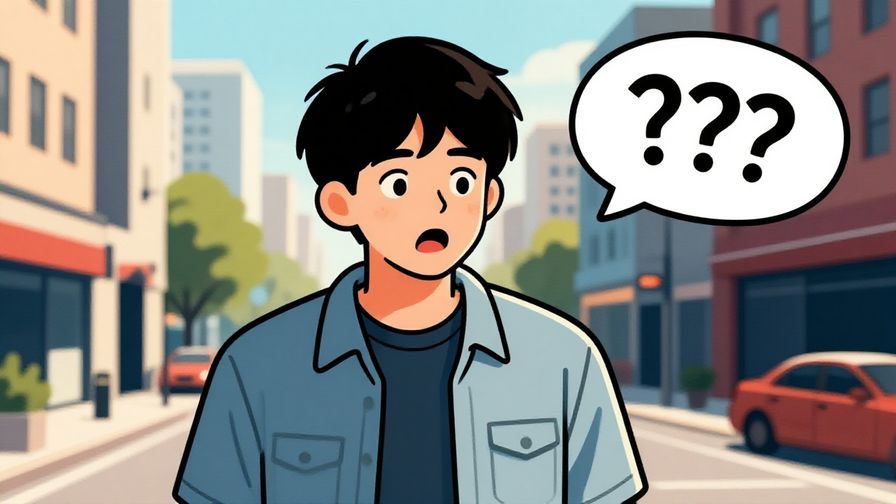
“マジで夢?” is a very casual and trendy way to say “Seriously, a dream?”
“マジで (maji de)” means “seriously” or “really,” often used by younger speakers.
It’s short, punchy, and perfect for texting or casual chat.
Great for moments when something unbelievable happens unexpectedly.
Watch out: it’s informal and slangy, so avoid using it in formal situations.
Try this one to sound like a native teenager or young adult!
19. 夢じゃん!(Yume jan!) – “It’s a dream!” (casual)

“夢じゃん!” is a casual, emphatic way to say “It’s a dream!”
“じゃん (jan)” is a casual sentence ending that adds emphasis, similar to “isn’t it!”
It’s short and very natural in everyday speech.
Perfect for expressing excitement with friends.
Because it’s informal, save it for casual conversations.
It’s a phrase that instantly makes your Japanese sound relaxed and native!
20. 夢かよ!(Yume kayo!) – “No way, it’s a dream!” (casual)
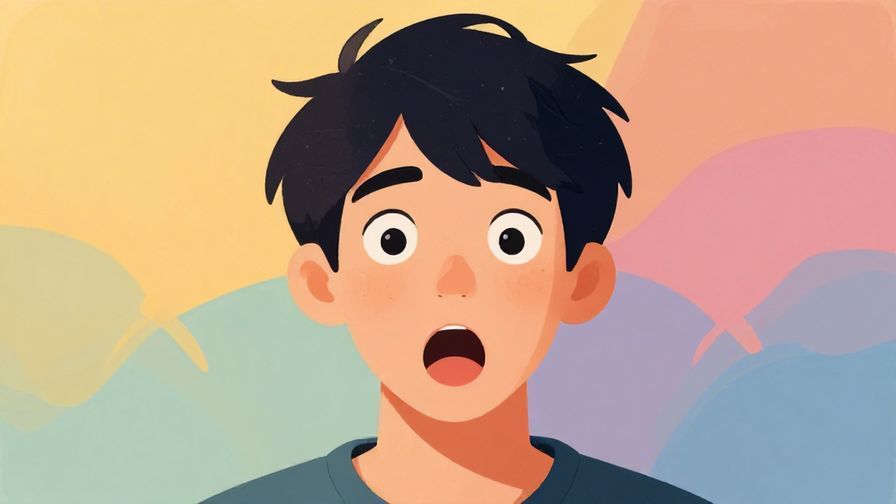
This expression means “No way, it’s a dream!” with a casual, surprised tone.
“かよ (kayo)” is a sentence ending that expresses disbelief or surprise.
It’s common among young people and in informal speech.
Use it when something unexpected and amazing happens.
It’s punchy and fun but not suitable for formal situations.
Use it to sound spontaneous and natural with friends!
21. ほんとに夢みたいだね!(Hontou ni yume mitai da ne!) – “It really feels like a dream, huh!” (casual)

This phrase means “It really feels like a dream, huh!” and is casual and friendly.
“ほんとに (hontou ni)” means “really,” and “だね (da ne)” adds a casual confirmation tone.
It’s great for sharing emotional moments with friends.
The phrase sounds warm and natural.
You can use it often in daily chats or texts.
It’s a perfect phrase to express heartfelt amazement informally!
22. 夢見てるみたい!(Yume miteru mitai!) – “It’s like I’m dreaming!” (casual)

This phrase means “It’s like I’m dreaming!” in an informal, upbeat way.
“夢見てる (yume miteru)” means “dreaming,” and “みたい (mitai)” means “like.”
It’s perfect for expressing joy and amazement in casual talk.
Its upbeat tone makes it great for happy or romantic moments.
Try it in conversations where you want to sound positive and lively.
This phrase is easy to remember and fun to say!
Concluding Thought
Exploring these 22 Japanese ways to say “Pinch me, I’m dreaming” is like opening a window into how culture shapes language and emotion.
Each phrase offers a unique flavor, whether you want to sound casual, polite, or completely native-like.
So go ahead, sprinkle these expressions into your conversations and enjoy the magical feeling of sharing your dreams with words!