22 Japanese ways to say “I’m on cloud nine”
Ever had one of those moments where you just feel like you’re walking on air? Like everything is perfect and your heart is bursting with joy? That’s what being “on cloud nine” means in English.
But did you know Japanese has so many colorful and expressive ways to say this feeling? From poetic to casual, there’s a phrase for every vibe.
Learning these expressions not only makes you sound more natural but also helps you connect deeper with Japanese culture and emotions.
In this list, I’m sharing 22 awesome Japanese ways to say “I’m on cloud nine,” complete with pronunciation guides and little tips to remember them easily.
Whether you’re chatting with friends or writing a heartfelt message, these phrases will add sparkle to your Japanese!
Let’s dive into the world of happiness in Japanese, one phrase at a time.
Feeling the Joy: How to Express “I’m on Cloud Nine” in Japanese
Expressing happiness or excitement in Japanese can be done in many ways, each with its own nuance.
Some are casual and fun, great for chatting with friends, while others are polite or poetic, perfect for more formal situations.
Picking up these expressions will boost your language skills and brighten your conversations.

Sometimes, using a great beginner phrasebook can give you a perfect starting point for a cohesive understanding.
These phrases will help you express your happiness in a way that feels natural and heartfelt.
Ready to feel the joy? Let’s get started!
Part 1: Casual Suggestions
1. 最高! (Saikou!) – “The best!”

“Saikou!” means “the best” or “awesome” and is perfect for expressing pure joy.
It’s super simple and widely used among friends when something great happens.
Try saying it when you’re thrilled about good news or a fun event.
It’s a quick way to say you’re on cloud nine without any fuss.
For example, after watching an amazing concert, you can say “Saikou!” to show your excitement.
This phrase instantly conveys your happiness and enthusiasm.
2. 幸せいっぱい (Shiawase ippai) – “Full of happiness”
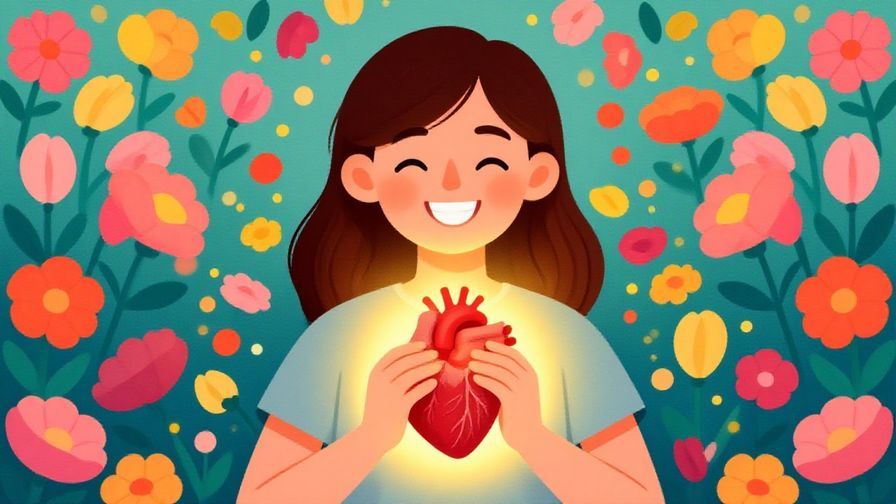
“Shiawase ippai” literally means “full of happiness.”
It’s a tender way to say you’re overwhelmed with joy and contentment.
Use it to describe moments when your heart feels really full.
It’s perfect for sharing moments of love or success.
For example, after a great date or achieving a goal, say “Shiawase ippai.”
This phrase helps you express deep, heartfelt happiness naturally.
3. うきうきする (Ukiuki suru) – “To feel excited”
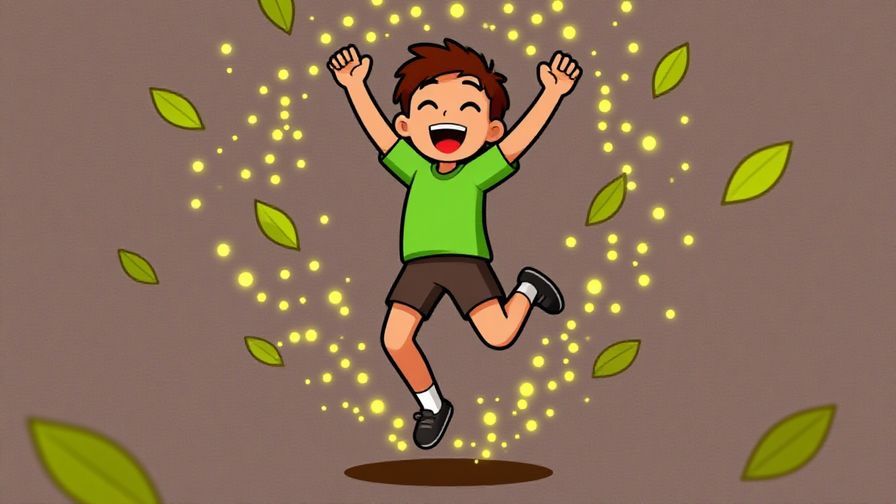
“Ukiuki suru” means feeling excited or bubbly inside.
This phrase mimics the light, floating feeling of happiness—just like being on cloud nine.
It’s casual and perfect for everyday happy moments.
Try using it when you’re anticipating something fun or feeling cheerful.
For example, “明日の旅行ですごくうきうきする!” (Ashita no ryokou de sugoku ukiuki suru!) means, “I’m super excited about tomorrow’s trip!”
It’s a lively way to share your joyful anticipation.
4. ニコニコしてる (Niko niko shiteru) – “Grinning happily”

“Niko niko” is the sound of smiling or grinning happily.
Adding “shiteru” turns it into “I’m smiling happily.”
It’s a cute, casual way to show you’re feeling really good.
Use it when you’re simply radiating joy without words.
For example, after hearing great news, you might say, “ずっとニコニコしてる!” (Zutto niko niko shiteru!) meaning “I’ve been smiling all along!”
This phrase paints a warm picture of your happiness.
5. ワクワクしてる (Waku waku shiteru) – “Excited and thrilled”

“Waku waku” is an onomatopoeia expressing excitement or thrill.
“Shiteru” means “doing” or “feeling,” so together it means “I’m excited.”
It’s great for moments when your heart is racing with happiness.
For example, “新しいゲームにワクワクしてる!” (Atarashii geemu ni waku waku shiteru!) means “I’m excited about the new game!”
This phrase is playful and very common in casual conversations.
Use it to show your lively anticipation and joy.
6. 夢見心地 (Yume mi gokochi) – “Like dreaming”

“Yume mi gokochi” means feeling like you’re dreaming.
It’s a poetic way to express bliss and happiness so strong it feels unreal.
Perfect when you want to describe a magical, euphoric moment.
For example, after a perfect day, say “今日は夢見心地だ!” (Kyou wa yume mi gokochi da!) meaning “Today feels like a dream!”
This phrase adds a beautiful, almost surreal touch to your happiness.
It’s great for writing or romantic moments.
7. 心が弾む (Kokoro ga hazumu) – “My heart is bouncing”
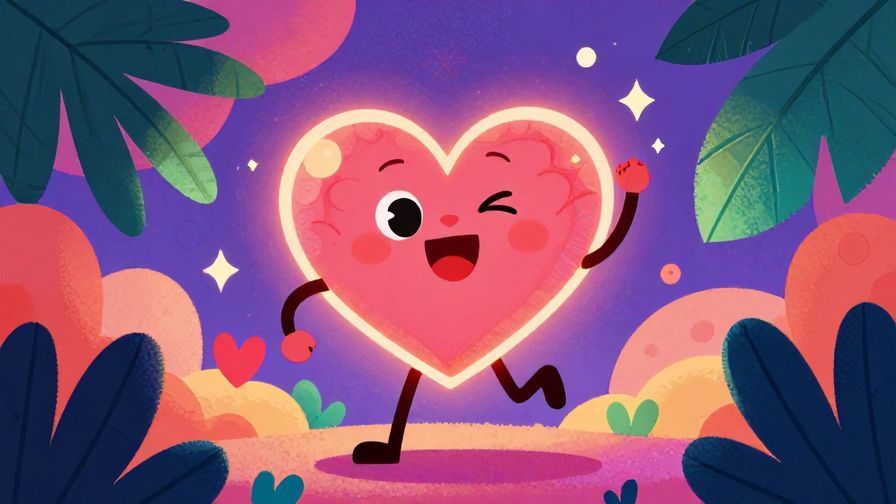
“Kokoro ga hazumu” means “my heart is bouncing.”
It’s a metaphor for feeling excited and happy inside.
Use it when your heart feels light and lively.
For example, “彼に会えて心が弾んだ。” (Kare ni aete kokoro ga hazunda.) means “Meeting him made my heart bounce.”
This phrase beautifully captures the feeling of inner joy and excitement.
It’s slightly poetic but used often in everyday speech.
8. 天にも昇る気持ち (Ten ni mo noboru kimochi) – “Feeling like rising to heaven”

This phrase literally means “feeling like rising to heaven.”
It’s a vivid way to say you’re on cloud nine or extremely happy.
Use it for very joyful, almost euphoric moments.
For example, “合格して天にも昇る気持ちだった。” (Goukaku shite ten ni mo noboru kimochi datta.) means “I felt like I was rising to heaven when I passed.”
This expression is poetic and heartfelt, great for writing or emotional situations.
It beautifully conveys a soaring sense of happiness.
Part 2: Polite & Formal Suggestions
9. とても嬉しいです (Totemo ureshii desu) – “I’m very happy”
“Totemo ureshii desu” is a polite way to say “I’m very happy.”
“Totemo” means “very,” “ureshii” means “happy,” and “desu” adds politeness.
Perfect for formal situations like work or meeting new people.
For example, after receiving good news at work, you can say this to show your happiness respectfully.
This phrase is clear, direct, and appropriate in any polite conversation.
It’s a great phrase to keep handy for formal expressions of joy.
10. とても感激しています (Totemo kangeki shiteimasu) – “I’m deeply moved”
“Totemo kangeki shiteimasu” means “I’m deeply moved.”
It shows a strong emotional happiness or gratitude.
Use it when you want to express heartfelt joy or appreciation politely.
For example, “皆様の支援にとても感激しています。” (Minasama no shien ni totemo kangeki shiteimasu.) means “I’m deeply moved by everyone’s support.”
This phrase is ideal for formal thank-you notes or speeches.
It conveys sincere, respectful happiness.
11. 心より嬉しく思います (Kokoro yori ureshiku omoimasu) – “I’m sincerely happy”
This phrase means “I’m sincerely happy from the heart.”
It’s a very polite and formal way to express deep happiness.
Use it in letters, speeches, or formal occasions.
For example, “この機会をいただき、心より嬉しく思います。” (Kono kikai wo itadaki, kokoro yori ureshiku omoimasu.) means “I’m sincerely happy to have this opportunity.”
It’s a refined phrase that shows genuine joy and gratitude.
Perfect for professional or ceremonial contexts.
12. 大変光栄です (Taihen kouei desu) – “It’s a great honor”
“Taihen kouei desu” means “It’s a great honor.”
This phrase expresses happiness mixed with humility and respect.
It’s often used when receiving praise or awards formally.
For example, “この賞をいただき、大変光栄です。” (Kono shou wo itadaki, taihen kouei desu.) means “I’m greatly honored to receive this award.”
It’s a polished phrase for professional settings.
Use it to convey proud but humble joy.
13. 嬉しく存じます (Ureshiku zonjimasu) – “I am happily aware”

“Ureshiku zonjimasu” is a very formal way to say “I’m happy.”
“Zonjimasu” is an honorific verb meaning “to think” or “to be aware.”
This phrase is often used in business letters or formal speeches.
For example, “ご協力いただき、嬉しく存じます。” (Gokyouryoku itadaki, ureshiku zonjimasu.) means “I’m happy for your cooperation.”
It’s a respectful and polished phrase.
Perfect for formal communication expressing happiness.
14. 喜ばしく思います (Yorokobashiku omoimasu) – “I feel joyful”

“Yorokobashiku omoimasu” means “I feel joyful.”
It’s a formal, elegant way to express happiness.
Use it in speeches or written messages when you want to sound heartfelt and polite.
For example, “皆様の成功を喜ばしく思います。” (Minasama no seikou wo yorokobashiku omoimasu.) means “I feel joyful about everyone’s success.”
This phrase conveys sincere and gracious joy.
It’s a great option for formal congratulations.
15. 幸せに思います (Shiawase ni omoimasu) – “I feel happy”

“Shiawase ni omoimasu” means “I feel happy.”
It’s polite and commonly used in formal contexts.
“Omoimasu” means “I think” or “I feel,” adding a respectful tone.
For example, “皆さんに会えて幸せに思います。” (Minasan ni aete shiawase ni omoimasu.) means “I feel happy to meet everyone.”
This phrase is humble and warm.
Use it to express polite happiness in formal situations.
16. 喜びで胸がいっぱいです (Yorokobi de mune ga ippai desu) – “My heart is full of joy”

This phrase means “My heart is full of joy.”
It’s formal but very expressive.
Use it when you want to convey deep happiness sincerely.
For example, “この賞を受けて喜びで胸がいっぱいです。” (Kono shou wo ukete yorokobi de mune ga ippai desu.) means “Receiving this award, my heart is full of joy.”
It’s a beautiful way to express overwhelming happiness.
Great for speeches and thank-you notes.
Part 3: Very Casual / Native-like Expressions
17. めっちゃ幸せ! (Meccha shiawase!) – “Super happy!”

“Meccha” is Kansai dialect for “very” or “super.”
“Shiawase” means “happy.” Together, it’s a casual, energetic way to say “super happy!”
Use it with friends or in informal chats.
For example, “合格してめっちゃ幸せ!” (Goukaku shite meccha shiawase!) means “I’m super happy I passed!”
This phrase feels friendly and authentic, perfect for casual conversation.
It’s a fun way to sound like a native speaker.
18. 最高にハッピー! (Saikou ni happii!) – “Happiest ever!”

“Saikou ni” means “to the highest degree.”
“Happii” is the English word “happy” adapted into Japanese pronunciation.
Together, it means “extremely happy” in a fun, casual way.
For example, “今日は最高にハッピー!” (Kyou wa saikou ni happii!) means “Today I’m the happiest!”
This phrase mixes Japanese and English for a trendy vibe.
It’s great for expressing big joy with a modern twist.
19. ほっこりする (Hokkori suru) – “To feel warm and happy”
“Hokkori suru” means feeling warm inside, often from something comforting or cute.
It’s a cozy kind of happiness, like being on cloud nine in a gentle way.
Use it when something makes you feel emotionally warm.
For example, “猫と遊んでほっこりする。” (Neko to asonde hokkori suru.) means “Playing with the cat makes me feel warm and happy.”
This phrase is very native and expresses a soft kind of joy.
Perfect for talking about heartwarming moments.
20. うれションしそう! (Ureshon shisou!) – “I might pee from happiness!”

“Ureshon” is a slang blend of “ureshii” (happy) and “shon” (pee sound).
“Shisou” means “might do.”
It humorously means “I might pee from happiness!”
Use it jokingly among close friends to show extreme excitement.
For example, “合格してうれションしそう!” (Goukaku shite ureshon shisou!) means “I’m so happy I might pee myself!”
This phrase is very casual and playful, so only use with good friends.
21. いい気分! (Ii kibun!) – “Good feeling!”
“Ii kibun” means “good feeling” and is a simple way to say you’re feeling great.
It’s casual and can be used anytime you feel happy or relaxed.
For example, “今日は本当にいい気分!” (Kyou wa hontou ni ii kibun!) means “I really feel great today!”
This phrase is easy to remember and very natural.
Use it to share your positive mood effortlessly.
It’s a versatile phrase for everyday happiness.
22. ハイテンション! (Hai tenshon!) – “High tension!” (meaning “super excited”)

“Hai tenshon” means “high tension,” borrowed from English to mean “super excited.”
It’s a very casual, fun way to say you’re buzzing with happiness.
For example, “パーティーでハイテンションだった!” (Paatii de hai tenshon datta!) means “I was super excited at the party!”
This phrase is playful and trendy.
Use it with friends to express your energetic joy.
It’s perfect for lively, happy moments.
Concluding Thought
What a joyful journey through the colorful ways to say “I’m on cloud nine” in Japanese!
From casual slang to formal expressions, these phrases open up new ways to express your happiness sincerely and vividly.
Next time you’re bursting with joy, try one of these phrases and watch your Japanese conversations come alive with emotion!