22 Japanese ways to say “Words can’t describe it”
Sometimes, feelings or moments hit you so deeply that words just don’t do them justice.
In Japanese, there are many beautiful ways to express that “words can’t describe it” — each with its own flair and nuance.
Whether you want to share awe, emotion, or amazement, these expressions can help you capture what’s beyond language.
Let’s dive into 22 Japanese phrases that show how the language expresses the indescribable in warm, relatable ways.
Learning these can add a special touch to your conversations and help you feel closer to the culture.
Ready to express the inexpressible? Let’s go!
Understanding the Nuances
Before we jump into the list, it’s good to know that Japanese often uses feelings and context to imply what’s hard to say out loud.
Many phrases are poetic or humble, reflecting the culture’s respect for subtlety and emotion.
Using these expressions can make your Japanese feel more natural and heartfelt.

If you want to get started smoothly, using a phrasebook focused on expressions can boost your confidence quickly.
And don’t worry, you don’t need to memorize all at once — just pick the ones that match your feelings!
Ready to sound like a native? Let’s start with some casual ways to say “words can’t describe it.”
Part 1: Casual Suggestions
1. 言葉にできない (Kotoba ni dekinai) – “Can’t put it into words.”

This is the most straightforward way to say “I can’t put it into words.”
言葉 (kotoba) means “words,” に (ni) is a particle indicating direction, and できない (dekinai) means “cannot do.” Put together, it literally means “cannot make into words.”
It’s great for expressing strong emotions or moments when you’re speechless.
Keep this phrase in your pocket for those jaw-dropping experiences.
You can also say 言葉がない (kotoba ga nai), meaning “there are no words.”
It’s simple but powerful, perfect for daily use when something moves you deeply.
2. 何と言っていいかわからない (Nan to itte ii ka wakaranai) – “I don’t know what to say.”

This phrase literally means “I don’t know what’s good to say.”
何と言っていいか (nan to itte ii ka) means “what to say is good,” and わからない (wakaranai) means “don’t understand.”
It’s a humble and natural way to admit you’re at a loss for words.
It works well in conversations where you want to sound thoughtful but unsure.
Try using this when you feel overwhelmed or deeply touched.
It’s a great phrase to express sincerity without overdoing it.
3. 言い表せない (Iiarawasenai) – “Can’t express it.”

言い表せない (iiarawasenai) is a polite way to say “unable to express.”
言い表す (iiarawasu) means “to express,” and ない (nai) is the negative form.
It’s a bit more formal than the first two but still casual enough for everyday talk.
This phrase fits when feelings are too deep or complex to put into simple words.
It’s handy for writing or speaking about emotional topics.
Pair it with moments when you want to sound reflective and sincere.
4. どう表現していいかわからない (Dō hyōgen shite ii ka wakaranai) – “I don’t know how to express it.”

This phrase means “I don’t know how to express it properly.”
どう (dō) means “how,” 表現 (hyōgen) means “expression,” していいか (shite ii ka) means “is it okay to do,” and わからない (wakaranai) means “don’t know.”
It’s perfect when you want to admit you can’t find the right way to say something.
It’s a thoughtful phrase that shows humility and honesty.
Great for deep conversations or when reflecting on complex feelings.
Use it to show that you’re trying but the words just don’t come.
5. 言葉に詰まる (Kotoba ni tsumaru) – “Words get stuck.”
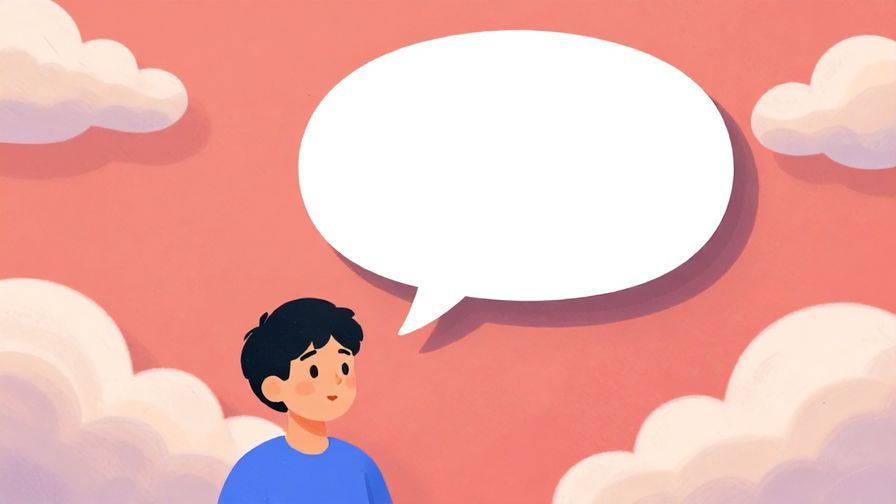
言葉に詰まる (kotoba ni tsumaru) literally means “words get stuck.”
詰まる (tsumaru) means “to be clogged or stuck.”
This phrase highlights the moment when you try to speak but can’t find the words.
It’s a relatable way to express hesitation or emotional overwhelm.
Perfect for conversations about emotional or challenging topics.
It adds a natural touch to your speech when words fail you.
6. 言葉が足りない (Kotoba ga tarinai) – “Words aren’t enough.”

This phrase means “words are insufficient.”
足りない (tarinai) means “not enough.”
It’s a humble way to say your feelings or thoughts can’t be fully captured by language.
Use it to express deep gratitude, love, or awe.
It’s practical for both spoken and written Japanese.
Try it when you want to keep it simple but meaningful.
7. 言葉にならないほど (Kotoba ni naranai hodo) – “So much that it can’t become words.”
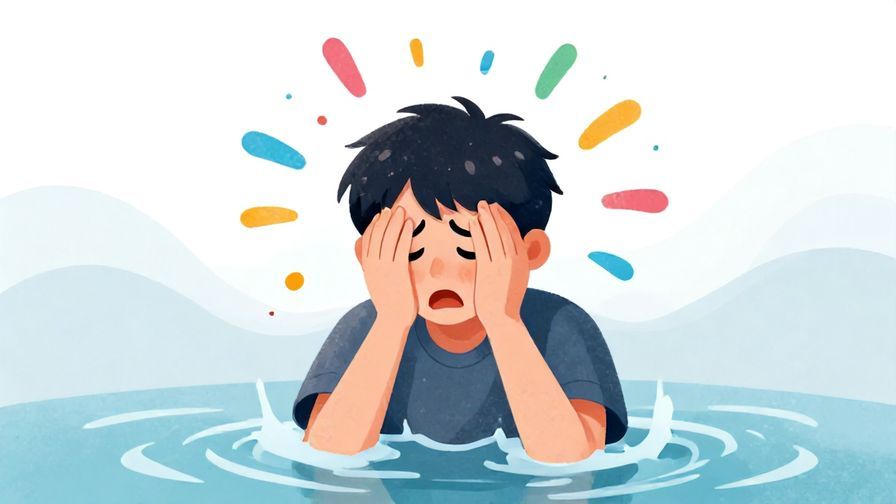
This phrase adds intensity, meaning “to the extent that it can’t be put into words.”
にならない (ni naranai) means “doesn’t become,” and ほど (hodo) means “to the extent.”
It’s a poetic and strong way to express indescribable feelings.
Great for writing poetry, letters, or heartfelt messages.
You can use it to emphasize just how deep your feelings are.
This one sounds natural and very expressive in Japanese.
8. 表現できない (Hyōgen dekinai) – “Can’t express.”

表現できない (hyōgen dekinai) is another way to say “can’t express.”
表現 (hyōgen) means “expression,” and できない (dekinai) means “can’t do.”
It’s straightforward and works well in formal and informal contexts.
Use it when words or actions just don’t seem enough.
Good for creative or emotional situations.
Keeps your message clear and sincere.
Part 2: Polite & Formal Suggestions
9. 言葉では言い表せない (Kotoba de wa ii arawasenai) – “Can’t express with words.”
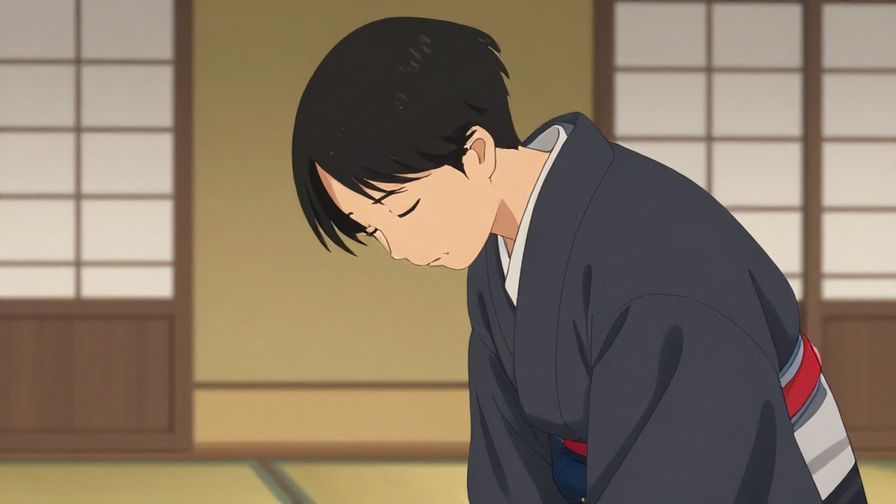
This phrase is polite and often used in speeches or formal writing.
言葉では (kotoba de wa) means “with words,” and 言い表せない (iiarawasenai) means “can’t express.”
It’s perfect for showing deep respect or emotion in a formal setting.
Try this in thank-you notes or public speaking.
It shows you value the moment and the people involved.
Using it adds a refined touch to your Japanese.
10. 何とも言えません (Nantomo iemasen) – “I can’t say anything.”

何とも言えません (nantomo iemasen) literally means “I can’t say anything.”
It’s a humble, polite way to express that words don’t capture your feelings.
Often used in formal or delicate conversations.
It’s useful when you want to avoid exaggeration but still express depth.
Pair it with a gentle tone for best effect.
Perfect for professional or respectful settings.
11. 言葉を失う (Kotoba o ushinau) – “To lose words.”

言葉を失う (kotoba o ushinau) means “to lose words,” or be at a loss for words.
It’s a polished expression often used in writing or formal speech.
Use it when you want to describe shock, awe, or deep emotion.
It’s a bit dramatic but very effective.
Great for describing life-changing or breathtaking moments.
It adds a poetic flair to your Japanese.
12. 形容し難い (Keiyō shigatai) – “Hard to describe.”

形容し難い (keiyō shigatai) means “difficult to describe.”
形容 (keiyō) means “description,” and 難い (gatai) means “difficult.”
This is a refined way to say something is beyond easy explanation.
It’s perfect for formal essays or thoughtful conversations.
Use it for things that are mysterious, beautiful, or complicated.
It sounds intellectual and respectful.
13. 言葉に表せない思い (Kotoba ni arawasenai omoi) – “Feelings that can’t be expressed in words.”
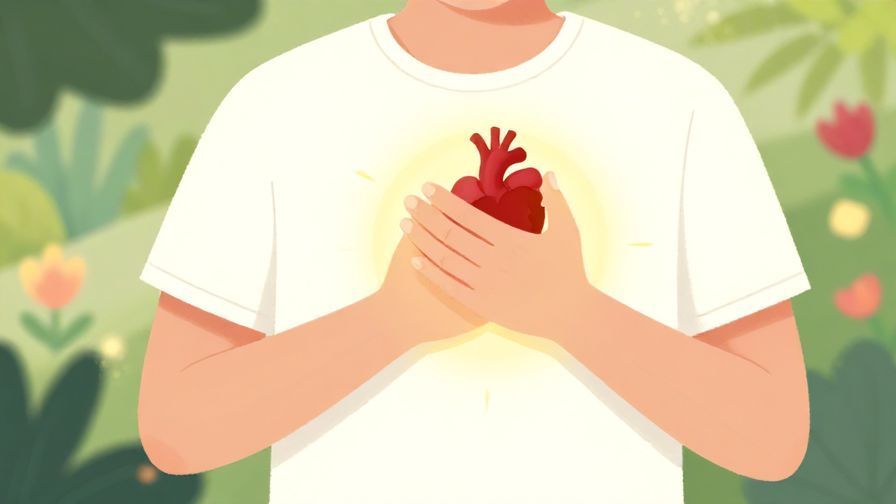
This phrase adds emotion with 思い (omoi), meaning “feelings” or “thoughts.”
It literally means “feelings that cannot be expressed in words.”
Great for heartfelt letters or speeches.
It conveys deep emotion clearly and elegantly.
Use it when words alone just don’t cut it.
It’s a beautiful, poetic expression.
14. 言葉に尽くせない (Kotoba ni tsukusenai) – “Words can’t exhaust it.”

言葉に尽くせない (kotoba ni tsukusenai) means “can’t be fully expressed by words.”
尽くせない (tsukusenai) means “unable to exhaust or cover.”
It’s a poetic way to express overwhelming feelings or gratitude.
Ideal for formal cards or speeches.
It shows your emotions are too big to contain.
Use it to impress with your depth of feeling.
15. 口にできない (Kuchi ni dekinai) – “Can’t say it out loud.”

口にできない (kuchi ni dekinai) literally means “can’t put into mouth,” or figuratively “can’t say.”
It’s a humble and gentle way to express something too sensitive or emotional to voice.
Use it in personal or polite conversations.
It’s often used for secrets or deep feelings.
This phrase shows restraint and respect.
Try it when you want to be subtle but honest.
16. 言葉もない (Kotoba mo nai) – “No words either.”

言葉もない (kotoba mo nai) means “there are no words either.”
も (mo) adds emphasis, like “also” or “even.”
It’s concise and effective for moments of awe or shock.
Use it when you want to express being truly speechless.
It sounds natural in both spoken and written Japanese.
Great for emotional or surprising situations.
Part 3: Very Casual / Native-like Expressions
17. 言葉に詰まっちゃう (Kotoba ni tsumacchau) – “Words get stuck” (casual, with nuance)
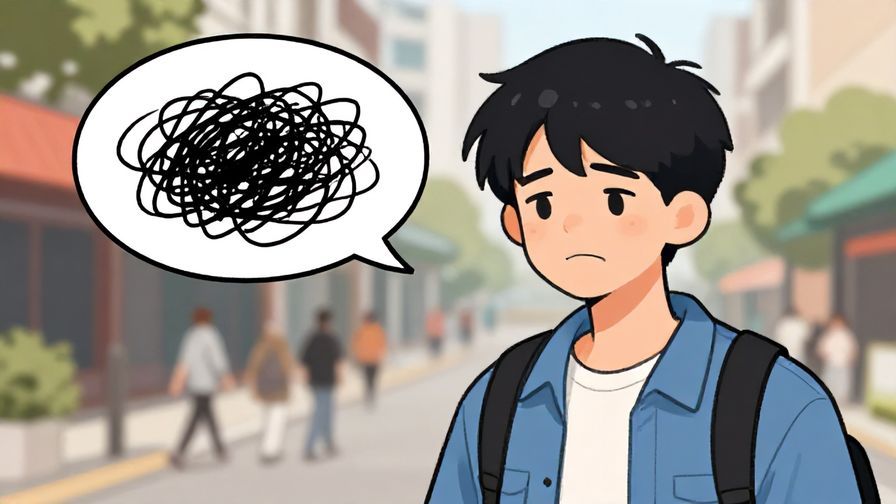
This is the casual version of 言葉に詰まる, adding ちゃう (chau) which softens and makes it more conversational.
It’s often used among friends when you’re shy or overwhelmed.
This phrase makes your Japanese sound natural and relaxed.
Great for everyday chats about emotional moments.
Use it to show vulnerability in a friendly way.
It’s perfect for sounding like a native speaker.
18. なんて言ったらいいかわかんない (Nante ittara ii ka kannnai) – “Don’t know what to say” (very casual)

This is a super casual, spoken form of 何と言っていいかわからない.
It’s great for texting or speaking with close friends.
Just break it down: なんて (nante) “what,” 言ったら (ittara) conditional form of “say,” いい (ii) “good,” かわかんない (kannnai) casual “don’t know.”
It feels spontaneous and natural.
Try it when you want to sound friendly and informal.
This phrase is perfect for casual, heartfelt moments.
19. うまく言えない (Umaku ienai) – “Can’t say it well.”

うまく言えない means “can’t say it well.”
うまく (umaku) means “well,” and 言えない (ienai) means “can’t say.”
It’s casual and often used when you want to admit your words aren’t perfect.
Good for situations where you feel shy or uncertain.
It’s an honest phrase that shows effort.
Use it to sound humble and relatable.
20. 何も言えない (Nani mo ienai) – “Can’t say anything.”

何も言えない means “can’t say anything.”
何も (nani mo) means “nothing,” and 言えない (ienai) means “can’t say.”
It’s a casual way to express being at a loss for words.
Use it in emotional or surprising moments.
It’s simple but effective.
Perfect for everyday conversation.
21. もう言葉が出ない (Mō kotoba ga denai) – “No words come out anymore.”

もう言葉が出ない means “no words come out anymore.”
もう (mō) means “already,” 言葉が (kotoba ga) “words,” and 出ない (denai) “don’t come out.”
It’s a poetic and casual way to say you’re speechless.
Use it when overwhelmed by emotion or beauty.
It’s very natural and expressive.
Great for storytelling or sharing experiences.
22. 言葉じゃ言い表せない (Kotoba ja ii arawasenai) – “Can’t express with words” (casual version)

This is a casual variant of the polite form, using じゃ (ja) instead of では (de wa).
It’s easy to say and sounds warm and natural.
Great for everyday conversations about feelings or experiences.
Use it to share moments that touch your heart.
It’s friendly, clear, and heartfelt.
Try it to express your emotions simply and beautifully.
Concluding Thought
Japanese has a rich palette of expressions for those moments when words fall short.
Whether casual, polite, or poetic, these phrases help you connect deeply and honestly.
Keep these phrases in mind and don’t be afraid to use them — sometimes, the best words are the ones that admit there are no words.