22 Japanese ways to say “I will overcome”
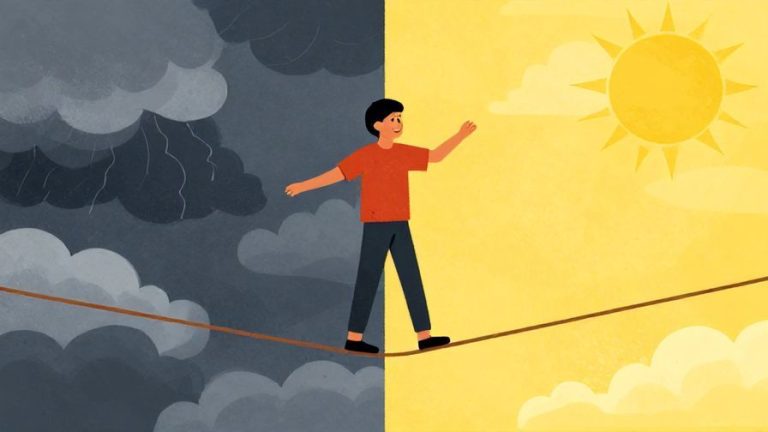
Sometimes, life throws us curveballs, and we need to remind ourselves that we can overcome anything.
Learning how to say “I will overcome” in Japanese is not just about language—it’s about embracing resilience and hope.
Japanese offers many beautiful ways to express determination, each carrying a slightly different shade of meaning.
Whether you’re facing challenges at work, school, or in your personal life, these phrases can empower you to keep pushing forward.
Exploring these expressions will also deepen your understanding of Japanese culture and the spirit of perseverance.
Ready to add some inspiring Japanese phrases to your vocabulary? Let’s dive into 22 warm and relatable ways to say “I will overcome.”
Understanding the Nuance
Before we jump into the phrases, it’s good to know that Japanese often conveys emotions and intentions with subtlety.
Many expressions for “I will overcome” reflect courage, hope, or a promise to keep trying, rather than just a direct statement.
This variety lets you pick the perfect phrase depending on how formal or casual the situation is.

If you want to explore more, a handy Japanese language learning book can offer great examples and practice exercises.
With the right tools, mastering these phrases becomes a fun and motivating journey.
Remember, every phrase you learn is a step toward expressing your unique voice in Japanese.
Part 1: Casual Suggestions
1. 乗り越えるよ (Norikoeru yo) – “I will overcome.”

This is a straightforward and casual way to say “I will overcome.”
乗り越える (norikoeru) means “to overcome” or “to get over” something, and adding よ (yo) gives it a friendly, confident tone.
Using this phrase shows you’re ready to face challenges head-on.
It’s simple but powerful—perfect for encouraging yourself or friends.
If you want to sound even more casual, dropping the よ is fine among close friends.
Keep it handy whenever you need a quick boost of confidence!
2. がんばるね (Ganbaru ne) – “I’ll do my best.”

がんばる (ganbaru) is a classic Japanese word meaning “to do your best” or “to persevere.”
Adding ね (ne) makes it softer, like you’re reassuring yourself or someone else.
This phrase is great for casual conversations when you want to express determination without sounding too formal.
It’s widely used in everyday life, so you’ll hear it a lot in Japan.
Just remember, it’s about effort, not perfection—so it’s very encouraging.
Try saying it when you start a new task or challenge to set your mindset.
3. 負けないよ (Makenai yo) – “I won’t lose.”

負けない (makenai) literally means “not lose” or “won’t be defeated.”
Adding よ (yo) again adds a friendly emphasis to your statement.
This phrase conveys a strong spirit of refusal to give up.
It’s perfect for moments when you want to affirm your inner strength.
Be careful not to sound too confrontational; it’s best used with people who appreciate your resolve.
Use it when you need that extra push to stay strong.
4. なんとかするよ (Nantoka suru yo) – “I’ll manage somehow.”

This phrase has a casual, hopeful feel: なんとかする means “to manage somehow” or “to find a way.”
It reflects a flexible attitude toward overcoming challenges.
People use it when they’re unsure but determined to figure things out.
It’s less formal and more conversational, perfect for daily chats.
It can be reassuring to yourself or others when facing uncertainty.
Try it when you want to sound positive but realistic.
5. 大丈夫、やるよ (Daijoubu, yaru yo) – “It’s okay, I’ll do it.”

大丈夫 (daijoubu) means “it’s okay” or “I’m okay,” and やる (yaru) means “to do” or “to take on.”
Together, this phrase reassures both you and others that you’re ready to handle the challenge.
It’s casual and warm, great for friendly encouragement.
Use it to express confidence without sounding boastful.
It’s also a natural way to accept a challenge with a smile.
Perfect for everyday motivation and support.
6. 諦めないよ (Akiramenai yo) – “I won’t give up.”

諦めない (akiramenai) is a strong phrase meaning “won’t give up” or “won’t quit.”
It’s a heartfelt way to express your determination to keep going despite difficulties.
Adding よ (yo) keeps it friendly and personal.
This phrase can be very encouraging to yourself or others.
It’s often said in moments when you need extra courage.
Keep this phrase close for those tough days!
7. 乗り越えてみせる (Norikoete miseru) – “I will definitely overcome.”

乗り越えて (norikoete) is the te-form of 乗り越える (norikoeru), meaning “to overcome.”
見せる (miseru) means “to show,” so together this phrase means “I’ll show I can overcome.”
It’s a confident promise to prove your strength.
Great for inspiring others or boosting your own morale.
This phrase sounds a bit more determined and assertive than just 乗り越えるよ.
Use it when you want to emphasize your firm commitment.
8. まだまだいけるよ (Madamada ikeru yo) – “I can still make it.”

まだまだ (madamada) means “still more” or “not yet,” and いける (ikeru) means “can go” or “can make it.”
Together, it expresses the idea that you still have strength and energy to overcome.
This phrase is optimistic and casual, perfect for informal conversations.
You can use it to encourage yourself when feeling tired.
It’s a great way to say “I’m not done yet!” in a cheerful way.
Try it after a setback to remind yourself there’s more to come.
Part 2: Polite & Formal Suggestions
9. 乗り越えます (Norikoemasu) – “I will overcome.” (polite)

This is the polite form of 乗り越える (norikoeru), suitable for formal or respectful settings.
Adding ます (masu) makes it polite and appropriate for work or new acquaintances.
It’s a clear and respectful way to express your determination.
Perfect when speaking to teachers, bosses, or in formal conversations.
Use it when you want to be both humble and strong.
It’s a phrase to keep in your formal vocabulary arsenal.
10. 諦めません (Akiramenmasen) – “I will not give up.” (polite)

The polite negative form of 諦める (akirameru), meaning “to give up.”
This phrase politely but firmly states you won’t quit.
It’s ideal for formal letters, speeches, or serious conversations.
Make sure to pronounce the ません (masen) ending clearly for politeness.
It’s a respectful way to show your perseverance in difficult situations.
Great for professional or academic settings.
11. 克服します (Kokufuku shimasu) – “I will conquer/overcome.” (polite)

克服 (kokufuku) means “conquest” or “overcoming obstacles.”
Adding します (shimasu) makes it polite and active.
This phrase has a strong, formal tone, often used in speeches or presentations.
It sounds confident and capable, perfect for serious declarations.
Use this when you want to show you will not just survive but conquer challenges.
It’s a great phrase for moments when you want to sound professional yet passionate.
12. 何とかします (Nantoka shimasu) – “I will manage somehow.” (polite)

The polite form of なんとかする, meaning “to manage somehow.”
This phrase is polite but still expresses a flexible, problem-solving attitude.
It’s useful when you want to promise effort without guaranteeing perfection.
Perfect for business or polite conversation when unsure but committed.
It shows humility and determination at the same time.
Great for balancing hope and realism formally.
13. 頑張ります (Ganbarimasu) – “I will do my best.” (polite)
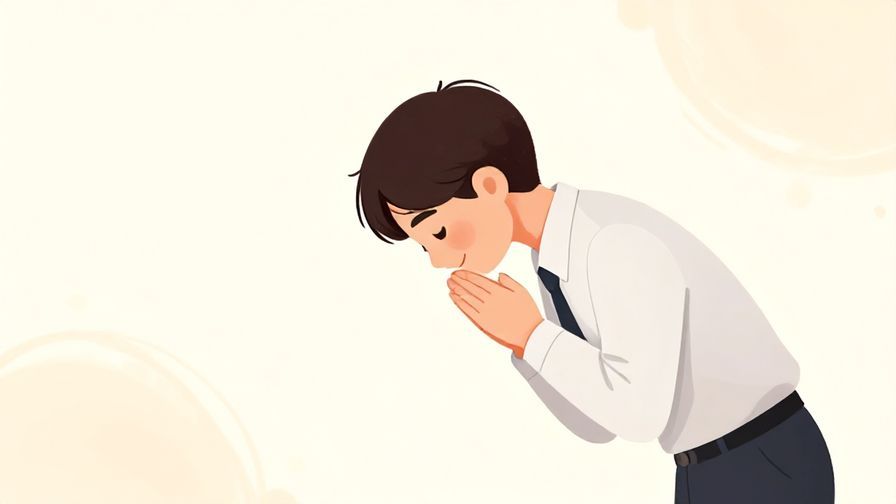
The polite form of がんばる (ganbaru), a very common expression of effort.
Use this phrase in formal or semi-formal contexts to express your commitment.
It’s respectful and motivational, appropriate for work or study settings.
Remember that it focuses on trying hard, not just winning.
It’s a phrase that shows humility and strong will.
Keep this handy for interviews, meetings, or new experiences.
14. 挑戦します (Chousen shimasu) – “I will challenge (and overcome).” (polite)
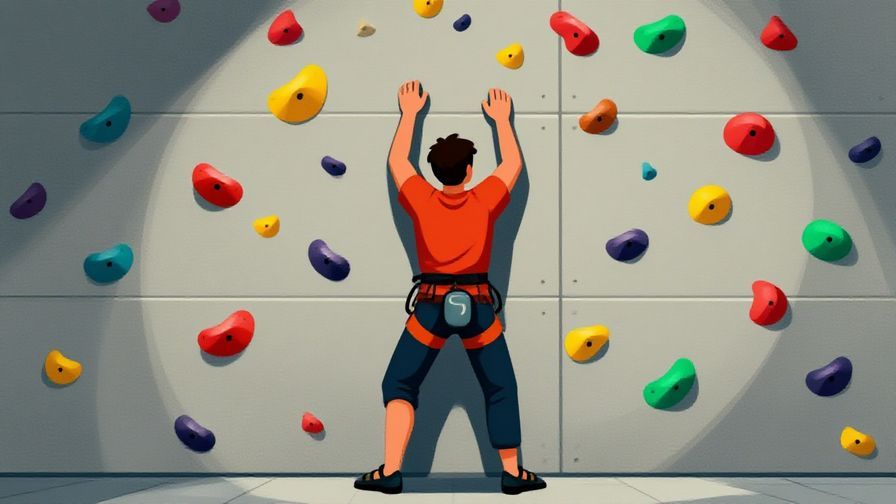
挑戦 (chousen) means “challenge” or “attempt.”
Using 挑戦します (chousen shimasu) expresses your intention to take on and overcome challenges.
This phrase is polite and formal, often used in business or ambitious contexts.
It shows you’re not afraid to face difficulties head-on.
Great for speeches or when explaining your goals.
Use it to inspire confidence in your determination.
15. 克服いたします (Kokufuku itashimasu) – “I will humbly overcome.” (very polite)

This is a very polite and humble form of 克服します (kokufuku shimasu).
It’s suitable for formal speeches, letters, or when showing deep respect.
Using いたします (itashimasu) adds humility to the strong statement of overcoming.
Perfect for formal business or ceremonial contexts.
It’s a powerful way to show your commitment with respect.
Use this phrase when you want to balance strength and humility.
16. 忍耐します (Nintai shimasu) – “I will endure/persist.” (polite)

忍耐 (nintai) means “endurance” or “patience.”
忍耐します (nintai shimasu) politely expresses your intention to persist through hardship.
This phrase is more about steady perseverance than active conquering.
It’s great for formal contexts where patience is valued.
Use it when you want to emphasize long-term resilience.
Perfect for situations requiring calm and steady effort.
Part 3: Very Casual / Native-like Expressions
17. やっちゃうよ (Yacchau yo) – “I’ll get it done.”

This phrase is very casual and energetic, meaning “I’ll do it” or “I’ll get it done.”
やっちゃう (yacchau) is a slangy form of “do” with a fun tone.
Adding よ (yo) gives a friendly, confident push.
It’s great for close friends or informal situations.
Use it when you want to sound lively and motivated.
It’s a native-like way to express determination without being serious.
18. へこたれないよ (Hekotarenai yo) – “I won’t get discouraged.”
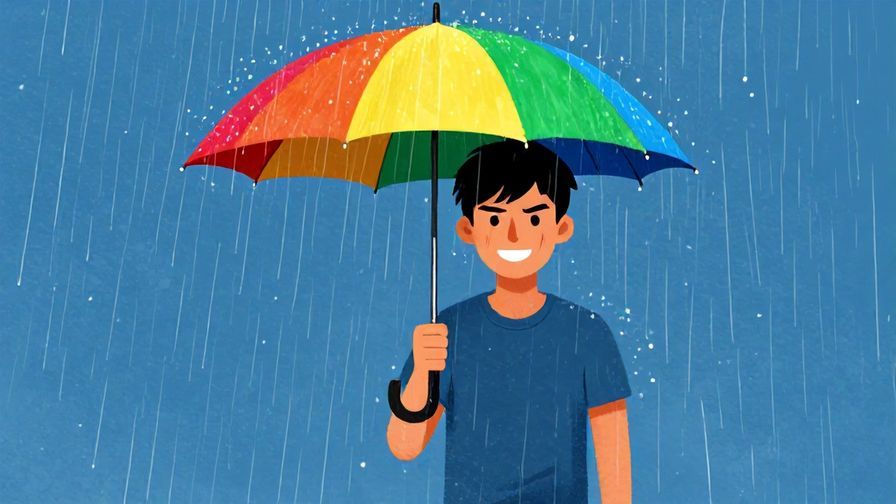
へこたれる (hekotareru) means “to get discouraged” or “to give up.”
へこたれないよ (hekotarenai yo) is a casual, spirited way to say “I won’t be defeated emotionally.”
It’s perfect for expressing mental toughness in everyday talk.
Use this phrase to encourage yourself or friends to keep going.
It’s less formal but very impactful and relatable.
Try it when you want to sound strong but friendly.
19. なんとかなるさ (Nantoka naru sa) – “It’ll work out somehow.”

なんとかなる (nantoka naru) means “it will somehow work out.”
Adding さ (sa) adds a casual, confident flair.
This phrase shows an easygoing, hopeful attitude toward overcoming challenges.
It’s great for casual chats or when reassuring someone.
Use it when you want to express faith in positive outcomes.
It’s a simple but powerful way to stay optimistic.
20. やり切るよ (Yarikiru yo) – “I’ll see it through.”
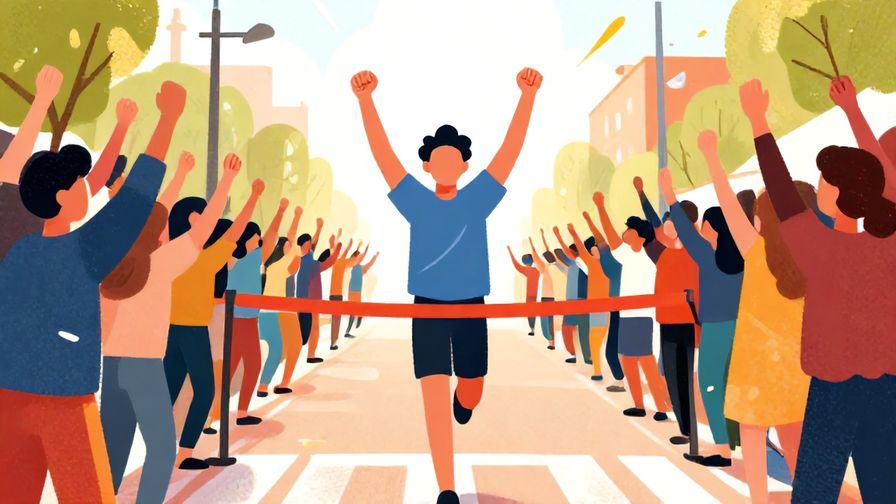
やり切る (yarikiru) means “to do something completely” or “to see it through.”
Adding よ (yo) makes it a confident promise.
This phrase expresses a strong will to finish what you started.
It’s casual but very determined.
Use it when you want to show you won’t quit halfway.
Perfect for motivating yourself or others.
21. 立ち向かうよ (Tachimukau yo) – “I will face (it) head-on.”

立ち向かう (tachimukau) means “to confront” or “to face” something directly.
Adding よ (yo) adds friendly emphasis.
This phrase shows your courage to confront difficulties.
It’s great for casual or semi-formal conversations.
Use it when you want to express bravery in overcoming challenges.
It’s a powerful, vivid way to say “I will overcome.”
22. 諦めないってば (Akiramenai tte ba) – “I’m telling you, I won’t give up.”

This phrase is very casual and expressive, combining 諦めない (akiramenai) with ってば (tte ba), which adds emphasis like “I’m telling you.”
It’s often used in friendly or playful contexts to stress determination.
This gives your statement a native, conversational feeling.
Use it when you want to sound both determined and approachable.
It’s a fun phrase to show your spirit with personality.
Perfect for close friends or casual encouragement.
Concluding Thought
Exploring these 22 Japanese ways to say “I will overcome” reveals the rich nuances of language and culture.
Each phrase carries its own warmth, strength, and style, giving you many ways to express your determination.
So next time life challenges you, pick the phrase that feels just right—and say it with confidence. You’ve got this!