22 Japanese ways to say “Today is a good day to die”
Sometimes, you just want to say “Today is a good day to die” in Japanese with a bit of flair and nuance. It’s a phrase that carries courage and acceptance, perfect for moments of boldness or deep reflection.
In this list, we’ll explore 22 ways to express that sentiment in Japanese. From poetic to casual, formal to native-like, you’ll find variations that suit different moods and contexts.
Each phrase comes with pronunciation guides and simple explanations so you can say them confidently and understand their meaning.
It’s a fun and warm way to dive into the language and culture, while embracing a powerful phrase that’s often linked to samurai spirit and living life fully.
Plus, you’ll get some tips on how to use each expression naturally, making your Japanese sound more authentic.
Ready to explore? Let’s get started on this linguistic journey!
Understanding the Phrase
The phrase “Today is a good day to die” in Japanese can be expressed in many ways, depending on tone and formality.
Some versions feel poetic and solemn, while others sound casual or even playful. It’s useful to know different options so you can match your mood or audience.
Knowing these variations also helps you appreciate the cultural depth behind such an intense phrase.

Sometimes starting with a great phrasebook of idioms and expressions can give you a deeper grasp of emotional nuance in Japanese.
With that in mind, let’s jump into the first part: casual ways to say this powerful phrase.
Casual expressions are great for friends or informal moments where you want to sound natural and relaxed.
Part 1: Casual Suggestions
1. 今日が死ぬのにいい日だ (Kyou ga shinu no ni ii hi da) – “Today is a good day to die.”

This is a direct and casual way to say “Today is a good day to die.”
“今日 (Kyou)” means “today,” “死ぬ (shinu)” means “to die,” “いい日 (ii hi)” means “good day,” and “だ (da)” is the casual copula “is.”
It’s straightforward and easy to remember, perfect for beginners who want the literal phrase.
Use it when you want to express readiness or acceptance in a simple way.
It’s similar to the English phrase but feels more narrative in Japanese.
Try saying it out loud to get comfortable: kyo-u ga shi-nu no ni ii hi da.
2. 今日こそ死ぬべき日だ (Kyou koso shinu beki hi da) – “Today is the day I should die.”
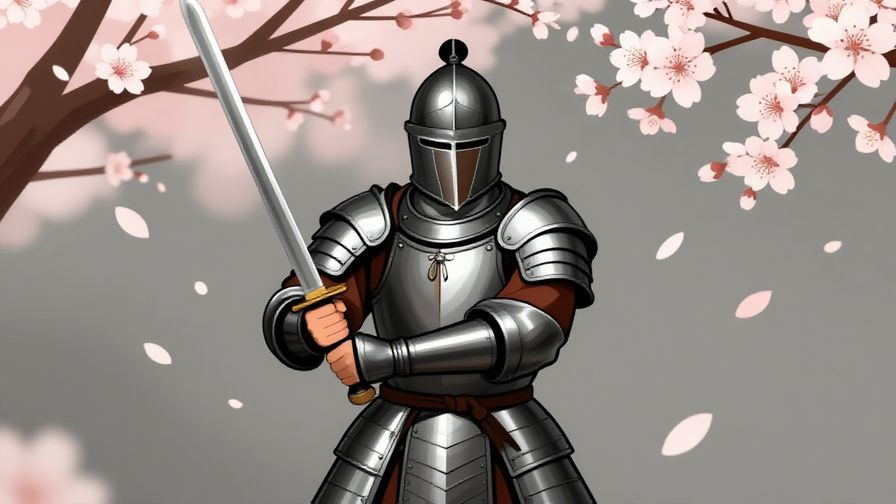
This phrase adds a sense of destiny or obligation with “こそ (koso),” which emphasizes “today.”
“べき (beki)” means “should” or “ought to,” adding a layer of determination or duty.
It’s a bit stronger and more poetic than the first phrase.
Use it for moments when you want to sound resolute and serious.
Practice with: kyo-u ko-so shi-nu be-ki hi da.
This phrase echoes samurai spirit where dying at the right time is honorable.
3. 今日が死ぬにふさわしい日だ (Kyou ga shinu ni fusawashii hi da) – “Today is a worthy day to die.”

Here, “ふさわしい (fusawashii)” means “worthy” or “appropriate,” giving a respectful tone.
This phrase feels thoughtful and solemn.
It’s perfect if you want to convey honor and acceptance gracefully.
Say it like: kyo-u ga shi-nu ni fu-sa-wa-shii hi da.
It’s a beautiful way to express readiness with dignity.
Try pairing it with reflective moments or poetry.
4. 今日死ぬのにちょうどいい日だ (Kyou shinu no ni choudo ii hi da) – “Today is just the right day to die.”

“ちょうどいい (choudo ii)” means “just right,” making this phrase casual but thoughtful.
It’s a slightly lighter way to say the phrase, with a hint of acceptance.
Great for informal conversations where you want to sound natural but deep.
Pronounce: kyo-u shi-nu no ni cho-u-do ii hi da.
Easy to remember because of the common phrase “choudo ii.”
It adds a comforting vibe to a heavy phrase.
5. 今日が死ぬに完璧な日だ (Kyou ga shinu ni kanpeki na hi da) – “Today is a perfect day to die.”

“完璧な (kanpeki na)” means “perfect,” giving this phrase an optimistic spin.
This is a positive and powerful way to say it, suggesting readiness with peace.
Say it: kyo-u ga shi-nu ni kan-pe-ki na hi da.
It’s memorable because “kanpeki” is a familiar word for perfection.
Try it when you want to sound bold yet calm.
It’s great for motivational moments too.
6. 今日死んでも悔いはない (Kyou shinde mo kui wa nai) – “Even if I die today, I have no regrets.”

This phrase shifts focus from “good day to die” to “no regrets about dying today.”
“死んでも (shinde mo)” means “even if I die,” and “悔いはない (kui wa nai)” means “no regrets.”
It’s heartfelt and often used in emotional or pivotal moments.
Pronounce: kyo-u shin-de mo ku-i wa na-i.
Great for expressing acceptance and peace of mind.
It’s a good phrase to practice for emotional depth.
7. 今日が命の終わりにふさわしい日 (Kyou ga inochi no owari ni fusawashii hi) – “Today is a worthy day for life’s end.”

This one is poetic and slightly more formal, focusing on “life’s end” instead of just “die.”
“命の終わり (inochi no owari)” means “end of life,” and “ふさわしい (fusawashii)” means “worthy.”
Say: kyo-u ga i-no-chi no o-wa-ri ni fu-sa-wa-shii hi.
Perfect for thoughtful conversations or literary uses.
It’s a respectful way to express acceptance of death.
Try it to deepen your Japanese vocabulary.
8. 今日こそ死ぬべき時だ (Kyou koso shinu beki toki da) – “Today is the very time to die.”

This phrase is similar to #2 but uses “時 (toki)” meaning “time,” making it sound even more like a moment of destiny.
“こそ (koso)” emphasizes “today,” and “べき (beki)” adds obligation.
Pronounce: kyo-u ko-so shi-nu be-ki to-ki da.
Great for dramatic or historic flavor.
It’s often used in stories or movies to evoke samurai spirit.
Practice it when you want to sound strong and poetic.
Part 2: Polite & Formal Suggestions
9. 本日、死ぬには良き日でございます (Honjitsu, shinu ni wa yoki hi de gozaimasu) – “Today is a good day to die” (very formal)
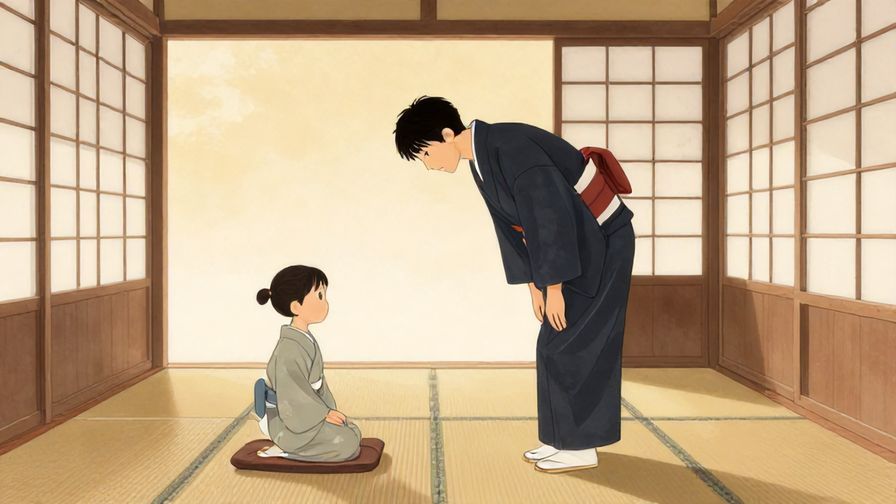
This is an extremely polite, formal way to say the phrase.
“本日 (honjitsu)” is a formal word for “today,” and “ございます (gozaimasu)” is a formal verb ending.
It’s suitable for respectful speech or ceremonial contexts.
Pronounce: hon-ji-tsu shi-nu ni wa yo-ki hi de go-za-i-ma-su.
Not common in casual talk but great to know for formal writing or speeches.
Try it if you want to impress with respectful language.
10. 今日死ぬのは名誉な日です (Kyou shinu no wa meiyo na hi desu) – “Today is an honorable day to die.”
“名誉 (meiyo)” means “honor,” making this phrase formal and respectful.
“です (desu)” adds politeness without being overly stiff.
Pronounce: kyo-u shi-nu no wa me-i-yo na hi de-su.
It’s perfect for respectful conversations or literary use.
Use it to express a noble acceptance of death.
It sounds refined and meaningful.
11. 本日死を迎えるにふさわしい日でございます (Honjitsu shi o mukaeru ni fusawashii hi de gozaimasu) – “Today is a fitting day to meet death.”

This is a very formal and poetic phrase.
“死を迎える (shi o mukaeru)” means “to meet death,” a respectful way to say dying.
Pronounce: hon-ji-tsu shi o mu-ka-e-ru ni fu-sa-wa-shii hi de go-za-i-ma-su.
Great for ceremonial speech or writing.
It sounds deeply respectful and somber.
Use it when you want to be very polite and poetic.
12. 今日が命を終えるのに適した日でございます (Kyou ga inochi o oeru no ni tekishita hi de gozaimasu) – “Today is a suitable day to end life.”

“適した (tekishita)” means “suitable,” giving this phrase a formal tone.
It’s respectful and slightly clinical sounding.
Pronounce: kyo-u ga i-no-chi o o-e-ru no ni te-ki-shi-ta hi de go-za-i-ma-su.
Good for formal and thoughtful contexts.
Practice this to add variety to your formal expressions.
It emphasizes readiness with calm acceptance.
13. 本日、死を迎えるに最適な日でございます (Honjitsu, shi o mukaeru ni saiteki na hi de gozaimasu) – “Today is the optimal day to meet death.”
“最適な (saiteki na)” means “optimal” or “best suited,” adding a refined tone.
This phrase feels formal and poetic.
Pronounce: hon-ji-tsu shi o mu-ka-e-ru ni sai-te-ki na hi de go-za-i-ma-su.
Use this for writing or formal speeches.
It’s elegant and thoughtful.
Great for philosophical or literary discussions.
14. 今日こそ死を迎える日です (Kyou koso shi o mukaeru hi desu) – “Today is the very day to meet death.”

“こそ (koso)” emphasizes “today,” and “死を迎える (shi o mukaeru)” means “to meet death.”
“です (desu)” keeps it polite but accessible.
Pronounce: kyo-u ko-so shi o mu-ka-e-ru hi de-su.
It’s a formal yet straightforward expression.
Good for serious conversations with respect.
Use it to sound clear and committed.
15. 本日、死ぬことに相応しい日だと思います (Honjitsu, shinu koto ni souou shii hi da to omoimasu) – “I think today is a fitting day to die.”

This phrase adds “と思います (to omoimasu),” meaning “I think,” making it polite and humble.
“相応しい (souou shii)” means “appropriate” or “fitting.”
Pronounce: hon-ji-tsu shi-nu ko-to ni so-u-o-shii hi da to o-mo-i-ma-su.
Perfect for polite discussions or sharing feelings thoughtfully.
It softens the statement with humility.
Try it when you want to express respect and reflection.
16. 今日が命の終わりに相応しい日でございます (Kyou ga inochi no owari ni souou shii hi de gozaimasu) – “Today is a fitting day for life’s end.”
This is a very formal, respectful phrase combining “命の終わり (inochi no owari)” and “相応しい (souou shii).”
“ございます (gozaimasu)” adds extra politeness.
Pronounce: kyo-u ga i-no-chi no o-wa-ri ni so-u-o-shii hi de go-za-i-ma-su.
Great for ceremonial or literary uses.
It conveys deep honor and acceptance.
Use it to impress in formal settings.
Part 3: Very Casual / Native-like Expressions
17. 今日死んじゃってもいい日だよ (Kyou shinjatte mo ii hi da yo) – “Today’s a fine day to just go die.”

This is very casual and native-like, using “死んじゃってもいい (shinjatte mo ii)” which means “it’s okay to die.”
“よ (yo)” adds a friendly emphasis.
Pronounce: kyo-u shi-n-jat-te mo ii hi da yo.
Use it with close friends or informal settings.
It sounds natural and a bit playful.
Great for casual conversations or jokes.
18. 今日が終わりにピッタリの日だ (Kyou ga owari ni pittari no hi da) – “Today is the perfect day to end it.”
“ピッタリ (pittari)” means “perfectly suited,” very casual and conversational.
“終わりに (owari ni)” means “for the end.”
Pronounce: kyo-u ga o-wa-ri ni pit-ta-ri no hi da.
It’s a relaxed and native way to express the idea.
Use it when you want to sound natural and easygoing.
It adds a lighthearted touch to a heavy phrase.
19. 今日死んでも構わない日 (Kyou shindemo kamawanai hi) – “Today’s a day I don’t mind dying.”

“構わない (kamawanai)” means “don’t mind” or “it’s okay.”
This phrase is casual but sincere.
Pronounce: kyo-u shin-de-mo ka-ma-wa-na-i hi.
It’s good for natural conversations expressing acceptance.
Try it when you want to sound honest and calm.
It’s less dramatic, more everyday.
20. 今日が死ぬには最高の日だ (Kyou ga shinu ni wa saikou no hi da) – “Today is the best day to die.”

“最高 (saikou)” means “the best,” adding a positive and native feel.
It’s casual and sounds very natural.
Pronounce: kyo-u ga shi-nu ni wa sai-kou no hi da.
Great for energetic or bold expressions.
Use it to sound confident and spirited.
It’s a very common word that’s easy to remember.
21. 今日なら死んでもいい (Kyou nara shindemo ii) – “If it’s today, it’s okay to die.”

This phrase is short and casual, using “なら (nara)” meaning “if.”
It’s natural and conversational.
Pronounce: kyo-u na-ra shin-de-mo ii.
Perfect for simple, heartfelt moments.
It’s easy to say and remember.
Try it to sound sincere and down-to-earth.
22. 今日が最後の日かもしれない (Kyou ga saigo no hi kamoshirenai) – “Today might be the last day.”

This phrase is indirect and poetic, using “かもしれない (kamoshirenai)” meaning “might.”
“最後の日 (saigo no hi)” means “last day.”
Pronounce: kyo-u ga sa-i-go no hi ka-mo-shi-re-na-i.
It’s great for subtle or reflective expressions.
Use it when you want to imply the idea gently.
It adds mystery and depth to your language.
Concluding Thought
Exploring these 22 ways to say “Today is a good day to die” in Japanese shows just how rich and varied language can be.
From casual chats to formal ceremonies, each phrase carries a unique flavor and mood, reflecting different facets of life and death.
With these expressions, you can connect more deeply with Japanese culture and language, embracing the courage and acceptance behind this powerful sentiment. Keep practicing, and soon you’ll be able to convey not just words, but feelings and spirit too.