22 Japanese ways to say “You scared me”
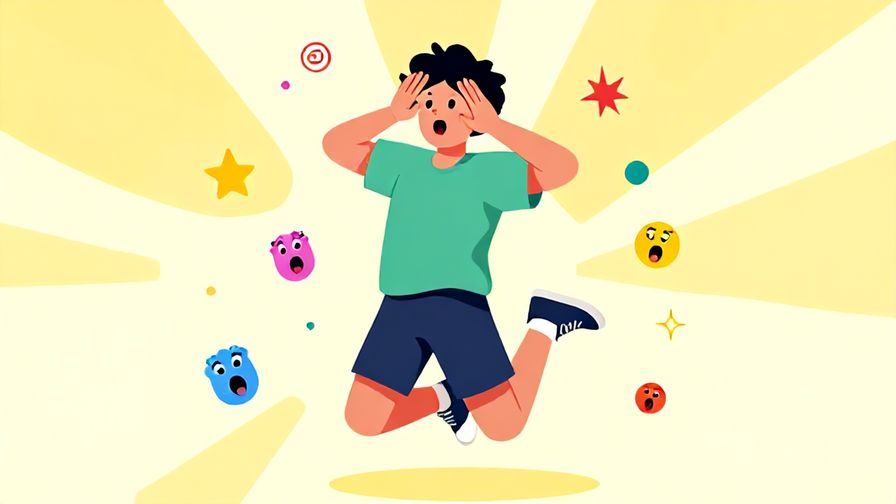
Ever had someone jump out and totally catch you off guard? That heart-stopping moment when you just want to say, “You scared me!” in Japanese?
Whether you’re chatting with friends or watching a suspenseful scene, expressing surprise in Japanese can be fun and varied.
In this article, we’ll explore 22 warm, casual, and polite ways to say “You scared me” in Japanese — perfect for every mood and situation.
Learning these phrases will not only boost your vocabulary but also help you sound more natural and relatable when talking with native speakers.
Plus, understanding the subtle differences in tone and formality can make your conversations smoother and more enjoyable.
Ready to surprise yourself with these expressions? Let’s dive in!
Understanding the Basics of “You Scared Me” in Japanese
Before jumping into the list, it’s helpful to know the core phrase most commonly used for “You scared me” in Japanese: びっくりした (bikkuri shita).
“Bikkuri” means “surprise” or “shock,” and “shita” is the past tense of “to do,” so it literally means “I was surprised.”
This phrase is casual and widely used, but Japanese offers many ways to express this feeling with different nuances.
Sometimes, using a great beginner phrasebook can give you a perfect starting point for a cohesive understanding.
Now let’s look at some fun and easy-to-use phrases!
These will help you express surprise and playfulness in everyday conversations.
Part 1: Casual Suggestions
1. びっくりした! (Bikkuri shita!) – “You scared me!”

This is the most straightforward and common way to say “You scared me!” in Japanese.
Just say “びっくりした (bikkuri shita),” which literally means “I was surprised.” It’s casual, quick, and perfect for everyday use.
Great for reacting to sudden surprises or jokes among friends.
It’s a go-to phrase that Japanese learners should memorize first.
You can also add “よ!(yo!)” at the end for emphasis: “びっくりしたよ!”
Use it whenever someone unexpectedly startles you, and you’ll sound natural instantly.
2. びっくりしたよ! (Bikkuri shita yo!) – “You really scared me!”
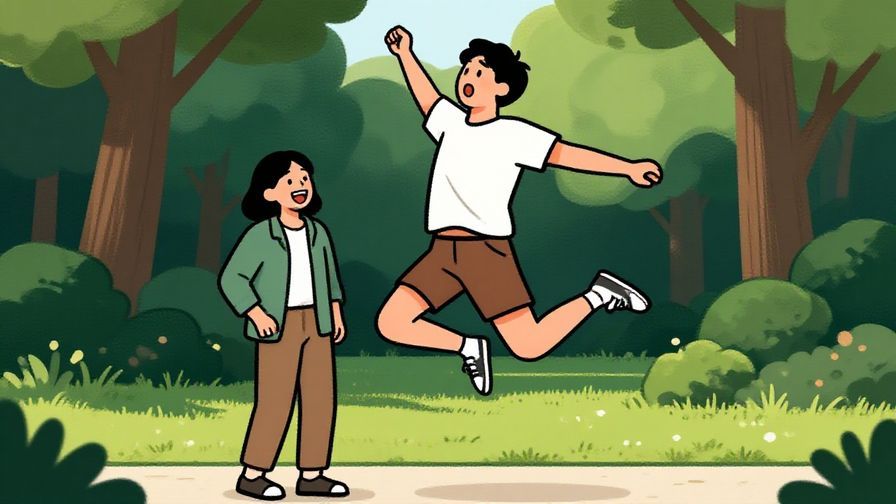
A slightly more expressive version of “びっくりした.” Adding “よ (yo)” makes it more emphatic.
Use it when you want to sound a bit more dramatic or playful about being scared.
It’s easy to remember; just add that little “yo” at the end.
Be careful not to overuse “よ” in formal situations, as it’s casual.
For example, after someone sneaks up on you, you can say, “びっくりしたよ!”
It adds a friendly tone and shows your genuine surprise.
3. びっくりしたなあ (Bikkuri shita naa) – “Wow, you scared me!”
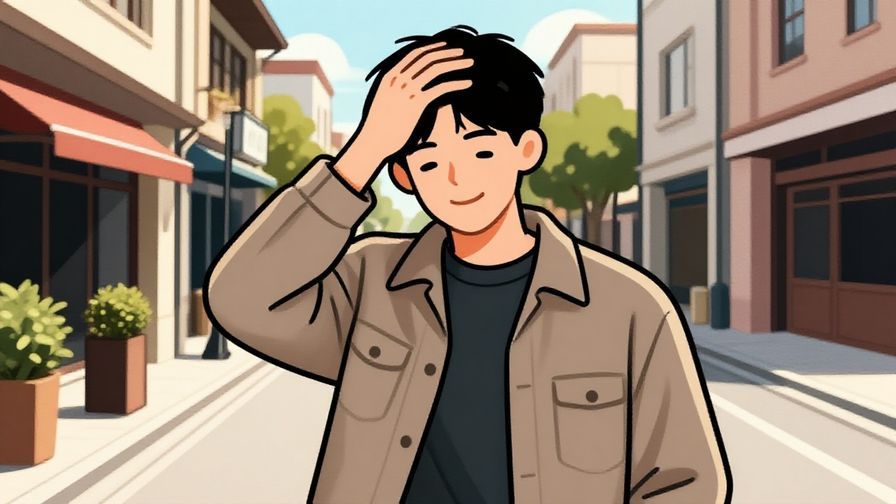
This phrase adds the ending particle “なあ (naa),” which expresses mild astonishment or reflection.
It’s casual and conveys that you’re surprised but also amused.
Try using “びっくりしたなあ” when you want to soften your reaction.
It’s perfect for friendly chats or playful teasing.
Unlike “よ,” “なあ” gives a more relaxed nuance.
Perfect for situations where you want to sound natural and a bit reflective.
4. びっくりしたじゃん! (Bikkuri shita jan!) – “You scared me, didn’t you!”

The particle “じゃん (jan)” is a casual, conversational way to seek agreement or emphasize something.
“びっくりしたじゃん!” can be translated as “You scared me, didn’t you!” with a playful tone.
This is a fun phrase often used among young people or close friends.
Use it when teasing someone who startled you.
It’s informal, so avoid using it in formal settings.
Practice this with friends to sound more native!
5. びっくりしたんだけど! (Bikkuri shitan da kedo!) – “I was really scared, you know!”
This phrase adds “んだけど (n da kedo),” which gives a slightly dramatic and conversational nuance.
It’s like saying, “I was really scared, you know!” and is casual but expressive.
Great for storytelling or exaggerating your reaction in a friendly way.
The “ん” softens the statement, making it sound less harsh.
Use it to share your surprise in a humorous way.
It’s a fun phrase to experiment with in casual talks.
6. びっくりしたー! (Bikkuri shitaa!) – “I got so scared!”

By elongating the “た (ta)” to “たー (taa),” you add extra emphasis and excitement.
“びっくりしたー!” feels more dramatic and playful.
It’s perfect when you want to exaggerate your reaction in a fun way.
Try this with friends during casual conversations or playful moments.
Just be sure not to use it in serious or formal contexts.
It’s an easy trick to sound like a native speaker having fun.
7. びっくりしたわ! (Bikkuri shita wa!) – “Wow, you scared me!” (feminine)

The particle “わ (wa)” is often used by women to soften expressions and sound feminine.
“びっくりしたわ!” is a sweet, feminine way to say “You scared me!”
Use this if you want to sound gentle and natural in informal female speech.
It’s not used by men, so keep that in mind.
Great for casual chats between female friends or family.
You’ll sound polite yet playful with this ending.
8. びっくりしたぜ! (Bikkuri shita ze!) – “You scared me!” (masculine)

The particle “ぜ (ze)” adds a masculine, rough edge to expressions.
“びっくりしたぜ!” is a strong, male way to say “You scared me!”
Use it in casual settings with close male friends to sound confident and natural.
It’s not suitable for polite or formal situations.
This phrase is great for a playful, manly reaction.
Try it out with your Japanese guy friends for a native touch!
Part 2: Polite & Formal Suggestions
9. 驚きました! (Odorokimashita!) – “I was surprised!” (polite)
This is a polite and formal way to say “I was surprised.”
“驚きました (odorokimashita)” comes from the verb “驚く (odoroku),” meaning “to be surprised.”
Use this in work or formal settings where casual phrases wouldn’t fit.
It’s respectful and clear, perfect for bosses or new acquaintances.
You can combine it with a soft “本当に (hontou ni)” to say “I was really surprised.”
Great phrase to add to your polite conversation toolkit.
10. びっくりしました (Bikkuri shimashita) – “I was surprised” (formal)
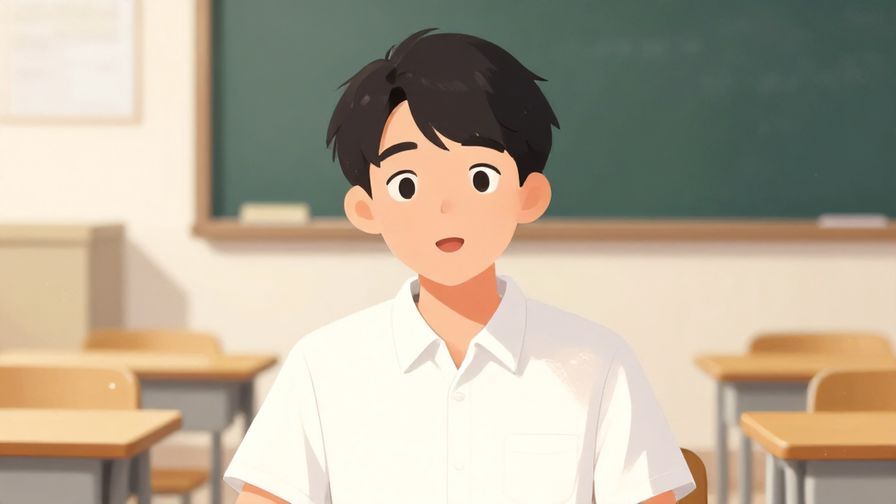
This is the formal version of “びっくりした.”
Adding “しました (shimashita)” makes it polite and suitable for formal or respectful speech.
Use it when talking to teachers, strangers, or in customer service.
It keeps the friendly tone but adds politeness.
Try this phrase in polite emails or conversations to sound courteous.
It’s a versatile and useful expression for learners to master.
11. びっくりいたしました (Bikkuri itashimashita) – “I was very surprised” (very polite)
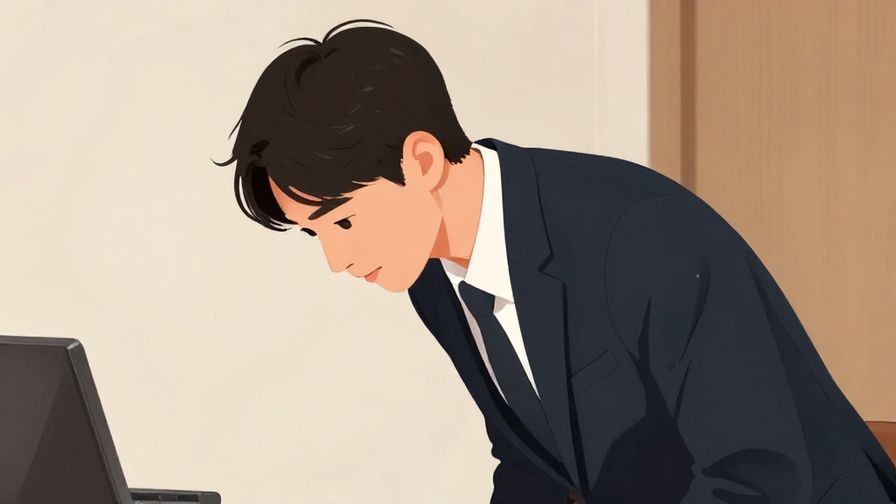
This is an honorific, very polite way to express surprise.
Using “いたしました (itashimashita)” instead of “しました” elevates the politeness.
Ideal for business meetings, formal speeches, or writing.
It shows humility and respect while expressing your surprise.
Use it when you want to sound truly refined and professional.
This phrase is less common in casual talk but important in formal contexts.
12. びっくりしております (Bikkuri shite orimasu) – “I am surprised” (humble/formal)

This phrase uses the humble form “しております,” making it polite and respectful.
It’s like saying “I am currently surprised” in a formal way.
Perfect for formal letters, emails, or respectful conversations.
It reflects humility and professionalism.
Use this when you want to politely express your surprise without sounding too casual.
Great addition for learners aiming for business-level Japanese.
13. びっくりしましたね (Bikkuri shimashita ne) – “You scared me, didn’t you?” (polite)
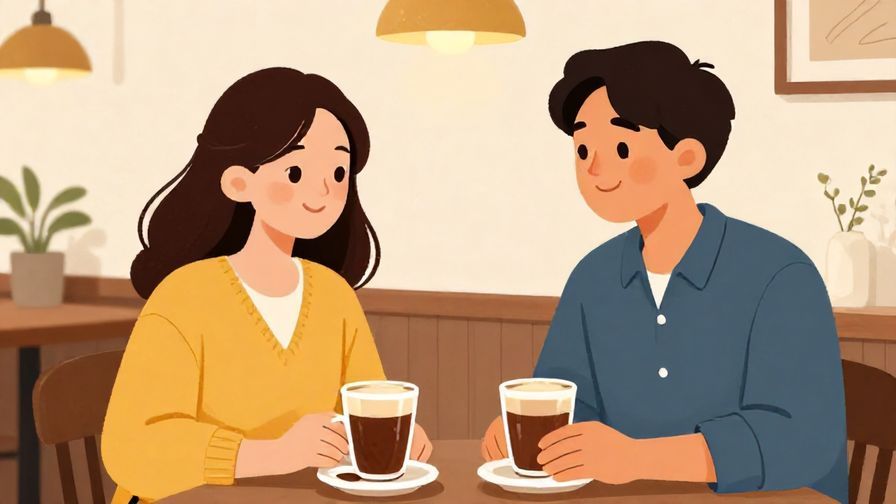
This phrase adds “ね (ne),” which seeks agreement or confirmation.
“びっくりしましたね” is polite and friendly, like “You scared me, huh?”
It’s great for polite but warm conversations with acquaintances.
“ね” softens the sentence and invites connection.
Use it in social or workplace settings to keep it light.
This phrase balances politeness with friendliness nicely.
14. びっくりしましたよ (Bikkuri shimashita yo) – “I was surprised, you know” (polite)
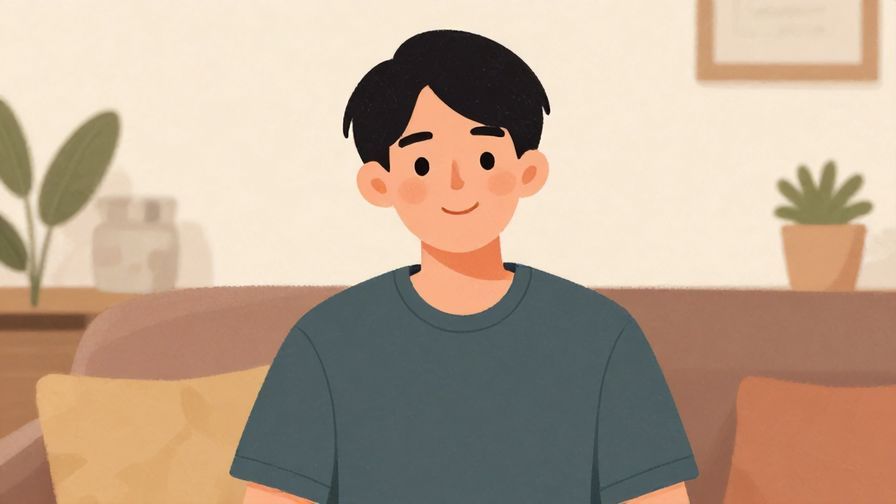
Adding “よ (yo)” to polite speech adds a gentle assertiveness.
“びっくりしましたよ” means “I was surprised, you know” politely.
It’s often used to express genuine feelings politely.
Good for conversations with people you respect but want to be warm with.
Use it to show polite surprise that’s still personal.
This phrase is friendly and refined at the same time.
15. びっくりしましたわ (Bikkuri shimashita wa) – “I was surprised” (polite feminine)

“わ (wa)” can also be used in polite female speech.
“びっくりしましたわ” sounds polite and feminine.
Use it in formal or semi-formal situations where you want to keep a gentle tone.
This phrase is less common but adds elegance to surprise expressions.
It’s a nice phrase for polite conversations among women.
Try it if you want to sound refined and warm.
16. 驚きましたよ (Odorokimashita yo) – “I was really surprised!” (polite)

Using “よ (yo)” with “驚きました” adds a friendly emphasis.
It’s polite but sounds warm and genuine.
Great for expressing mild shock in a respectful way.
Perfect in business emails or polite chats.
You show both respect and personality.
This phrase is versatile and easy to use.
Part 3: Very Casual / Native-like Expressions
17. うわっ!びっくりした! (Uwa! Bikkuri shita!) – “Whoa! You scared me!”
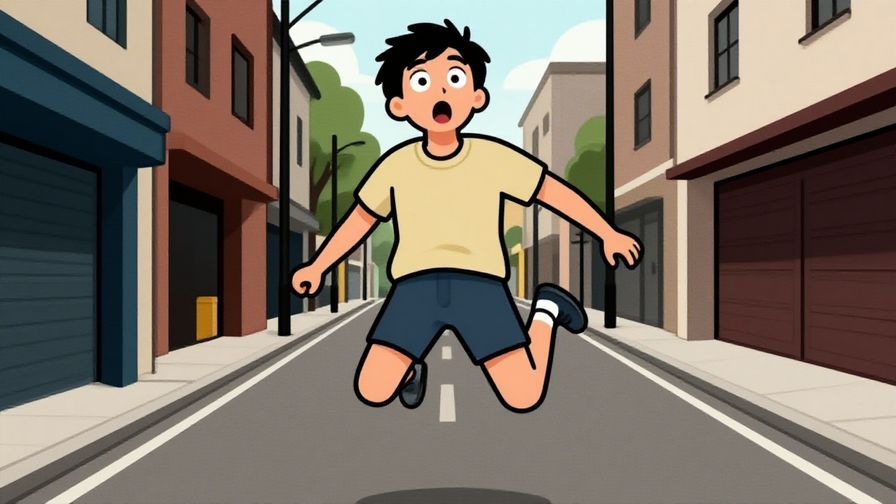
“うわっ (uwa)” is a casual exclamation like “Whoa!” or “Wow!”
Adding it before “びっくりした” amps up the surprise.
This phrase sounds very natural and spontaneous.
Use it with close friends or in informal situations.
It mimics real reactions and feels very alive.
Try this to sound like a native in surprised moments.
18. ほんとにびっくりした! (Hontō ni bikkuri shita!) – “I was really scared!”
“ほんとに (hontō ni)” means “really” or “truly.”
Use it to emphasize how surprised you were.
This phrase is casual but adds sincerity.
Perfect for storytelling or sharing strong emotions.
It’s easy to say and very common in daily speech.
Great for learners wanting to sound genuine.
19. わー、びっくり! (Waa, bikkuri!) – “Wow, that scared me!”

“わー (waa)” is an exclamation expressing surprise or delight.
Paired with “びっくり,” it’s a short, playful way to say “You scared me!”
Very casual and friendly.
Use it when reacting quickly and happily to shock.
Great for informal chats or fun moments.
Easy to remember and sound native-like.
20. ぎゃー!びっくりした! (Gyaa! Bikkuri shita!) – “Eek! You scared me!”
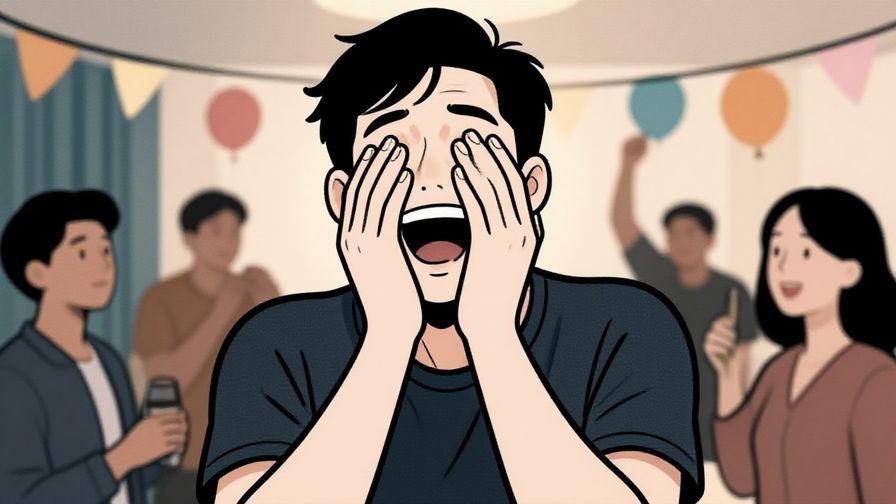
“ぎゃー (gyaa)” is a fun, exaggerated scream or shout.
Use it to dramatically express surprise or fright.
This phrase is playful and often used in joking contexts.
Perfect for friends who love teasing each other.
It’s informal but very expressive.
Try it for a fun twist on saying “You scared me!”
21. こわかったよ! (Kowakatta yo!) – “That scared me!”
“こわかった (kowakatta)” means “was scary” or “I was scared.”
Add “よ (yo)” for emphasis.
This phrase focuses more on the fear aspect than just surprise.
Use it when something genuinely frightened you.
It’s casual but conveys stronger emotion than “びっくりした.”
Great for storytelling or horror moments.
22. びびった! (Bibitta!) – “I got scared!” (very casual/slang)
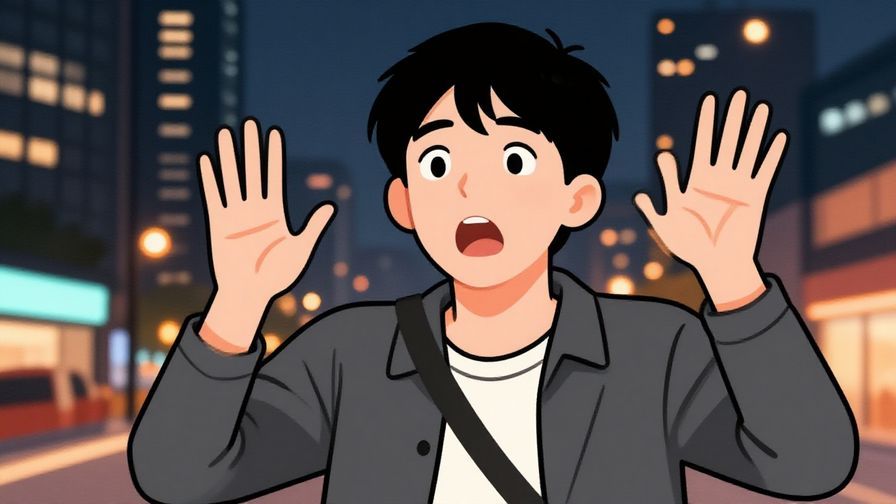
“びびった (bibitta)” is slang for “I was scared” or “I freaked out.”
It’s very casual and often used among young people.
It’s a fun, punchy way to express surprise or fear.
Use it with close friends but avoid formal situations.
Perfect for sounding like a native teen or young adult.
Try it to add some edge to your surprise expressions!
Concluding Thought
Mastering these 22 ways to say “You scared me” in Japanese opens up a fun and expressive part of your language journey.
From casual slang to polite expressions, you now have versatile tools to fit any situation.
Keep practicing, and soon you’ll surprise your Japanese friends with your natural and heartfelt reactions!