22 Japanese ways to say “My heart skipped a beat”
Have you ever felt your heart jump unexpectedly? That fluttering sensation when something or someone makes you feel alive in a split second?
In Japanese, there are so many beautiful and expressive ways to capture that exact feeling. It’s more than just saying “my heart skipped a beat” — it’s about the emotion behind it.
Whether you’re learning Japanese or simply love the language, discovering these phrases can add a new depth to your expression.
From casual to poetic, this list will give you 22 charming Japanese ways to say “my heart skipped a beat,” perfect for sharing those special moments.
Understanding these phrases can also boost your confidence in conversations and make your language skills more authentic.
Ready to feel your heart race in Japanese? Let’s dive in!
Understanding the Beat of Your Heart in Japanese
In Japanese, the sensation of a heart skipping a beat is often described metaphorically, reflecting emotions like surprise, excitement, or love.
These phrases can range from poetic expressions to casual slang, depending on the situation and relationship.
Knowing when and how to use them will help you connect better with native speakers and express your feelings more naturally.

Sometimes, using a great Japanese expressions phrasebook can give you a perfect starting point for a cohesive understanding.
With a little practice, you’ll find it easy to match the phrase to the moment.
Just imagine the fluttering of your own heart as you learn!
Part 1: Casual Suggestions
1. ドキッとした (Dokitto shita) – “I was startled (heart skipped a beat).”
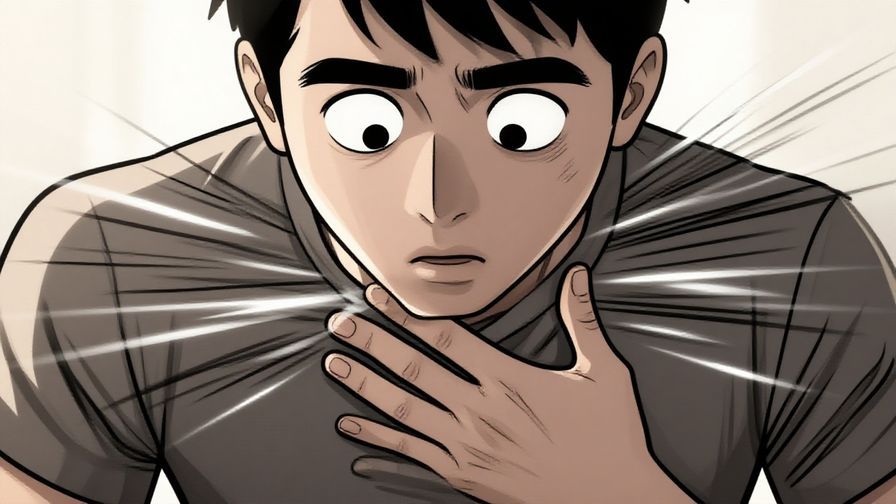
This is one of the most common ways to say your heart skipped a beat in Japanese.
“ドキッ” (dokitto) is an onomatopoeia mimicking the sudden thumping of the heart, and “した” (shita) means “did.” Together, it means “I was startled” or “my heart jumped.”
It’s perfect for moments when you’re surprised in a thrilling or romantic way.
Try to remember it by thinking of the “dokidoki” sound your heart makes when excited — “dokitto” is a quick, sharp version.
You might also hear “ドキドキした” (dokidoki shita), which is more like “my heart was pounding.”
Use it when someone suddenly catches you off guard — it’s casual and very expressive!
2. 心臓が止まるかと思った (Shinzō ga tomaru ka to omotta) – “I thought my heart would stop.”

This phrase literally means “I thought my heart would stop.”
“心臓” (shinzō) means “heart,” “止まる” (tomaru) means “to stop,” “かと思った” (ka to omotta) means “I thought.”
It’s a vivid way to express shock or surprise, like when something emotionally intense happens.
Practice by breaking it down word by word and associating “heart stopping” with overwhelming feelings.
People often use this when they’re really surprised or scared, but it can also work for romantic moments.
It’s a bit more dramatic, so use it for powerful emotional beats.
3. 胸がキュンとした (Mune ga kyun to shita) – “My chest tightened (heart skipped).”

“胸” (mune) means “chest,” and “キュンとした” (kyun to shita) is an onomatopoeia for a sudden, tight feeling.
This expression perfectly captures that sweet, emotional squeeze you feel when your heart skips a beat because of affection or cuteness.
It’s easy to remember because “kyun” sounds like a quick pinch or squeeze.
Use this when something or someone makes your heart flutter in a gentle, loving way.
It’s commonly heard in romantic contexts or even cute moments with friends or pets.
Try saying it when sharing your feelings with close friends or on social media!
4. ハッとした (Hatto shita) – “I was suddenly startled.”

“ハッとした” (hatto shita) is another onomatopoeic phrase meaning “I was suddenly startled.”
“Hatto” mimics the sound of a quick gasp or sudden realization.
It’s often used when your heart skips a beat because you were caught off guard.
It’s simpler and more neutral than some romantic phrases, so it works well for everyday surprise.
Try to use it in moments of sudden shock or when you realize something important.
It can also be combined with other feelings, making it versatile and easy to remember.
5. 心がドキドキした (Kokoro ga dokidoki shita) – “My heart was pounding.”
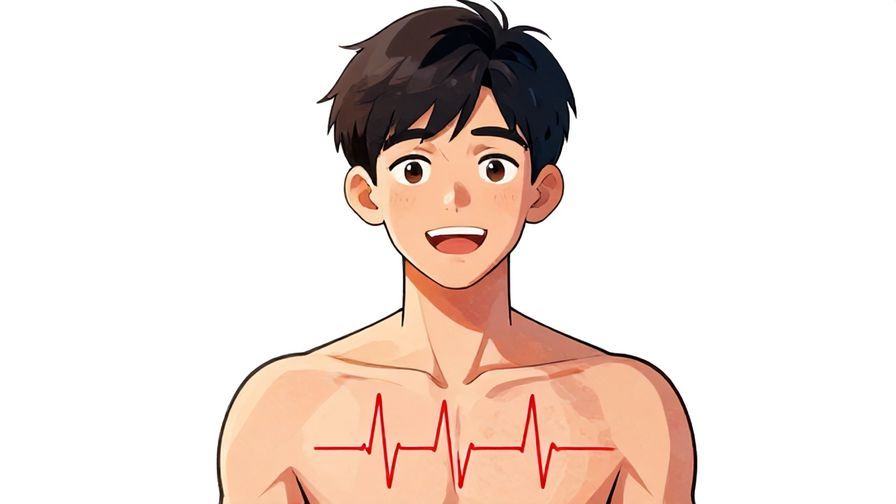
“心” (kokoro) means “heart” or “spirit,” and “ドキドキ” (dokidoki) is the classic heart-pounding sound.
“した” (shita) means “did,” so the phrase means “my heart was pounding.”
This is a great general expression for excitement, nervousness, or anticipation.
It’s easy to remember because “dokidoki” is one of the most famous Japanese onomatopoeias for heartbeats.
Use it for both romantic and non-romantic situations where your heart races.
It’s perfect for everyday conversations and feels natural for native speakers.
6. 胸が高鳴った (Mune ga takanatta) – “My chest pounded.”

“胸” (mune) means “chest,” and “高鳴った” (takanatta) means “pounded” or “beat strongly.”
This phrase sounds a bit more poetic and is often used in literature or emotional moments.
It’s a great way to say your heart was racing with excitement or love.
Think of “takanatta” as the heart beating louder than usual.
Use it when describing strong feelings that make your chest throb.
It’s a beautiful phrase to add to your romantic vocabulary!
7. 心が弾んだ (Kokoro ga hazunda) – “My heart leapt.”

“弾んだ” (hazunda) means “leapt” or “bounced,” so this phrase means “my heart leapt.”
It’s a lively way to say your heart skipped a beat because you’re happy or excited.
Perfect for moments of joy or anticipation.
It’s a little less common but really expressive and vivid.
Try it out when your heart feels like it’s jumping with happiness.
A cheerful phrase that brings energy to your feelings.
8. びっくりして心が跳ねた (Bikkuri shite kokoro ga haneta) – “I was surprised and my heart jumped.”

This phrase combines “びっくりして” (bikkuri shite) meaning “being surprised” with “心が跳ねた” (kokoro ga haneta), “heart jumped.”
It’s a casual, playful way to describe a sudden heart skip from shock or excitement.
“跳ねた” (haneta) literally means “jumped,” which adds a fun visual to the heart’s reaction.
Great for storytelling or describing unexpected feelings.
Use it to express surprise that makes your heart race.
It’s a vivid and relatable phrase for everyday moments.
Part 2: Polite & Formal Suggestions
9. 胸がときめきました (Mune ga tokimekimashita) – “My heart fluttered.”

“ときめく” (tokimeku) means “to flutter” or “to beat fast,” and “ました” (mashita) is the polite past tense.
It’s a refined way to say your heart skipped or fluttered, often used in polite conversation or writing.
Think of it as a gentle, elegant heartbeat in response to affection or excitement.
Great for formal settings or when you want to sound graceful.
Try practicing this phrase in conversations with acquaintances or in polite emails.
It communicates emotion with sophistication and warmth.
10. 心臓が高鳴りました (Shinzō ga takanarimashita) – “My heart pounded.”

Using “心臓” (shinzō) for “heart” and “高鳴りました” (takanarimashita), the polite past form of “pounded,” this phrase is formal and clear.
It’s perfect for professional or respectful contexts where you want to express excitement or nervousness politely.
Remember, the polite form “ました” (mashita) softens the tone and adds respect.
Use this in speeches, presentations, or formal writing when describing your feelings.
It’s a strong but courteous way to show your heart’s reaction.
Practicing this will help you sound natural in formal situations.
11. 心がときめきました (Kokoro ga tokimekimashita) – “My heart fluttered.”
Similar to the earlier phrase but using “心” (kokoro) for “heart” or “spirit.”
This polite phrase emphasizes an emotional flutter or beat.
It’s versatile and can be used in polite conversation or writing.
Perfect when you want to sound emotional but respectful.
Practice by associating “kokoro” with feelings and “tokimekimashita” with excitement.
It’s a beautiful phrase for expressing heartfelt moments formally.
12. 胸がキュンとしました (Mune ga kyun to shimashita) – “My chest tightened.”

This is the polite past form of “胸がキュンとした,” adding “しました” (shimashita) to soften the tone.
It keeps the cute and emotional nuance but makes it suitable for polite contexts.
Use it when telling someone politely about a heart-fluttering moment.
It’s especially useful in conversations with people you don’t know well or in writing.
Try to remember by linking “kyun” with a gentle squeeze and “shimashita” as polite past tense.
A sweet phrase that balances emotion and respect beautifully.
13. 心が震えました (Kokoro ga furuemashita) – “My heart trembled.”
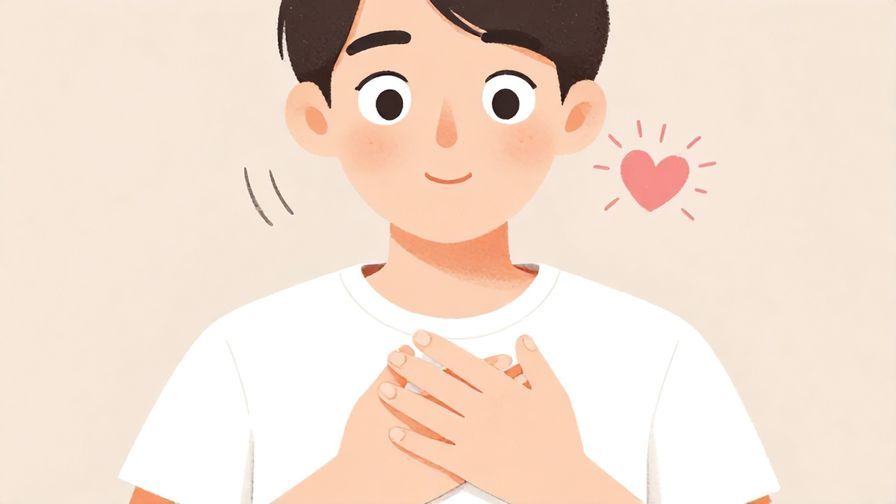
“震える” (furueru) means “to tremble,” and “ました” (mashita) adds politeness.
This phrase elegantly expresses a trembling heart, often caused by deep emotion or awe.
It’s poetic and polite, great for formal writing or sincere moments.
Think of it as a heart so moved it physically shakes.
Use it to describe touching experiences or profound feelings.
It’s a graceful way to convey strong emotions respectfully.
14. 心が躍りました (Kokoro ga odorimashita) – “My heart danced.”

“躍る” (odoru) means “to dance,” making this phrase a lively and poetic way to say your heart danced.
Adding “ました” (mashita) keeps it polite and suitable for formal occasions.
It’s used to show happiness and excitement that makes your heart feel alive.
Imagine your heart literally dancing with joy—this phrase paints that picture beautifully.
Try it out in polite conversation when you want to express excitement elegantly.
It’s a joyful and refined expression to add to your vocabulary.
15. 心が震撼しました (Kokoro ga shinkan shimashita) – “My heart was shaken.”

“震撼” (shinkan) means “to shake deeply,” and “しました” (shimashita) is polite past tense.
This phrase is more formal and dramatic, describing a heart shaken by powerful emotions.
It’s perfect for expressing awe, shock, or deep impact respectfully.
Use it in writing or speeches when conveying serious feelings.
Try to associate it with moments that leave you breathless or deeply moved.
It’s a strong phrase that adds depth and gravity to your emotional expressions.
16. 胸がいっぱいになりました (Mune ga ippai ni narimashita) – “My chest became full.”

“胸がいっぱい” (mune ga ippai) literally means “chest is full,” expressing overwhelming emotion.
“になりました” (ni narimashita) makes it polite and past tense.
This phrase beautifully conveys being emotionally moved or touched deeply.
It’s an elegant way to say your heart was full of feeling, often with happiness or gratitude.
Use it when describing moments that fill you with warmth and emotion.
It’s a gentle, heartfelt expression perfect for polite conversation.
Part 3: Very Casual / Native-like Expressions
17. 心臓バクバク (Shinzō bakubaku) – “My heart was pounding fast.”

“バクバク” (bakubaku) is an onomatopoeia for a fast, heavy heartbeat.
It’s very casual and used in everyday speech, especially among younger people.
Perfect for expressing nervousness, excitement, or anticipation.
Think of it as your heart “thumping loudly.”
You can use it in fun, casual conversations or messages.
It’s a lively, relatable way to say your heart skipped a beat with energy.
18. ハートがズキュン (Hāto ga zukyun) – “My heart went ‘zukyun.’”

“ズキュン” (zukyun) is a playful sound effect, like a heart being struck by Cupid’s arrow.
This phrase is super casual and often used in manga or youthful speech.
It expresses a sudden, sharp feeling of love or attraction.
Try to imagine your heart being “shot” by feelings of love.
It’s a fun, energetic way to say “my heart skipped a beat.”
Great for texting or chatting with friends about crushes.
19. 心がバッと跳ねた (Kokoro ga batto haneta) – “My heart suddenly jumped.”

“バッと” (batto) means “suddenly” or “quickly,” and “跳ねた” (haneta) means “jumped.”
This phrase vividly describes a sudden heart skip or jump.
It’s casual and expressive, great for telling stories.
Use it when something unexpectedly makes your heart flutter.
Think of the “batto” as a flash of emotion.
It’s a natural and lively way to express surprise or excitement.
20. 心がズキズキした (Kokoro ga zukizuki shita) – “My heart throbbed.”
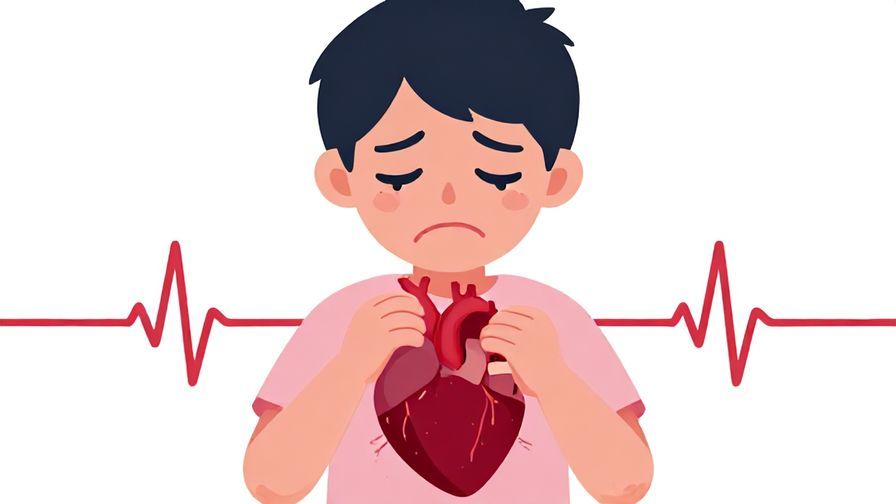
“ズキズキ” (zukizuki) conveys a throbbing or aching sensation.
This phrase can express heartache or intense emotional pain, a deeper kind of heart skip.
It’s casual but emotional, often used in conversations about love or sadness.
Try to remember it as a continuous pulse or ache.
Useful when talking about bittersweet feelings.
It adds emotional nuance to your expressions.
21. 胸がギュッとなった (Mune ga gyu tto natta) – “My chest tightened suddenly.”

“ギュッ” (gyu) is a sound effect for squeezing tightly.
Combined with “となった” (to natta), it means “became tightly squeezed.”
It’s casual and often used to describe emotional moments that make your chest feel tight.
Great for expressing feelings like sadness, worry, or love.
Try to imagine your chest being “hugged” tightly by emotion.
It’s a heartfelt way to express intense feelings naturally.
22. 心がパッと明るくなった (Kokoro ga patto akaruku natta) – “My heart suddenly brightened.”

“パッと” (patto) means “suddenly” or “brightly,” and “明るくなった” (akaruku natta) means “became bright.”
This phrase describes a heart feeling suddenly joyful or hopeful.
It’s casual and very visual, often used when something uplifting happens.
Use it to express moments when your heart feels light and happy.
Imagine your heart lighting up like the sun.
It’s a positive and vivid way to say your heart skipped a beat with joy.
Concluding Thought
Learning these 22 Japanese expressions opens up a world of emotional nuance beyond the simple phrase “my heart skipped a beat.”
Each phrase captures a slightly different feeling, from surprise and love to joy and even heartache, helping you express yourself more richly.
So go ahead, try them out, and let your heart speak Japanese as beautifully as it beats!