22 Japanese ways to say “Heart-stopping moment”
We all know that electric feeling when your heart skips a beat — that sudden jolt that makes time pause for a moment. In Japanese, there are so many vivid ways to express this “heart-stopping moment,” each carrying its own unique flavor and nuance.
Whether you’re learning Japanese or just love the language, discovering these expressions can add a spark to your vocabulary and help you connect more deeply with the culture.
From casual phrases to poetic metaphors, this list of 22 Japanese ways to say “heart-stopping moment” will not only boost your language skills but also give you a glimpse into how emotions are beautifully expressed in Japanese.
Get ready to feel your heart race in a whole new linguistic way — and maybe even impress your friends with some authentic expressions!
Ready to dive in? Let’s explore these heartfelt phrases one by one.
You’ll find a bit of everything here, from everyday talk to more formal and native-like expressions.
Understanding the Heart-Stopping Moment in Japanese
Before jumping into specific phrases, it’s helpful to know the core words often involved when talking about moments that make your heart skip or stop.
Words like 心 (こころ, kokoro) meaning “heart” or ドキドキ (dokidoki) which is an onomatopoeia for a pounding heart, often appear in these expressions. This gives you a good foundation to build your understanding and feel the emotional impact behind the phrases.
These expressions range from literal descriptions to metaphorical and poetic ways to capture the intensity of the moment.

For a great start, check out this collection of Japanese language learning books to deepen your knowledge.
Once you get comfortable with these basics, picking up the more nuanced expressions becomes much easier.
Try listening to Japanese dramas or songs and see if you can spot any of these phrases in use. It’s a fun way to learn!
Part 1: Casual Suggestions
1. ドキッとする (Dokitto suru) – “To be startled; heart skips a beat.”
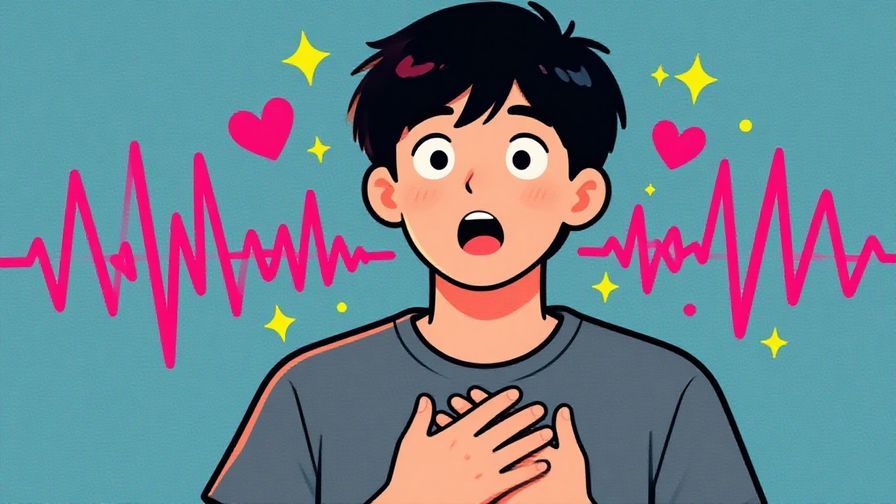
This onomatopoeic phrase captures the sudden jolt when something unexpected happens.
“ドキッ” (dokitto) mimics the sound of a quick heartbeat, and “する” (suru) means “to do.” Put together, it means “to feel a sudden rush or surprise.”
It’s common when someone is emotionally moved or startled.
Use it when you want to express a quick, unexpected emotional reaction.
For example, if you see someone you like suddenly, you might say “ドキッとした!”
Try using this phrase next time something catches you off guard—it’s simple and very natural!
2. 心臓が止まる (Shinzou ga tomaru) – “My heart stops.”
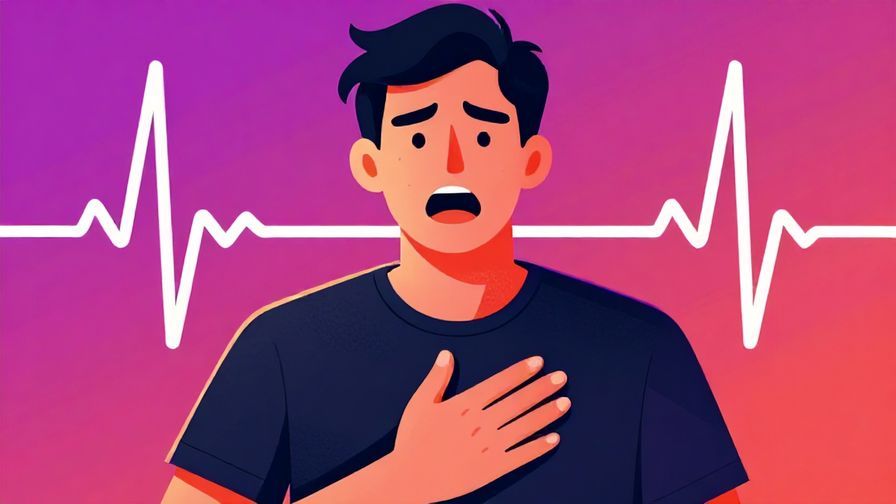
This phrase literally means “the heart stops.”
“心臓” (shinzou) means “heart,” “が” (ga) is the subject marker, and “止まる” (tomaru) means “to stop.”
It’s often used to express shock, fear, or surprise so intense you feel your heart literally pause.
Be careful not to use it too loosely; it’s for truly intense moments.
Example: “あのニュースで心臓が止まるかと思った!” (“I thought my heart would stop from that news!”)
This is a dramatic but very common way to express a heart-stopping moment.
3. 胸がドキドキする (Mune ga dokidoki suru) – “My chest is pounding.”
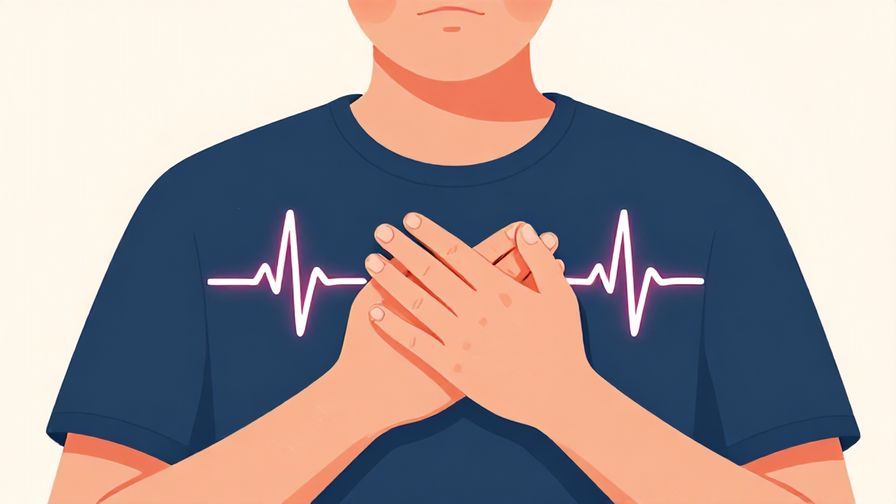
“胸” (mune) means “chest,” and “ドキドキ” (dokidoki) is the sound of a pounding heart.
Adding “する” (suru) makes it a verb phrase meaning “to have a pounding chest/heart.”
It’s a friendly, casual way to express excitement or nervous anticipation.
You can say this when you’re looking forward to something or feeling butterflies.
Example: “試験の前はいつも胸がドキドキする。” (“My chest always pounds before exams.”)
This phrase is perfect for everyday conversations about emotional moments.
4. ハッとする (Hatto suru) – “To be startled or suddenly realize.”
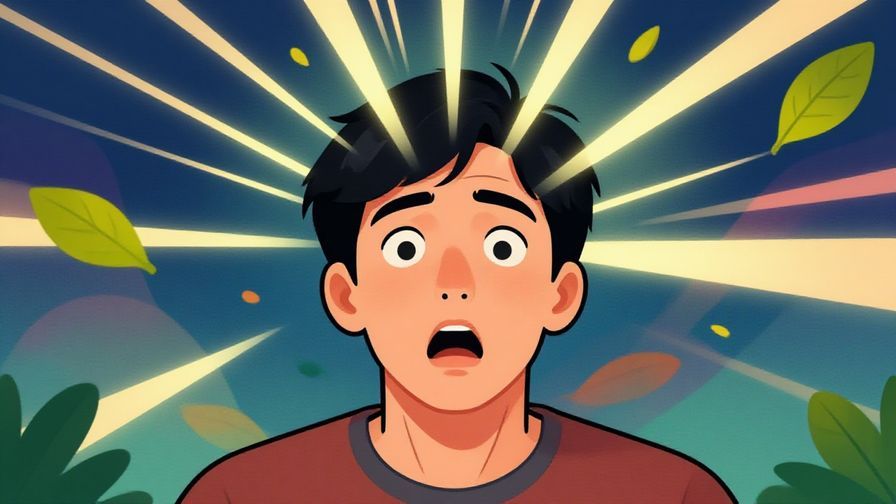
“ハッとする” is used when you’re suddenly startled or have a sharp realization.
It’s a quick, sharp feeling, like a mental or emotional “jolt.”
It’s great for moments when your heart skips due to surprise or sudden thought.
Example: “名前を呼ばれてハッとした。” (“I was startled when my name was called.”)
It’s a neat phrase to describe those quick heart-stopping moments in everyday life.
Try using it when you want to express surprise that comes out of nowhere.
5. どきっとする (Dokitto suru) – “To be startled or flustered.”
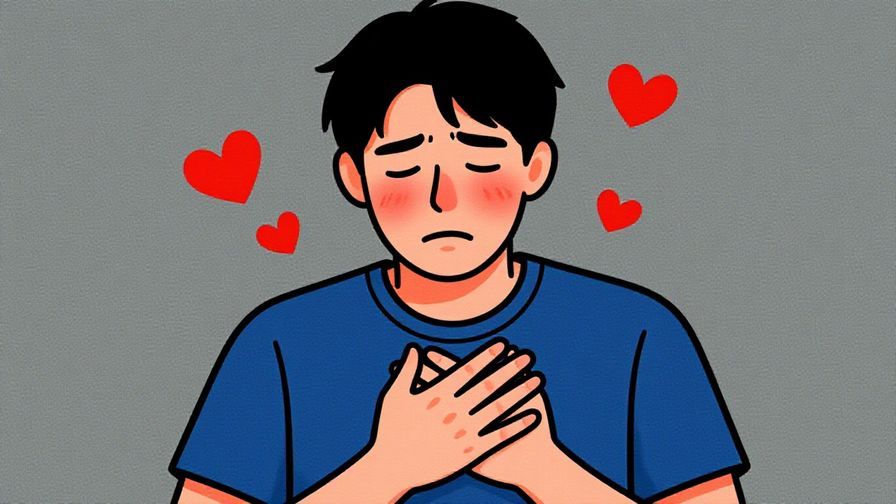
Similar to ドキッとする but slightly softer, どきっとする expresses being flustered or emotionally surprised.
It’s often used in romantic or shy contexts.
Example: “彼の言葉にどきっとした。” (“I was flustered by his words.”)
This phrase adds a gentle emotional nuance to the heart-stopping feeling.
Perfect when your heart skips in a sweet or tender way.
Use it to describe shy or nervous excitement.
6. 心を奪われる (Kokoro o ubawareru) – “To have one’s heart stolen.”

This expression literally means “to have your heart stolen.”
“心” (kokoro) is “heart,” “奪われる” (ubawareru) means “to be stolen.”
It’s a poetic way to describe falling in love or being captivated suddenly.
Example: “彼女の笑顔に心を奪われた。” (“My heart was stolen by her smile.”)
This phrase is great for romantic or deeply emotional moments.
It conveys a strong, heart-stopping attraction.
7. 心が弾む (Kokoro ga hazumu) – “My heart leaps.”

“心が弾む” means “the heart bounces or leaps.”
“弾む” (hazumu) means “to bounce” or “to spring.”
This phrase is used when you feel excited or thrilled in a joyful way.
Example: “合格通知をもらって心が弾んだ。” (“My heart leapt when I got the acceptance letter.”)
Perfect for expressing happy, heart-stopping moments full of excitement.
Try this to share your joyful anticipation or delight.
8. ゾクッとする (Zokutto suru) – “To shiver; a thrilling chill.”

“ゾクッとする” is like a thrilling shiver down the spine.
It’s often used for creepy, exciting, or emotionally intense moments.
Example: “あのホラー映画でゾクッとした。” (“That horror movie gave me chills.”)
This phrase captures the heart-stopping thrill of fear or excitement.
Great for spooky stories or intense emotional reactions.
Use it to describe the chill that makes your heart skip.
Part 2: Polite & Formal Suggestions
9. 息を呑む (Iki o nomu) – “To catch one’s breath.”

This polite expression means “to catch one’s breath,” implying surprise or awe.
“息” (iki) means “breath,” and “呑む” (nomu) means “to swallow.”
It’s used in formal contexts or writing to describe a moment that takes your breath away.
Example: “その美しい景色に息を呑んだ。” (“I caught my breath at that beautiful view.”)
Perfect for elegant descriptions or storytelling.
Try this phrase when you want to sound polished but expressive.
10. 息が止まる思い (Iki ga tomaru omoi) – “A feeling like one’s breath stopped.”

This phrase describes the overwhelming feeling as if your breath stopped.
It’s a formal and heartfelt way to express shock, awe, or intense emotion.
Example: “彼の告白に息が止まる思いだった。” (“His confession made me feel like my breath stopped.”)
Use it for moments of deep emotional impact.
It adds intensity while keeping a respectful tone.
Good for writing or serious conversations.
11. 目が点になる (Me ga ten ni naru) – “Eyes become dots.”
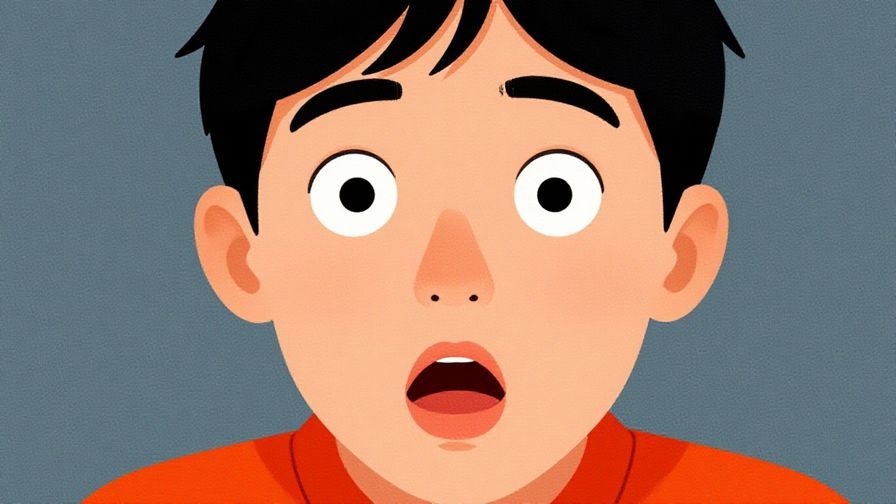
This fun idiom means “eyes become dots,” describing someone so surprised their eyes look small and round.
It’s an expressive way to show shock or disbelief.
Example: “その話を聞いて目が点になった。” (“I was so shocked I was speechless.”)
It’s polite enough for daily conversations and adds vivid imagery.
Great for storytelling or reacting to surprising news.
Use this to vividly paint your heart-stopping surprise.
12. 心が震える (Kokoro ga furueru) – “Heart trembles.”
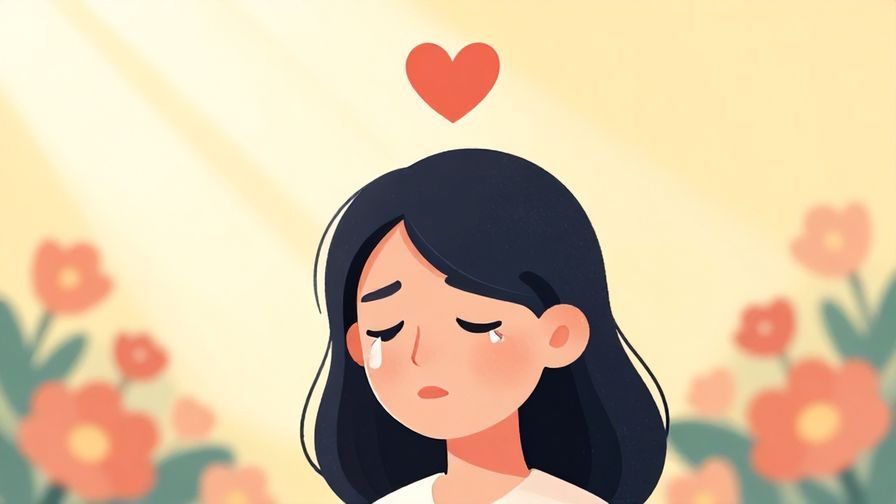
“心が震える” means “the heart trembles,” expressing strong emotional impact.
It’s a polite yet passionate way to describe being moved deeply.
Example: “その歌声に心が震えた。” (“My heart trembled at that singing voice.”)
Perfect for touching or inspiring moments.
It’s a graceful phrase for formal or poetic use.
Use it to share moments that truly move your soul.
13. 胸を打たれる (Mune o utareru) – “To be struck in the chest.”
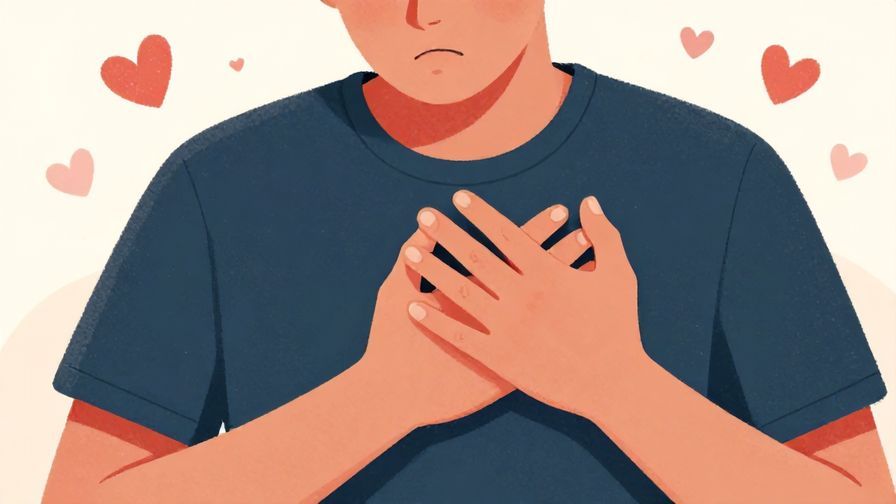
This phrase literally means “to be struck in the chest,” describing being emotionally struck.
It’s a respectful way to describe being deeply touched or affected.
Example: “彼の話に胸を打たれました。” (“I was deeply moved by his story.”)
Great for formal conversations or writing.
This phrase conveys a heart-stopping emotional impact with elegance.
Use it to express sincere emotion.
14. 心に響く (Kokoro ni hibiku) – “Resonates in the heart.”

“心に響く” means “to resonate in the heart.”
It’s a refined way to say something emotionally impactful or memorable.
Example: “その言葉は私の心に響きました。” (“Those words resonated in my heart.”)
Use it in formal speech or writing to express emotional depth.
This phrase feels poetic and heartfelt.
Perfect for moments that deeply move you inside.
15. 胸がいっぱいになる (Mune ga ippai ni naru) – “Chest becomes full.”
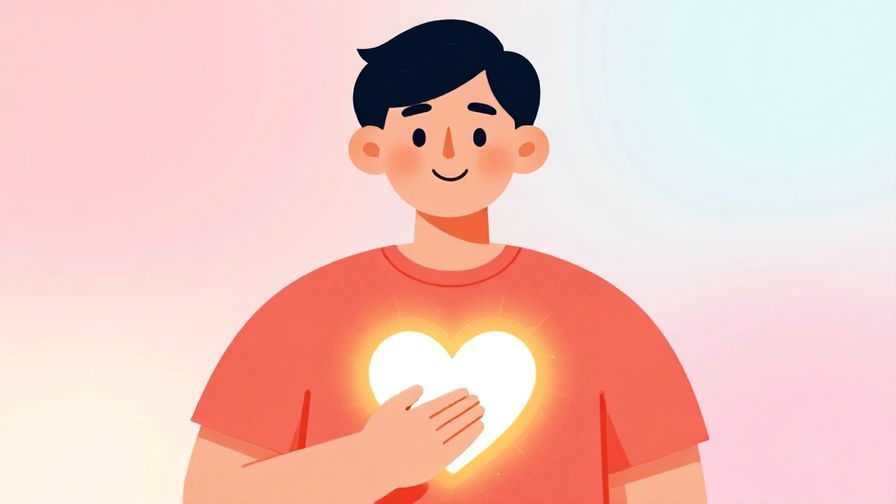
“胸がいっぱいになる” literally means “the chest becomes full.”
It describes being overwhelmed with emotion, often happiness or gratitude.
Example: “卒業式で胸がいっぱいになった。” (“My chest was full at the graduation ceremony.”)
This phrase is polite and heartfelt.
Use it to describe moments when your heart feels full with emotion.
Great for formal or casual contexts.
16. 息もつけないほど (Iki mo tsukenai hodo) – “To the point of not being able to breathe.”
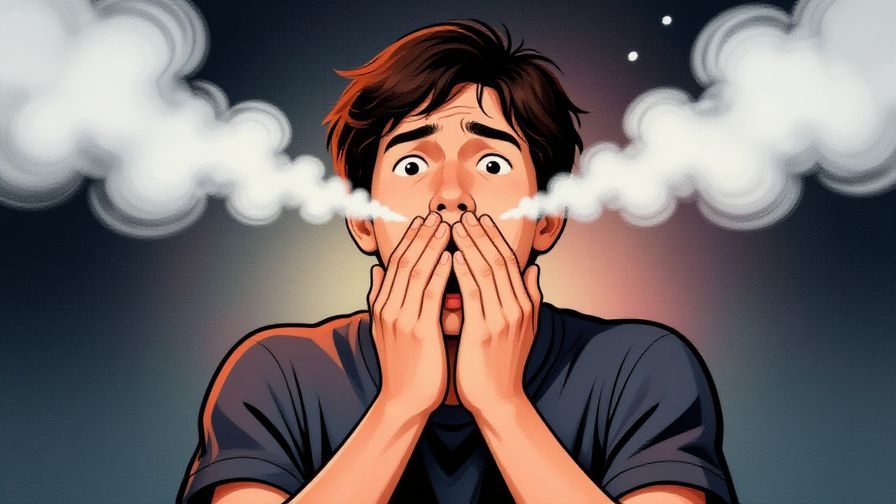
This phrase means “so intense you can’t even breathe.”
It’s a dramatic and polite way to express a breathtaking moment.
Example: “そのパフォーマンスは息もつけないほど素晴らしかった。” (“That performance was so amazing I couldn’t breathe.”)
Use it to emphasize incredible or shocking moments.
This phrase works well in formal speech or writing.
It really paints a vivid picture of a heart-stopping experience.
Part 3: Very Casual / Native-like Expressions
17. ビビる (Bibiru) – “To freak out; be startled.”

“ビビる” is a slang term meaning “to freak out” or “be startled.”
It’s very casual and often used among friends.
Example: “あの幽霊の話でビビった!” (“I freaked out at that ghost story!”)
Use it when you want to sound relaxed and natural.
It’s perfect for casual conversations or informal settings.
Just be sure not to use it in formal situations.
18. 心臓バクバク (Shinzou bakubaku) – “Heart pounding loudly.”

“バクバク” (bakubaku) is an onomatopoeia for a loud, pounding heartbeat.
Combined with “心臓” (shinzou), it vividly expresses nervousness or excitement.
Example: “試合の前は心臓バクバクだった。” (“My heart was pounding before the match.”)
It’s casual and very expressive.
Great for sharing your excitement or anxiety.
Try it in conversations with friends for natural flair.
19. ズキッとする (Zukitto suru) – “To feel a sudden sharp pain or shock.”
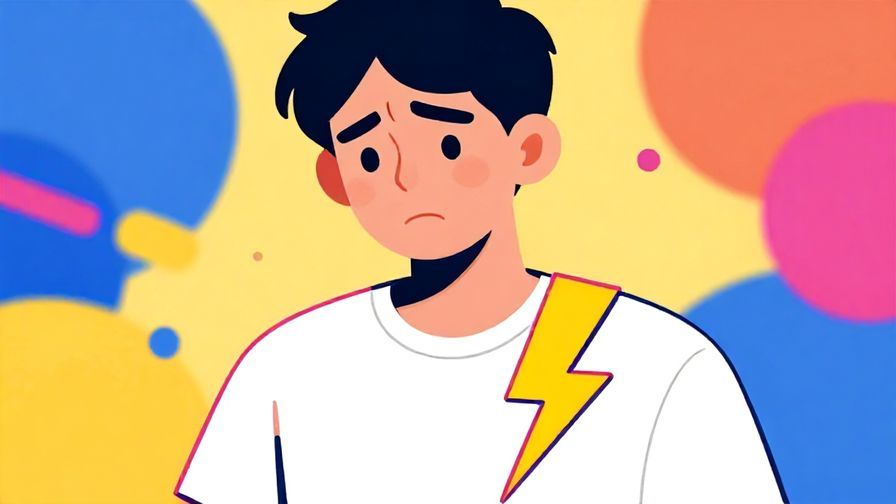
“ズキッとする” describes a sudden sharp pain or emotional shock.
It’s often used for physical pain but also emotional jolts.
Example: “彼の言葉にズキッとした。” (“His words hit me sharply.”)
This phrase adds a dramatic punch to heart-stopping moments.
Use it for moments that sting or shock you deeply.
It’s casual and vivid, perfect for storytelling.
20. ドキドキが止まらない (Dokidoki ga tomaranai) – “My heart won’t stop pounding.”
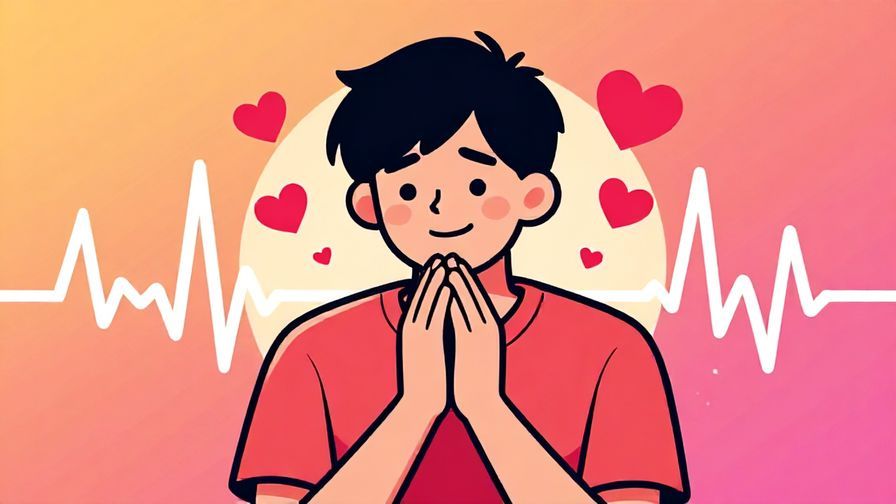
This phrase means “the pounding heart won’t stop.”
It expresses strong excitement or nervousness.
Example: “初デートでドキドキが止まらなかった。” (“My heart wouldn’t stop pounding on my first date.”)
It’s casual and very relatable.
Use it to share your butterflies or anticipation.
It’s a go-to phrase for youthful, emotional moments.
21. ハラハラする (Hara hara suru) – “To feel nervous or on edge.”
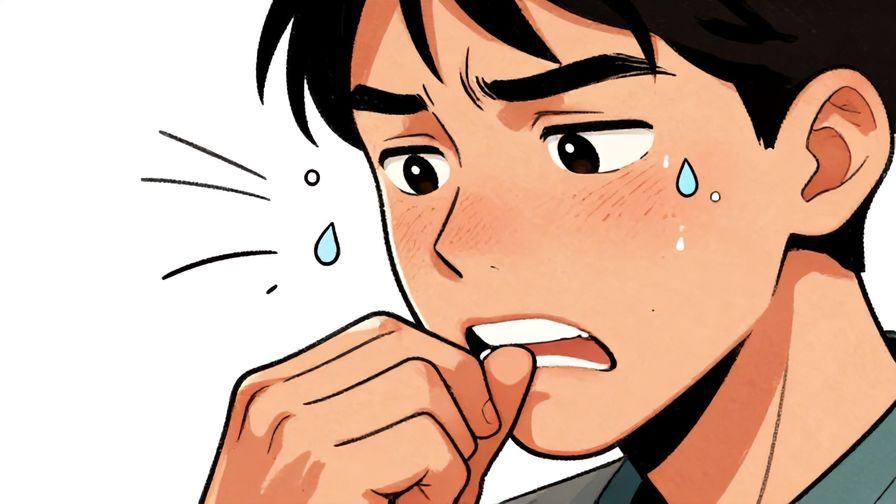
“ハラハラする” means “to feel nervous or anxious.”
It’s used when you’re on edge, waiting for something intense.
Example: “試合の結果にハラハラした。” (“I was nervous about the game result.”)
This phrase captures the suspenseful heart-stopping feeling.
Use it in casual talks when you’re worried or excited.
It’s a friendly and expressive way to describe tension.
22. ビクッとする (Bikutto suru) – “To startle or jump in surprise.”
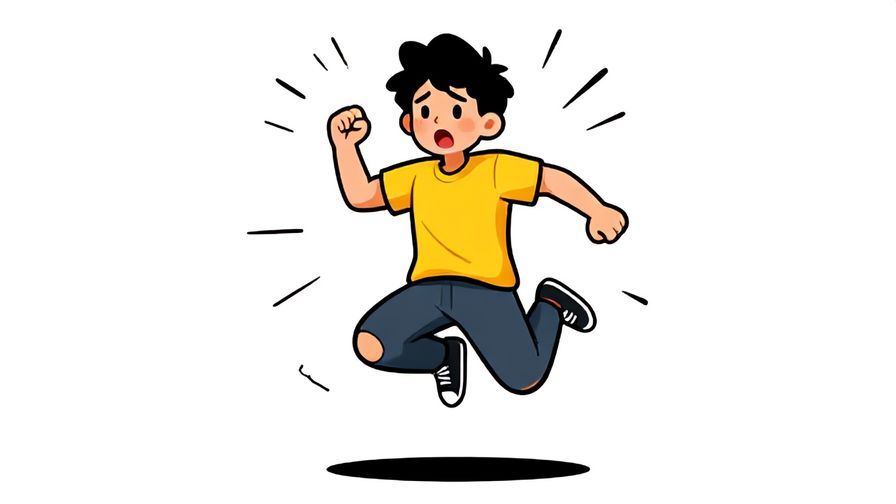
“ビクッとする” expresses that quick startled jump or reaction.
It’s very casual and often used when something suddenly scares or surprises you.
Example: “急に声をかけられてビクッとした。” (“I was startled when someone suddenly called me.”)
Use it for lighthearted or genuine surprised moments.
This phrase adds a fun, natural touch to your vocabulary.
Try it out with friends when you want to sound more native.
Concluding Thought
Exploring these 22 Japanese ways to say “heart-stopping moment” shows just how rich and vivid emotional expression can be in the language.
Each phrase gives you a different shade of feeling—from gentle excitement to full-on shock and poetic awe.
Keep practicing these expressions and soon you’ll not only understand but live those heart-pounding moments in Japanese, no matter where life takes you!