22 Japanese ways to say “Close call”
Ever had one of those moments where you barely escape trouble? That’s a “close call” — and in Japanese, there are plenty of ways to express it.
Whether you’re chatting with friends, telling a story, or just sharing a near-miss, these phrases will help you sound natural and relatable.
Some are casual and fun, others polite and formal — and a few even feel totally native. You’ll get the hang of them with ease!
Learning how to say “close call” in different ways not only spices up your conversation but also helps you understand nuances in Japanese culture.
Plus, it’s a neat way to impress your friends or classmates when you share your own near-escape tales.
Ready to dive into 22 Japanese expressions for “close call”? Let’s get started!
Understanding “Close Call” in Japanese
“Close call” isn’t just about danger — it’s about narrowly avoiding something unwanted, like an accident, mistake, or awkward situation.
In Japanese, expressions vary depending on context, formality, and emotion. Some capture surprise, others relief or tension.
Knowing these can add flavor to your chats, stories, or even your writing.

Sometimes, a good phrasebook focused on idioms can help you navigate these nuances smoothly.
These phrases are easy to learn and use — so why not try one today?
With practice, you’ll soon recognize “close calls” in everyday Japanese and respond like a native.
Part 1: Casual Suggestions
1. 危なかった! (Abunakatta!) – “That was dangerous!”
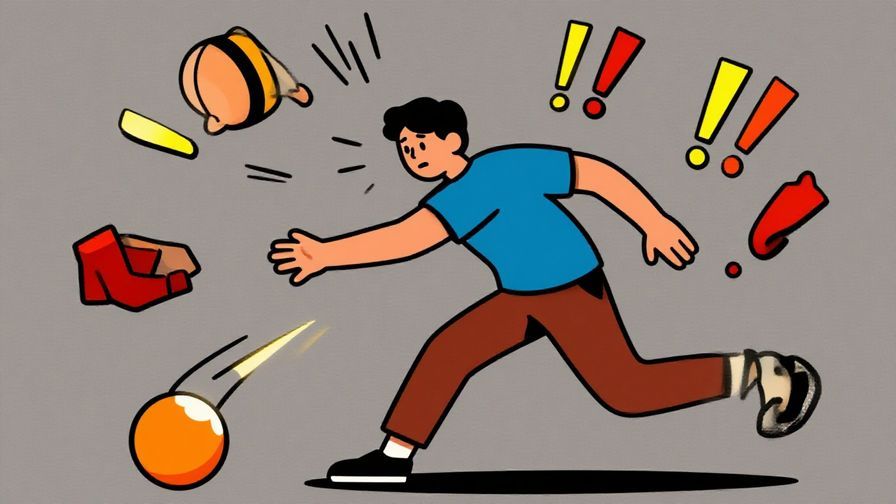
This is the simplest and most common way to shout “close call!” after escaping danger.
“危なかった” (Abunakatta) comes from “危ない” (Abunai) meaning “dangerous”, and the past tense “かった” shows the feeling of “It was dangerous!”
Great for sudden moments like narrowly missing a car or slipping on a step.
It’s short, punchy, and very natural.
You might also hear “危なかったね!” (Abunakatta ne!) adding a friendly “right?” at the end.
Use it right after the moment to share your relief instantly.
2. ぎりぎりセーフ (Girigiri seefu) – “Just barely safe!”
“ぎりぎり” (Girigiri) means “just barely,” and “セーフ” (Seefu) is borrowed from English “safe.”
It’s a fun casual phrase often used when you narrowly avoid failure or trouble.
Easy to remember because “girigiri” sounds like tight timing, and “seefu” is just “safe.”
Use it in everyday conversations, like dodging a deadline or almost missing a train.
One tip: Don’t overuse it in formal settings, as it’s quite casual.
Try saying “ぎりぎりセーフだった!” (Girigiri seefu datta!) for “It was just barely safe!”
3. 危なかったけど助かった (Abunakatta kedo tasukatta) – “It was dangerous, but I was saved.”
This phrase adds a thankful twist after a close call.
“助かった” (Tasukatta) means “I was saved” or “That helped.”
It’s perfect for when you feel relief and gratitude simultaneously.
It’s a bit longer but very expressive.
You can use it after situations like a tough exam or avoiding an accident.
It’s a nice way to reflect on a close call with a positive spin.
4. もう少しで (Mou sukoshi de) – “Almost…”
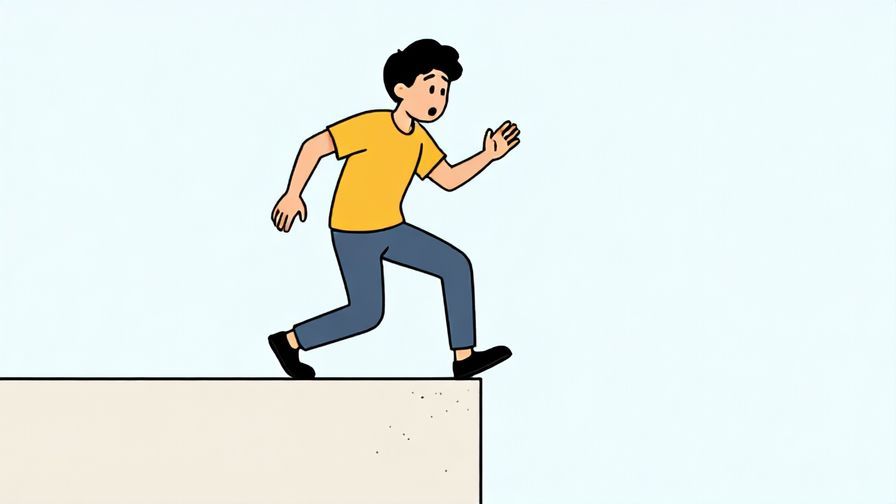
“もう少しで” means “almost” or “just about to.”
It’s often used with negative verbs to say “Almost did something bad.”
For example, “もう少しで転ぶところだった” (Mou sukoshi de korobu tokoro datta) means “I almost fell.”
It’s a natural way to describe near misses.
Focus on the “もう少しで” part to signal a close call in any story.
Great for storytelling or casual chat.
5. ヒヤッとした (Hiyatto shita) – “That gave me a chill!”
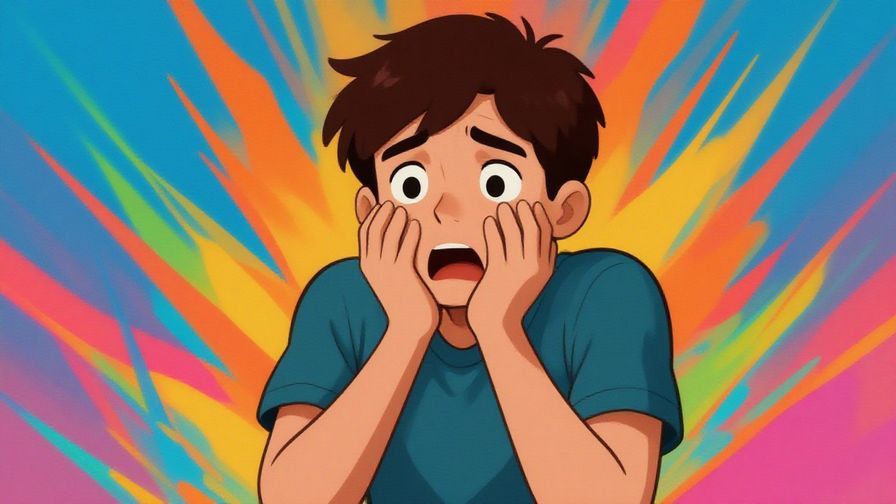
“ヒヤッとした” is a casual expression to describe a sudden scare or shock.
It literally means “felt a chill,” like the shiver you get from a close call.
Use it after moments like nearly bumping into someone or a near accident.
It’s more about the emotional reaction than the event itself.
It’s easy to say and adds a vivid feeling.
Try pairing it with “危なかった” for “That was dangerous, I got chills!”
6. あぶなかった~!(Abunakatta~!) – “Phew, that was close!”

Adding a drawn-out “~” gives the phrase a casual, relieved tone.
It’s like saying “Whew!” after a close call.
Perfect for informal conversations with friends or family.
It expresses relief and a bit of casual storytelling flavor.
Easy to remember and very common.
Use it whenever you want to sound natural and laid-back.
7. ギリギリで助かった (Girigiri de tasukatta) – “Saved at the last second.”
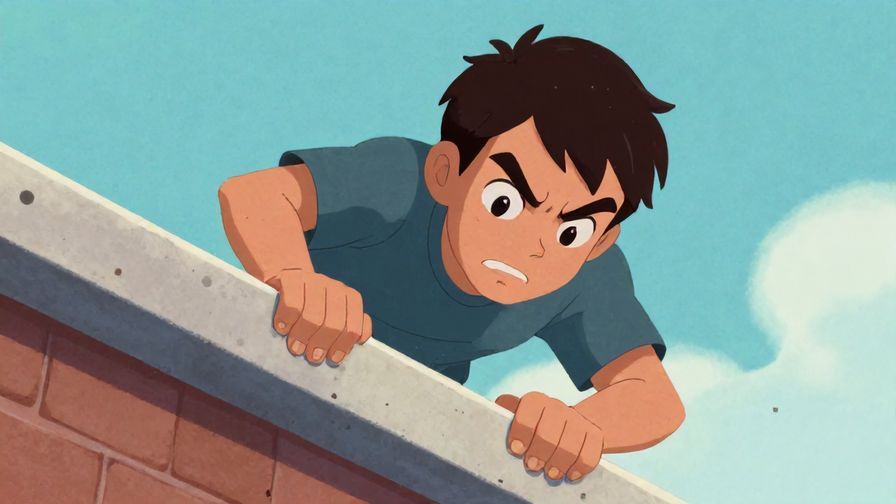
This phrase emphasizes being saved “at the last second.”
“ギリギリで” (Girigiri de) means “at the last moment,” and “助かった” means “was saved.”
It’s useful for dramatic close calls, like avoiding an accident or catching a deadline.
It’s a bit more vivid and story-like than simple phrases.
Practice by imagining a near-fail and saying this to describe your luck.
It’s great for spoken or written narratives.
8. ほんとに危なかった (Honto ni abunakatta) – “That was really dangerous.”
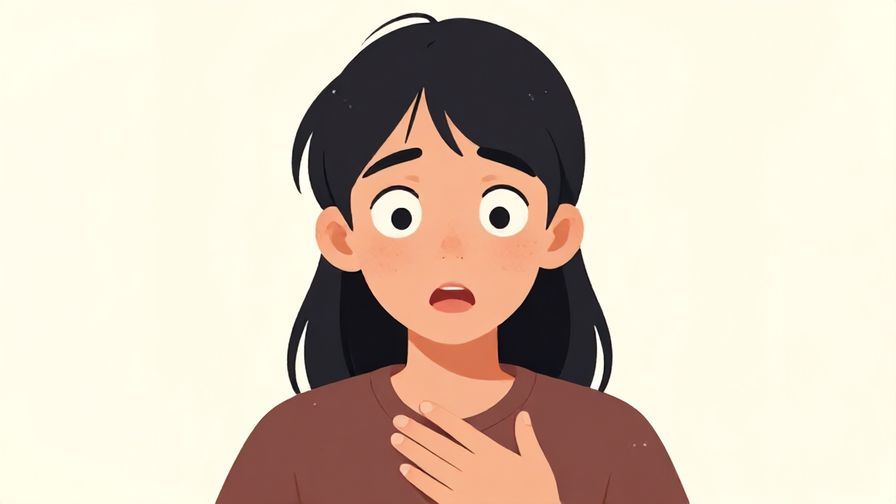
Adding “ほんとに” (really/truly) intensifies the phrase.
This sounds sincere and highlights the seriousness of the close call.
Use it when you want to emphasize how dangerous a situation was.
It’s a slightly more emotional version of “危なかった.”
Good for storytelling or reacting to news.
Try it with a tone of surprise to sound natural.
Part 2: Polite & Formal Suggestions
9. 危機一髪でした (Kiki ippatsu deshita) – “It was a narrow escape.”
This is a very common formal phrase meaning “a hair’s breadth from danger.”
“危機” means “crisis,” and “一髪” means “one hair.”
It’s often used in news, business, or formal storytelling.
It sounds polished and mature, perfect for polite conversation.
Try using it when reporting or explaining a close call in a respectful way.
It’s a great phrase to add to your formal Japanese toolkit.
10. もう少しで大変なことになるところでした (Mou sukoshi de taihen na koto ni naru tokoro deshita) – “It was almost a big problem.”

This polite phrase literally means “It was almost going to become a serious problem.”
It’s perfect for formal or work conversations to describe near disasters.
“大変なこと” means “big trouble,” and “なるところでした” signals “was about to happen.”
It’s longer but very clear and polite.
You can use it in emails or meetings to explain close calls professionally.
Try practicing it by describing past tense near misses.
11. 何とか間に合いました (Nantoka maniaimashita) – “I somehow made it just in time.”
This phrase means “I managed to make it just in time.”
It’s polite and humble, great for formal situations.
“何とか” means “somehow,” and “間に合いました” means “made it on time.”
Ideal for describing last-minute success or close calls with deadlines.
It’s easy to use in work or polite daily conversation.
Try it next time you’re barely on time for something important.
12. 危なかったですが、無事でした (Abunakatta desu ga, buji deshita) – “It was dangerous, but all is well.”

This phrase balances acknowledging danger and confirming safety.
“危なかったですが” means “It was dangerous, but…” and “無事でした” means “it ended safely.”
It’s polite and reassuring, useful in formal conversations or reports.
Use it to express relief professionally.
It’s a great way to soften the message and sound considerate.
Practice by pairing it with different situations you want to describe.
13. ぎりぎりで回避できました (Girigiri de kaihi dekimashita) – “I was able to narrowly avoid it.”

This formal phrase means “I was able to narrowly avoid something.”
“回避” means “avoidance,” “できました” is polite past tense of “can do.”
It fits well in work reports or polite storytelling about close calls.
It sounds respectful and capable.
Try using it when you want to highlight your quick thinking or luck.
It’s a good phrase for professional Japanese.
14. あと一歩で危険でした (Ato ippo de kiken deshita) – “One step closer and it was dangerous.”

This phrase literally means “One more step and it would have been dangerous.”
It’s polite and descriptive, good for explaining how close you were to danger.
“あと一歩” means “one step left,” and “危険でした” means “it was dangerous.”
Use it when reporting incidents or telling stories formally.
It helps others visualize how narrowly you escaped.
Try it to add detail to your explanations.
15. 九死に一生を得ました (Kushi ni isshou o emashita) – “I escaped death by a hair.”
This is a classic idiom meaning “to escape death by a hair’s breadth.”
It’s formal and poetic, often used in writing or serious conversation.
“九死に一生” literally means “one life in nine deaths.”
Use it to emphasize extremely close calls involving danger to life.
It’s a powerful phrase but less common in casual talk.
Great for dramatic storytelling or literature.
16. 間一髪のところで助かりました (Kan ippatsu no tokoro de tasukarimashita) – “I was saved at the very last moment.”
This phrase is polite and vivid, meaning “saved at the last moment.”
“間一髪” means “by a hair’s breadth,” and “助かりました” means “was saved.”
It’s great for formal or semi-formal storytelling.
You can use it when sharing near-accidents or tense situations.
It adds drama but stays polite.
Try practicing it aloud to master the rhythm.
Part 3: Very Casual / Native-like Expressions
17. ヤバかった!(Yabakatta!) – “That was crazy close!”
“ヤバい” (Yabai) is a super casual slang for “dangerous” or “crazy.”
“ヤバかった” is the past tense, meaning “That was crazy/close!”
It’s very common among young people and casual settings.
Use it with friends to express excitement or shock from a close call.
Be careful not to use it in formal situations.
It’s a fun, vivid way to share your near-miss stories.
18. ぎりセーフ!(Giri seefu!) – “Just safe!”

A shortened, slangy version of “ぎりぎりセーフ.”
It’s quick and punchy, perfect for casual chats.
Great for texting or quick reactions.
Easy to remember because it combines “giri” (barely) and “safe.”
Use it when you want to sound natural and relaxed.
Try it with friends or in informal online conversations.
19. もうちょっとでアウトだった (Mou chotto de auto datta) – “I was almost out.”
“アウト” (Auto) is borrowed from English “out,” used in sports or games.
“もうちょっとで” means “almost.”
It’s casual and native-like, often used to describe narrowly avoiding failure or loss.
Perfect for sports, competitions, or any close elimination scenario.
It’s a fun way to say you almost lost but didn’t.
Try it when sharing game night stories.
20. ヒヤリとした (Hiyari to shita) – “That gave me a shiver!”

Similar to “ヒヤッとした,” but a bit softer.
It describes that quick chill or shiver from a near accident.
Very natural and used often in conversation.
Good for when something startling but not dangerous happens.
Use it to add emotional color to your stories.
Try pairing it with “危なかった” for emphasis.
21. あと少しでやばかった (Ato sukoshi de yabakatta) – “It was bad, but just barely avoided.”
A casual phrase combining “あと少しで” (just a little more) and “やばかった” (was bad/crazy).
It’s a relaxed way to say you nearly got into trouble.
Very common among native speakers in informal talk.
Perfect for sharing close calls with friends.
Easy to say and remember because it mixes familiar parts.
Try it in everyday conversations for a native vibe.
22. ぎりぎりセーフだったわ (Girigiri seefu datta wa) – “It was just barely safe, you know.”

Adding “わ” at the end gives a feminine, casual emphasis.
It’s a very natural and native-like way to express relief.
Great for friendly chats among women or close friends.
It softens the phrase and adds personality.
Try it to sound more local and relatable.
Practice with different sentence endings to explore nuance.
Concluding Thought
Exploring these 22 ways to say “close call” in Japanese shows just how rich and expressive the language is.
From casual slang to formal idioms, there’s a phrase for every situation and feeling.
Keep practicing, and soon you’ll be sharing your own near-miss stories like a true native speaker!