22 Japanese ways to say “In the nick of time”
Ever had that heart-pounding moment when you barely make it just in time? That rush is universal, and Japanese has some fantastic ways to capture that feeling.
Whether you’re chatting with friends, reading a manga, or watching anime, knowing how to say “in the nick of time” can add a cool touch to your Japanese.
From casual slang to formal phrases, this list will guide you through 22 expressions that nail the idea of perfect timing.
Learning these will not only boost your vocabulary but also help you sound more natural and connected to everyday Japanese.
Plus, it’s fun to see how different phrases capture the same feeling in unique ways.
Ready to jump right in? Let’s explore these timely expressions together!
Understanding Timing in Japanese
Timing is everything, right? In Japanese, expressing “just in time” or “in the nick of time” can vary depending on context and tone.
Some phrases are perfect for casual chats, while others fit formal or written Japanese better.
Knowing when and how to use them can make your conversations smoother and more engaging.

Sometimes, using a great beginner phrasebook can give you a perfect starting point for a cohesive understanding.
These phrases will help you express urgency, relief, or just the perfect timing in everyday life.
Keep practicing and soon you’ll catch those moments just right!
Part 1: Casual Suggestions
1. 間一髪 (Kan ippatsu) – “By a hair’s breadth”

This phrase literally means “one hair’s width,” capturing that feeling of barely making it.
It’s often used in casual conversations to describe situations where you just escape trouble or meet a deadline.
Perfect for stories where timing was critical but things turned out okay.
It’s a vivid way to say you were almost too late but made it!
Related phrases include 一髪 (ippatsu) which also emphasizes a razor-thin margin.
Try using it next time you want to dramatize a close call with friends!
2. ギリギリ (Girigiri) – “Just barely”
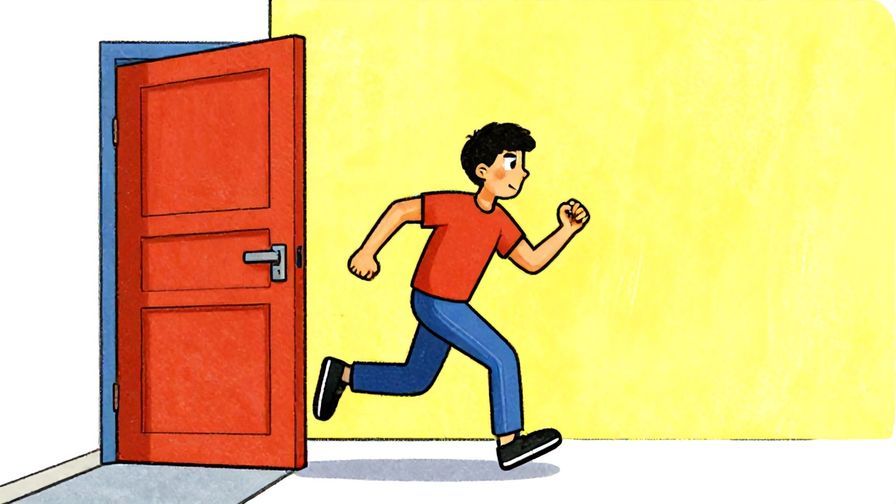
ギリギリ is super common in daily Japanese and means “just barely” or “on the edge.”
Use it when you arrive just before something closes or finish work right at the deadline.
It’s easy to remember because it sounds like “giri giri,” mimicking the tension of cutting it close.
Don’t confuse it with ギリ (giri), which can mean obligation or duty!
Example: 電車にギリギリ間に合った (Densha ni girigiri maniatta) – “I just barely caught the train.”
It’s a great word to practice for everyday situations!
3. ぎりぎりセーフ (Girigiri seefu) – “Just safe”

Adding セーフ (safe) to ギリギリ gives it a playful twist meaning “just safe” or “made it just in time.”
It’s casual and often used among friends or in fun conversations.
Because it includes an English loanword, it’s easier for learners to remember.
This phrase perfectly conveys relief mixed with close timing.
Example: テストにぎりぎりセーフだったよ!(Tesuto ni girigiri seefu datta yo!) – “I barely passed the test!”
Use this to share your near-misses with a smile!
4. ちょうど間に合った (Chōdo ma ni atta) – “Just made it in time”

ちょうど means “exactly” or “just,” and 間に合った means “made it in time.”
This phrase is straightforward and polite enough for everyday use with friends or coworkers.
It’s a go-to when you want to say you arrived right on schedule.
Great for practicing natural sentence structure.
Example: ちょうどバスに間に合った!(Chōdo basu ni ma ni atta!) – “I just made it to the bus!”
Use it when timing is perfect but not stressful.
5. 間に合う (Ma ni au) – “To be in time”
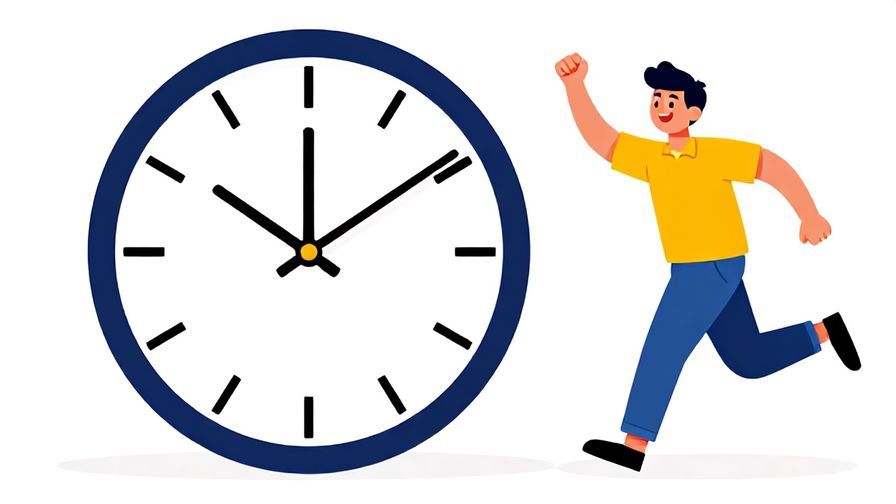
This is the basic verb phrase meaning “to be in time” or “to make it.”
It’s versatile for all kinds of timing situations—from catching trains to finishing work.
Easy to conjugate and use in positive or negative forms.
Example: 大丈夫、間に合うよ!(Daijōbu, ma ni au yo!) – “Don’t worry, I’ll make it in time!”
Keep this phrase handy for everyday timing talk.
Combining it with adverbs like ぎりぎり makes it even more expressive.
6. 間一髪で助かった (Kan ippatsu de tasukatta) – “Saved by a hair’s breadth”

This is a longer version of 間一髪 that adds the verb 助かった (tasukatta) meaning “was saved” or “was helped.”
It emphasizes that you not only made it but were rescued from trouble.
Great for storytelling or dramatic moments.
Example: 車に間一髪で助かった!(Kuruma ni kan ippatsu de tasukatta!) – “I was saved by a hair’s breadth from the car!”
A vivid way to express that nail-biting relief.
Try it when you want to sound more descriptive and emotional.
7. ぎりぎり間に合った (Girigiri ma ni atta) – “Barely made it on time”

This phrase combines ぎりぎり (just barely) with 間に合った (made it in time).
It’s perfect for informal spoken Japanese and sounds very natural.
Use it to brag a little about overcoming a tight deadline or schedule.
Example: ぎりぎり間に合ったね!(Girigiri ma ni atta ne!) – “You barely made it on time!”
Simple, effective, and easy to remember.
Practice it to sound like a native in casual chats.
8. まさにその時 (Masani sono toki) – “Just at that moment”

まさに means “exactly” or “precisely,” and その時 means “that moment.”
This phrase is great for emphasizing perfect timing in storytelling or conversations.
It’s slightly more formal but still casual enough for daily use.
Example: まさにその時、電話が鳴った。(Masani sono toki, denwa ga natta.) – “Just at that moment, the phone rang.”
Use it to highlight moments that happen right on time.
It adds a nice dramatic flair to your stories!
Part 2: Polite & Formal Suggestions
9. 時間ぎりぎりで (Jikan girigiri de) – “At the very last minute”

This phrase is polite and perfect for work or formal contexts.
時間 means “time,” and ぎりぎりで means “at the very edge,” so together it means “just barely on time.”
Use it when explaining how you finished something right before a deadline.
Example: 会議に時間ぎりぎりで到着しました。(Kaigi ni jikan girigiri de tōchaku shimashita.) – “I arrived at the meeting just in time.”
It’s a professional way to show punctuality under pressure.
Great for emails or polite conversations.
10. 何とか間に合わせた (Nantoka ma ni awaseta) – “Managed to make it on time”

何とか means “somehow” or “by some means,” and 間に合わせた is the past tense of “to make it in time.”
This phrase expresses relief and effort in making a deadline.
It’s polite but also casual enough for coworkers or acquaintances.
Example: プレゼンに何とか間に合わせました。(Purezen ni nantoka ma ni awasemashita.) – “I somehow managed to make it to the presentation on time.”
Use it to show you worked hard to beat the clock.
It adds a nice humble touch to your success story.
11. ぎりぎりのタイミングで (Girigiri no taimingu de) – “At the last possible timing”
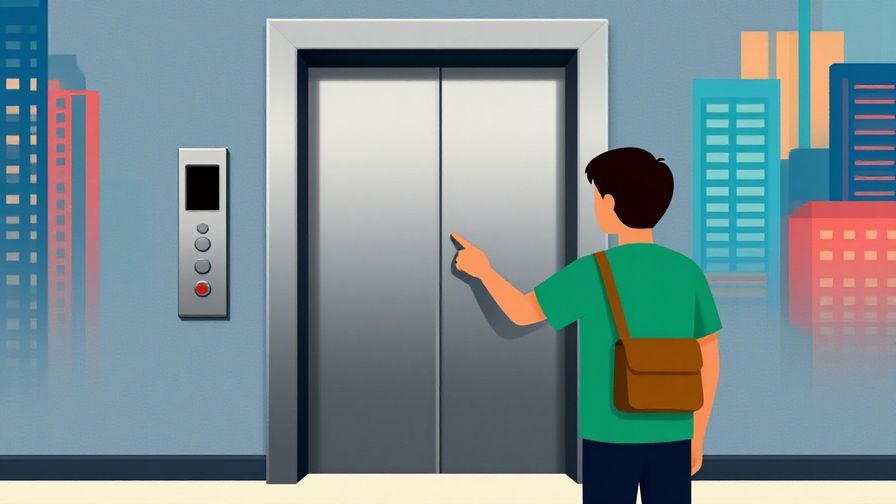
This phrase uses the loanword タイミング (timing) and makes it polite and precise.
It’s great for formal or semi-formal speech and writing.
Example: ぎりぎりのタイミングで到着しました。(Girigiri no taimingu de tōchaku shimashita.) – “I arrived at the last possible moment.”
Perfect when you want to sound refined and exact.
Try this when describing important events or deadlines.
It’s a neat phrase that mixes Japanese and English naturally.
12. ほとんど間に合わなかった (Hotondo ma ni awanakatta) – “Almost didn’t make it”
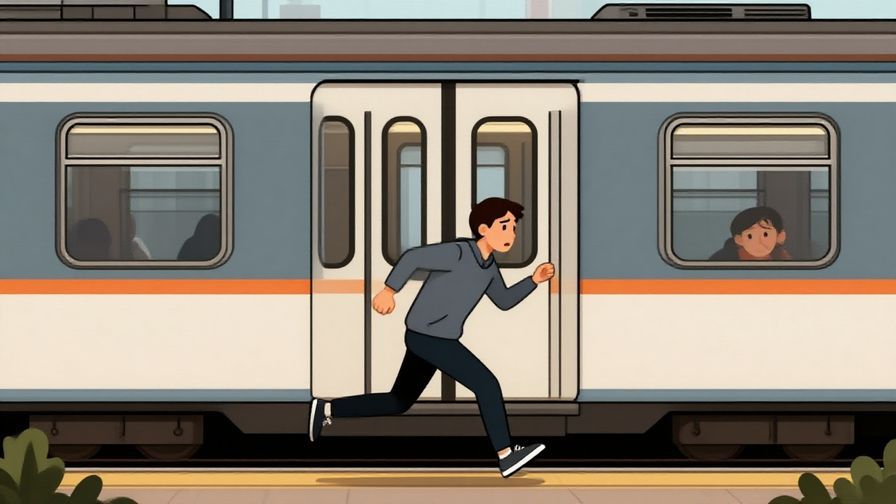
This phrase is a bit negative but realistic.
ほとんど means “almost,” and 間に合わなかった is the negative past of “to make it in time.”
Use it to admit you barely missed or nearly missed the timing.
Example: ほとんど間に合わなかったけど、間に合った。(Hotondo ma ni awanakatta kedo, ma ni atta.) – “I almost didn’t make it, but I did.”
It’s an honest way to talk about tight timing.
Good for casual or honest conversations.
13. 危うく間に合わないところだった (Ayauku ma ni awanai tokoro datta) – “I almost didn’t make it”

危うく means “nearly” or “almost,” and this phrase is a bit longer and formal.
It’s great for storytelling in polite speech.
Example: 危うく間に合わないところだった。(Ayauku ma ni awanai tokoro datta.) – “I almost didn’t make it.”
Use it to describe a close call with a little drama.
It sounds natural and polite.
Good for conversations or writing where you want to be clear and expressive.
14. 何とか間に合いました (Nantoka ma ni aimashita) – “I somehow made it in time”

Similar to 何とか間に合わせた but polite and past tense.
It’s a humble and thankful way to say you made it just in time.
Example: 何とか間に合いました、ありがとうございます。(Nantoka ma ni aimashita, arigatō gozaimasu.) – “I somehow made it in time, thank you.”
Perfect for formal or polite conversations.
Try it in business settings or with elders.
It shows effort and gratitude combined.
15. 余裕で間に合った (Yoyū de ma ni atta) – “Made it with time to spare”

余裕 means “room,” “margin,” or “leeway.”
This phrase means you made it well before the deadline, no stress.
It’s a positive expression used to boast a little about your timing.
Example: 今日は余裕で間に合ったよ!(Kyō wa yoyū de ma ni atta yo!) – “Today I made it with plenty of time to spare!”
Great for casual and friendly conversations.
Use it when you want to sound confident.
16. 間に合わなかったら大変だった (Ma ni awanakattara taihen datta) – “It would have been terrible if I hadn’t made it”

This phrase talks about how bad things could have been if timing failed.
It’s useful for emphasizing the importance of making it just in time.
Example: 間に合わなかったら大変だったよ。(Ma ni awanakattara taihen datta yo.) – “It would’ve been terrible if I hadn’t made it.”
Use it to tell stories with a bit of tension and relief.
Good for polite conversations.
It adds emotional weight to your timing story.
Part 3: Very Casual / Native-like Expressions
17. ギリセーフ (Giri seefu) – “Barely safe”
A short and casual loanword phrase popular among young people.
It’s a playful and lighthearted way to say “just made it.”
Try it when chatting with friends or on social media.
Example: ギリセーフ!間に合った!(Giri seefu! Ma ni atta!) – “Barely safe! Made it on time!”
Easy to say and fun to use.
Perfect for informal moments!
18. ぎりっす (Giri ssu) – “Just barely” (slang)

A slangy, shortened version of ぎりぎり used in casual speech.
It sounds very native and is often used between close friends.
Example: 昨日の試合、ぎりっすだったよ。(Kinō no shiai, giri ssu datta yo.) – “Yesterday’s game was just barely made.”
Use it to sound extra casual and in-the-know.
Great for informal chats and texting.
Be careful not to use this in formal settings.
19. セーフセーフ (Seefu seefu) – “Safe safe”

A playful repetition of “safe” to emphasize relief.
Super casual and fun, often used humorously.
Example: 電車に間に合ってセーフセーフ!(Densha ni mani atte seefu seefu!) – “Made the train just in time, safe safe!”
Great for informal conversations or social media posts.
It’s catchy and easy to remember.
Use it when you want to celebrate a narrow escape.
20. ぎりぎりアウト寸前 (Girigiri auto sunzen) – “Just about to be out”

アウト means “out,” and 寸前 means “just before.”
This phrase means you barely avoided failure or being late.
Example: ぎりぎりアウト寸前だったけど助かった。(Girigiri auto sunzen datta kedo tasukatta.) – “I was just about to be out but got saved.”
It sounds very native and casual.
Use it to describe near misses or close calls.
Good for storytelling with friends.
21. ぎりぎりセーフだったよ (Girigiri seefu datta yo) – “It was just barely safe”

This is a fuller sentence of the casual phrase ぎりぎりセーフ.
It adds a natural, friendly tone.
Example: 試験はぎりぎりセーフだったよ。(Shiken wa girigiri seefu datta yo.) – “I barely passed the exam.”
Use it when sharing relief with friends or family.
It’s friendly and relatable.
Perfect for casual storytelling.
22. まさにギリギリ (Masani girigiri) – “Exactly just barely”

まさに means “exactly,” paired with ぎりぎり for extra emphasis.
This phrase highlights perfect, tight timing in a casual way.
Example: まさにギリギリで間に合った!(Masani girigiri de ma ni atta!) – “I made it exactly just in time!”
Use it for dramatic or fun moments.
It’s easy to remember and very common.
Great for sounding natural and lively.
Concluding Thought
Exploring these 22 Japanese ways to say “in the nick of time” shows just how rich and expressive the language is when it comes to timing.
From formal to casual, each phrase offers a different flavor to fit your mood and situation perfectly.
So next time you make it just in time, you’ll have plenty of ways to say it—and sound like a true native!