22 Japanese ways to say “It’s a trap”
Have you ever wanted to shout “It’s a trap!” in Japanese, whether watching a movie, playing a video game, or just joking with friends? Well, you’re in luck! Japanese offers a ton of fun ways to express that exact warning, with different flavors depending on how casual, formal, or dramatic you want to be.
This list will take you on a linguistic adventure through 22 distinct phrases that capture the feeling of “It’s a trap.” Some are straightforward, others playful, and a few are downright sneaky!
Learning these will not only boost your Japanese skills but also give you insider expressions that natives love. Whether you want to sound like a savvy anime fan or just impress your friends, these phrases have got you covered.
So, get ready to expand your Japanese vocabulary with expressions that warn of danger, trickery, or deceit—perfect for those “aha!” moments when you realize you’re about to get caught.
Plus, mastering these phrases might even help you spot traps in real life, or at least sound super cool trying!
Let’s dive in and discover 22 Japanese ways to say “It’s a trap!” that you can use anytime.
Understanding “It’s a Trap” in Japanese Context
Before jumping into the list, it’s good to know that Japanese culture often values subtlety and context. So, how you say “It’s a trap” depends on the situation and who you’re talking to.
Some expressions are direct and bold, suitable for dramatic moments, while others hint at danger more indirectly. Knowing this helps you pick the perfect phrase for any occasion.
Keep in mind that tone and body language also play a big role in getting the message across in Japanese.
Using a great Japanese language learning book can help you deepen your understanding of these nuances.
Start by getting familiar with the simplest and most common phrases, then explore the more colorful ones.
Remember, practicing with native speakers or media will make these phrases stick with you much better.
Part 1: Casual Suggestions
1. 罠だよ! (Wana da yo!) – “It’s a trap!”
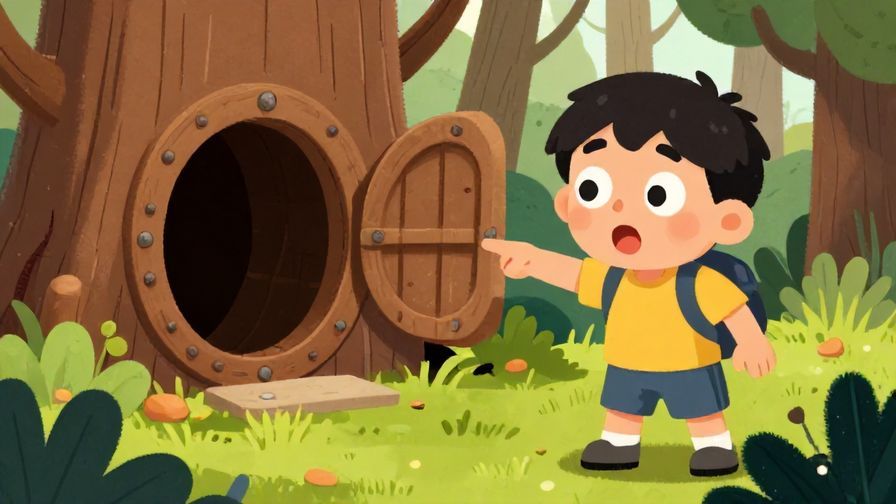
This is the most direct and simple way to say “It’s a trap!” in Japanese. “罠” (wana) means “trap,” “だ” (da) is the casual form of “is,” and “よ” (yo) adds emphasis.
Perfect when you want to warn friends quickly and clearly, especially in casual conversations or games.
It’s easy to remember because it’s short and to the point.
Use it when something feels suspicious or you want to call out a trick immediately.
Similar phrases might drop the “よ” for a softer tone, like just “罠だ.”
Try saying it aloud with a sense of urgency to nail the feeling!
2. 引っかかるよ! (Hikkakaru yo!) – “You’ll get caught!”
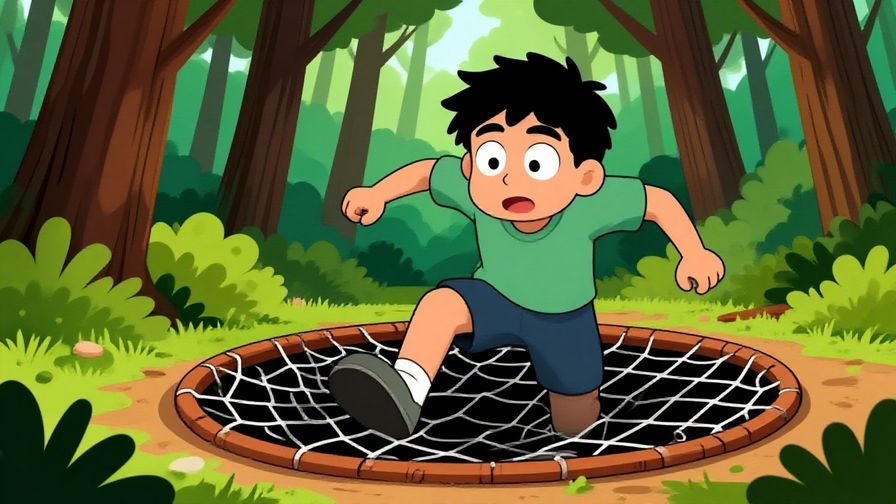
“引っかかる” (hikkakaru) means “to get caught” or “to be trapped.” Adding “よ” adds urgency.
This phrase warns someone they’re about to fall for a trap, making it playful and a bit more conversational.
Great for friendly teasing or warning someone in a casual setting.
It’s a good phrase to practice if you want to sound natural and a bit cheeky.
Watch out not to use it too formally—it’s best with friends or peers.
Try it when you want to say “Watch out, don’t fall for that!” in a lighthearted way.
3. 罠にかかった! (Wana ni kakatta!) – “I got caught in a trap!”
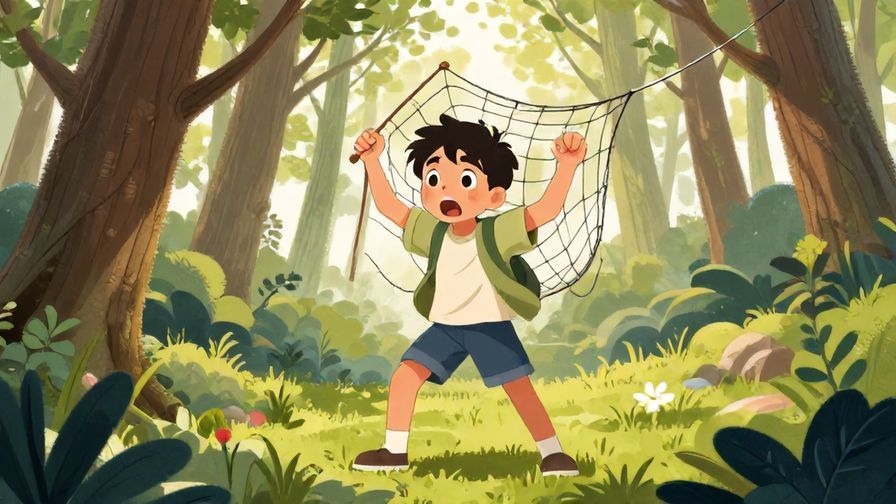
This phrase literally means “I got caught in a trap.” “罠” (wana) is “trap,” “に” (ni) is a particle meaning “in,” and “かかった” (kakatta) is past tense of “to catch.”
Use it to express surprise or frustration after falling for a trick.
It’s perfect for storytelling or explaining your own mishap in a funny way.
It’s casual but clear, so it fits well in conversations with friends.
Try pairing it with expressive gestures for a fun effect.
It’s a great phrase to learn for sharing your “oops” moments!
4. やられた! (Yarareta!) – “I’ve been tricked!” or “It’s a trap!”
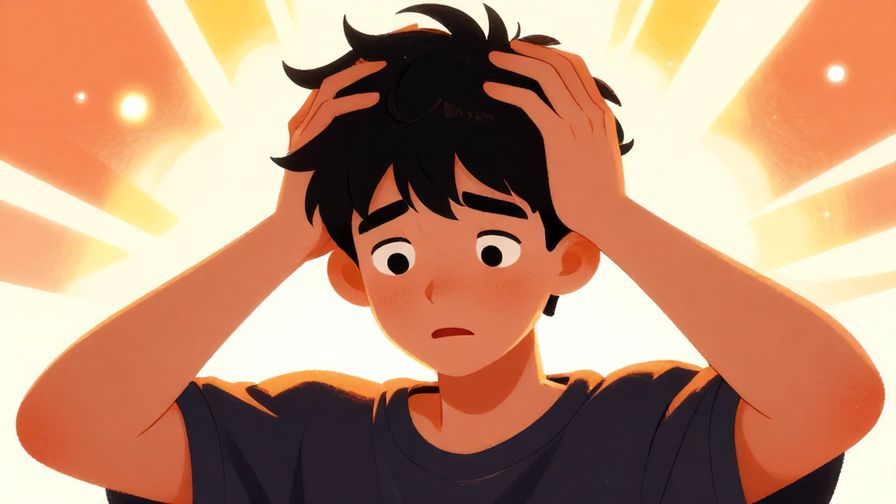
“やられた” (yarareta) means “I’ve been done in” or “I’ve been tricked.” It’s a casual expression often used in games or playful fights.
While not literally “It’s a trap,” it captures the feeling of realizing you’ve fallen for one.
It’s a versatile phrase to show defeat or surprise in a lighthearted way.
Use it when you’re caught off guard or knocked out in a game or argument.
It’s easy to say and very expressive.
Try using it to share your “trap moments” with friends!
5. 罠かもしれない (Wana kamoshirenai) – “It might be a trap.”

This phrase adds a bit of caution: “かもしれない” (kamoshirenai) means “might” or “maybe.”
It’s a softer way to warn someone something could be a trap, useful when you’re uncertain but suspicious.
Great for conversations where you don’t want to sound too harsh or definitive.
It’s a useful phrase for beginners learning to express possibility or doubt.
Try it before jumping to conclusions—it keeps things polite yet clear.
Using this phrase shows you’re thinking critically about the situation.
6. 気をつけて!罠だよ! (Ki o tsukete! Wana da yo!) – “Be careful! It’s a trap!”

This is a friendly and direct warning combining “気をつけて” (ki o tsukete), meaning “be careful,” with “罠だよ” (wana da yo) “it’s a trap.”
It’s perfect for warning friends or family in everyday situations.
Easy to say and remember, it’s a great phrase for learners to practice tone and emphasis.
Use it when you want to catch someone’s attention quickly and clearly.
It’s a phrase that shows you care and want to protect someone from danger.
Try it out in playful situations or real warnings alike!
7. それは罠だ! (Sore wa wana da!) – “That’s a trap!”
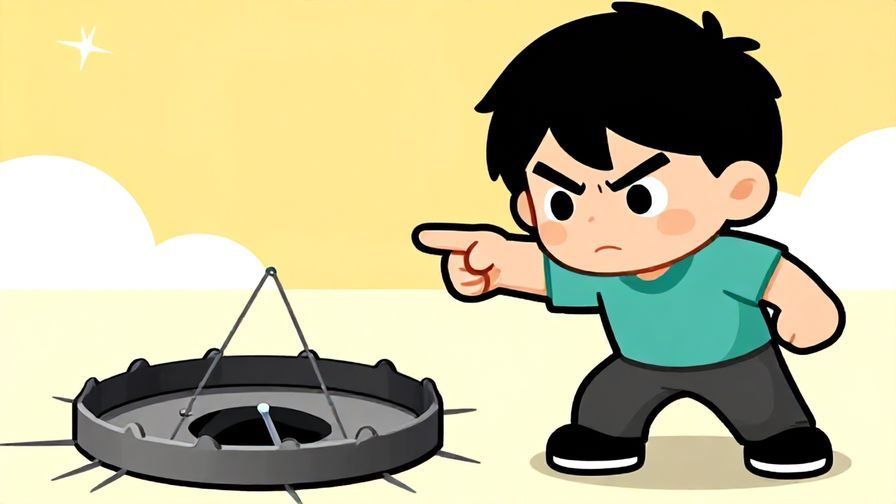
“それは罠だ” (sore wa wana da) means “That’s a trap.” It’s a straightforward, casual way to identify something as a trap.
“それ” (sore) means “that,” “は” (wa) is the topic marker, and “罠だ” (wana da) means “is a trap.”
It’s useful when pointing out a danger directly during conversations.
Great for beginners because it’s simple and logical.
Try using it in situations where you want to sound confident and clear.
This phrase is a go-to for quick warnings.
8. 罠に気をつけて! (Wana ni ki o tsukete!) – “Watch out for traps!”
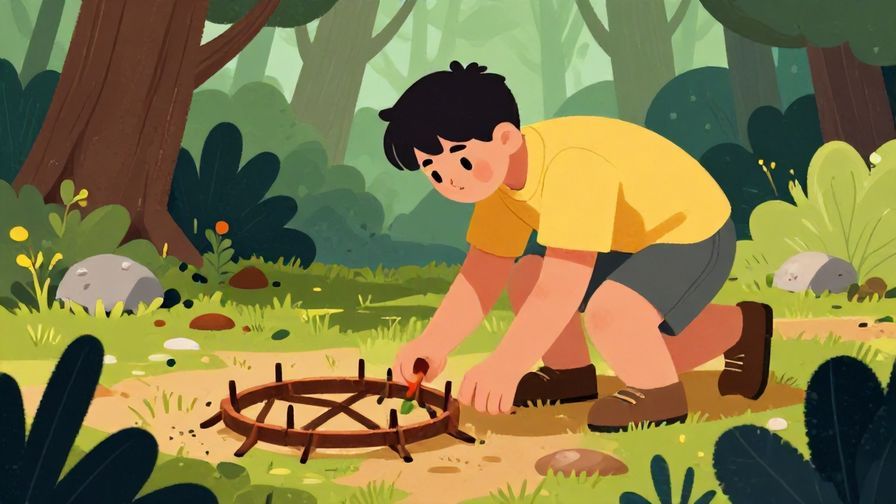
This phrase literally means “Be careful of traps.” It’s a great way to warn someone to stay alert.
“罠に” (wana ni) means “to/for the trap,” and “気をつけて” (ki o tsukete) means “be careful.”
It’s practical and used often in games, hikes, or any situation with potential danger.
Easy to remember and apply in daily conversation.
Practice saying it with a warning tone to sound natural.
Use it when you want to give a heads-up without being too dramatic.
Part 2: Polite & Formal Suggestions
9. 罠かもしれません (Wana kamoshiremasen) – “It might be a trap.” (polite)

Adding “かもしれません” (kamoshiremasen) makes this phrase polite and appropriate for formal situations.
It’s great for workplace conversations or when you want to be respectful.
Perfect for learners who want to sound polite but still convey caution.
Use it when you’re unsure but want to warn someone gently.
It’s a useful phrase to have for professional or unfamiliar settings.
Try practicing it with polite intonation for smooth delivery.
10. 罠の可能性があります (Wana no kanōsei ga arimasu) – “There is a possibility of a trap.”
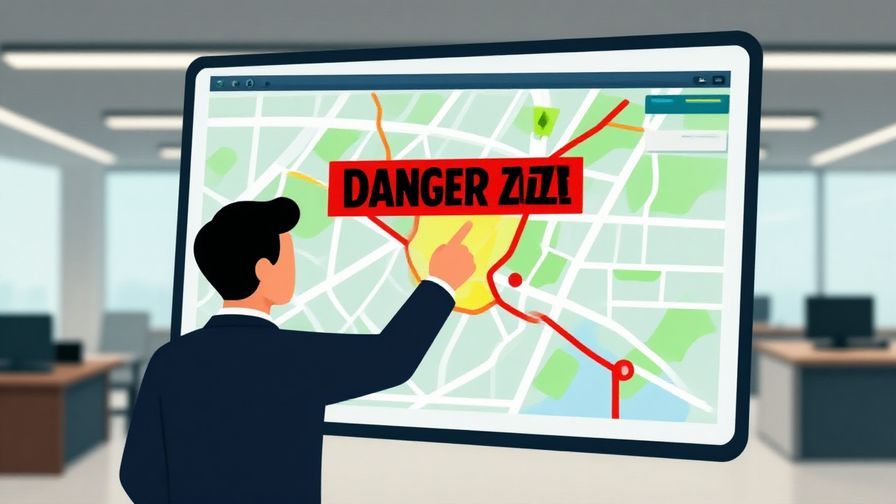
This phrase is very formal and often used in written or serious spoken contexts.
“可能性” (kanōsei) means “possibility,” so this literally says “there is a possibility of a trap.”
It’s perfect for reports, presentations, or careful warnings.
Best for intermediate learners aiming to sound professional.
Use it when you want to be precise and cautious.
Pair it with clear explanations to make your point strong.
11. ご注意ください、罠があります (Go-chūi kudasai, wana ga arimasu) – “Please be careful, there is a trap.”
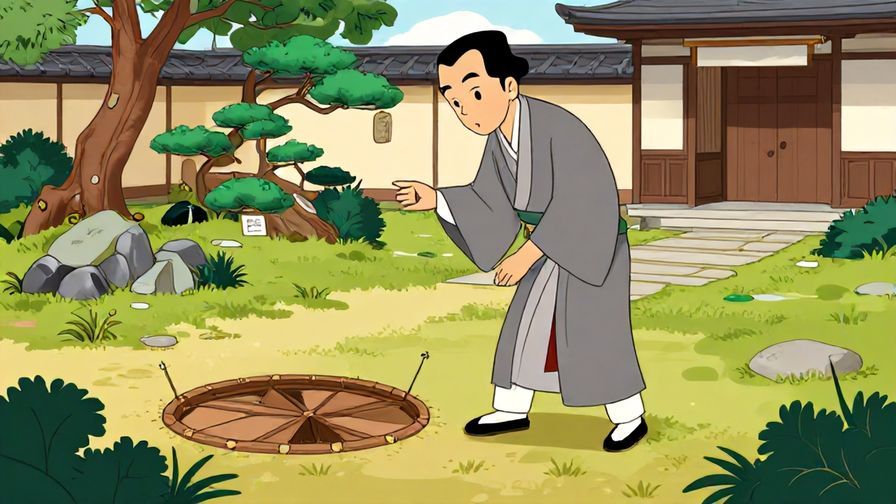
This is a very polite and respectful way to warn someone.
“ご注意ください” (go-chūi kudasai) means “please be careful,” while “罠があります” (wana ga arimasu) means “there is a trap.”
Great for formal announcements or when you want to sound considerate.
Use it in public settings or when addressing strangers.
It’s a phrase that shows politeness and concern.
Practice it to sound courteous and clear.
12. これは罠です (Kore wa wana desu) – “This is a trap.”
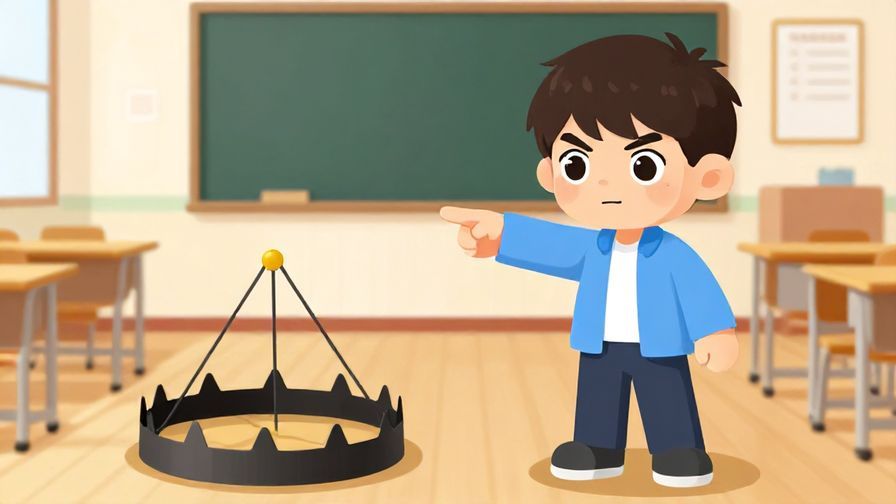
Simple and polite, this phrase uses “です” (desu) to soften the statement.
“これは” (kore wa) means “this is,” and “罠です” (wana desu) means “a trap.”
Good for polite conversations without sounding too stiff.
Use it when you want to be clear but respectful.
It’s a phrase easy to learn and very versatile.
Try it in different contexts to get comfortable with polite speech.
13. 罠にかかる恐れがあります (Wana ni kakaru osore ga arimasu) – “There is a risk of falling into a trap.”
This phrase is quite formal and detailed.
“恐れがあります” (osore ga arimasu) means “there is a fear/risk.”
It’s perfect when you want to express potential danger carefully and fully.
Good for reports, warnings, or serious conversations.
Try it when you want to sound thoughtful and precise.
It’s a great phrase for advanced learners.
14. 罠を見抜いてください (Wana o minuite kudasai) – “Please see through the trap.”

This polite phrase asks someone to be vigilant and recognize traps.
“見抜く” (minuku) means “to see through” or “to detect.”
It’s encouraging and respectful, perfect for advice or instruction.
Use it when you want to empower someone to be cautious.
It’s a confident and kind phrase to add to your vocabulary.
Practice it to sound polite and encouraging.
15. 罠に注意を払ってください (Wana ni chūi o haratte kudasai) – “Please pay attention to traps.”

This is a formal way to ask someone to be cautious of traps.
“注意を払う” (chūi o harau) means “to pay attention” or “to be careful.”
Great for instructions or warnings in serious contexts.
Use it when you want to sound helpful and respectful.
It’s a useful phrase for both spoken and written Japanese.
Try it when you’re giving advice or safety tips.
16. 罠を避けてください (Wana o sakete kudasai) – “Please avoid the trap.”

This polite phrase advises someone to steer clear of traps.
“避ける” (sakeru) means “to avoid.”
It’s straightforward and polite, good for giving clear instructions.
Use it when you want to be direct but respectful.
It’s easy to remember and very practical.
Try it to sound helpful and polite in tricky situations.
Part 3: Very Casual / Native-like Expressions
17. 罠じゃん! (Wana jan!) – “It’s a trap, duh!”
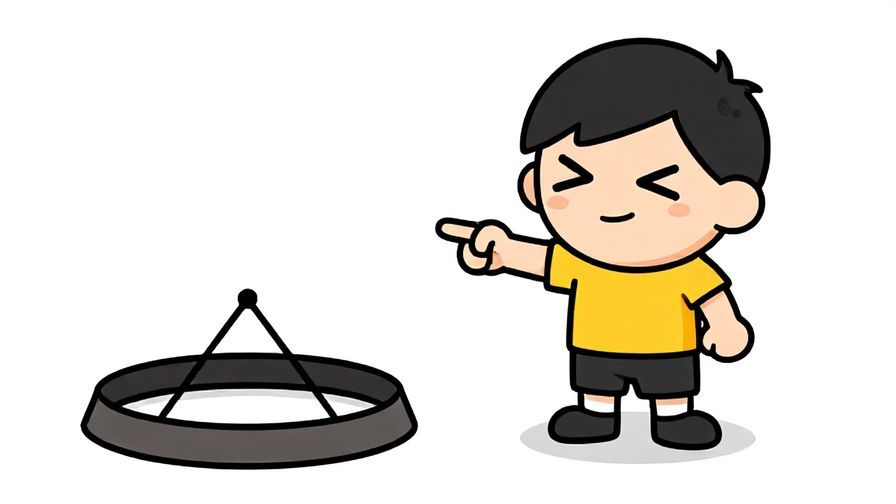
“じゃん” (jan) is a casual sentence-ending particle that adds emphasis and a bit of sass.
This phrase sounds very natural and is often used by younger people.
It’s great for casual conversations and adds some personality.
Use it when you want to sound like a native who’s in the know.
Try it with a playful tone to keep things light.
It’s a fun way to call out traps among friends.
18. 罠っぽいね (Wana ppoi ne) – “Looks like a trap, huh?”

“っぽい” (ppoi) means “-ish” or “looks like.”
This phrase is casual and a bit tentative, perfect for speculation.
It’s useful when you want to express suspicion without being too sure.
Great for casual chats or when you’re unsure.
Practice it to sound natural and conversational.
It’s a subtle way to point out a trap without sounding alarmist.
19. 罠じゃね? (Wana ja ne?) – “Isn’t it a trap?”

This is a casual and colloquial way to question if something is a trap.
“じゃね?” (ja ne?) is a slang contraction of “じゃない?” meaning “isn’t it?”
It’s commonly used among friends and in informal settings.
Use it to sound like a native speaker who’s casually guessing.
Try it to add a bit of doubt or playfulness to your conversation.
It’s a handy phrase for everyday chat.
20. 罠にハマった! (Wana ni hamatta!) – “I fell into a trap!”

“ハマる” (hamaru) means “to get stuck” or “to fall into.”
This phrase is very natural and often used in daily conversation.
It’s great for expressing regret or frustration after being tricked.
Use it to share your “trap” stories with humor or honesty.
It’s casual and expressive, perfect for friends.
Try it to sound like a native describing a tricky situation.
21. 罠に引っかかった! (Wana ni hikkakatta!) – “I got caught in a trap!” (casual)
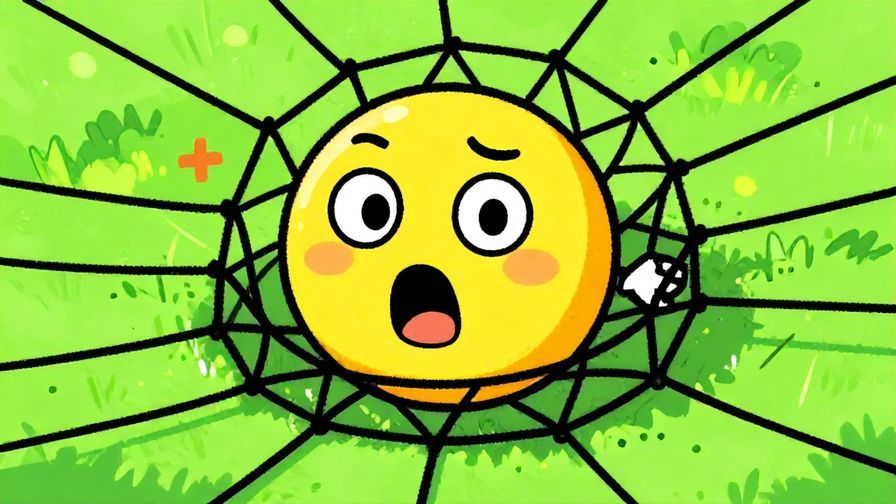
This is similar to #3 but more casual with “引っかかる” (hikkakaru) meaning “to get caught.”
It’s expressive and perfect for casual storytelling.
Use it when you want to sound natural and relatable.
It’s a phrase that fits well in everyday conversation.
Practice it to add emotional depth to your stories.
It’s a fun way to talk about tricky experiences.
22. 罠に気づけよ! (Wana ni kizuke yo!) – “Notice the trap!” (casual, commanding)
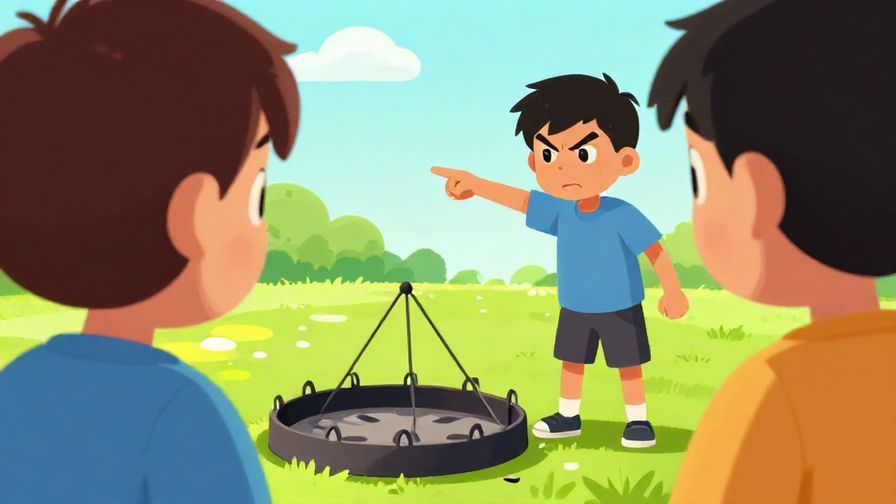
This phrase is a casual, somewhat commanding way to say “Pay attention to the trap!”
“気づけ” (kizuke) is the imperative form of “to notice.”
It’s often used among close friends or in dramatic moments.
Use it to express frustration or urgency.
It’s a phrase that shows strong emotion and immediacy.
Try using it in playful or serious contexts to add intensity.
Concluding Thought
Learning how to say “It’s a trap” in Japanese opens a window into the culture’s rich ways of expressing caution, surprise, and humor.
From casual slang to polite warnings, these 22 phrases give you the tools to sound natural and confident no matter the situation.
Keep practicing, and soon you’ll be spotting—and calling out—traps like a true native speaker. Ganbatte!