22 Japanese ways to say “You had to jinx it”
Ever had that moment when everything’s going great, and then—bam!—someone says something that totally jinxes it? We’ve all been there, right?
In Japanese, there are so many warm, funny, and relatable ways to express “You had to jinx it.” It’s not just about superstition but also about those little everyday quirks in conversations.
Whether you’re chatting with friends or want to sound more natural in Japanese, knowing these phrases will definitely come in handy.
This listicle is your fun guide to 22 Japanese expressions that capture that exact feeling of “jinxing” a good moment, from casual to polite to native-like.
Plus, learning these phrases will help you connect better with Japanese speakers and add some personality to your conversations.
Ready to get started? Let’s dive into the world of Japanese jinxing expressions!
What Does “You Had to Jinx It” Mean in Japanese Context?
Before we jump in, let’s quickly look at what “jinx” really means in Japanese culture.
While the word “jinx” itself isn’t used commonly, the idea of tempting fate or “calling it” and then having things go wrong is definitely understood.
Many expressions revolve around teasing someone who unintentionally caused bad luck or spoiled a good vibe.

If you want to explore the basics, a handy beginner phrasebook can really help you build a strong foundation.
Once you get the feel of these phrases, you’ll spot them popping up in anime, dramas, and everyday chats.
Let’s see how you can say “You had to jinx it” in Japanese in fun and natural ways!
Part 1: Casual Suggestions
1. やっぱり言っちゃった (Yappari icchatta) – “You just had to say it, huh?”

This phrase literally means “As expected, you went and said it.”
“Yappari” means “as expected” or “after all,” and “icchatta” is the casual past form of “to say,” with a nuance of accidentally or impulsively doing so.
It’s perfect when someone’s comment causes a sudden change or bad luck.
Use it when you want to tease your friend without sounding too harsh.
It’s similar to saying “You just had to say that, didn’t you?” in English.
Try it next time someone “jinxes” a good moment with their words!
2. 言わなきゃよかったのに (Iwanakya yokatta noni) – “You shouldn’t have said that.”
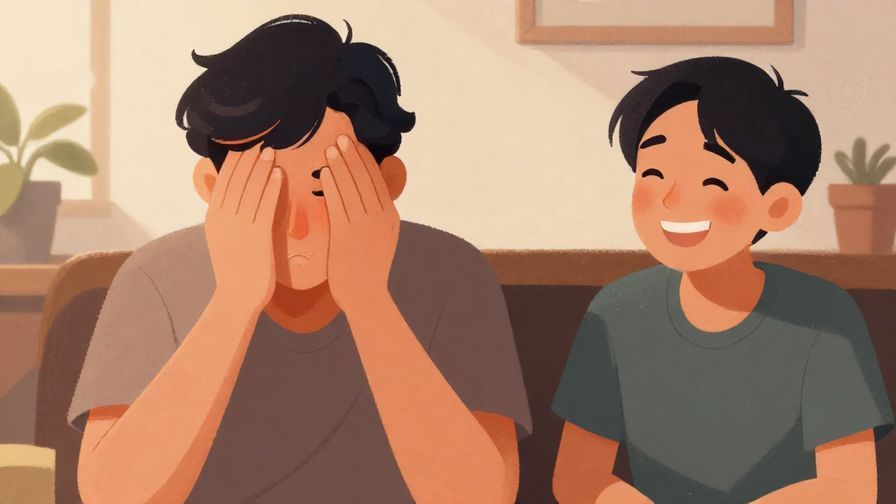
This phrase is a gentle way to say someone should have kept quiet.
“Iwanakya yokatta” means “it would have been better if you hadn’t said,” and “noni” adds a feeling of regret or “but.”
It’s useful when you want to express that their words caused trouble or bad luck.
It’s kind but still gets the message across.
A nice phrase for casual conversations with friends or family.
Keep it in your back pocket for those “jinx” moments!
3. それ言っちゃダメでしょ (Sore iccha dame desho) – “You really weren’t supposed to say that.”
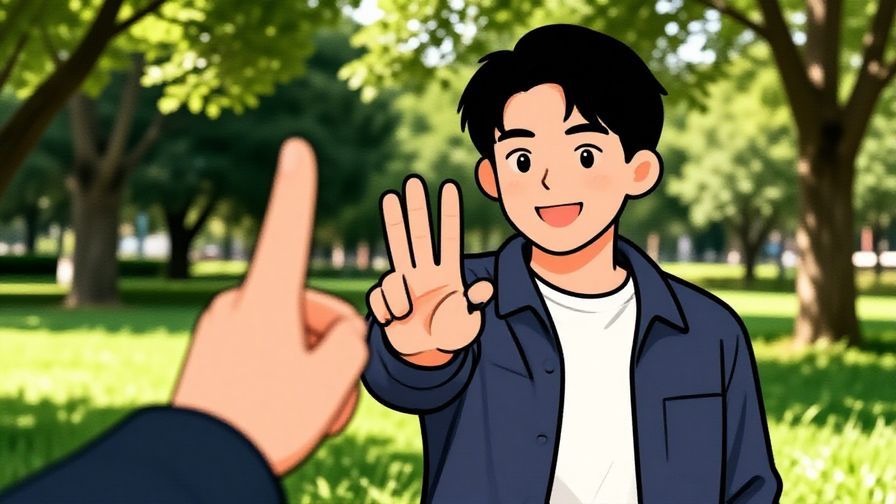
This is a playful but mildly scolding phrase.
“Sore” means “that,” “iccha” is casual for “said it,” and “dame desho” means “not good, right?” or “you shouldn’t.”
It’s like saying “You shouldn’t have said that!” in an informal way.
Great for teasing a friend who jinxed something by speaking too soon.
It’s very natural and common in everyday speech.
Try it out next time the timing of words goes wrong!
4. 運を逃したね (Un o nogashita ne) – “You lost your luck, huh?”
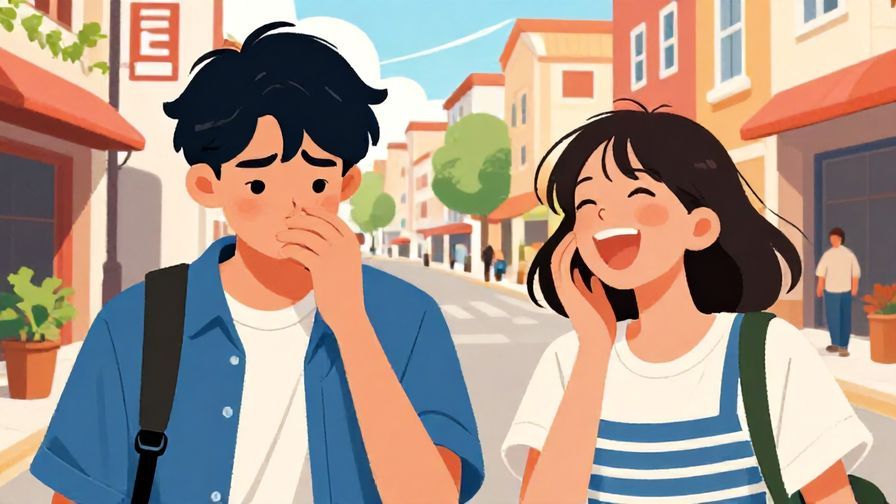
This phrase literally means “You missed out on your luck.”
“Un” means “luck,” “nogashita” means “escaped” or “missed,” and “ne” adds a friendly tag.
It’s a lighthearted way to say someone jinxed the situation.
Works well when you want to tease without harshness.
You can use it casually or in friendly teasing contexts.
This phrase feels natural and relatable for everyday chats.
5. それ言って運悪くしたね (Sore itte un waruku shita ne) – “You said that and brought bad luck.”
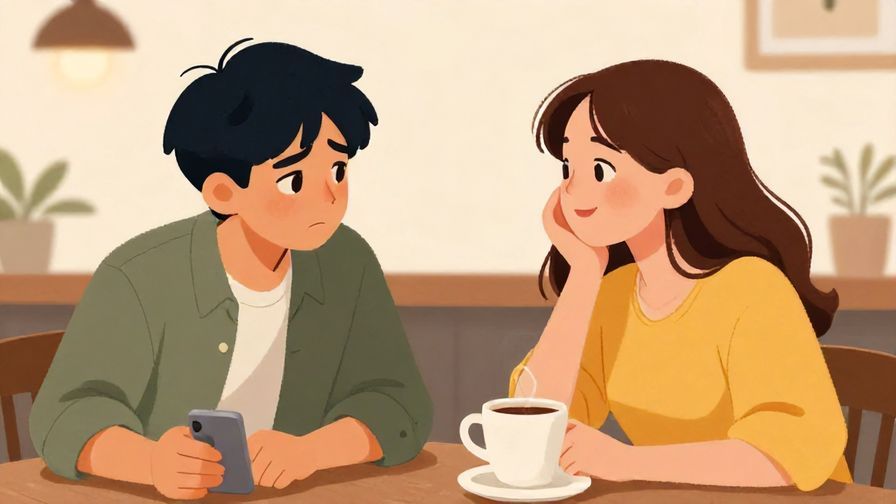
This phrase is straightforward and descriptive.
“Sore itte” means “saying that,” “un waruku shita” means “made the luck bad,” and “ne” adds a conversational tone.
It’s perfect when you want to say someone’s words caused the bad outcome.
Useful in casual but clear expressions of “jinxing.”
You can soften it by adding a smile or playful tone.
Try it for a direct yet friendly way to call out a jinx.
6. 口は災いの元だよ (Kuchi wa wazawai no moto da yo) – “The mouth is the source of disaster.”
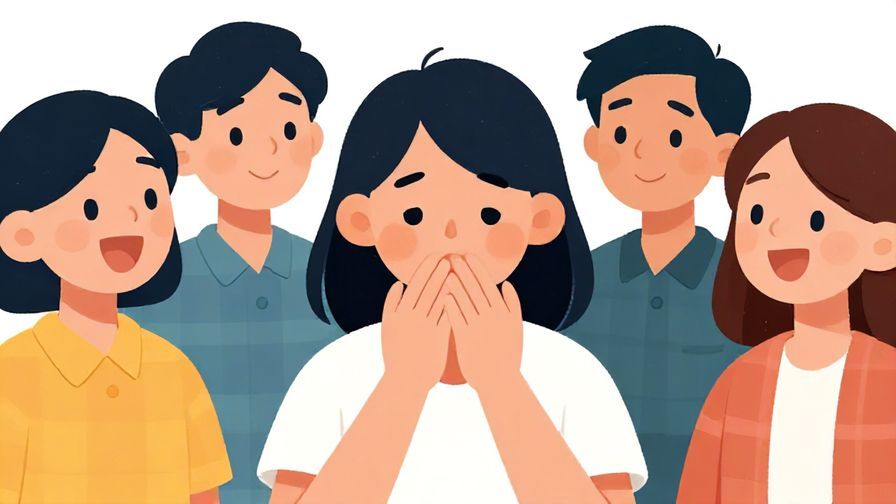
This is a classic Japanese proverb meaning you shouldn’t speak carelessly.
“Kuchi” means “mouth,” “wazawai” is “disaster,” and “moto” means “origin.”
It’s a humorous way to say your words can bring bad luck or trouble.
Great for reminding friends to be cautious with what they say.
This phrase is widely understood and used.
Use it for a funny but wise comment on jinxing!
7. つい言っちゃったね (Tsu iicchatta ne) – “You just blurted it out, huh?”
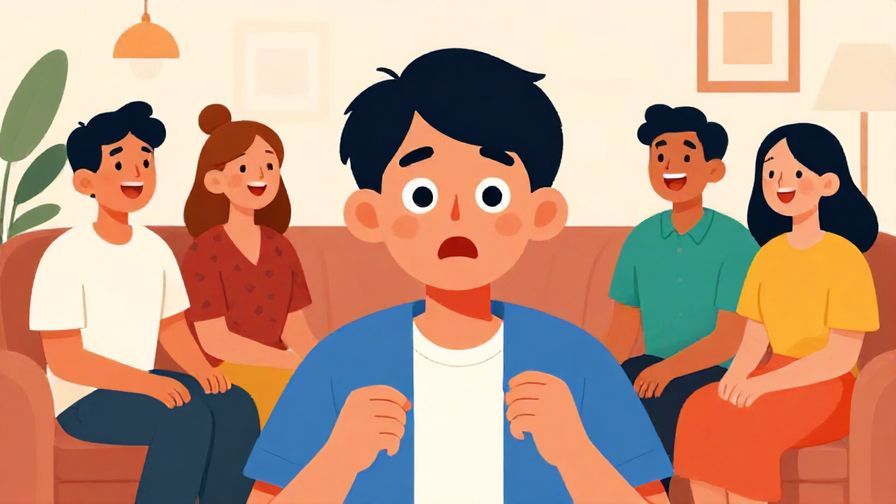
This phrase means someone accidentally said something they shouldn’t have.
“Tsu i” means “just” or “accidentally,” “icchatta” is the casual past of “say,” and “ne” adds a friendly tone.
It’s a gentle, teasing way to call out a jinx.
Perfect for casual conversations with close friends.
It feels natural and easy to remember.
Use it to lighten up those awkward jinx moments.
8. それ言うとだめでしょ (Sore iu to dame desho) – “You shouldn’t say that.”
This phrase is a casual but firm way of saying someone shouldn’t say something.
“Sore iu to” means “if you say that,” and “dame desho” means “it’s not good, right?”
It’s commonly used to warn someone about jinxing or tempting fate.
Good for friendly teasing or light criticism.
Try it when you want to sound natural and conversational.
It’s a handy phrase for everyday Japanese chats.
Part 2: Polite & Formal Suggestions
9. 言わない方がよかったですね (Iwanai hou ga yokatta desu ne) – “It would have been better if you hadn’t said that.”
This is a polite and soft way to express regret about something said.
“Iwanai hou ga yokatta” means “better not to have said,” and “desu ne” adds politeness and agreement.
Perfect in formal or workplace settings.
It politely implies that the statement caused a problem or jinx.
You can use it to maintain harmony while pointing out a mistake.
Great for professional conversations where you don’t want to be blunt.
10. ちょっと言わないでほしかったです (Chotto iwanaide hoshikatta desu) – “I wish you hadn’t said that.”
This phrase expresses polite disappointment.
“Chotto” means “a little,” “iwanaide” is “don’t say,” and “hoshikatta desu” means “I wished.”
It’s gentle and indirect, great for delicate situations.
Good for expressing that someone’s words caused a slight problem.
Use it in formal or semi-formal contexts.
A respectful way to address a jinx without conflict.
11. 言葉を選んでくださいね (Kotoba o erande kudasai ne) – “Please choose your words carefully.”
This is a polite reminder to be careful with words.
“Kotoba” means “words,” “erande kudasai” means “please choose,” and “ne” softens the request.
It doesn’t directly say “jinx,” but implies caution.
Great for professional or respectful conversations.
You can use this phrase to indirectly hint at avoiding tempting fate.
It feels considerate and mature.
12. それを言うと運が逃げますよ (Sore o iu to un ga nigemasu yo) – “If you say that, luck will run away.”
This phrase warns that saying something will cause bad luck to leave.
“Sore o iu to” means “if you say that,” “un ga nigemasu” means “luck runs away,” and “yo” adds emphasis.
It’s polite but clear about jinxing.
Works well in formal or casual polite contexts.
Try it when you want to sound like a gentle warning.
This phrase captures the idea of “jinxing” perfectly.
13. そう言うと縁起が悪いですよ (Sou iu to engi ga warui desu yo) – “Saying that is bad luck.”
This phrase uses “engi,” which means “omen” or “luck.”
“Sou iu to” means “if you say that,” and “engi ga warui” means “it is bad luck.”
Polite and direct, it points out superstitious consequences.
Great for polite social situations.
Use it when you want to express that certain words bring negative vibes.
It’s a culturally rich way to mention jinxing.
14. そんなこと言わないでください (Sonna koto iwanaide kudasai) – “Please don’t say such things.”
This is a polite but firm request to avoid saying something.
“Sonna koto” means “such things,” “iwanaide” means “don’t say,” and “kudasai” is “please.”
It’s useful when you want to stop jinxing comments.
Appropriate in both casual polite and formal settings.
Use this phrase to politely ask someone to hold back unlucky words.
It’s clear and respectful.
15. それは言わない方がいいと思います (Sore wa iwanai hou ga ii to omoimasu) – “I think it’s better not to say that.”
This phrase is a polite opinion about avoiding certain words.
“Sore wa iwanai hou ga ii” means “better not to say that,” and “to omoimasu” means “I think.”
It’s gentle and expresses personal advice.
Good for professional or respectful conversations.
Use it to avoid sounding accusatory but still suggest caution.
Perfect for nuanced social interactions.
16. ちょっと控えた方がいいかもしれません (Chotto hikaeta hou ga ii kamoshiremasen) – “Maybe it’s better to hold back a bit.”

This phrase softly suggests being careful about what you say.
“Chotto hikaeta hou ga ii” means “better to hold back a little,” and “kamoshiremasen” adds uncertainty like “maybe.”
It’s very polite and indirect.
Great for delicate situations where you don’t want to offend.
Use it to hint that speaking up might cause bad results.
A very useful expression in formal Japanese.
Part 3: Very Casual / Native-like Expressions
17. 余計なこと言っちゃったね (Yokei na koto icchatta ne) – “You said something unnecessary, huh?”
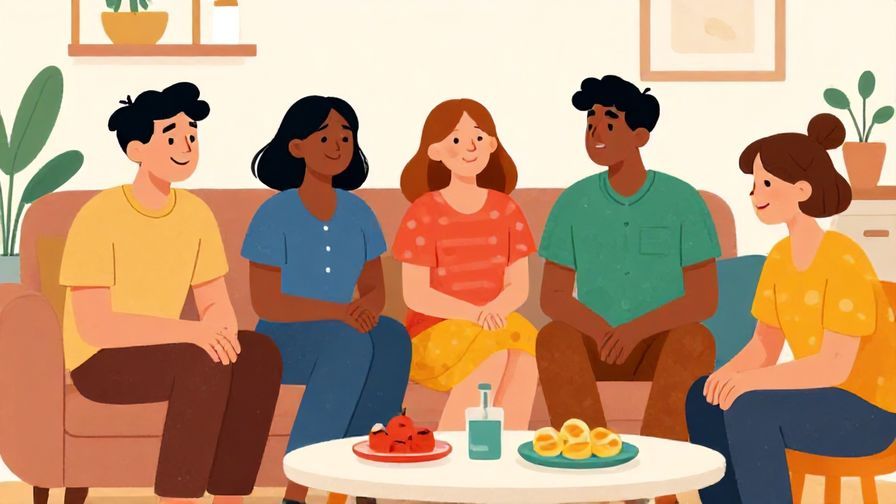
This phrase literally means “You said something extra/unneeded.”
“Yokei na koto” means “unnecessary thing,” and “icchatta ne” means “you said it, huh.”
It’s a playful way to say someone jinxed the moment by saying too much.
Very casual and common among young people.
Use it to tease friends when they spoil a good vibe.
It’s super natural and fits relaxed conversations.
18. それ、言わなきゃ良かったのに~ (Sore, iwanakya yokatta noni~) – “You really shouldn’t have said that~”
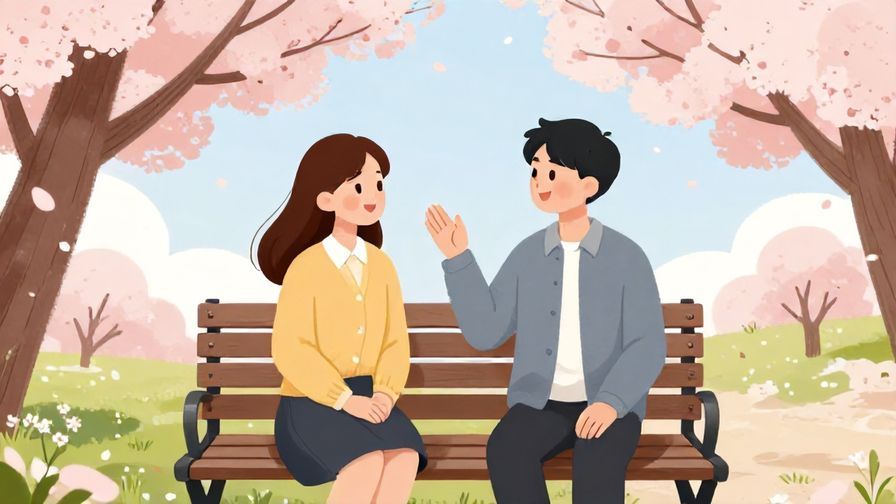
This is a casual, drawn-out way to express regret about what someone said.
The “~” tilde at the end shows a playful, sing-song tone.
Perfect for friends joking around after a jinx.
It sounds natural and very native-like.
Great for light teasing without being mean.
Try it when you want to sound like a local!
19. うわー、それ言ったらダメだよ! (Uwaa, sore ittara dame da yo!) – “Whoa, you can’t say that!”
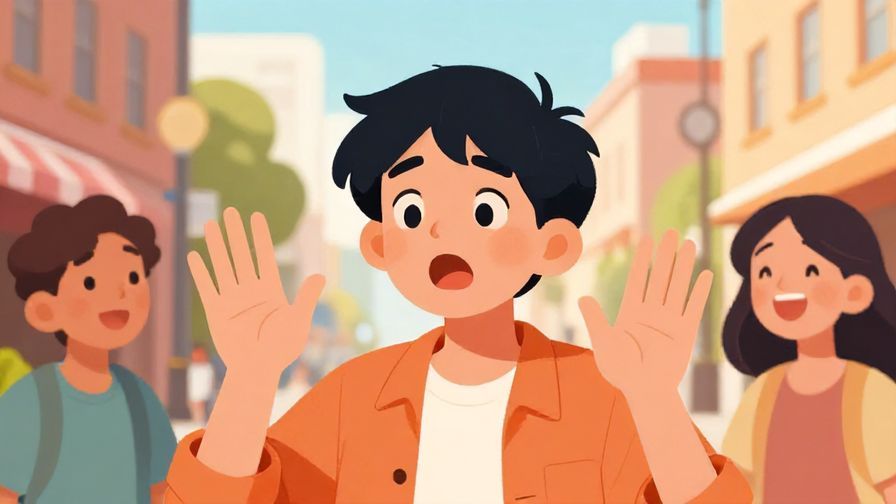
This is a very expressive and casual way to call out a jinx.
“Uwaa” is an exclamation like “Whoa,” “sore ittara” means “if you say that,” and “dame da yo” means “it’s no good.”
It’s perfect for lively conversations with friends.
Use it to show shock and playful disapproval.
It’s commonly used in everyday speech.
Try it for fun, dramatic effect!
20. まじで言っちゃった? (Maji de icchatta?) – “Did you seriously say that?”
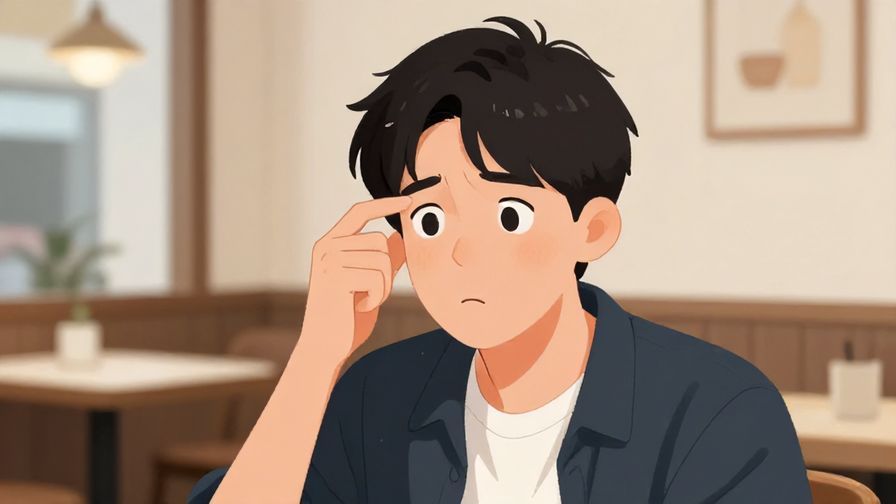
This phrase blends casual surprise and disbelief.
“Maji de” means “seriously” or “for real,” and “icchatta” is “said it.”
It’s a quick, natural way to react to a jinx.
Common in youth slang and casual talk.
Use it to question someone’s timing or choice of words.
It’s short, punchy, and very relatable.
21. あーあ、言っちゃったね (Aa, icchatta ne) – “Ah, you said it, huh.”
This simple phrase expresses resignation after someone jinxes.
“Aa” is a casual sigh or “ah,” and “icchatta ne” means “you said it, huh.”
It’s very natural and commonly used among friends.
Perfect for casual, everyday conversations.
Use it to lightly acknowledge a jinx without drama.
It’s quick and easy to say.
22. こりゃ運が逃げるわ (Korya un ga nigeru wa) – “Well, luck’s definitely running away now.”

This phrase is casual and a bit humorous.
“Korya” means “well now” or “this is,” “un ga nigeru” means “luck runs away,” and “wa” adds emphasis.
It’s used when someone’s words clearly jinx the situation.
Very natural and native-sounding.
Use it when you want to joke about bad luck caused by words.
Fun and expressive for friends or family.
Concluding Thought
Learning these 22 ways to say “You had to jinx it” in Japanese isn’t just about language—it’s about capturing those playful, relatable moments we all experience.
Each phrase adds a layer of nuance, letting you express teasing, regret, warning, or humor depending on the situation.
So next time you or a friend say something that “jinxes” the moment, you’ll have just the right Japanese phrase to keep the conversation warm and fun!