22 Japanese ways to say “Famous last words”
Ever stumbled across a phrase that perfectly captures that sly, often ironic meaning behind “famous last words”?
We all love those moments when someone says something bold or confident, only for things to hilariously backfire later. Japanese has some really cool ways to say that, and they all carry a bit of charm and wit.
Whether you’re learning Japanese or just love quirky expressions, exploring these phrases can add a fun twist to your language skills.
In this list, we’ll dive into 22 Japanese ways to say “famous last words” — from casual slang to more polite expressions. Each one has a unique flavor, perfect for different situations.
Understanding these will not only boost your vocabulary but also help you catch the humor and cultural nuance in everyday conversations.
Ready to add some clever Japanese expressions to your toolkit? Let’s jump in!
What “Famous Last Words” Means in Japanese Context
The idea of “famous last words” is often about irony or unexpected outcomes after someone’s confident statement.
In Japanese, there’s no single phrase that matches this exactly, but many expressions capture the meaning beautifully depending on context.
From casual quips to more formal sayings, Japanese speakers use different words to hint at that “watch this backfire” feeling.
If you want to explore more Japanese phrases, a handy idioms and expressions book might be a great next step.
Knowing these sayings helps you understand Japanese humor and social cues better.
Plus, it’s a fun way to sound more natural when chatting with friends or watching shows.
Part 1: Casual Suggestions
1. 有名な最後の言葉 (Yūmei na saigo no kotoba) – “Famous last words”

This is the most straightforward way to say “famous last words” in Japanese.
“有名な (Yūmei na)” means “famous,” “最後 (saigo)” is “last,” and “言葉 (kotoba)” means “words” or “phrase.” Put together, it’s a direct translation.
It’s good for understanding and explaining the concept clearly.
Use it when you want to be literal or for writing.
For example, if someone confidently predicts something and it goes wrong, you can say this to describe their words.
It’s a handy phrase to keep in your vocabulary for clarity and cultural insight.
2. それは有名な最後の言葉だね (Sore wa yūmei na saigo no kotoba da ne) – “Those are famous last words, huh?”

This phrase adds a casual, conversational tone with “だね (da ne),” which softens the statement.
It’s a playful way to point out someone’s bold claim that might backfire.
It works well in friendly settings when teasing someone gently.
Remember not to be too harsh; it’s meant to be light-hearted.
You might hear it in dramas or casual chats when someone’s overconfident.
Try using it after a friend brags about something risky or uncertain.
3. それは危ない発言だよ (Sore wa abunai hatsugen da yo) – “That’s a risky statement.”

This phrase literally means “That’s a dangerous/risky statement.”
“危ない (Abunai)” means “dangerous” or “risky,” and “発言 (hatsugen)” means “statement” or “remark.”
It’s a neat way to hint that what someone said might come back to bite them.
Use it when you want to warn someone humorously.
It’s less direct than calling out “famous last words,” but still gets the point across.
Great for casual conversations where you want to sound a bit playful yet cautious.
4. その言葉、後で後悔するよ (Sono kotoba, ato de kōkai suru yo) – “You’ll regret those words later.”

This phrase literally warns someone they might regret what they said.
“後悔する (kōkai suru)” means “to regret,” and “後で (ato de)” is “later.”
It’s a casual way to express skepticism about someone’s confident words.
It works well in teasing or light warning tones.
Try it when a friend makes a bold prediction or promise.
This helps you sound more natural and expressive in everyday Japanese.
5. その調子で大丈夫? (Sono chōshi de daijōbu?) – “Are you sure you’re okay with that attitude?”

This phrase questions the confidence behind a statement.
“調子 (chōshi)” means “condition” or “attitude,” and “大丈夫 (daijōbu)” means “okay” or “all right.”
It’s a subtle way to hint that the speaker doubts the other’s certainty.
Great for casual conversations when you want to be playful but not too direct.
It shows you’re skeptical but curious.
This phrase brings a soft nuance to the idea of “famous last words.”
6. 言ったな、これが最後だぞ (Ittana, kore ga saigo da zo) – “You said it, this is your last!”

This phrase is a fun, teasing way to call out someone’s bold words.
“言ったな (Ittana)” means “You said it,” “これが最後だ (kore ga saigo da)” means “this is the last,” and “ぞ (zo)” adds a masculine, emphatic tone.
It’s often used among friends in a joking manner.
Use it when you want to warn someone their confident words might backfire.
It adds a playful but pointed edge to your speech.
Perfect for informal chats or when teasing someone you know well.
7. その言葉、覚えておくよ (Sono kotoba, oboete oku yo) – “I’ll remember those words.”

This phrase implies you’re keeping track of what was said, often to see if it comes true.
“覚えておく (oboete oku)” means “to remember or keep in mind.”
It’s a subtle way to hint skepticism or playful warning.
Use it to lightly tease a friend’s confident claim.
It’s a clever way to express “famous last words” without being too direct.
Great for casual conversations and adding humor.
8. 今の言葉、後で使わせてもらうよ (Ima no kotoba, ato de tsukawasete morau yo) – “I’ll use that phrase later.”

This phrase means you’re saving someone’s words for later, often for teasing.
It’s a lighthearted way to say “famous last words” indirectly.
“使わせてもらう (tsukawasete morau)” means “I’ll be allowed to use.”
It’s perfect for playful banter among friends.
Use it when you want to remind someone of their bold statement down the road.
This adds a fun layer to conversations and shows your wit.
Part 2: Polite & Formal Suggestions
9. 有名な最後の言葉ですね (Yūmei na saigo no kotoba desu ne) – “Those are famous last words, aren’t they?”

This is a polite version of the straightforward phrase from earlier.
Adding “ですね (desu ne)” makes it sound softer and more formal.
It’s suitable for workplace or formal conversations.
Use it when you want to lightly point out irony without being rude.
It maintains respect while acknowledging the situation.
Perfect when discussing predictions or statements among coworkers.
10. その発言は少し挑戦的ですね (Sono hatsugen wa sukoshi chōsenteki desu ne) – “That statement is a bit challenging, isn’t it?”

This phrase is a formal and polite way to highlight a daring statement.
“挑戦的 (chōsenteki)” means “challenging” or “provocative.”
It’s useful when you want to comment on someone’s bold words respectfully.
Good for professional or academic settings.
It hints that the words might lead to debate or consequences.
Use this to keep conversations tactful but insightful.
11. そのような言葉には気をつけてください (Sono yōna kotoba ni wa ki o tsukete kudasai) – “Please be careful with words like that.”

This phrase is polite and a bit cautionary.
It advises someone to be mindful of their words.
Useful in formal or sensitive situations.
It indirectly suggests that the statement could backfire.
“気をつけてください (ki o tsukete kudasai)” means “please be careful.”
Great for maintaining respect while hinting at risk.
12. 後でその言葉を思い出すことになるかもしれません (Ato de sono kotoba o omoidashu koto ni naru kamoshiremasen) – “You might remember those words later.”

This is a polite and indirect way to express the “famous last words” idea.
It suggests that what was said may come back to mind in the future.
“かもしれません (kamoshiremasen)” adds polite uncertainty.
Good for formal or cautious conversations.
It’s gentle but still delivers the message clearly.
Use it when you want to sound thoughtful and respectful.
13. その発言が後で問題になるかもしれませんね (Sono hatsugen ga ato de mondai ni naru kamoshiremasen ne) – “That statement might cause problems later, huh?”

This phrase is polite and hints at potential trouble from a statement.
It’s a tactful way to say “famous last words” in a formal context.
Use it when you want to express concern without being blunt.
“問題になる (mondai ni naru)” means “to become a problem.”
Great for business or serious settings.
It keeps the tone professional and thoughtful.
14. そのような自信は時に裏目に出ますよ (Sono yōna jishin wa toki ni urame ni demasu yo) – “That kind of confidence sometimes backfires.”

This phrase offers a polite, explanatory take on overconfidence.
“裏目に出る (urame ni deru)” means “to backfire.”
It’s a nice way to teach or warn without offending.
Perfect for mentors or senior people addressing juniors.
Use it to hint that bold claims can have unexpected results.
This keeps communication respectful and educational.
15. その言葉には気をつけたほうがいいですよ (Sono kotoba ni wa ki o tsuketa hō ga ii desu yo) – “You’d better be careful with those words.”

A polite but clear caution about someone’s statement.
It’s gentle advice that implies the words could cause trouble.
“気をつけたほうがいい (ki o tsuketa hō ga ii)” means “better to be careful.”
Useful in both professional and social settings.
It balances politeness with helpfulness.
Try it when you want to gently warn a friend or colleague.
16. その言葉は後で笑い話になるかもしれませんね (Sono kotoba wa ato de warai banashi ni naru kamoshiremasen ne) – “Those words might become a funny story later.”

This phrase gently jokes that a statement might turn into a funny memory.
“笑い話 (warai banashi)” means “funny story.”
It’s a polite and lighthearted expression.
Great for easing tension or making a joke in formal settings.
Use it when you want to hint at irony playfully.
This phrase adds warmth and humor to conversations.
Part 3: Very Casual / Native-like Expressions
17. それ、名言になるよ (Sore, meigen ni naru yo) – “That’ll be a classic line.”

This is a fun, casual way to say “famous last words.”
“名言 (meigen)” means “famous saying” or “wise quote.”
It’s often used ironically when someone says something that will be remembered for its unintended humor.
Perfect for friends or informal chats.
Use it to highlight a statement that’s going to be talked about later.
It’s playful and very natural sounding.
18. それ言うやつ、だいたい負けるよね (Sore iu yatsu, daitai makeru yo ne) – “People who say that usually lose, right?”

This phrase is a very casual, native-like way to call out famous last words.
It jokingly points out that people who say something bold often don’t succeed.
“だいたい (daitai)” means “usually,” and “負ける (makeru)” means “to lose.”
Great for teasing among close friends.
It’s colloquial and sounds very natural in everyday speech.
Use it when poking fun at overconfidence.
19. なにそれ、フラグ立ててるじゃん (Nani sore, furagu tateteru jan) – “What’s that? You’re setting up a flag!”

This phrase uses “フラグ (furagu),” a slang from gaming meaning “flag” or “foreshadowing.”
“立ててる (tateteru)” means “raising” or “setting up.”
It’s a very casual, modern way to say someone’s words are likely to cause a predictable outcome.
Used mainly among younger people or fans of pop culture.
It’s a witty and fun way to highlight “famous last words.”
Perfect for informal chats or online conversations.
20. それ絶対やばいやつ (Sore zettai yabai yatsu) – “That’s definitely a dangerous one.”

“やばい (yabai)” is modern slang meaning “dangerous” or “risky,” often used to express excitement or concern.
“絶対 (zettai)” means “absolutely” or “definitely.”
This phrase is an informal way to say a statement is a guaranteed “famous last words” moment.
It’s playful and commonly heard among young people.
Use it when someone says something that’s bound to backfire.
It’s expressive and packs a punch in casual conversations.
21. 言った瞬間負けフラグ (Itta shunkan make furagu) – “The moment you said that, it’s a losing flag.”

This phrase combines “負け (make)” meaning “lose” and “フラグ (furagu)” from gaming slang.
It means as soon as someone says something, they’ve “set themselves up to fail.”
Very casual and popular among anime or gaming fans.
It’s a sharp, humorous way to say “famous last words.”
Use it to joke about predictions gone wrong.
This phrase is very native-sounding and trendy.
22. その発言、フラグ確定 (Sono hatsugen, furagu kakutei) – “That statement definitely sets a flag.”
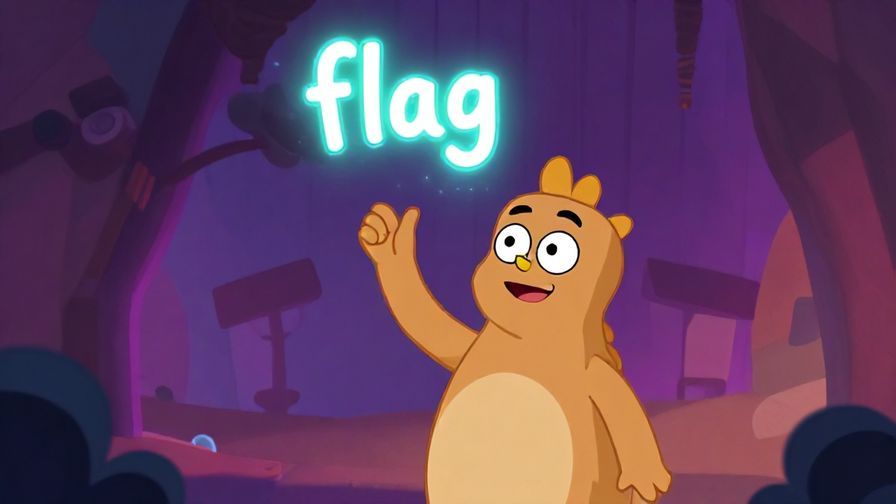
This is another slang-heavy phrase using “フラグ (furagu)” and “確定 (kakutei),” meaning “confirmed” or “definite.”
It’s a fun, casual way to say that a statement is guaranteed to backfire.
Common in pop culture and youthful conversations.
It’s perfect for teasing friends or commenting on dramatic moments.
Use it to sound trendy and in-the-know.
This phrase wraps up our list with a cool, modern vibe.
Concluding Thought
Exploring these Japanese ways to say “famous last words” shows just how rich and playful language can be.
From formal to slang, each phrase captures a slightly different shade of irony, humor, or warning.
So next time you hear someone confidently predict their success—or failure—you’ll have the perfect Japanese phrase ready to share a knowing smile.