22 Japanese ways to say “Healing takes time”
Healing isn’t a race—it’s more like a gentle walk on a quiet path.
Japanese culture beautifully captures this idea with many warm, thoughtful phrases.
Whether you’re learning the language or just love meaningful expressions, these 22 ways to say “Healing takes time” will resonate deeply.
Each phrase offers a slightly different shade of patience, comfort, and kindness, perfect for sharing or reflecting on your own journey.
By exploring these, you’ll not only expand your vocabulary but also embrace a comforting mindset.
Let’s dive into these gentle Japanese expressions that remind us: healing is a process, and that’s okay.
Understanding Healing in Japanese
Japanese often expresses complex feelings with simple, beautiful words.
Healing, patience, and time are common themes that show up in daily life and language.
Learning these phrases can help you empathize and communicate more deeply.
If you want to start with a helpful guide, a Japanese phrasebook focused on healing and emotions is a great resource.
It’s a gentle way to begin speaking with kindness and understanding.
Remember, every small step helps you connect better with the language and culture.
Part 1: Casual Suggestions
1. 治るには時間がかかる (Naoru ni wa jikan ga kakaru) – “Healing takes time.”

This is the most straightforward phrase for “Healing takes time.”
“治る” (naoru) means “to heal,” “時間” (jikan) is “time,” and “かかる” (kakaru) means “to take (time).”
It’s perfect for everyday use when you want to remind yourself or someone else to be patient.
Simple and direct, it carries a warm, understanding tone.
You can also say “回復には時間がかかる (Kaifuku ni wa jikan ga kakaru)” which uses “回復” (kaifuku) for “recovery.”
Use this phrase gently—it’s a comforting reminder rather than a harsh fact.
2. 時間が必要だよ (Jikan ga hitsuyō da yo) – “Time is necessary.”

This phrase is casual and easy to use with friends.
“時間” (jikan) means “time,” “必要” (hitsuyō) means “necessary,” and “だよ” (da yo) softens the statement.
It’s a gentle way to say healing can’t be rushed.
Remember to say it kindly, so it feels supportive not dismissive.
Try practicing it in simple conversations or messages to encourage patience.
It’s a great phrase to use when someone feels frustrated about healing.
3. ゆっくりでいいよ (Yukkuri de ii yo) – “Take your time.”

This is a casual, friendly way to say “It’s okay to go slow.”
“ゆっくり” (yukkuri) means “slowly,” “でいい” (de ii) means “is fine,” and “よ” (yo) adds warmth.
It’s often used to comfort someone and encourage them not to rush their healing.
Try repeating this phrase to yourself when you feel pressured.
It’s a gentle reminder that slow progress is still progress.
You can also say “焦らなくていいよ (Aseranakute ii yo)” meaning “No need to rush.”
4. 時間が癒してくれるよ (Jikan ga iyashite kureru yo) – “Time will heal (you).”
This phrase personifies time as a healer.
“癒す” (iyasu) means “to heal,” and “くれる” (kureru) shows kindness from time to you.
It’s a poetic, comforting way to say healing comes gradually.
Use this when you want to sound warm and hopeful.
It’s a nice phrase to say to someone going through a tough time.
Pair it with a gentle tone to maximize comfort.
5. 焦らずに待とう (Aserazu ni matou) – “Let’s wait without rushing.”

This phrase encourages patience without pressure.
“焦らずに” (aserazu ni) means “without rushing,” and “待とう” (matou) is “let’s wait.”
It’s casual and friendly, perfect for encouraging someone close.
Use this phrase to build a sense of calm and shared patience.
It’s especially good when healing feels frustrating.
Try pairing it with positive actions, like meditating or relaxing.
6. 時が癒す (Toki ga iyasu) – “Time heals.”

A very natural and poetic way to say time heals all wounds.
“時” (toki) means “time,” and “癒す” (iyasu) means “to heal.”
Short and sweet, it’s often used in conversation and writing.
It reminds us that healing is a natural process.
This phrase can be used to soothe others or yourself.
Try reflecting on this when you feel impatient with progress.
7. 痛みは薄れていくよ (Itami wa usurete iku yo) – “The pain will fade away.”

This phrase focuses on the gradual fading of pain.
“痛み” (itami) means “pain,” “薄れる” (usureru) means “to fade,” and “いく” (iku) shows the process moving forward.
It’s a hopeful reminder that hurt doesn’t last forever.
Use it to comfort someone struggling with emotional or physical pain.
It pairs well with “ゆっくり休んでね (Yukkuri yasunde ne)” meaning “Rest well slowly.”
This phrase is gentle and reassuring.
8. 少しずつ良くなる (Sukoshi zutsu yoku naru) – “Getting better little by little.”
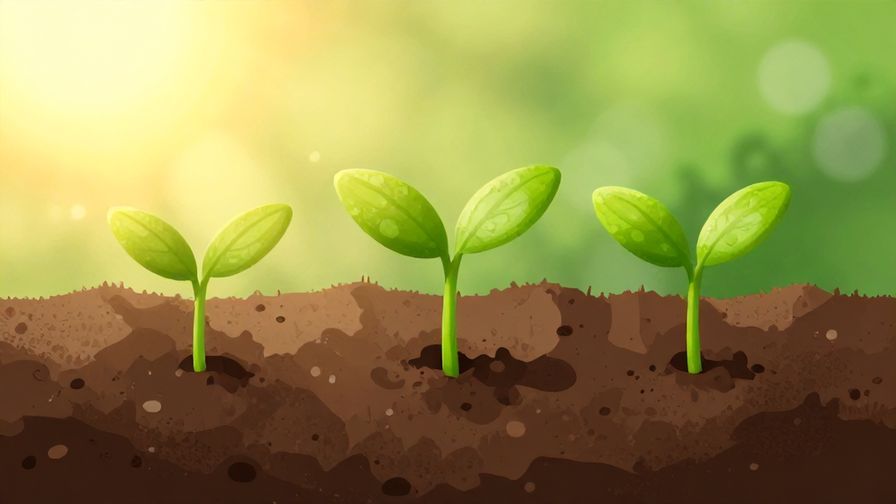
This phrase highlights gradual progress.
“少しずつ” (sukoshi zutsu) means “little by little,” “良くなる” (yoku naru) means “to get better.”
It’s casual and very encouraging for healing journeys.
Perfect to remind yourself or others that small steps add up.
Try pairing it with positive affirmations for motivation.
It reflects patience and hope beautifully.
Part 2: Polite & Formal Suggestions
9. 治癒には時間が必要です (Chiyu ni wa jikan ga hitsuyō desu) – “Healing requires time.”

This is a polite and formal way to express that healing takes time.
“治癒” (chiyu) means “healing,” “時間” (jikan) is “time,” “必要です” (hitsuyō desu) is “is necessary.”
You’d use this in respectful conversations or professional settings.
It’s clear, kind, and shows you understand the process deeply.
Pair it with polite body language or written notes to offer comfort.
It’s a phrase that gently balances fact and empathy.
10. 心の回復には時間がかかります (Kokoro no kaifuku ni wa jikan ga kakarimasu) – “Emotional recovery takes time.”

This phrase focuses on emotional healing.
“心” (kokoro) means “heart” or “mind,” “回復” (kaifuku) means “recovery,” and “かかります” (kakarimasu) is polite for “takes.”
It’s respectful and perfect for serious conversations about feelings.
Use this to acknowledge emotional struggles respectfully.
You might say it in counseling or when supporting a friend formally.
It’s a thoughtful and compassionate expression.
11. 回復には十分な時間が必要です (Kaifuku ni wa jūbun na jikan ga hitsuyō desu) – “Recovery requires sufficient time.”

This phrase adds the nuance of “enough” or “sufficient” time.
“十分な” (jūbun na) means “enough” or “sufficient.”
It’s a polite way to emphasize that healing shouldn’t be rushed.
Use this in formal writing or speeches about health and wellness.
It shows respect for the healing process and the person’s needs.
Try it when you want to sound thoughtful and precise.
12. 時間をかけてゆっくり治しましょう (Jikan o kakete yukkuri naoshimashō) – “Let’s take time and heal slowly.”

This polite expression invites a shared, patient healing journey.
“時間をかけて” (jikan o kakete) means “taking time,” “ゆっくり” (yukkuri) means “slowly,” and “治しましょう” (naoshimashō) is a polite “let’s heal.”
It’s warm and inclusive, perfect for encouraging a loved one.
Use it when you want to offer companionship and patience.
This phrase promotes gentle care and mutual support.
Try practicing it with friends or family in healing situations.
13. 無理せずに回復しましょう (Muri sezu ni kaifuku shimashō) – “Let’s recover without overdoing it.”

This phrase advises not to push too hard during healing.
“無理せずに” (muri sezu ni) means “without overdoing it,” and “回復しましょう” (kaifuku shimashō) is “let’s recover.”
It’s polite, caring, and encourages balance.
Use it in formal or caring contexts where you want to remind moderation.
It pairs well with advice to rest and take it slow.
This phrase shows respect for limits and healing needs.
14. 心身の癒しには時間が必要です (Shinshin no iyashi ni wa jikan ga hitsuyō desu) – “Healing of body and mind requires time.”

This formal phrase covers both mental and physical healing.
“心身” (shinshin) means “mind and body,” “癒し” (iyashi) means “healing,” and “必要です” (hitsuyō desu) means “is necessary.”
It’s respectful and holistic, great for wellness discussions.
Use it to express understanding of full recovery needs.
It works well in professional or thoughtful conversations.
Try pairing it with wellness practices like meditation or therapy.
15. 時間がすべてを癒します (Jikan ga subete o iyashimasu) – “Time heals everything.”

This is a formal, poetic way to express the power of time in healing.
“すべて” (subete) means “everything,” making this phrase broad and hopeful.
Use it in speeches, writing, or serious conversations.
It’s a powerful reminder that no pain is permanent.
This phrase carries dignity and deep reassurance.
Use it to inspire hope or conclude thoughtful talks.
16. 焦らずに時間をかけましょう (Aserazu ni jikan o kakemashō) – “Let’s take time without rushing.”

This polite phrase encourages calm and patience.
“焦らずに” (aserazu ni) means “without rushing,” “時間をかけましょう” (jikan o kakemashō) means “let’s take time.”
It’s respectful and soothing, great for encouraging careful healing.
Use it to support others or remind yourself to be patient.
It’s a phrase that promotes mindfulness in recovery.
Try saying it when you want to slow down and breathe.
Part 3: Very Casual / Native-like Expressions
17. 傷は時間が解決するよ (Kizu wa jikan ga kaiketsu suru yo) – “Time will solve wounds.”

This phrase is casual and metaphorical.
“傷” (kizu) means “wound,” “解決する” (kaiketsu suru) means “to solve.”
It sounds natural and native-like in everyday speech.
Use it to comfort friends with a hopeful tone.
It’s a casual way to say time fixes things, literally or emotionally.
Try using it in relaxed conversations about past troubles.
18. 痛みはいつか消えるよ (Itami wa itsuka kieru yo) – “Pain will disappear someday.”
This phrase is very casual and reassuring.
“いつか” (itsuka) means “someday,” and “消える” (kieru) means “to disappear.”
It’s often used among close friends or family.
It sounds hopeful without being too formal or heavy.
Use it to encourage patience with emotional healing.
It’s a phrase that feels friendly and gentle.
19. じっくり治そう (Jikkuri naosō) – “Let’s heal carefully.”
This casual phrase encourages taking time and care.
“じっくり” (jikkuri) means “carefully” or “thoroughly,” and “治そう” (naosō) is a casual “let’s heal.”
It’s easy to say and sounds very natural among friends.
Use it to promote mindful healing without pressure.
It’s perfect for conversations about health or feelings.
Try using it when you want to sound encouraging but relaxed.
20. ゆっくり治せばいいよ (Yukkuri naoseba ii yo) – “It’s fine to heal slowly.”

This phrase is casual, friendly, and very reassuring.
“治せばいい” (naoseba ii) means “it’s okay to heal,” with “ゆっくり” (yukkuri) adding “slowly.”
It’s a great way to tell someone not to rush their recovery.
Use it with a warm tone to sound supportive.
It’s often used in daily conversations about health or emotions.
Try to pair it with a smile to make it feel even kinder.
21. 時間がかかっても大丈夫 (Jikan ga kakatte mo daijōbu) – “It’s okay even if it takes time.”
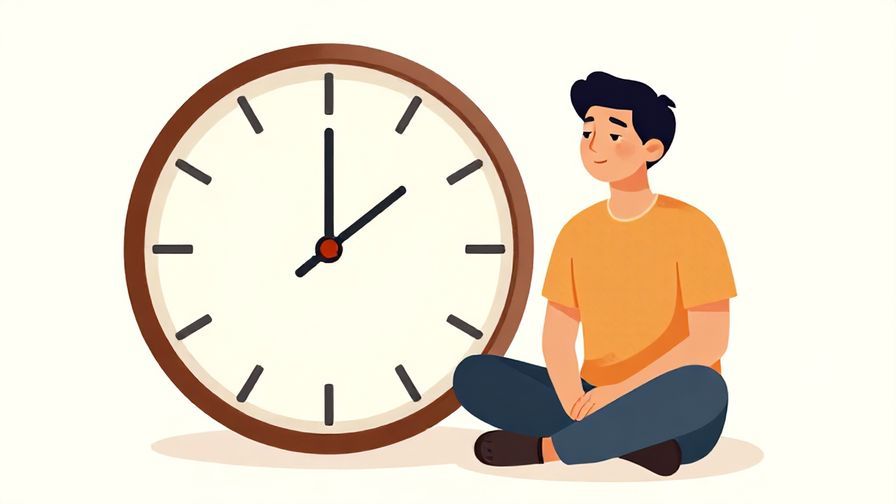
This phrase sounds very natural and empathetic.
“かかっても” (kakatte mo) means “even if it takes,” and “大丈夫” (daijōbu) means “it’s okay.”
It’s casual but very comforting.
Use it to assure someone that taking time is perfectly fine.
It’s great for daily life or informal chats.
Try using it to ease worries about healing speed.
22. 時が経てば楽になるよ (Toki ga tateba raku ni naru yo) – “With time, it will get easier.”

This phrase shares a hopeful message with a casual tone.
“時が経てば” (toki ga tateba) means “when time passes,” and “楽になる” (raku ni naru) means “to become easier.”
It’s commonly used among friends and family.
Use it to encourage patience and optimism.
It’s a phrase full of warmth and gentle hope.
Try to say it when you want to uplift someone feeling down.
Concluding Thought
Healing in Japanese is beautifully expressed in many ways, each carrying warmth and patience.
These 22 phrases remind us that it’s okay to take time and be gentle with ourselves and others.
So next time you or someone you care about needs encouragement, try one of these heartfelt expressions and let time do its quiet, healing work.