22 Japanese ways to say “Tomorrow is another day”
We all know the feeling when today’s challenges weigh heavy on us. But the beauty of life is that tomorrow always brings a fresh start.
In Japanese, there are many warm and comforting ways to express this hopeful idea: “Tomorrow is another day.”
Whether you’re learning Japanese or just love the language’s gentle wisdom, these phrases can help you see the bright side.
Each expression carries a unique flavor, from casual to poetic, that reminds you to keep moving forward.
Dive in and discover 22 Japanese ways to say “Tomorrow is another day” that will brighten your spirits.
Let’s embrace the promise of tomorrow together!
Understanding the Heart of “Tomorrow is Another Day” in Japanese
Japanese culture often embraces subtlety and hope in its expressions. Saying “Tomorrow is another day” isn’t just about time, it’s about resilience and possibility.
These phrases reflect that spirit in different tones—some casual, some more formal, some poetic.
Picking up these sayings can boost your language skills and your outlook on life.

If you want a solid base, a beginner phrasebook is a fantastic tool to keep these expressions handy.
These phrases can be your little pockets of hope to pull out whenever you need a lift.
Let’s start with some casual ways you might hear in everyday life.
Part 1: Casual Suggestions
1. 明日は明日の風が吹く (Ashita wa ashita no kaze ga fuku) – “Tomorrow’s wind will blow tomorrow.”
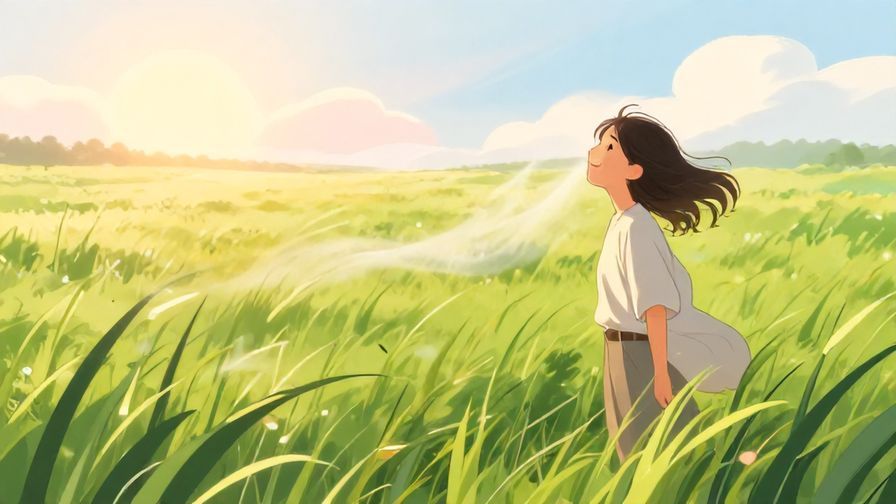
This phrase beautifully captures the idea that tomorrow will bring its own circumstances—fresh and new.
It’s a great way to remind yourself that no matter how today went, tomorrow will have a different atmosphere and opportunities.
Using this phrase helps you mentally “let go” of today’s worries.
It’s like saying, “Don’t sweat it now; tomorrow is a new chance.”
People often say this among friends when things don’t go as planned.
Try using it when you want to gently encourage someone to rest and reset.
2. 今日は今日、明日は明日 (Kyou wa kyou, ashita wa ashita) – “Today is today, tomorrow is tomorrow.”

This phrase highlights living in the moment while trusting that tomorrow will take care of itself.
It’s easy to remember because it’s just a simple repeat of “today” and “tomorrow.” Practice by saying it aloud to feel the rhythm.
It’s a gentle way of saying “Let’s not worry too much.”
Be careful not to sound dismissive; it’s best used in a supportive tone.
For example, after a tough day, you might say this to a friend to comfort them.
This phrase is a nice bridge to more philosophical expressions later.
3. また明日 (Mata ashita) – “See you tomorrow.”

Simple and casual, this phrase literally means “Again tomorrow.”
It’s often used among friends or colleagues to imply “Let’s meet or try again tomorrow.”
It’s a perfect everyday reminder that there’s always a next time.
Its simplicity makes it easy to use and remember.
Try saying it at the end of a difficult day to yourself or others.
This phrase embodies optimism without being too formal or heavy.
4. 明日はきっといい日になる (Ashita wa kitto ii hi ni naru) – “Tomorrow will surely be a good day.”

This is a warm, encouraging phrase full of positive expectation.
It’s great for boosting morale when things feel tough.
Easy to remember because it uses “kitto” (surely) and “ii hi” (good day), common Japanese words.
It’s best said with a smile to share genuine hope.
Use it when you want to uplift someone or yourself.
This phrase reminds us that positivity can shape how we approach tomorrow.
5. 明日を楽しみにしている (Ashita o tanoshimi ni shite iru) – “I’m looking forward to tomorrow.”

This phrase expresses anticipation and excitement for what tomorrow holds.
It’s a proactive way to welcome the future instead of fearing it.
Using “tanoshimi ni shite iru” (looking forward to) is common in daily conversation.
It encourages a mindset of hope and planning.
Try saying it when you have something nice planned or just want to stay positive.
It’s a perfect phrase for setting a hopeful tone for the next day.
6. 明日があるさ (Ashita ga aru sa) – “There is always tomorrow.”

This is a simple comforting phrase that reminds us of second chances.
It’s often used to console someone who feels defeated or tired.
“Ga aru” means “there is,” so it’s a direct way to say “tomorrow exists.”
Its casual tone makes it easy to say among friends.
It’s a phrase full of quiet reassurance.
Use it when you or someone else needs to hear there’s always hope.
7. 明日は新しいスタート (Ashita wa atarashii sutaato) – “Tomorrow is a new start.”

This phrase focuses on the fresh beginning each new day offers.
“Atarashii sutaato” means “new start,” which is a concept easy to visualize.
It’s great to say when you want to embrace change or restart.
Try using it to motivate yourself or others after setbacks.
It’s a phrase full of energy and potential.
Perfect for setting a hopeful intention for tomorrow.
8. 明日こそは (Ashita koso wa) – “Tomorrow for sure.”

This phrase expresses determination that tomorrow will be different or better.
“Koso wa” adds emphasis, like saying “definitely tomorrow.”
It’s often used when someone promises to try harder or start fresh.
It’s a motivating phrase that shows commitment.
Try it when you want to encourage yourself or others not to give up.
It captures that hopeful fighting spirit we all need sometimes.
Part 2: Polite & Formal Suggestions
9. 明日はまた新たな日です (Ashita wa mata aratana hi desu) – “Tomorrow is another new day.”

This phrase is polite and carries a calm, reflective tone.
“Aratana hi” means “new day,” and “desu” makes it polite.
It’s suitable in conversations with colleagues or elders.
Use it to gently remind others that tomorrow brings new possibilities.
It’s a phrase that balances hope with respect.
Perfect for formal encouragements or speeches.
10. 明日もまた頑張りましょう (Ashita mo mata ganbarimashou) – “Let’s do our best again tomorrow.”

This is a polite and motivating phrase often used in workplaces.
“Ganbarimashou” means “let’s do our best,” inviting teamwork.
It’s a positive way to acknowledge today’s effort and look forward.
Great for ending meetings or encouraging coworkers.
It promotes a spirit of perseverance together.
Use it when you want to foster collective hope and effort.
11. 明日が素晴らしい日になりますように (Ashita ga subarashii hi ni narimasu you ni) – “May tomorrow be a wonderful day.”

This is a polite, almost prayerful wish for a good day ahead.
“You ni” adds a hopeful, wishing tone to the phrase.
It’s often said with sincerity to express deep goodwill.
Perfect in formal or semi-formal contexts.
Try it when you want to express sincere hope for someone’s future.
This phrase carries warmth and respect in equal measure.
12. 明日は新しい希望の始まりです (Ashita wa atarashii kibou no hajimari desu) – “Tomorrow is the beginning of new hope.”

This is a formal and poetic way to say tomorrow brings fresh hope.
“Kibou” means “hope,” and “hajimari” means “beginning.”
It’s great for speeches, letters, or formal encouragement.
Use it to inspire or uplift in important moments.
It’s a phrase that carries a strong positive message.
Perfect for sharing hope in difficult times with dignity.
13. 明日も良い日でありますように (Ashita mo ii hi de arimasu you ni) – “May tomorrow also be a good day.”

This polite expression adds a wish for continued goodness tomorrow.
“Mo” means “also,” showing continuity.
It’s often used in formal letters or conversations.
It’s a gentle and hopeful phrase to close important communication.
Try it when you want to show care and good wishes.
It’s a thoughtful phrase that balances respect and warmth.
14. 明日は新しい挑戦の日です (Ashita wa atarashii chousen no hi desu) – “Tomorrow is a day for new challenges.”

This phrase is formal and encouraging for facing new challenges tomorrow.
“Chousen” means “challenge,” giving a proactive tone.
It’s great for professional or motivational contexts.
Use it when encouraging growth and effort.
It’s a phrase that frames tomorrow as a fresh opportunity for action.
Perfect for speeches or letters of encouragement.
15. 明日に希望を持ちましょう (Ashita ni kibou o mochimashou) – “Let’s hold hope for tomorrow.”

This polite phrase invites collective hope for the future.
“Mochimashou” means “let’s hold” or “let’s have,” encouraging togetherness.
It’s great for group settings or community encouragement.
Use it when you want to foster shared optimism.
A phrase that builds a hopeful community spirit.
Perfect for meetings, classes, or any group activity.
16. 明日は新たな可能性の日です (Ashita wa aratana kanousei no hi desu) – “Tomorrow is a day of new possibilities.”

This formal phrase highlights the endless opportunities tomorrow holds.
“Kanousei” means “possibility,” inspiring open-mindedness.
It’s excellent for professional or educational encouragement.
Use it to motivate openness to change and growth.
It’s a hopeful way to frame the future.
Perfect for inspiring those about to embark on new ventures.
Part 3: Very Casual / Native-like Expressions
17. 明日はまたゼロからだね (Ashita wa mata zero kara da ne) – “Tomorrow is starting again from zero.”

This is a laid-back, conversational phrase meaning tomorrow is a fresh start.
“Zero kara” means “from zero,” emphasizing a clean slate.
It’s great among friends when you want to express restarting without pressure.
It captures a chill, hopeful vibe.
Use it to lighten the mood after a rough day.
It’s very natural and often heard in everyday talk.
18. 明日もがんばろうぜ (Ashita mo ganbarou ze) – “Let’s do our best tomorrow too!”

This casual phrase is an encouraging call to action.
“Ganbarou” is the volitional form of “do your best,” friendly and motivating.
“Ze” adds masculine or informal emphasis.
Use it among close friends or teammates.
It’s a phrase full of camaraderie and determination.
Perfect for rallying spirits before the next day.
19. 明日があるから大丈夫 (Ashita ga aru kara daijoubu) – “It’s okay because there’s tomorrow.”

This phrase casually reassures that tomorrow offers hope.
“Daijoubu” means “okay” or “no problem,” making it comforting.
It’s often said to calm worries or fears.
Use it to soothe yourself or friends after a tough moment.
It’s a very natural, heartwarming phrase.
Perfect for casual conversations about setbacks.
20. 明日は気持ちを切り替えよう (Ashita wa kimochi o kirikaeyou) – “Let’s change our mindset tomorrow.”

This phrase casually suggests a mental refresh for tomorrow.
“Kirikaeyou” means “let’s switch” or “change,” often used for mindset.
It’s perfect for encouraging a positive shift.
Use it when you want to reset after a bad day.
It’s informal but thoughtful.
A great phrase to promote resilience.
21. 明日はまたチャンスだよ (Ashita wa mata chansu da yo) – “Tomorrow is another chance.”

This is a friendly, casual way to remind someone of new opportunities.
“Chansu” is the loanword “chance,” commonly used in daily speech.
“Da yo” adds a soft emphasis, making it feel sincere.
Use it to cheer up friends or yourself about fresh starts.
It’s simple and easy to say.
A perfect phrase to boost positive energy.
22. 明日はもっと良くなるさ (Ashita wa motto yoku naru sa) – “Tomorrow will get better.”

This phrase casually promises improvement tomorrow.
“Motto yoku naru” means “will get better,” an optimistic phrase.
“Sa” adds a friendly, reassuring tone.
Use it to lift spirits in informal settings.
It’s a natural and comforting expression.
Great for reminding yourself or friends that things will improve.
Concluding Thought
Exploring these 22 Japanese phrases shows us how language can be a gentle guide through life’s ups and downs.
Each expression offers a unique way to hold onto hope and look forward to new beginnings.
So next time things feel tough, remember—tomorrow is another day, full of promise and possibility.