22 Japanese ways to say “Look on the bright side”
Sometimes life throws curveballs, and it’s easy to get caught up in the gloom. But what if you could flip the script and focus on the silver lining instead?
Japanese has so many beautiful ways to express the idea of “looking on the bright side.” It’s not just about optimism; it’s a cultural approach to resilience and hope.
Whether you’re learning Japanese or just love language quirks, these phrases will add warmth and positivity to your conversations.
From casual everyday talk to polite expressions, we’ll cover 22 ways to brighten your outlook in Japanese. The best part? They’re easy to remember and use.
Get ready to sprinkle a little sunshine on your language skills and mood alike!
Let’s dive into these heartening Japanese expressions and see how you can bring a fresh perspective to any situation.
Understanding Positivity in Japanese
Before jumping into the phrases, it’s helpful to know how positivity is often framed in Japanese culture. It’s subtle, gentle, and sometimes poetic.
Rather than bluntly saying “look on the bright side,” many expressions encourage seeing the good quietly or patiently waiting for better times.
This cultural nuance makes learning these phrases not just about language, but about mindset.
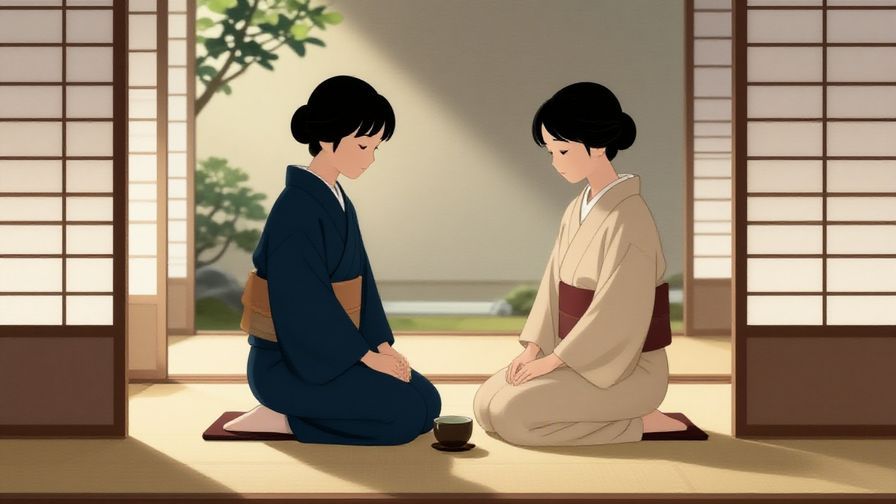
Sometimes, using a great Japanese positivity language guide can deepen your appreciation and ease of use.
With that in mind, let’s start with some easy, casual phrases you can use daily to brighten moods instantly.
Even a small phrase can change how you view a tough moment.
Part 1: Casual Suggestions
1. 前向きに考えよう (Maemuki ni kangaeyou) – “Let’s think positively.”

This phrase literally means “let’s think forward,” encouraging a positive mindset.
It’s a straightforward way to suggest looking at things bright-side up, great for friends or yourself.
Using “maemuki” (前向き) means “forward-facing” or “positive,” which is an easy visual to remember.
It’s simple but effective!
Try pairing this with encouragement like “大丈夫だよ” (Daijoubu da yo) meaning “It’ll be okay.”
This phrase is perfect to gently nudge optimism in everyday chats.
2. 気を取り直そう (Ki o torinaosou) – “Let’s pull ourselves together.”

This phrase literally means “let’s reset our spirit,” useful when someone’s feeling down.
It gently suggests shaking off the bad feelings and focusing on the positive.
“Ki” (気) means “spirit” or “energy,” so imagine refreshing your mental energy.
It’s a nice way to encourage a fresh start without pressure.
Pair it with a smile or a light activity to brighten the mood further.
Use this when you want to offer emotional support casually.
3. 悪いことばかりじゃないよ (Warui koto bakari janai yo) – “It’s not all bad.”

This phrase reminds someone that bad things aren’t the whole story.
“Warui” means “bad,” and “bakari” means “only,” so it’s a nice way to say “not just bad things.”
It’s casual and relatable, perfect for comforting friends.
Use it to gently shift focus away from negativity.
It’s often followed by mentioning something good or hopeful.
A great phrase for everyday encouragement.
4. いい面もあるよ (Ii men mo aru yo) – “There’s a good side too.”

This phrase literally points out the “good face” or “good side” of a situation.
“Ii” means “good,” and “men” means “face” or “aspect.”
It’s a simple, everyday phrase to remind someone (or yourself) there’s always a positive angle.
Easy to remember by thinking of a coin’s two sides.
You can use this to encourage balanced thinking.
Perfect for casual chats and keeping the mood light.
5. 仕方ないよ (Shikata nai yo) – “It can’t be helped.”

This common phrase accepts things as they are, encouraging acceptance over stress.
“Shikata nai” literally means “there’s no way (to do).”
It’s a practical, almost philosophical way to look on the bright side by letting go.
Good for moments when you can’t change something, but want to stay positive.
Use it calmly and gently to diffuse frustration.
Many Japanese use this to maintain peace of mind.
6. まだまだこれからだよ (Mada mada kore kara da yo) – “There’s still plenty ahead.”

This phrase captures hope for the future, literally “it’s still just from now.”
It’s a great way to encourage perseverance and optimism.
“Mada mada” means “still more,” and “kore kara” means “from now on.”
Use it to remind someone there’s time to turn things around.
Great for motivation during tough times.
It’s a refreshing way to look ahead.
7. 笑う門には福来る (Warau kado ni wa fuku kuru) – “Good fortune comes to the laughing gate.”
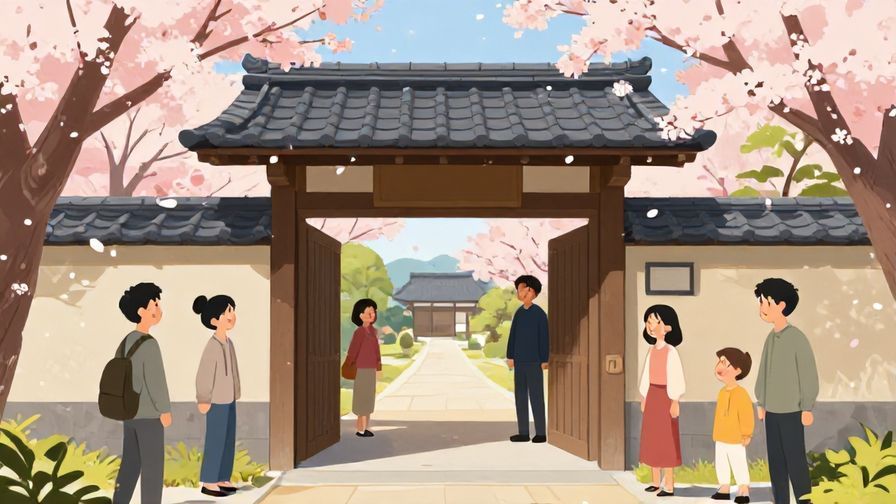
This proverb means that happiness and good luck come to those who smile.
“Warau” means “to laugh,” “kado” means “gate,” and “fuku” means “fortune.”
It’s a poetic and culturally rich way to express positivity.
Great to share as encouragement to keep smiling even during hard times.
It’s easy to remember with the image of a welcoming doorway.
Perfect for adding a hopeful touch to conversations.
8. 光は必ず見える (Hikari wa kanarazu mieru) – “You will definitely see the light.”
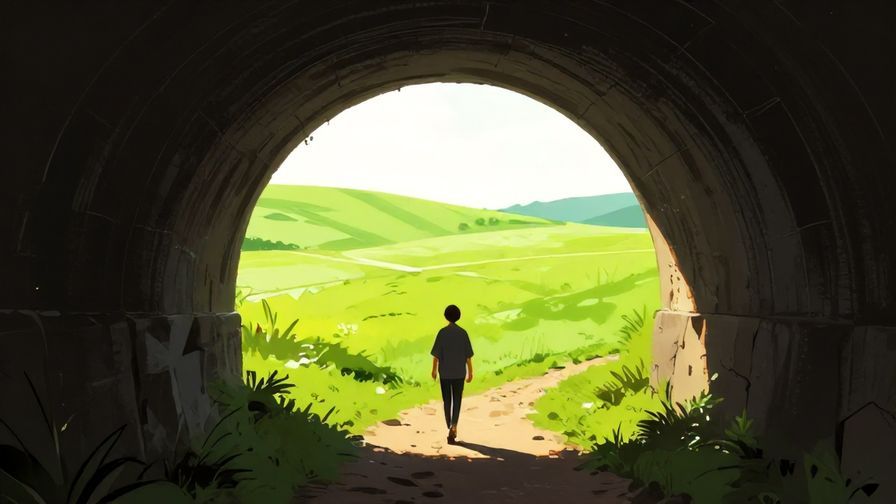
This phrase uses “hikari” (light) as a metaphor for hope and solutions.
“Kanarazu” means “definitely,” making the phrase a strong statement of encouragement.
It’s a hopeful phrase for tough times, reminding you that light is ahead.
Perfect for friends going through challenges.
Visualize light at the end of a tunnel to remember it easily.
Use it to inspire patience and optimism.
Part 2: Polite & Formal Suggestions
9. 前向きに取り組みましょう (Maemuki ni torikumimashou) – “Let’s approach this positively.”

This polite phrase is great for workplace or formal encouragement.
“Torikumu” means “to tackle or approach,” so it suggests a proactive positive attitude.
Use the “-mashou” ending to invite or suggest politely.
It’s a professional way to boost morale or teamwork.
Try this phrase when discussing challenges with colleagues.
It’s respectful yet encouraging, perfect for formal settings.
10. 明るい面を見ましょう (Akarui men o mimashou) – “Let’s look at the bright side.”
“Akarui” means “bright,” and “men” means “side” or “aspect.”
This polite phrase gently suggests focusing on positivity.
Use it in meetings or discussions to keep morale up.
It’s an easy phrase to remember with the image of light shining on a face.
Try it when you want to steer conversations toward optimism.
It’s a straightforward and respectful suggestion.
11. 希望を持ちましょう (Kibou o mochimashou) – “Let’s have hope.”
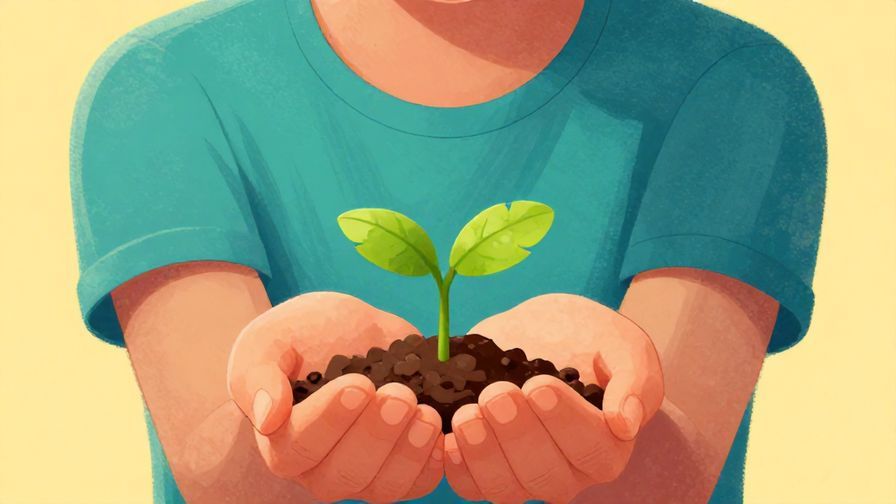
“Kibou” means “hope,” and “mochimashou” is the polite volitional form of “to have.”
This phrase is a gentle, formal way to encourage optimism.
Perfect for speeches, letters, or formal conversations.
Visualize nurturing a sprout to remember the hopeful meaning.
Use it to inspire others in difficult times.
It’s a simple but powerful formal phrase.
12. 未来は明るいです (Mirai wa akarui desu) – “The future is bright.”

This polite statement is hopeful and uplifting.
“Mirai” means “future,” and “akarui” means “bright.”
Use this to reassure people in formal situations.
It’s easy to remember by picturing a sunny morning.
Great for presentations or encouraging colleagues.
It leaves a positive impression with a clear message.
13. 落ち込まないでください (Ochikomanai de kudasai) – “Please don’t be discouraged.”
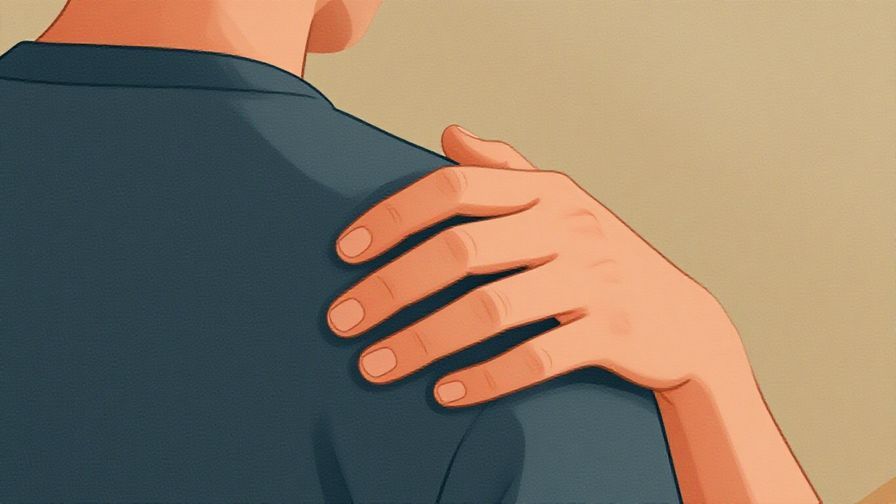
This polite, empathetic phrase encourages someone not to lose heart.
“Ochikomu” means “to be down,” and the negative imperative with “kudasai” makes it polite.
Use it when offering support formally.
It’s a caring way to lift spirits with respect.
Perfect for letters, emails, or conversations.
It shows you care while encouraging positivity.
14. 希望を捨てないでください (Kibou o sutenaide kudasai) – “Please don’t give up hope.”

This is a polite plea to keep hope alive.
“Suteru” means “to throw away,” so “sutenaide” means “don’t throw away.”
It’s respectful and heartfelt.
Perfect for encouraging someone facing hardship.
Remember it as “don’t discard hope.”
Use it when you want to sound both serious and supportive.
15. 落ち着いてください (Ochitsuite kudasai) – “Please calm down.”
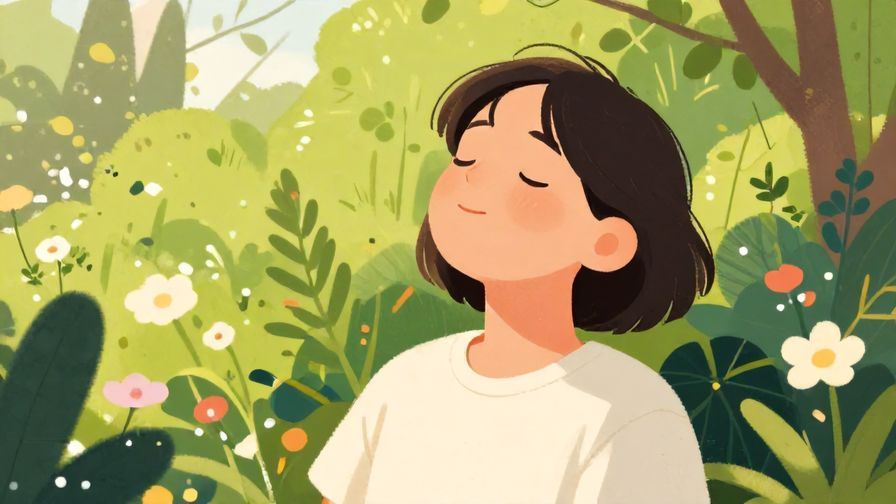
This polite phrase encourages someone to regain composure, indirectly helping them see things clearly.
“Ochitsuku” means “to calm down.”
Use this to gently suggest a pause and reset.
It’s respectful and soothing.
Visualize deep breaths to remember it.
Great for stressful or emotional moments.
16. 希望はあります (Kibou wa arimasu) – “There is hope.”
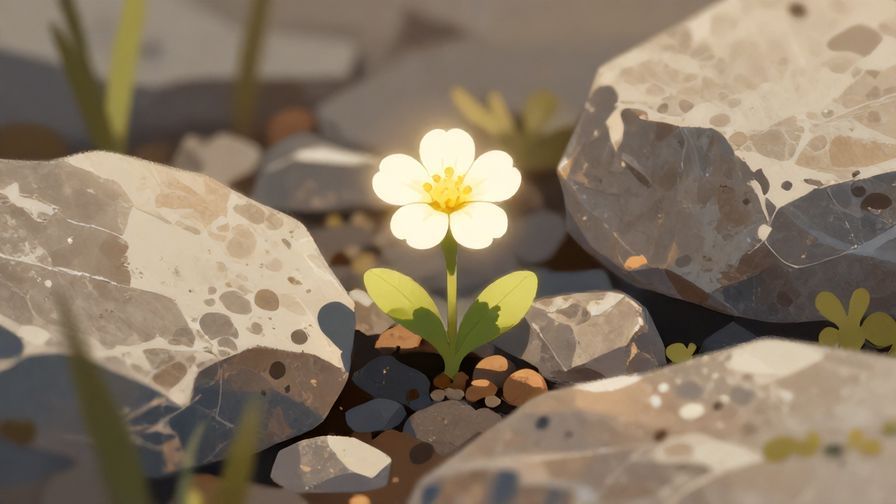
A simple, factual statement to remind that hope exists.
“Arimasu” is the polite form for “there is.”
It’s direct but warm.
Use it when you want to reassure someone formally.
Imagine hope blossoming despite adversity.
It’s a gentle, positive affirmation.
Part 3: Very Casual / Native-like Expressions
17. まあ、なんとかなるよ (Maa, nantoka naru yo) – “Well, somehow it’ll work out.”

This laid-back phrase conveys casual confidence things will turn out fine.
“Nantoka naru” means “it will somehow become okay.”
It’s super common in informal speech.
Use it to ease tension with native-like ease.
It’s perfect to say among friends or family.
It’s a classic phrase for keeping it light.
18. 気楽にいこう (Kiraku ni ikou) – “Let’s take it easy.”

This casual phrase encourages relaxed, easygoing attitudes.
“Kiraku” means “comfort” or “ease,” and “ikou” means “let’s go.”
It’s perfect for telling someone not to stress.
Use it when you want to lighten the mood naturally.
Visualize a calm day to remember it.
Great for casual, friendly chats.
19. 大丈夫、なんとかなるさ (Daijoubu, nantoka naru sa) – “It’s okay, it’ll somehow be fine.”

This phrase combines reassurance with casual optimism.
“Daijoubu” means “it’s okay,” and “nantoka naru sa” adds “it’ll work out somehow” with a masculine casual ending.
It’s common among young people or close friends.
Use it to boost confidence casually.
Imagine a friend’s comforting nod to recall it.
Perfect for lighthearted encouragement.
20. 気にしないで (Ki ni shinaide) – “Don’t worry about it.”

This phrase tells someone not to fret over something.
“Ki ni suru” means “to mind or worry,” and “shinaide” is the negative command.
It’s informal and very common.
Use it to reassure quickly and casually.
Think of brushing off small troubles to remember it.
Great for everyday easygoing talk.
21. まあ、悪くないよ (Maa, warukunai yo) – “Well, it’s not bad.”

This phrase gently points out there’s some good in a situation.
“Warukunai” is a casual negative form meaning “not bad.”
It’s a humble way to express moderate optimism.
Use it when you want to sound laid-back but positive.
It’s easy to remember with the “not bad” phrase.
Great for informal chats and self-talk.
22. いい感じだよ (Ii kanji da yo) – “It’s feeling good.”

This phrase means things are going well or feeling positive.
“Ii” means “good,” and “kanji” means “feeling” or “vibe.”
It’s casual, upbeat, and very native-like.
Perfect for sharing good vibes with friends.
Imagine a warm glow to remember the phrase.
It’s a sweet way to keep things optimistic.
Concluding Thought
Exploring these 22 Japanese phrases shows how language beautifully captures the art of optimism.
Whether formal, casual, or poetic, these expressions offer ways to gently steer yourself or others toward a brighter outlook.
Next time life feels heavy, try one of these phrases and watch how a simple shift in words can brighten your day.