22 Japanese ways to say “Positive thinking”
Positive thinking is a mindset that can brighten your day and boost your confidence.
Learning how to express this idea in Japanese opens a window to understanding culture and language nuances.
Whether you’re chatting with friends or just motivating yourself, knowing these phrases can be super handy.
Japanese has many ways to say “positive thinking,” each with its own flavor and usage.
Discovering these expressions will not only improve your vocabulary but also inspire you.
Let’s dive into 22 warm and relatable Japanese ways to say “positive thinking” that you can start using today.
Understanding Positive Thinking in Japanese
Positive thinking isn’t just one phrase in Japanese; it’s a whole spectrum of expressions.
Some are casual, others polite, and a few are deeply rooted in cultural values.
Each has a slightly different nuance, so you can pick the best fit for your situation.

Sometimes, using a great Japanese language learning book can help you see these subtle differences clearly.
Start with the basics and build up your understanding step by step.
Stay curious and open-minded—language learning is a journey that rewards patience.
Part 1: Casual & Everyday Expressions
1. ポジティブ思考 (Pojitibu shikou) – “Positive thinking”

This is the most straightforward way to say “positive thinking” in Japanese.
ポジティブ (Pojitibu) means “positive,” borrowed from English, and 思考 (shikou) means “thinking.”
Use this phrase when you want to sound clear and casual but still a bit formal.
It’s a great phrase to start with because it’s widely understood.
You’ll hear this in conversations about mindset, self-help, or psychology.
Keep this phrase handy—it’s simple and sets the stage for more nuanced expressions.
2. 前向きな考え方 (Maemuki na kangaekata) – “Forward-looking way of thinking”

前向き (maemuki) literally means “facing forward,” implying optimism.
考え方 (kangaekata) means “way of thinking.” Together, this phrase describes a positive, future-oriented mindset.
Perfect for encouraging someone who’s facing challenges.
This phrase is common in everyday talk and often used in advice.
Try saying it when you want to highlight hopeful determination.
It’s a natural and friendly expression to boost morale.
3. 楽観的 (Rakkanteki) – “Optimistic”

楽観的 (rakkanteki) means “optimistic” or “looking on the bright side.”
This word has a light, cheerful tone and is often used in casual conversations.
It’s handy when you want to describe someone’s positive outlook.
Keep in mind it’s an adjective, so it modifies nouns.
For example, 楽観的な人 (rakkanteki na hito) means “an optimistic person.”
Using this word can make your speech feel more natural and native-like.
4. いい方向に考える (Ii houkou ni kangaeru) – “Think in a good direction”

This phrase literally means “to think in a good direction.”
It’s a casual, friendly way to encourage positive thinking.
Great for everyday situations when you want to suggest optimism.
Be careful not to mix it up with negative phrases that use “方向” (direction).
Use it when talking about making positive choices mentally.
It’s a simple way to remind yourself or others to focus on the bright side.
5. ポジティブに考える (Pojitibu ni kangaeru) – “Think positively”

Another casual expression using the English loanword ポジティブ (pojitibu).
に (ni) marks the adverbial form, and 考える (kangaeru) means “to think.”
It’s a direct and easy phrase to encourage oneself or others.
Very useful in everyday conversation or self-talk.
Try it when you want to sound upbeat without sounding too formal.
It’s a versatile phrase that fits many situations.
6. 明るい考え (Akarui kangae) – “Bright thought”
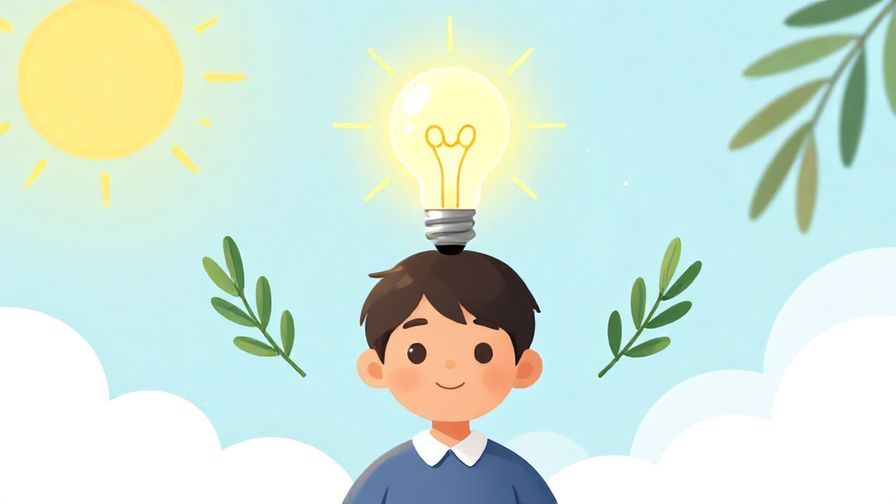
明るい (akarui) means “bright,” and 考え (kangae) means “thought.”
This phrase captures the idea of bright, positive thinking simply and beautifully.
Use it when describing a generally cheerful mindset.
It’s a great way to express optimism in a poetic way.
It can be used both casually and semi-formally.
Feel free to use this phrase when you want to lift the mood in any conversation.
7. 希望を持つ (Kibou o motsu) – “Have hope”

希望 (kibou) means “hope,” and 持つ (motsu) means “to hold” or “have.”
This phrase is about holding hope, a key part of positive thinking.
It’s often used in encouraging or emotional contexts.
Keep it ready for moments when you want to inspire or comfort someone.
Hope and positive thinking go hand in hand, so this phrase is powerful.
Use it when you want to express belief in a better future.
8. 心を強くする (Kokoro o tsuyoku suru) – “Strengthen the heart/mind”

This phrase means “to strengthen your heart or mind,” emphasizing inner resilience.
It’s a slightly deeper way to talk about positive thinking as mental strength.
Great for self-improvement discussions or encouraging others.
Avoid confusing it with physical strength phrases.
This phrase highlights the emotional and mental toughness side of positivity.
It’s perfect for moments when you want to express growth and determination.
Part 2: Polite & Formal Suggestions
9. 肯定的思考 (Kouteiteki shikou) – “Affirmative thinking”

肯定的 (kouteiteki) means “affirmative” or “positive,” and 思考 (shikou) is “thinking.”
This phrase is more formal and often used in business or academic contexts.
It conveys a confident and logical kind of positivity.
Great for presentations or serious discussions.
Use it when you want to sound professional and assured.
This phrase is a polished way to express positive thinking.
10. 建設的な考え方 (Kensetsuteki na kangaekata) – “Constructive way of thinking”

建設的 (kensetsuteki) means “constructive,” and 考え方 (kangaekata) means “way of thinking.”
This phrase emphasizes positivity with a focus on building or solving problems.
It’s great for formal and semi-formal conversations.
Often used in workplace or teamwork settings.
It suggests not just optimism but practical positivity.
Using this phrase shows maturity and thoughtful attitude.
11. 楽観主義 (Rakkan shugi) – “Optimism (philosophy/ideology)”

楽観主義 (rakkan shugi) means “optimism” as a philosophical or ideological stance.
It’s a formal noun often used in writing or speeches.
Use it when discussing positive thinking as a worldview.
It’s less casual and more abstract than everyday phrases.
Great for thoughtful conversations about mindset.
This phrase adds depth and seriousness to your language.
12. 前向きな姿勢 (Maemuki na shisei) – “Forward-looking attitude”

姿勢 (shisei) means “attitude” or “posture,” paired with 前向き (maemuki) for “forward-looking.”
This phrase is polite and commonly used in professional or educational settings.
It’s perfect to describe someone’s positive approach or mindset.
Be careful not to confuse 姿勢 (posture) with physical posture in casual talk.
Use it when praising or encouraging a positive attitude.
This phrase sounds respectful and encouraging.
13. 希望的観測 (Kibouteki kansoku) – “Hopeful speculation”

Hopeful observation or speculation, 希望的観測 is a formal phrase often used in discussions or reports.
It expresses a positive outlook based on hope rather than certainty.
Useful in business or news contexts to express optimism cautiously.
Don’t use it as a direct synonym for positive thinking in casual conversation.
It adds nuance and sophistication to your vocabulary.
Great when you want to sound thoughtful and balanced.
14. 明るい展望 (Akarui tenbou) – “Bright prospect”

展望 (tenbou) means “prospect” or “outlook,” combined with 明るい (akarui) for “bright.”
This phrase is polite and optimistic, often used in talks about the future.
Great for business meetings or formal discussions.
Use it to express hopeful expectations clearly and positively.
This phrase sounds professional but warm.
It’s a nice addition to your formal vocabulary.
15. 心理的に前向き (Shinriteki ni maemuki) – “Psychologically positive”

心理的 (shinriteki) means “psychological,” making this phrase more scientific or clinical.
It’s used to describe a positive mental state in polite or academic contexts.
Good for conversations about mental health or self-help.
Avoid using this phrase casually as it sounds technical.
Use it when you want to sound informed and precise.
This phrase blends positivity with psychology.
16. 希望を抱く (Kibou o idaku) – “Embrace hope”

抱く (idaku) means “to embrace” or “hold,” paired with 希望 (kibou) for “hope.”
This phrase is polite and poetic, often used in literature or speeches.
It evokes a deep, heartfelt sense of positive thinking.
It’s great for moments when words need more emotion.
Use it to express strong, hopeful feelings.
This phrase adds beauty and warmth to your speech.
Part 3: Very Casual / Native-like Expressions
17. ポジティブ (Pojitibu) – “Positive” (adjective alone)

This is the casual, shortened form of “positive.”
Used by itself, it’s often slangy and friendly.
Great for casual chats or social media.
Combine it with verbs like だ (da) or だよ (dayo) to sound natural.
For example, ポジティブだよ means “I’m positive!”
It’s a lighthearted way to express positivity among friends.
18. いい感じ (Ii kanji) – “Good feeling” / “Feeling good”
いい感じ literally means “good feeling.”
It’s casual and often used to describe a positive mood or vibe.
It’s versatile and common in everyday speech.
Don’t confuse it with “いい感じじゃない” (not good feeling).
Use it to casually express positive thinking about a situation.
A perfect phrase for native-like casual talk.
19. ま、なんとかなるよ (Ma, nantoka naru yo) – “Well, it’ll work out somehow”

This phrase expresses laid-back, hopeful thinking.
ま (ma) is a casual interjection similar to “well,” and なんとかなる means “it’ll work out somehow.”
It’s very native-sounding and informal.
Use it to show confidence in the future without stressing.
Great for reassuring friends or yourself.
It captures a uniquely Japanese positive attitude toward uncertainty.
20. 気にしないで (Ki ni shinaide) – “Don’t worry about it”

A common way to encourage positive thinking by telling someone not to worry.
気にしないで literally means “don’t mind” or “don’t worry.”
It’s perfect for casual conversations and comforting others.
Don’t use it in overly formal situations.
Use it to shift focus from negativity to peace of mind.
A handy phrase to lighten the mood anytime.
21. 大丈夫、大丈夫 (Daijoubu, daijoubu) – “It’s okay, it’s okay”

大丈夫 (daijoubu) means “it’s okay” or “I’m fine.”
Repeating it doubles the reassurance and positivity.
It’s a common phrase to comfort yourself or others.
Use it freely in casual and semi-formal settings.
It’s a quick way to express positive thinking and calm.
Perfect for everyday encouragement.
22. いい方向に行こう (Ii houkou ni ikou) – “Let’s go in a good direction”

This phrase encourages moving forward positively together.
いい方向 (ii houkou) means “good direction,” and 行こう (ikou) means “let’s go.”
It’s casual, warm, and motivating.
Perfect for friends or coworkers planning ahead.
Use it to inspire collective positive thinking.
A friendly, hopeful phrase to end any conversation on a high note.
Concluding Thought
Exploring these 22 Japanese expressions for “positive thinking” shows not just language but culture in action.
From casual phrases to formal ideas, each one carries warmth and encouragement.
Remember, positivity is a mindset you can speak—and live—every day. Keep practicing, and enjoy the journey!