24 Japanese ways to say “Good Afternoon”
Afternoon greetings are one of those little gems that brighten a day, no matter where you are. Japanese has so many ways to say “Good afternoon,” each with its own vibe and context.
Whether you’re chatting with friends, writing a letter, or being polite at work, knowing a few variations can make your conversations sparkle. It’s like having a colorful palette instead of just one shade.
In this list, we’ll explore 24 warm and friendly ways to say “Good afternoon” in Japanese. From casual to formal, and even some native-like expressions, there’s something here for everyone.
Learning these phrases not only boosts your language skills but also helps you connect more deeply with Japanese culture and people. Plus, it’s fun to sprinkle your conversations with variety!
So, get ready to discover some delightful afternoon greetings that will make your Japanese sound natural and charming. Ready to brighten up your next afternoon chat?
Let’s dive in and start saying “Good afternoon” in 24 fantastic ways!
Casual & Friendly Greetings
Starting with easy, everyday phrases that you can use with friends, family, or people you know well. These are approachable and fun.
Casual greetings often reflect the relaxed mood of the afternoon and help build closeness. They’re perfect for informal settings and quick chats.
Keep these handy for your next friendly meetup or message.

Sometimes, a great conversation practice book can help you get these greetings down smoothly.
Practicing casually will make these phrases feel natural, so don’t hesitate to try them out loud.
Adding a smile and a warm tone goes a long way with any greeting!
Part 1: Casual Suggestions
1. こんにちは (Konnichiwa) – “Good afternoon”
This is the most common and straightforward way to say “Good afternoon.”
“こんにちは” (Kon-ni-chi-wa) literally means “this day” and is used as a general daytime greeting, perfect from late morning to early evening.
It’s easy to remember and works in almost any casual or semi-formal context.
Think of it as the Japanese equivalent of “Hello” or “Good afternoon.”
It’s polite enough for strangers but casual enough for friends.
Master this phrase first—it’s your essential afternoon greeting!
2. やあ、こんにちは!(Yā, konnichiwa!) – “Hey, good afternoon!”

This is a friendly and energetic way to greet someone you know well.
“やあ” (Yā) is a casual “Hey!” added before the standard “こんにちは” for a cheerful tone.
Use it to add warmth and excitement, like when you bump into a friend unexpectedly.
Don’t overuse it in formal situations—it’s best kept for close company.
Example: Meeting a friend at a café and saying “やあ、こんにちは!”
It’s perfect for keeping the mood light and lively!
3. お疲れさま (Otsukaresama) – “Thanks for your hard work” (used as afternoon greeting)

While literally meaning “You must be tired,” this phrase works well as a friendly afternoon greeting at work.
It shows appreciation and acknowledges effort, making it a warm way to say hello after lunch.
Use it with colleagues or teammates to build camaraderie.
It’s informal but respectful, great for office or group settings.
Note: Avoid using it with people who haven’t started work yet or outside work contexts.
It’s a phrase that shows you care about the other person’s day.
4. 元気? (Genki?) – “How are you?” (casual afternoon check-in)
Short and sweet, “元気?” (Gen-ki) literally means “Energetic?” and is a casual way to ask “How are you?”
It’s often used as an informal greeting around afternoon conversations among friends.
Perfect when you want to check in without a full “Good afternoon.”
Remember to adjust your tone—keep it light and friendly.
It’s a great opener before diving deeper into a chat.
Try it when meeting classmates or close coworkers!
5. 今日もいい天気だね (Kyō mo ii tenki da ne) – “Nice weather today, huh?”

This phrase is a natural way to start a conversation in the afternoon by commenting on the weather.
“今日も” (Kyō mo) means “today too,” “いい天気” (ii tenki) means “good weather,” and “だね” (da ne) adds a friendly confirmation.
It’s casual, friendly, and invites a response—perfect for small talk.
Using weather as a conversation starter is common in Japan, especially in the afternoon.
Great for breaking the ice or lightening the mood.
Try this phrase when meeting colleagues or neighbors.
6. ちょっと休憩しようか (Chotto kyūkei shiyō ka) – “Shall we take a little break?”

This is a gentle, informal way to suggest a break in the afternoon, often used among friends or coworkers.
“ちょっと” (Chotto) means “a little,” “休憩しよう” (kyūkei shiyō) means “let’s take a break,” and “か” (ka) turns it into a friendly question.
It’s a warm phrase that shows care and invites bonding time.
Use it to lighten the mood and foster connection during busy afternoons.
Common in casual office settings or study groups.
Perfect for easing into a relaxed conversation.
7. お昼どう? (Ohiru dō?) – “How’s your afternoon?”
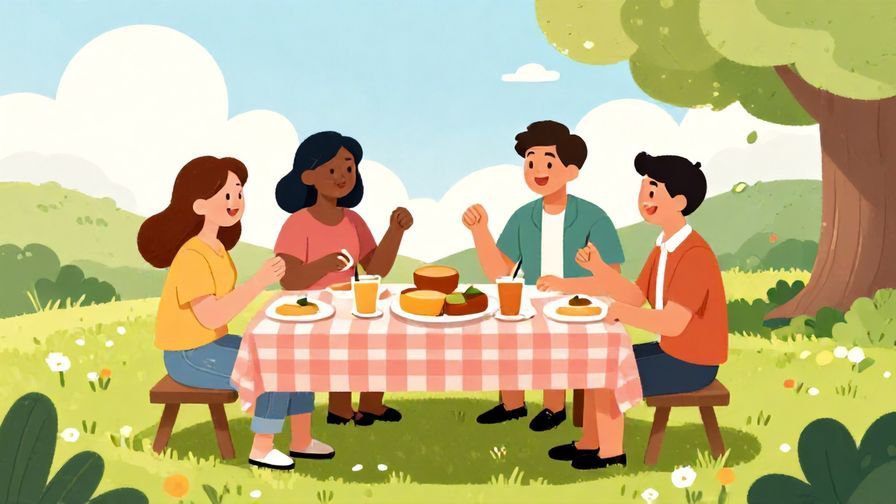
This is a casual way to ask about someone’s afternoon or lunch experience.
“お昼” (Ohiru) means “noon” or “lunch,” and “どう?” (dō?) means “how is it?”
It’s informal and friendly, great for starting a conversation after lunch.
Use it with peers or acquaintances to show interest in their day.
It’s a natural phrase to keep conversations flowing.
Try this one when meeting friends after a midday break.
8. 暖かい午後だね (Atatakai gogo da ne) – “It’s a warm afternoon, isn’t it?”
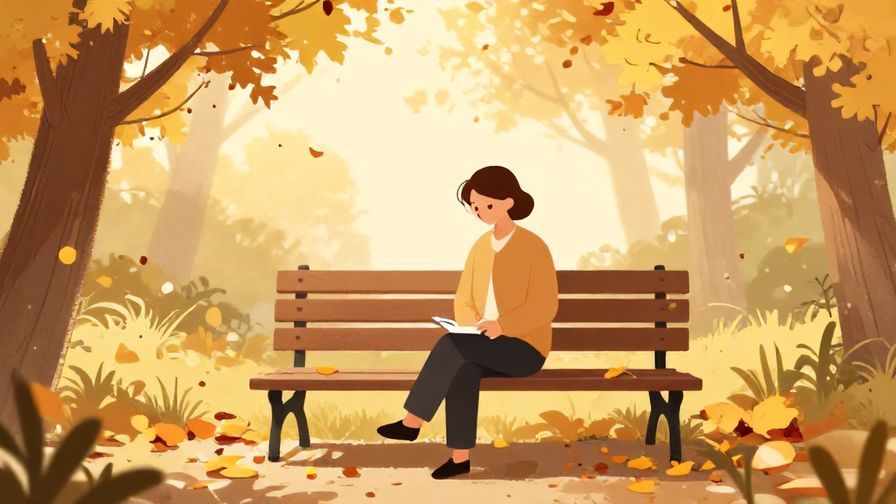
This phrase highlights the warmth of the afternoon and creates a cozy vibe.
“暖かい” (Atatakai) means “warm,” “午後” (gogo) means “afternoon,” and “だね” (da ne) adds a friendly tone.
Use it to set a relaxed, pleasant mood in conversation.
It’s a little poetic and perfect for casual chats outdoors.
Great for connecting through shared appreciation of the day.
Try it when you want to invite a calm, friendly talk.
Part 2: Polite & Formal Suggestions
9. ご機嫌いかがですか? (Gokigen ikaga desu ka?) – “How are you feeling this afternoon?”

This is a very polite and respectful way to greet someone in the afternoon.
“ご機嫌” (Gokigen) means “mood” or “health,” “いかがですか” (ikaga desu ka) means “how is it?”
Use it in formal meetings or when addressing clients and superiors.
It shows genuine care and professionalism.
Ideal for business emails, calls, or face-to-face greetings after lunch.
It’s a phrase that conveys respect with warmth.
10. 午後もよろしくお願いします (Gogo mo yoroshiku onegaishimasu) – “Please continue to take care of me this afternoon”

This is a polite phrase used to ask for continued cooperation during the afternoon.
“午後も” (Gogo mo) means “also this afternoon,” and “よろしくお願いします” (yoroshiku onegaishimasu) is a formal request for goodwill.
Common in business and workplace environments.
It reflects humility and respect towards coworkers or clients.
Use it when starting afternoon meetings or tasks.
It helps maintain positive professional relationships.
11. ただいま午後のご挨拶を申し上げます (Tadaima gogo no go-aisatsu o mōshiagemasu) – “I humbly offer you afternoon greetings”
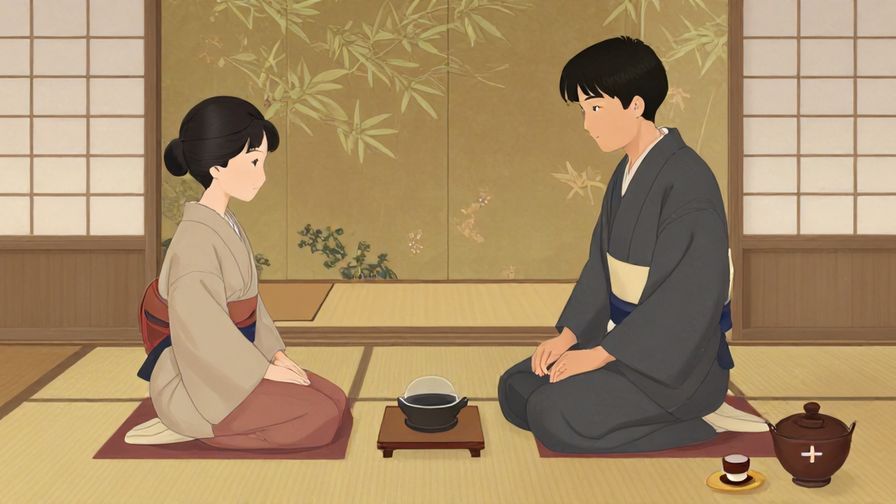
This is a very formal and humble phrase used in ceremonial or official occasions.
“ただいま” (Tadaima) means “right now,” “午後のご挨拶” (gogo no go-aisatsu) means “afternoon greetings,” and “申し上げます” (mōshiagemasu) is a humble expression.
Rarely used in daily conversation but perfect for speeches or formal letters.
Shows deep respect and politeness.
Use it to impress in formal events or cultural ceremonies.
It’s a phrase that honors tradition and etiquette.
12. 本日は午後もよろしくお願いいたします (Honjitsu wa gogo mo yoroshiku onegai itashimasu) – “I kindly ask for your continued support this afternoon”

A refined way to request cooperation or support during afternoon activities.
“本日は” (Honjitsu wa) means “today,” “午後も” (gogo mo) “also this afternoon,” and “よろしくお願いいたします” (yoroshiku onegai itashimasu) is a very polite request.
Perfect for formal emails, meetings, or public announcements.
Shows respect and professionalism.
Use it to foster strong workplace relationships.
It’s a polished phrase that leaves a good impression.
13. 午後のひとときをお楽しみください (Gogo no hitotoki o o-tanoshimi kudasai) – “Please enjoy your afternoon time”

This phrase politely invites someone to enjoy their afternoon.
“午後のひととき” (Gogo no hitotoki) means “afternoon moment,” and “お楽しみください” (o-tanoshimi kudasai) is a polite “please enjoy.”
Great for formal hospitality, event hosting, or customer service.
Expresses warmth and care in a respectful way.
Use it in letters, speeches, or polite face-to-face interactions.
It’s a lovely phrase to make others feel welcomed.
14. 午後のご挨拶を申し上げます (Gogo no go-aisatsu o mōshiagemasu) – “I extend my afternoon greetings”
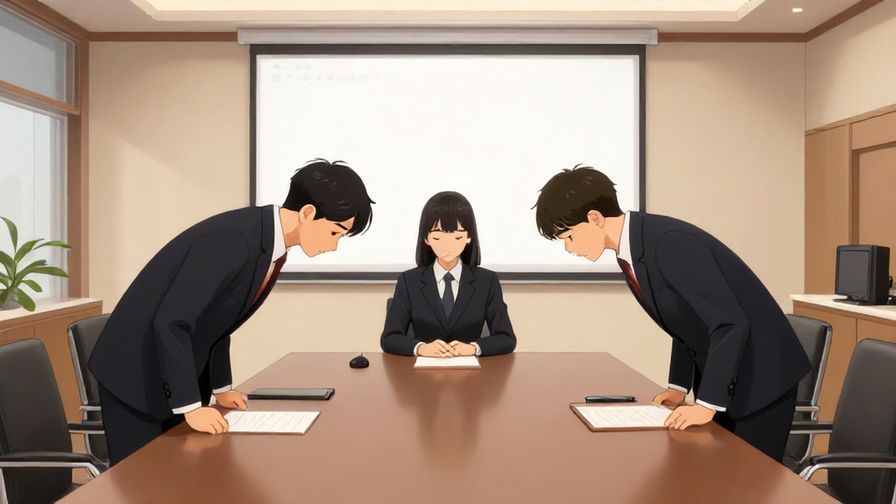
Another very formal phrase used to offer afternoon greetings humbly.
“午後のご挨拶” (Gogo no go-aisatsu) means “afternoon greetings,” and “申し上げます” (mōshiagemasu) is a humble verb.
Used in official speeches, ceremonies, or formal correspondence.
Conveys utmost respect and politeness.
Appropriate when addressing dignitaries or official guests.
Shows your mastery of formal Japanese etiquette.
15. ご機嫌いかがでしょうか (Gokigen ikaga deshō ka?) – “How are you feeling this afternoon?” (very polite)
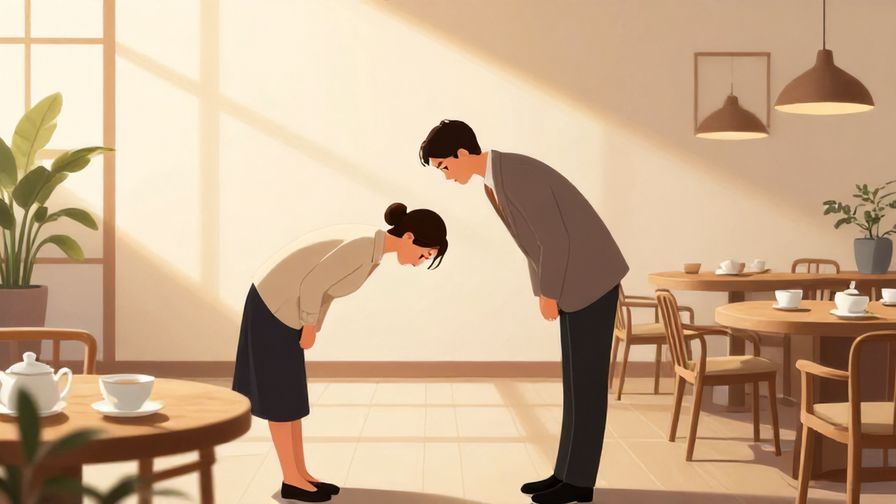
This is a very polite and slightly more formal variation of “ご機嫌いかがですか?”
“でしょうか” (deshō ka) softens the question, making it more courteous.
Perfect for formal letters, emails, or in-person greetings with superiors.
Shows genuine interest in the other person’s wellbeing.
Use it in customer service or official events.
It’s a phrase that blends politeness with warmth.
16. 午後の時間をお過ごしください (Gogo no jikan o osugoshi kudasai) – “Please spend a pleasant afternoon”
This is a polite phrase wishing someone a pleasant afternoon.
“午後の時間” (Gogo no jikan) means “afternoon time,” “お過ごしください” (osugoshi kudasai) means “please spend.”
Great for formal emails, letters, or polite conversations.
It expresses kindness and good wishes.
Use it when ending a message or conversation politely.
A thoughtful phrase to close on a positive note.
Part 3: Very Casual / Native-like Expressions
17. おっす!(Ossu!) – “Yo!” (very casual greeting)

“おっす!” (Ossu) is a super casual, masculine greeting often used among close friends or teammates.
It’s roughly like “Yo!” or “Hey!” in English and can be used any time of day, including afternoon.
Not appropriate in formal contexts but great for sports, clubs, or casual hangouts.
It conveys energy and friendliness.
Try it with Japanese friends to sound more natural and relaxed.
It’s an expression that shows you’re part of the group.
18. 今日もよろしくな! (Kyō mo yoroshiku na!) – “Let’s have a good one today too!”

This is a casual, friendly way to say you’re looking forward to spending the day with someone.
“今日も” (Kyō mo) means “today too,” “よろしくな” (yoroshiku na) is a casual “please treat me well.”
Used mostly among close friends and coworkers.
It sets a positive, cooperative tone for the afternoon.
Great for informal team settings or social gatherings.
It’s a phrase that builds friendly bonds.
19. いい午後だね!(Ii gogo da ne!) – “Nice afternoon, huh?”

A cheerful, casual way to comment on the afternoon’s pleasantness.
“いい” (Ii) means “good” or “nice,” “午後” (gogo) means “afternoon,” and “だね” (da ne) adds a friendly tone.
Use it to start a casual conversation or express contentment.
It’s informal but very common among native speakers.
Try it when the weather is nice or the mood is light.
A simple phrase to keep things upbeat.
20. おつかれ!(Otsukare!) – “Good work!” (casual afternoon greeting)

A shortened, casual form of “お疲れさま,” often used among friends or colleagues.
It’s a quick way to acknowledge effort and greet someone in the afternoon.
Less formal but warm and encouraging.
Great for casual office chats or after school.
Be careful not to use it with strangers or superiors.
It’s a phrase that shows appreciation in a relaxed way.
21. どう、午後は? (Dō, gogo wa?) – “How’s your afternoon?” (casual)

A simple, casual way to ask about someone’s afternoon.
“どう” (Dō) means “how,” “午後は” (gogo wa) means “about the afternoon.”
Good for informal conversations with friends or coworkers.
It invites sharing and keeps the chat flowing.
Use it to show interest in the other person’s day.
It’s an easy phrase to remember and use daily.
22. 午後もがんばろう!(Gogo mo ganbarō!) – “Let’s do our best this afternoon too!”

This upbeat phrase encourages effort and teamwork during the afternoon.
“午後も” (Gogo mo) means “also this afternoon,” “がんばろう” (ganbarō) is “let’s do our best.”
Used among friends, family, or colleagues.
It’s motivating and positive.
Great for boosting morale mid-day.
Use it when you want to cheer someone on!
23. ちょうどいい午後だね (Chōdo ii gogo da ne) – “It’s just the right kind of afternoon”
This phrase expresses contentment with the afternoon’s pace and feel.
“ちょうどいい” (Chōdo ii) means “just right,” combined with “午後だね” (gogo da ne) for “it’s afternoon.”
Use it to share a relaxed moment or vibe.
It’s casual and warm, perfect for close friends or family.
A little poetic and reflective.
Great for enjoying calm afternoons together.
24. また午後にね!(Mata gogo ni ne!) – “See you again this afternoon!”

A casual and friendly way to say goodbye with a plan to meet in the afternoon again.
“また” (Mata) means “again,” “午後に” (gogo ni) means “in the afternoon,” and “ね” (ne) softens the phrase.
Use it when parting but expecting to reconnect soon.
It’s warm and keeps the connection alive.
Perfect for casual conversations or messaging.
A sweet phrase to end your afternoon chats.
Concluding Thought
Exploring these 24 ways to say “Good afternoon” shows just how rich and varied Japanese greetings can be. Each phrase carries a unique flavor and suits different moments and relationships.
Whether you choose a casual “こんにちは” or a respectful “ご機嫌いかがですか?,” you’re adding warmth and connection to your conversations. The key is matching your greeting to the situation and your relationship with the listener.
So go ahead—try them out, mix them up, and watch your Japanese conversations bloom with friendliness and cultural charm. Your afternoons just got a little brighter!