24 Japanese ways to say “Hello”
Hello! Whether you’re just starting out with Japanese or you want to add some personality to your greetings, knowing different ways to say “hello” is super useful.
In Japanese, greetings can change depending on the time of day, your relationship with the person, or the situation. It’s pretty fun to explore these variations!
Each phrase has its own vibe—from casual and friendly to polite and formal—so you can pick just the right one.
Learning these will not only help you sound more natural but also connect with people in a warmer way.
Plus, mastering these greetings is a great first step in your Japanese language journey.
Let’s dive into 24 authentic, warm, and informal ways to say “hello” in Japanese that you can start using today!
Warm and Friendly Japanese Greetings
Japanese greetings often reflect the culture’s emphasis on respect and harmony. But there’s plenty of room for casual, heartfelt ways to say hello too.
In daily life, choosing the right greeting can make your interactions feel more genuine and personal.
These common greetings cover everything from morning hellos to casual drop-bys.

If you want a handy companion, a Japanese greetings phrasebook can be a great tool to deepen your understanding and practice.
Remember, the key is to listen, repeat, and enjoy the process of learning these natural expressions.
Using these greetings will get you closer to sounding like a native speaker every day.
Part 1: Casual Suggestions
1. こんにちは (Konnichiwa) – “Hello/Good afternoon.”

“Konnichiwa” is the classic and most common way to say hello during the day in Japanese.
It literally means “today” (今日, kyou) + “day” (日, hi) but is used as a general daytime greeting. It’s simple and polite without being too formal.
Great for friends, colleagues, or new acquaintances.
Use it mainly from late morning to early evening.
If you want to be extra polite, you can add “ございます” (gozaimasu) to form “こんにちはございます,” but it’s rarely used.
Start with this one and you’ll be able to greet people politely almost anytime during the day.
2. おはよう (Ohayou) – “Good morning.”
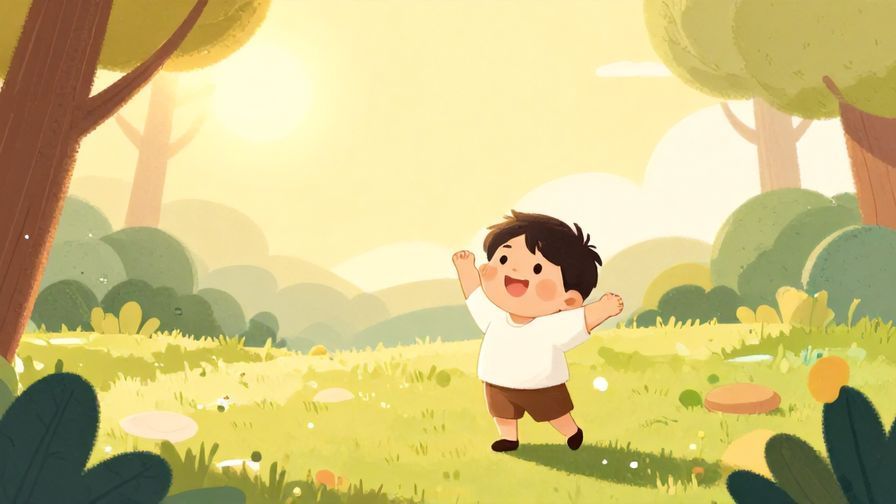
“Ohayou” is the informal way to say “good morning.”
It means “early” and literally conveys the feeling of starting the day fresh. For polite use, add “ございます” (gozaimasu) to get “おはようございます” (Ohayou gozaimasu), perfect for teachers or workplace greetings.
Use “Ohayou” among friends and family.
It’s friendly and warm, setting a cheerful tone for the day.
Remember, use the polite form in formal settings to show respect.
Greeting someone in the morning with a bright “Ohayou” can really start the day on a positive note.
3. やあ (Yā) – “Hey!”

“Yā” is a super casual, friendly greeting used mainly among young people or close friends.
It’s similar to saying “Hey!” in English and can be used when you’re feeling informal and relaxed.
Perfect for quick hellos or catching someone’s attention.
Avoid using it in formal situations.
It’s often accompanied by a smile or casual body language.
Use this to build a friendly, laid-back vibe when meeting close pals.
4. もしもし (Moshi moshi) – “Hello (on the phone).”

“Moshi moshi” is the classic way to say hello when answering the phone.
It literally means “excuse me” or “hello” and is only used in phone conversations.
It’s polite but casual enough to use with friends and family.
Never use this greeting in face-to-face meetings.
It’s a good phrase to remember if you plan on calling Japanese friends or businesses.
Using “Moshi moshi” signals you’re ready to start the conversation warmly and clearly.
5. 元気? (Genki?) – “How are you?”

“Genki?” literally means “healthy?” but is used like “How are you?”
It’s informal and friendly, often used among people who know each other well.
A simple way to show you care about someone’s well-being.
Don’t use it with strangers or super formal settings.
It can be followed by “元気ですか?” (Genki desu ka?) to sound more polite.
Try this to make your greetings feel more personal and caring.
6. おっす (Ossu) – “Yo!” (Very casual, male)

“Ossu” is a very casual, masculine greeting often used among male friends or teammates.
It’s similar to saying “Yo!” or “Sup!” in English and carries a sporty, energetic vibe.
Great for informal settings like sports or casual hangouts.
Not suitable for formal or mixed company.
It’s a fun, quick way to say hello if you want to sound confident and relaxed.
Use it sparingly and only with people who expect that tone.
7. ちわっす (Chiwassu) – “Hey there!” (Very casual)

“Chiwassu” is a playful, very casual form of greeting, often used among close friends.
It’s a shortened and combined form of “こんにちは” and “おはよう,” giving it a friendly, upbeat feel.
Perfect for informal chats or quick hellos.
It’s not suitable for formal or professional contexts.
Try it with friends to add some fun to your greetings.
This phrase shows your casual, easygoing side.
8. 久しぶり (Hisashiburi) – “Long time no see.”

“Hisashiburi” means “long time” and is used to greet someone you haven’t seen for a while.
It’s informal but very warm and welcoming.
Great for catching up with friends or family after some time apart.
Adding “元気?” (Genki?) after it, as in “久しぶり、元気?” makes it even friendlier.
Use this to show genuine happiness in reconnecting.
It’s perfect for casual and heartfelt greetings.
Part 2: Polite & Formal Suggestions
9. お疲れ様です (Otsukaresama desu) – “Thank you for your hard work.”

“Otsukaresama desu” is a polite greeting often used at work or after a shared effort.
It literally means “you must be tired,” showing appreciation for someone’s effort.
It’s a respectful way to say hello or goodbye in formal settings.
Use this when greeting coworkers or superiors.
It’s not a casual hello but rather a phrase that acknowledges work done.
This phrase builds positive, respectful connections in professional environments.
10. 失礼します (Shitsurei shimasu) – “Excuse me” (polite greeting or farewell)

“Shitsurei shimasu” literally means “I will be rude” but is used to say “excuse me” politely.
It’s common when entering or leaving a room or interrupting someone.
It can function as a formal greeting or farewell.
Use it in business meetings, formal visits, or polite encounters.
It shows humility and respect when communicating.
Mastering this phrase helps you navigate formal social situations smoothly.
11. こんにちはございます (Konnichiwa gozaimasu) – “Hello (very polite).”

This is the very polite form of “konnichiwa.”
The addition of “ございます” (gozaimasu) elevates the politeness level.
Used in formal events, customer service, or when addressing elders.
It’s less common in casual daily conversation.
Using this phrase shows respect and professionalism.
It’s great for formal greetings while still sounding warm.
12. 初めまして (Hajimemashite) – “Nice to meet you.”

“Hajimemashite” is used when meeting someone for the first time.
It means “for the first time” and is always paired with a self-introduction.
It’s polite and sets a friendly tone.
Perfect for new encounters, both formal and informal.
Follow it with your name and a pleasant expression.
This phrase is essential for starting conversations the right way.
13. ご機嫌いかがですか? (Gokigen ikaga desu ka?) – “How do you do?”
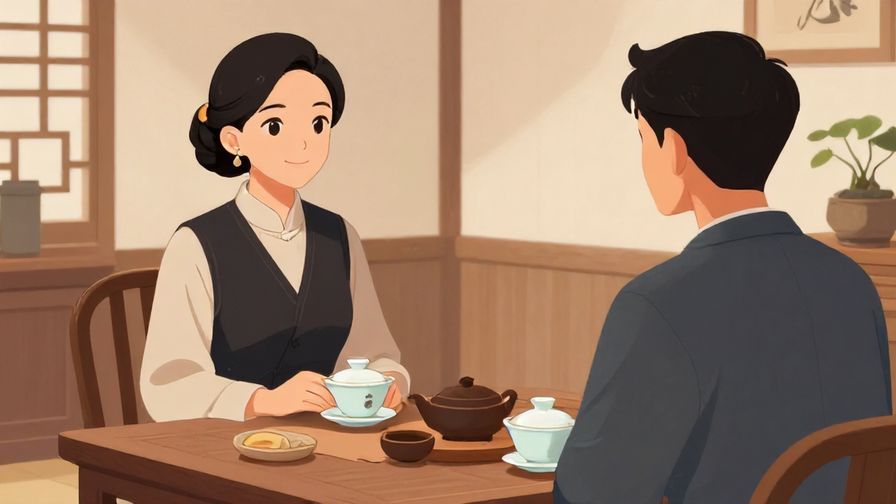
This phrase is a very polite way to ask “How are you?”
It literally means “How is your mood?” and shows deep respect.
Mostly used in formal letters, speeches, or with people you want to honor.
Not common in casual conversations.
Use it to impress in formal or ceremonial situations.
It’s a refined way to greet those you respect greatly.
14. お元気でいらっしゃいますか? (Ogenki de irasshaimasu ka?) – “Are you well?” (Very polite)

This is a super polite version of “Are you well?”
It elevates the casual “genki” to a respectful level.
Best used in formal letters or conversations with elders.
A bit long for everyday use but perfect for showing care respectfully.
It conveys warmth and high regard simultaneously.
Use this when you want to sound very considerate and polite.
15. よろしくお願いします (Yoroshiku onegaishimasu) – “Please treat me well.”

“Yoroshiku onegaishimasu” is a versatile phrase used when greeting someone new or asking for favor.
It means “please be kind to me” and implies a request for good relations.
It’s polite but can be used in many contexts, from business to casual.
Often said after “hajimemashite.”
It’s a great phrase to show humility and openness.
Using it helps you build positive impressions right away.
16. おはようございます (Ohayou gozaimasu) – “Good morning” (polite)

This is the polite form of “ohayou.”
Adding “ございます” (gozaimasu) makes it suitable for workplace or formal morning greetings.
It shows respect, especially to elders or superiors.
Use this in schools, offices, or formal meetings.
It’s a polite, bright way to start the day with respect.
Regular practice will make you sound polished and considerate.
Part 3: Very Casual / Native-like Expressions
17. どうも (Doumo) – “Hi” / “Thanks” (casual)

“Doumo” is a casual and versatile greeting that can mean “hi” or “thanks.”
It’s very informal and often used between friends or acquaintances.
It’s short, easy, and sounds natural in daily life.
Be careful not to overuse it in formal settings.
It’s a friendly way to acknowledge someone quickly.
Use it to add a relaxed tone to your greetings.
18. よう (You) – “Yo!” (Very casual)

“You” is a super casual and masculine greeting, similar to “Yo!”
Used mainly among young men or close friends.
It’s brief and informal, great for relaxed environments.
Not appropriate for formal or mixed company.
Pair it with a smile or nod for a friendly vibe.
Use it to sound effortlessly cool and native-like.
19. おっす (Ossu) – “Hey!” (Very casual, male)
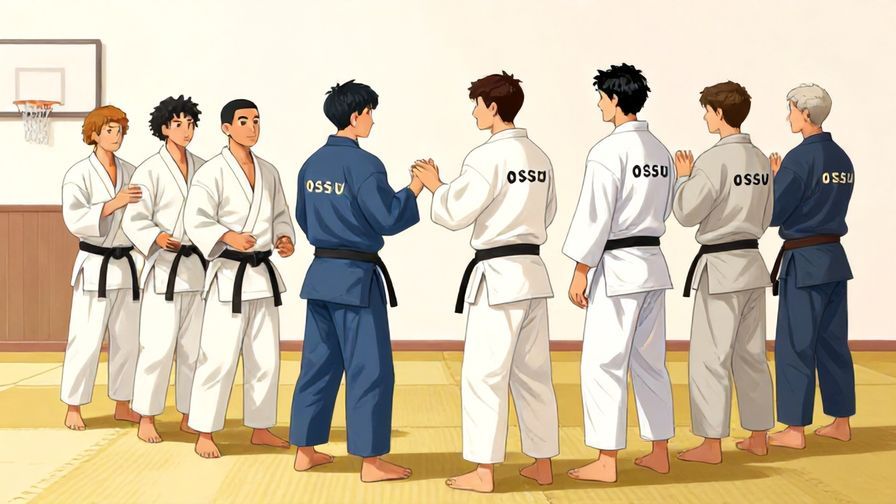
“Ossu” is another very casual greeting mostly used by men.
It carries an energetic and friendly tone, often heard in sports or male peer groups.
It’s informal and not suitable for formal situations.
Use it when you want to sound relaxed and approachable.
It’s a strong, confident way to say hello among friends.
Try this greeting if you want to adopt a sporty, native style.
20. よっ (Yo) – “Hey!” (casual)
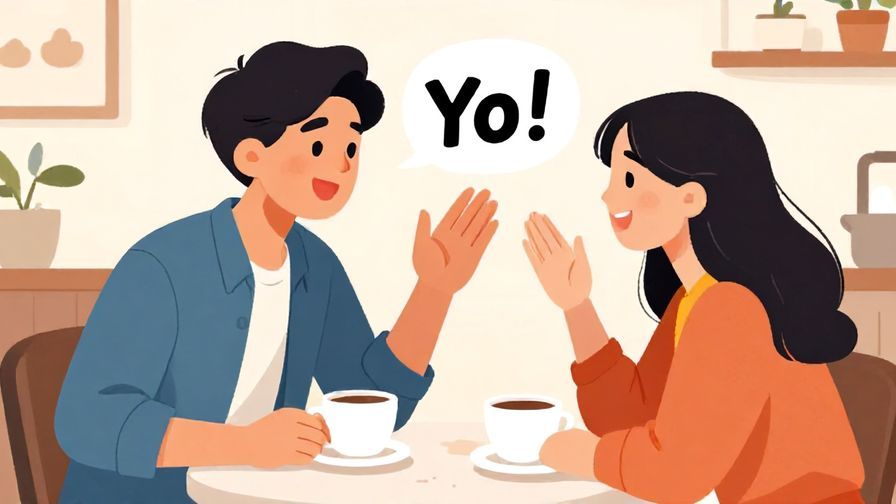
“Yo” is a short, casual greeting used among friends.
It’s less masculine than “ossu” and fits a variety of informal situations.
Great for quick, friendly hellos.
It’s easy to say and sounds natural.
Not used in formal or respectful contexts.
Use “yo” to keep things light and friendly.
21. ちょっと (Chotto) – “Hey there!” (casual attention-getter)
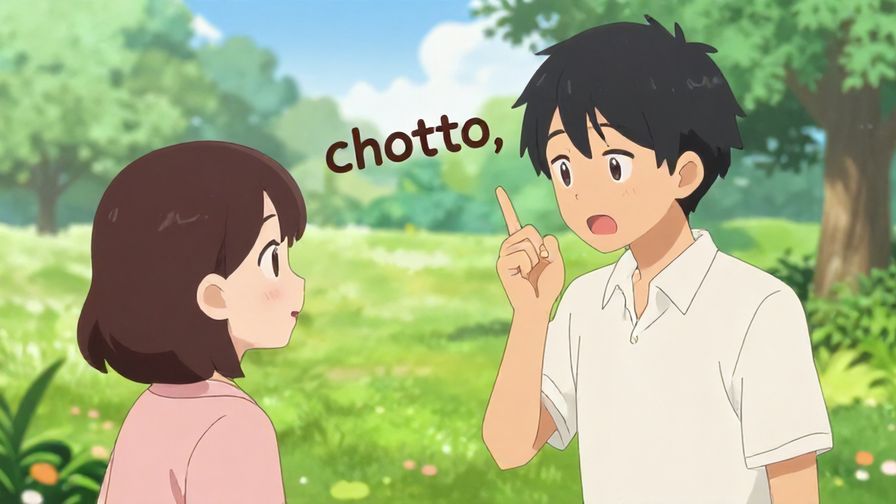
“Chotto” means “a little” but is often used to get someone’s attention casually.
It’s like saying “hey” or “wait a sec.”
Used mostly in informal conversations.
Can sometimes sound abrupt if not softened by tone.
It’s a useful phrase to start casual interactions.
Try it when you want to quickly engage a friend.
22. どうもどうも (Doumo doumo) – “Hey hey!” (friendly)

“Doumo doumo” is a friendly, repetitive greeting that adds warmth.
It’s like saying “hey hey!” with enthusiasm.
Great for close friends and casual encounters.
It can feel a bit playful or cheeky.
Use it when you want to show extra friendliness.
It’s perfect for lighthearted, informal hellos.
23. どう? (Dou?) – “Hey, how’s it going?”
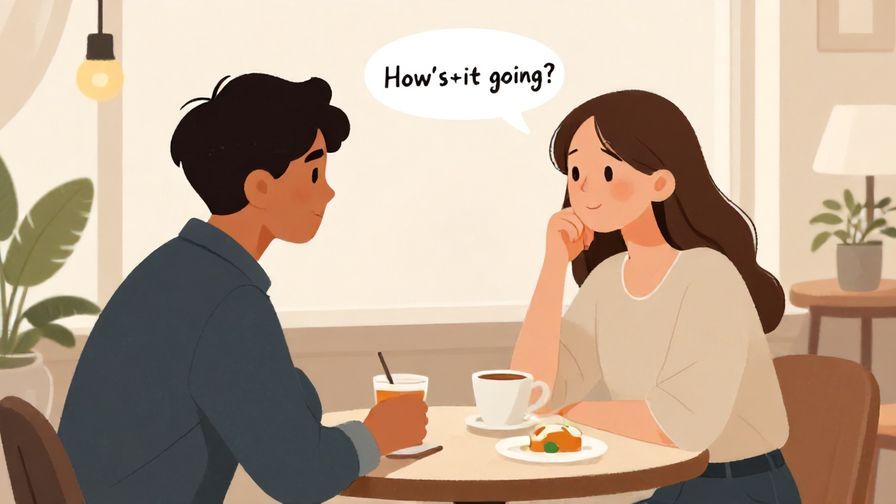
“Dou?” is a very casual way to ask “How are you?”
It literally means “How?” and invites a quick check-in.
Used with friends or peers in informal settings.
It’s simple, natural, and friendly.
Perfect for casual greetings combined with “yo” or “hey.”
Try it to sound approachable and easygoing.
24. おっはー (Ohaa) – “Morning!” (very casual, playful)

“Ohaa” is a fun, informal twist on “ohayou.”
It’s playful and used mostly by young people or close friends.
It adds a friendly, casual flair to your morning greetings.
Not suitable for formal use.
Use it to keep greetings light and cheerful.
Perfect for brightening up your morning chats with friends.
Concluding Thought
Exploring these 24 warm and informal ways to say hello in Japanese opens up a world of friendly connection and cultural nuance.
From polite formalities to casual native expressions, you now have plenty of options to greet people just right for any occasion.
Keep practicing, stay curious, and enjoy making your conversations more vibrant and heartfelt!