22 Japanese ways to say “Good vibes only”
Feeling good and spreading positive energy is a universal goal, right? Sometimes, you want to tell the world—or just your friends—that only good vibes are welcome.
In Japanese, there are many ways to express this warm, chill mindset. From casual slang to polite phrases, each one carries a unique flavor.
Whether you’re learning Japanese or just love the language, discovering these expressions can be both fun and useful.
It’s like adding new colors to your emotional palette—perfect for social media captions, conversations, or even personal mantras.
Plus, understanding these phrases deepens your grasp of how positivity is viewed in Japanese culture.
Ready to brighten your vocabulary? Let’s dive into 22 Japanese ways to say “Good vibes only” with a friendly, informal tone.
Setting the Mood: Catching the Positive Flow
Before we jump into the phrases, it’s good to know that “good vibes” in Japanese often relates to feelings like happiness, harmony, and peace.
Expressions typically highlight a positive atmosphere, cheerful mindsets, or simply enjoying the moment without negativity.
Most of these phrases are easy to use once you get the hang of the key words.

If you want a handy resource while learning, a Japanese phrasebook focused on positive expressions can really speed things up.
Just a little daily practice with these phrases can help you naturally adopt that good vibe mindset.
Let’s start with some casual and easy-going expressions!
Part 1: Casual Suggestions
1. いい感じだけ (Ii kanji dake) – “Only good vibes.”

This is a straightforward phrase meaning literally “only good feeling” or “only good vibes.”
いい (ii) means “good,” 感じ (kanji) means “feeling” or “vibe,” and だけ (dake) means “only.”
It’s perfect for casual chats or social media when you want to keep the energy positive.
Try saying it with a smile to really sell the vibe!
It’s similar to saying “all good” or “only great vibes” in English.
Practice this when you want to encourage yourself or your friends to stay upbeat.
2. ポジティブだけで (Pojitibu dake de) – “Only positive.”

ポジティブ (pojitibu) is just “positive” in katakana, borrowed from English.
Adding だけで (dake de) means “only,” so the phrase translates to “only positive.”
It’s casual and modern, great for young people or informal conversations.
Be careful not to use this in too formal a setting.
For example, you could say, “今日のパーティーはポジティブだけでね!” (Kyou no paatii wa pojitibu dake de ne!) meaning “Let’s keep only positive vibes at today’s party!”
It’s a fun, simple phrase to sprinkle into daily talk.
3. ハッピーな気持ちだけ (Happii na kimochi dake) – “Only happy feelings.”

ハッピー (happii) is “happy” in katakana, 気持ち (kimochi) means “feeling,” and だけ (dake) again means “only.”
This phrase emphasizes the happy feelings part of good vibes.
It’s great for expressing a focus on happiness alone, without any negativity.
Say it when you want to highlight joy as your main vibe.
Similar phrases include ハッピーだけでOK (Happii dake de OK), meaning “Happy vibes only, OK!”
It’s a cheerful way to keep spirits high.
4. いい波だけ (Ii nami dake) – “Only good waves.”

Inspired by the English “good vibes only,” this phrase uses 波 (nami), meaning “wave,” metaphorically for vibes.
いい (ii) means “good,” so it literally means “only good waves.”
It’s poetic and casual, great for beach lovers or those who like a natural feel.
Try it for an easygoing, nature-connected vibe.
It can be paired with 最高 (saikou), meaning “the best,” for extra punch: いい波だけ最高! (Ii nami dake saikou!)
It’s a smooth way to say “good vibes only.”
5. 楽しもうぜ! (Tanoshimou ze!) – “Let’s have fun!”

While not a direct translation, this is a common casual phrase that carries the spirit of good vibes.
楽しもう (tanoshimou) means “let’s enjoy/have fun,” and ぜ (ze) adds a friendly, masculine emphasis.
It’s perfect for encouraging a positive mood in your group.
Use it to invite others to join in good times.
It expresses a carefree, upbeat attitude that fits the “good vibes only” energy.
Great for casual outings or social media captions!
6. ポジティブ思考で (Pojitibu shikou de) – “With positive thinking.”

ポジティブ (pojitibu) means “positive,” 思考 (shikou) means “thinking,” and で (de) means “with” or “by.”
This phrase highlights the mindset behind good vibes: thinking positively.
It’s a bit more thoughtful and can fit semi-formal contexts.
Use it when talking about attitude or mental approach.
For example, ポジティブ思考で行こう! (Pojitibu shikou de ikou!) means “Let’s go with positive thinking!”
A great phrase to keep your mind focused on good energy.
7. 気分最高! (Kibun saikou!) – “Feeling awesome!”

気分 (kibun) means “feeling,” and 最高 (saikou) means “the best” or “awesome.”
This phrase is energetic and perfect for expressing a high-spirited vibe.
It’s casual and commonly used among friends.
Say it when you’re really feeling good and want to share that energy.
It brightens conversations and social posts.
Try using it right after a fun event or good news!
8. 明るくいこう! (Akaruku ikou!) – “Let’s be cheerful!”

明るく (akaruku) means “cheerfully,” and いこう (ikou) means “let’s go.”
This phrase invites positivity and brightness in mood or attitude.
It’s casual and uplifting, great for encouraging a group.
Use it to set a happy tone for any activity.
It’s like saying “keep it light and bright!”
Perfect for daily motivation with friends or coworkers.
Part 2: Polite & Formal Suggestions
9. 良い雰囲気だけでお願いします (Yoi fun’iki dake de onegaishimasu) – “Please, only a good atmosphere.”

This is a polite way to request a good vibe or atmosphere.
良い (yoi) means “good,” 雰囲気 (fun’iki) means “atmosphere,” だけで (dake de) means “only,” and お願いします (onegaishimasu) is a polite “please.”
It’s ideal for formal events or workplace settings.
Use it to gently encourage positive energy without being pushy.
The phrase shows respect and care for the group’s mood.
Great for meetings, ceremonies, or polite social gatherings.
10. ポジティブな空気を大切にしましょう (Pojitibu na kuuki o taisetsu ni shimashou) – “Let’s cherish a positive atmosphere.”
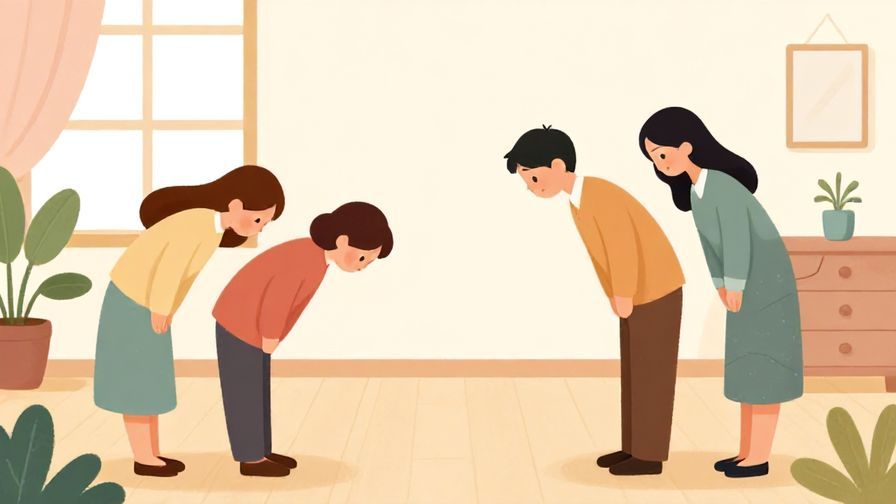
ポジティブな (pojitibu na) means “positive,” 空気 (kuuki) means “air” or “atmosphere,” 大切にしましょう (taisetsu ni shimashou) means “let’s value/cherish.”
This phrase is formal and thoughtful, emphasizing care for the vibe.
Use it in speeches or formal conversations.
It encourages mindfulness about the group’s energy.
You can use it in business or community settings.
It’s a respectful way to promote positivity.
11. 明るい気持ちで過ごしましょう (Akarui kimochi de sugoshimashou) – “Let’s spend time with bright feelings.”
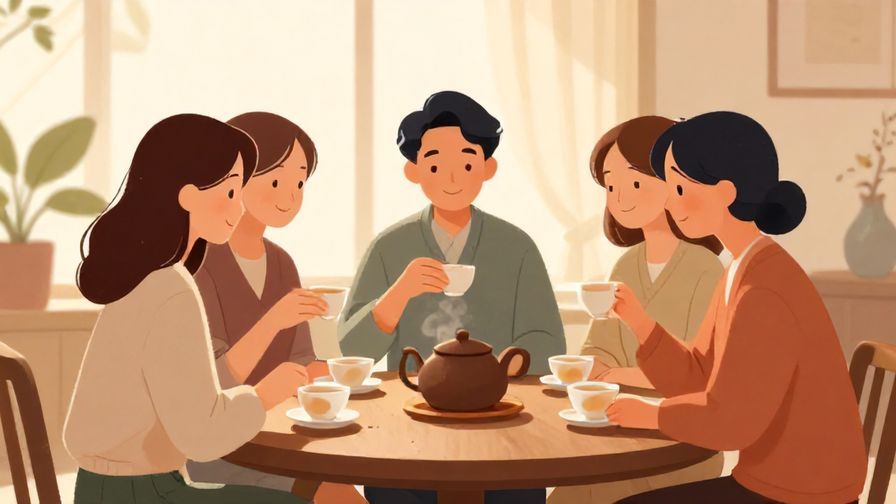
明るい (akarui) means “bright,” 気持ち (kimochi) means “feeling,” and 過ごしましょう (sugoshimashou) means “let’s spend (time).”
This phrase is polite and encourages maintaining a cheerful mood.
It’s great in both social and formal contexts.
Use it to suggest positivity in daily life or events.
It’s a gentle reminder to keep spirits up.
Perfect for group activities or gatherings.
12. 前向きでいきましょう (Maemuki de ikimashou) – “Let’s stay positive.”

前向き (maemuki) means “forward-looking” or “positive,” and いきましょう (ikimashou) is “let’s go” or “let’s do.”
This phrase is polite and motivational.
It’s suitable for encouragement in professional or formal settings.
Use it to uplift a team or yourself.
It’s a common phrase in Japanese business culture.
It reflects resilience and optimism.
13. 良い気分を保ちましょう (Yoi kibun o tamochimashou) – “Let’s keep a good mood.”

良い (yoi) means “good,” 気分 (kibun) means “mood,” and 保ちましょう (tamochimashou) means “let’s maintain.”
This phrase is polite and practical.
Great for reminding people to stay positive through challenges.
Use it in meetings or group settings.
It’s a nice way to encourage emotional balance.
Good for both personal and professional environments.
14. ポジティブな雰囲気を作りましょう (Pojitibu na fun’iki o tsukurimashou) – “Let’s create a positive atmosphere.”

This phrase is polite and inclusive.
It encourages active effort to generate good vibes.
Use it in team-building or community events.
It’s about collaboration and positivity.
The phrase fosters a sense of unity and purpose.
Perfect for leaders or organizers.
15. 心地よい空気だけを感じましょう (Kokochiyoi kuuki dake o kanjimashou) – “Let’s feel only comfortable vibes.”

心地よい (kokochiyoi) means “comfortable” or “pleasant,” 空気 (kuuki) is “air” or “atmosphere,” and 感じましょう (kanjimashou) means “let’s feel.”
This phrase is polite and soothing.
It’s perfect for encouraging calm and positive feelings.
Use it in wellness or relaxation contexts.
It emphasizes comfort and peace.
A beautiful way to invite good vibes gently.
16. 楽しい雰囲気を大切にしましょう (Tanoshii fun’iki o taisetsu ni shimashou) – “Let’s cherish a fun atmosphere.”

楽しい (tanoshii) means “fun” or “enjoyable,” and 大切にしましょう (taisetsu ni shimashou) means “let’s cherish.”
This polite expression is great for social or work events.
It encourages appreciation of joyful moments.
Use it to keep the mood light and happy.
It helps remind everyone to enjoy themselves.
A perfect phrase for celebrations or gatherings.
Part 3: Very Casual / Native-like Expressions
17. いい波乗ってるね! (Ii nami notteru ne!) – “You’re riding good waves!”

This slangy phrase means someone is in a good mood or on a lucky streak.
いい波 (ii nami) is “good wave,” and 乗ってる (notteru) means “riding.”
It’s very casual and popular among young people.
Use it to compliment someone’s vibe or luck.
It’s playful and energetic, perfect for friends.
Great to learn for sounding like a native in relaxed settings.
18. ゆるふわでいこう! (Yurufuwa de ikou!) – “Let’s go relaxed and fluffy!”

ゆるふわ (yurufuwa) is slang for “soft,” “relaxed,” or “easygoing.”
It’s a cute, casual phrase meaning to keep things light and comfortable.
Perfect for encouraging chill vibes.
Use it among close friends or social media.
This phrase captures a carefree spirit well.
Try it when you want to slow down and enjoy the moment.
19. ノリノリで行こう! (Nori nori de ikou!) – “Let’s go pumped up!”

ノリノリ (nori nori) means “in the groove” or “hyped up.”
This phrase is super casual and full of energy.
Say it when you want to ramp up the excitement.
It’s great for parties, concerts, or any fun event.
It’s basically “good vibes only” with a party twist.
Perfect for vibrant social settings.
20. まったりしようよ (Mattari shiyou yo) – “Let’s chill out.”

まったり (mattari) means “relaxed” or “laid-back.”
This phrase invites friends to take it easy together.
It’s casual and warm, perfect for downtime.
Use it when you want to suggest mellow vibes.
It’s the opposite of stress, a perfect “good vibes only” phrase.
Great for quiet hangouts or lazy days.
21. 最高な気分だね! (Saikou na kibun da ne!) – “Feeling awesome, huh!”

最高 (saikou) means “the best” or “awesome,” 気分 (kibun) means “feeling.”
This phrase expresses pure joy and good vibes.
It’s casual but enthusiastic.
Great for sharing excitement with friends.
Use it when something really makes you happy.
Perfect for capturing a positive moment in conversation or posts.
22. ポジティブ一直線! (Pojitibu icchokusen!) – “Positive all the way!”

ポジティブ (pojitibu) is “positive,” 一直線 (icchokusen) means “straight line” or “direct path.”
This phrase means staying positive without detours.
It’s casual and motivating, used among friends or on social media.
Say it when you want to commit fully to good vibes.
It’s a fun and dynamic way to express positivity.
Great as a personal motto or encouragement.
Concluding Thought
Exploring these 22 ways to say “Good vibes only” in Japanese shows how rich and varied expressions of positivity can be.
Whether casual, polite, or slangy, each phrase adds warmth and nuance to your conversations and mindset.
Keep practicing, and soon you’ll be spreading those good vibes naturally in Japanese, brightening your days and those around you!