22 Japanese ways to say “Stay positive”
Sometimes life throws curveballs, and keeping a positive mindset can feel like a challenge. But language is a powerful tool to encourage ourselves and others.
Japanese, with its rich expressions and cultural nuances, offers many warm ways to say “Stay positive.”
Whether you want to lift a friend’s spirits or remind yourself to look on the bright side, these phrases can help.
They range from casual to formal, simple to heartfelt, so you can pick what fits your mood and situation best.
Learning these phrases also gives you a small window into how positivity is expressed in Japanese culture.
Ready to brighten your day with 22 Japanese ways to say “Stay positive”? Let’s dive in!
Warm-Up: Why Knowing Different Ways to Stay Positive Is Useful
Japanese offers a unique blend of phrases that carry emotional nuance.
From casual chats to polite encouragement, understanding these phrases helps you connect better with people and express genuine kindness.
It’s not just about words—it’s about the feeling behind them.

Sometimes, using a great beginner phrasebook can give you a perfect starting point for a cohesive understanding.
Once you get comfortable, these phrases become natural ways to send good vibes.
And the best part? You can practice them daily!
Part 1: Casual Suggestions
1. 元気出してね (Genki dashite ne) – “Cheer up!”

This is a warm, casual way to tell someone to cheer up or stay positive.
元気 (Genki) means “energy” or “well-being,” and 出して (dashite) means “to put out” or “to show,” so together it encourages someone to “show your energy.”
It’s often said to friends or family when they seem down.
Keep it light and kind—this phrase is a gentle nudge.
Similar phrases include 元気でね (Genki de ne), meaning “Take care.”
Try saying it when your friend seems a bit gloomy; it’s an easy way to express care.
2. ポジティブにね (Pojitibu ni ne) – “Stay positive!”

Borrowed directly from English, ポジティブ (Pojitibu) means “positive.”
Adding に (ni) turns it into an adverb, and ね (ne) softens it like “okay?” or “right?”
It’s a friendly, casual encouragement you can use every day.
Be sure to keep your tone light; it’s best for informal chats.
You might hear this among younger people or in relaxed situations.
Say it to a friend facing a challenge to remind them to keep a sunny outlook.
3. 頑張ってね (Ganbatte ne) – “Do your best!” / “Hang in there!”
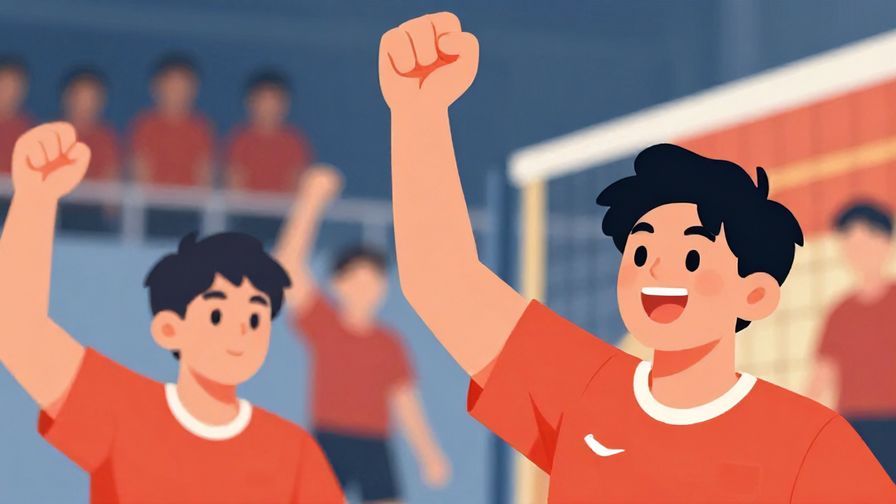
One of the most common supportive phrases in Japanese.
頑張って (Ganbatte) means “do your best” or “keep going,” and ね (ne) adds a friendly tone.
This phrase is perfect for encouraging someone before a test or a tough task.
It’s versatile and universally understood.
Watch out for tone; it should feel encouraging, not pressuring.
Use it often—it’s a simple way to share positive energy.
4. 大丈夫だよ (Daijoubu da yo) – “It’s okay!” / “You’ll be fine!”
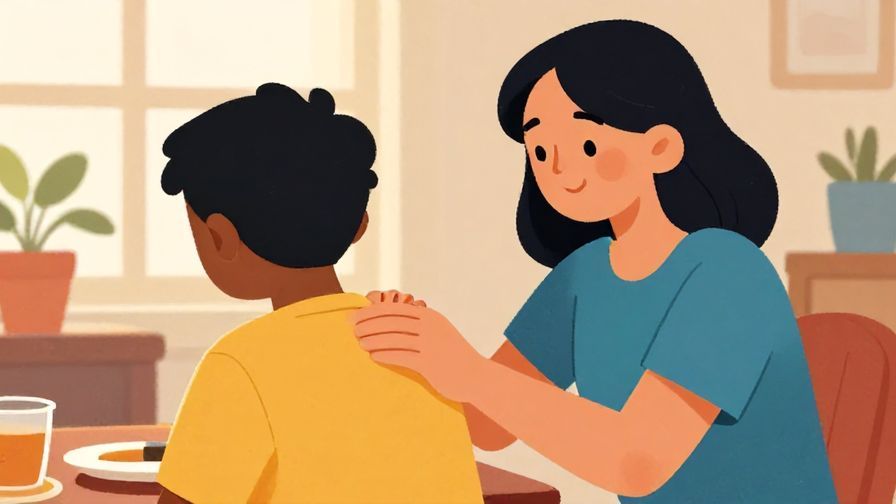
大丈夫 (Daijoubu) means “okay” or “all right.”
The だよ (da yo) adds emphasis and warmth.
Say this to calm someone worried or feeling down.
It’s a reassuring phrase to remind them things will work out.
Don’t overuse it, or it can sometimes sound dismissive.
Great for close friends or family in emotional moments.
5. 気にしないで (Ki ni shinaide) – “Don’t worry about it.”
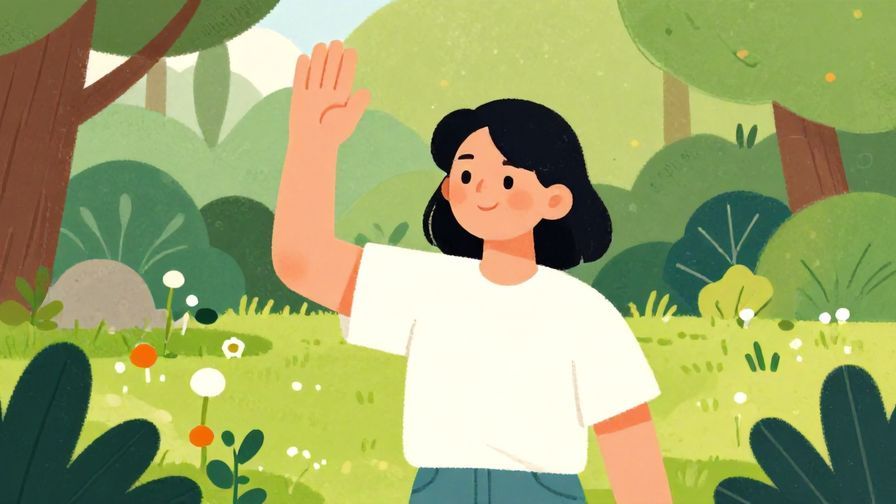
気にしないで (Ki ni shinaide) literally means “don’t mind” or “don’t worry.”
It’s a casual way to tell someone not to stress or dwell on something.
Use it to lighten the mood when someone apologizes or seems anxious.
It’s a friendly phrase that can make people feel relieved.
Remember, tone matters to keep it kind.
Try it in low-stakes conversations to help others relax.
6. いい感じだよ (Ii kanji da yo) – “It’s going well!”

いい感じ (Ii kanji) means “good feeling” or “good vibe.”
Adding だよ (da yo) makes it friendly and conversational.
Use this to encourage someone by telling them things are looking positive.
It’s upbeat and casual, perfect for friends.
Don’t confuse it with serious advice—it’s more of a mood booster.
Say it when you want to affirm progress or improvement.
7. 笑っていこう! (Waratte ikou!) – “Let’s keep smiling!”

笑って (Waratte) means “smile” or “laugh,” and いこう (ikou) means “let’s go.”
Together, it’s an uplifting call to keep smiling or stay cheerful.
Great for lightening the mood or ending conversations positively.
It’s casual, so best used with people you know well.
It also implies moving forward together with positivity.
Try this phrase when you want to inspire joy and camaraderie.
8. その調子! (Sono choushi!) – “Keep it up!”

その (Sono) means “that,” and 調子 (choushi) means “condition” or “state.”
Put together, it means “keep up that condition” or “keep it up.”
Say this to motivate someone doing well or to encourage persistence.
It’s an energetic phrase, full of positive reinforcement.
Perfect for casual encouragement among friends or teammates.
Use it when you want to recognize effort and boost morale.
Part 2: Polite & Formal Suggestions
9. 前向きに行きましょう (Maemuki ni ikimashou) – “Let’s be positive and move forward.”

前向き (Maemuki) means “forward-looking” or “positive,” and 行きましょう (ikimashou) means “let’s go.”
This phrase is polite and perfect for formal or workplace settings.
It encourages a collective positive mindset and proactive attitude.
Use this to gently push a group or colleague toward optimism.
It’s a great phrase to foster teamwork and morale.
Try it in meetings or group discussions when facing challenges.
10. 希望を持ち続けてください (Kibou o mochitsuzukete kudasai) – “Please keep hope alive.”
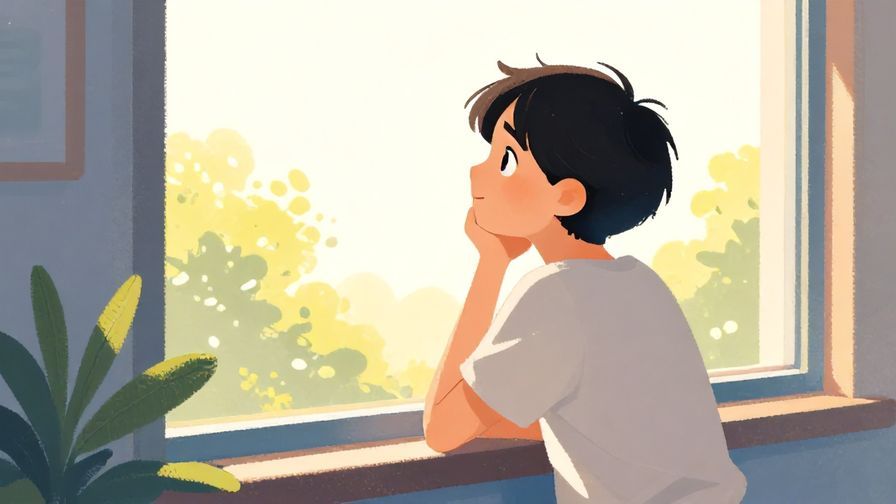
希望 (Kibou) means “hope,” 持ち続けて (mochitsuzukete) means “to keep holding,” and ください (kudasai) is a polite “please.”
This phrase is formal and beautifully encouraging.
It’s ideal when you want to kindly urge someone to maintain hope.
Perfect for letters, emails, or serious conversations.
Use it when empathy and respect are important.
It shows care and thoughtful encouragement.
11. 落ち着いてください (Ochitsuite kudasai) – “Please stay calm.”

落ち着いて (Ochitsuite) means “calm down,” and ください (kudasai) is a polite “please.”
This phrase is perfect for formal situations requiring reassurance.
It helps someone regain composure in stressful moments.
Use it carefully, as tone affects how it’s received.
Polite and respectful, it fits workplace or formal social contexts.
Practice it for moments when calming others is needed.
12. 希望を忘れずに (Kibou o wasurezu ni) – “Don’t forget hope.”

忘れずに (wasurezu ni) means “without forgetting.”
This phrase is polite and encourages maintaining hope.
It’s a gentle reminder with emotional depth.
Great for formal letters or speeches.
Use it to inspire perseverance politely.
It’s a subtle but powerful way to uplift others.
13. ポジティブ思考で頑張ってください (Pojitibu shikou de ganbatte kudasai) – “Please do your best with a positive mindset.”

ポジティブ思考 (Pojitibu shikou) means “positive thinking,” and 頑張ってください (ganbatte kudasai) is “please do your best.”
This phrase is polite and motivational.
It encourages effort combined with optimism.
Ideal for formal encouragement in work or study.
Use it when you want to blend kindness and professionalism.
Practice it to sound supportive yet respectful.
14. 希望を持って前に進みましょう (Kibou o motte mae ni susumimashou) – “Let’s move forward with hope.”

持って (motte) means “with” or “holding,” and 前に進みましょう (mae ni susumimashou) means “let’s move forward.”
This formal phrase encourages hope and progress together.
Perfect for teams or groups facing challenges.
It’s respectful and inclusive.
Use it in speeches or group encouragement.
It fosters a shared positive outlook.
15. どうか前向きに考えてください (Douka maemuki ni kangaete kudasai) – “Please try to think positively.”
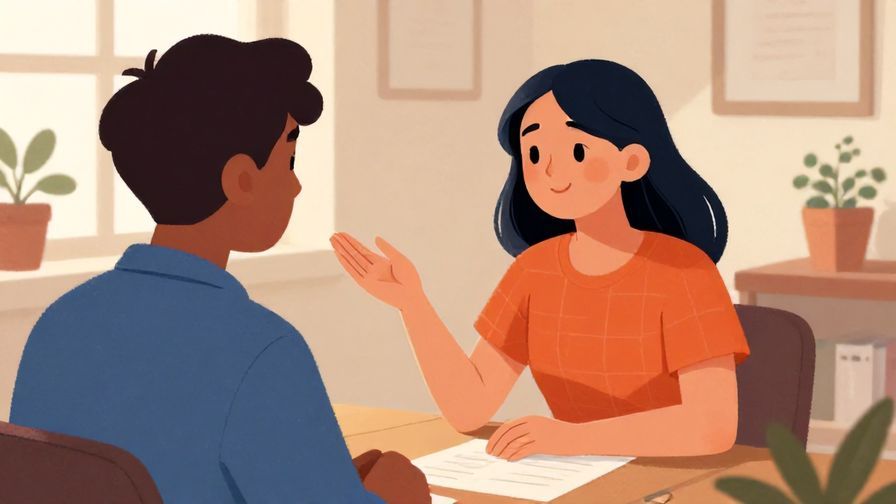
どうか (douka) means “please,” 前向きに考えて (maemuki ni kangaete) means “think positively,” and ください (kudasai) adds politeness.
This is a polite, heartfelt suggestion.
Use it when offering gentle advice.
It’s softer than a direct command.
Great for conversations where tact matters.
Practice to sound caring and respectful.
16. 落ち込まないでください (Ochikomanai de kudasai) – “Please don’t get depressed.”
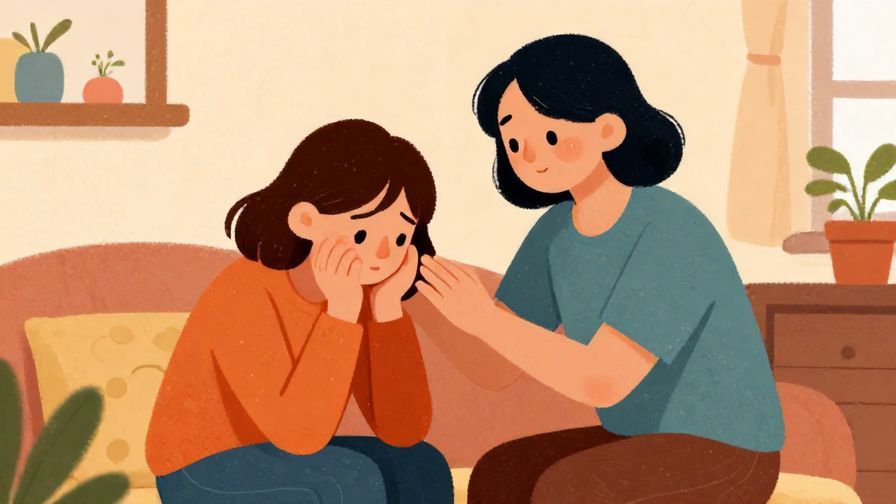
落ち込まないで (ochikomanai de) means “don’t get depressed,” and ください (kudasai) makes it polite.
This phrase is a kind request to stay positive emotionally.
Use it carefully, as it can be sensitive.
Best in close relationships or counseling contexts.
Shows empathy and concern.
Practice to balance kindness and formality.
Part 3: Very Casual / Native-like Expressions
17. ま、なんとかなるよ (Ma, nantoka naru yo) – “Well, it’ll work out somehow.”

This phrase is casual and very native-like.
なんとかなる (nantoka naru) means “it’ll somehow work out,” and ま (ma) is a soft filler like “well.”
It’s used to ease worries and promote a carefree attitude.
Perfect for close friends or informal chats.
Don’t use it in serious or formal situations.
It’s a comforting, laid-back way to say stay positive.
18. 気楽に行こうぜ (Kiraku ni ikou ze) – “Let’s take it easy!”

気楽に (Kiraku ni) means “carefree” or “easygoing,” 行こう (ikou) means “let’s go,” and ぜ (ze) adds a masculine, casual emphasis.
Use this to suggest taking things lightly.
It’s very informal and often used among close male friends.
It encourages a relaxed, positive vibe.
Be mindful of tone and audience.
Great for easing tension in casual talk.
19. 大丈夫っしょ (Daijoubu ssho) – “It’ll be fine, right?”

This slangy, casual form of 大丈夫 (daijoubu) adds っしょ (ssho), a contraction of でしょう (deshou), meaning “probably” or “right?”
It’s an upbeat, confident way to say “it’ll be okay.”
Common among younger people in informal settings.
Not suitable for formal use.
Use it to sound cool and reassuring with friends.
It’s a fun way to keep spirits up.
20. いいじゃん、気にすんなよ (Ii jan, ki ni sunna yo) – “It’s fine, don’t sweat it.”

いいじゃん (ii jan) means “it’s good/fine,” and 気にすんなよ (ki ni sunna yo) is a casual way to say “don’t worry about it.”
This phrase is super casual and friendly.
Perfect for reassuring friends in everyday situations.
It’s informal—avoid in professional settings.
Use it to lighten the mood quickly.
Practice to sound natural and caring.
21. へこまないでね (Hekomanai de ne) – “Don’t get down!”

へこむ (hekomu) means “to feel down,” and ないでね (nai de ne) is a friendly negative request.
This phrase is casual and affectionate.
Use it with close friends or family.
It’s a warm way to encourage resilience.
Say it when someone needs a little emotional boost.
It keeps the vibe light and hopeful.
22. 笑顔忘れないで (Egao wasurenaide) – “Don’t forget to smile.”

笑顔 (Egao) means “smile,” and 忘れないで (wasurenaide) means “don’t forget.”
This phrase is casual but heartfelt.
It reminds someone to keep a positive expression.
Great for friends, family, or anyone needing encouragement.
It’s simple and memorable.
Use it daily to spread warmth and positivity.
Concluding Thought
Exploring these 22 Japanese ways to say “Stay positive” opens up new ways to connect and uplift.
Each phrase carries its own warmth and intention, letting you choose the perfect expression for any moment.
Remember, positivity is contagious—so why not brighten someone’s day with a thoughtful phrase today?