22 Japanese ways to say “Hakuna matata”
Hakuna matata — the carefree phrase made famous by The Lion King — is all about living without worries. But how do you capture that same chill, relaxed vibe in Japanese?
In this article, we’ll explore 22 warm and informal Japanese ways to say “Hakuna matata.” Each phrase is easy to understand, pronounce, and use in real life.
Whether you’re learning Japanese or just love discovering new ways to express positivity and calm, you’ll find gems here that fit different moods and situations.
From casual slang to polite expressions and native-like phrases, we’ve got it all covered. Plus, every phrase comes with a pronunciation guide so you can say it like a local.
Ready to add some Japanese chill to your vocabulary? Let’s dive in!
And if you want to get a bit more familiar with Japanese phrases, consider checking out a beginner Japanese phrasebook for handy practice anytime.
Finding Your Zen: The Basics of Japanese Chill
Before we jump into the specific phrases, it helps to understand the Japanese mindset behind “Hakuna matata.” The Japanese language offers various expressions that embrace peace of mind, a carefree attitude, and “don’t sweat it” vibes.
These expressions often focus on acceptance, letting go, or simply taking things easy. The tone can range from casual to polite, depending on context.
Let’s explore these different flavors with phrases you can use comfortably in everyday life.
Sometimes, using a great beginner phrasebook can give you a perfect starting point for a cohesive understanding.
With a little practice, these phrases will become natural ways to express a worry-free mindset.
And remember, the key is not just the words but the feeling behind them.
Part 1: Casual Suggestions
1. なんとかなるさ (Nantoka naru sa) – “It’ll work out somehow.”

This is a super common phrase that means “things will work out.”
It’s casual and perfect for when you want to reassure yourself or a friend without sounding too formal. “Nantoka” means “somehow,” and “naru” means “become” or “turn out.”
Adding “sa” at the end gives it a friendly, light tone.
It’s like saying, “Don’t worry, it’ll be okay.”
People often use it when facing uncertainty but staying positive.
Try saying it when you want to shrug off small worries and keep a smile.
2. 気楽に行こう (Kiraku ni ikou) – “Let’s take it easy.”

This phrase literally means “Let’s go comfortably” or “Let’s take it easy.”
“Kiraku” means “comfortable” or “easygoing,” and “ikou” is the volitional form of “iku,” meaning “to go.”
It’s a friendly invitation to relax and not stress.
Perfect for casual conversations with friends.
A common mistake is to overcomplicate it; just remember it’s about a relaxed attitude.
Use it when encouraging someone to chill out or enjoy the moment.
3. 大丈夫だよ (Daijoubu da yo) – “It’s all good.”

“Daijoubu” means “okay” or “all right.”
Adding “da yo” makes it casual and reassuring.
This phrase is a quick and easy way to say “Don’t worry” or “No problem.”
It’s super common in everyday Japanese.
People often say it to comfort others or themselves.
Try it next time you want to spread positive vibes simply.
4. 気にしないで (Ki ni shinaide) – “Don’t worry about it.”

This phrase means “Don’t worry” or “Never mind.”
“Ki” means “mind” or “concern,” and “shinaide” is the negative imperative form of “suru” (to do), so it literally tells someone not to do the worrying.
It’s casual and perfect for lightening the mood.
Be careful not to sound dismissive; tone matters!
Use it to gently tell someone to relax about a small issue.
A great phrase to keep conversations easygoing.
5. まあいいか (Maa ii ka) – “Oh well, it’s fine.”

This is a laid-back phrase expressing acceptance or letting go.
“Maa” is like “well” or “okay,” and “ii ka” means “is it good?” but used rhetorically here.
It’s a way to say “It’s fine, no big deal.”
Perfect for shrugging off minor annoyances or mistakes.
People often say it to themselves to keep calm.
Try it when you need a quick mental reset.
6. のんびりしよう (Nonbiri shiyou) – “Let’s relax.”
“Nonbiri” means “leisurely” or “relaxed,” and “shiyou” is the volitional form of “suru” (to do), so together it means “Let’s relax.”
This phrase invites a slow, carefree vibe.
Great for suggesting a chill hangout or break.
Make sure to use it with friends or family for a warm feel.
It’s easy to remember because “nonbiri” sounds soft and calm.
Use it anytime you want to slow down and enjoy the moment.
7. まあ、気にすんなよ (Maa, ki ni sunna yo) – “Well, don’t worry about it.”

This is a more casual, slangy way to say “Don’t worry.”
“Ki ni suru” means “to worry,” and “sunna” is a casual negative imperative, making it “don’t worry.”
“Maa” adds a soft “well” or “come on” flavor.
Use it with close friends to sound relaxed and friendly.
Be cautious: it’s informal, so avoid in formal settings.
It’s great for lightening the mood quickly.
8. しょうがないね (Shouganai ne) – “It can’t be helped.”

“Shouganai” is a classic Japanese phrase meaning “it can’t be helped” or “there’s no use worrying.”
Adding “ne” softens it into a warm expression.
It’s perfect for accepting things that are out of your control.
Use it to stay calm when plans go awry.
It also conveys a shared understanding with others.
A very natural way to express peaceful acceptance.
Part 2: Polite & Formal Suggestions
9. 心配しないでください (Shinpai shinaide kudasai) – “Please don’t worry.”

This is a polite and respectful way to tell someone “Don’t worry.”
“Shinpai” means “worry,” “shinaide” is the negative form of “to do,” and “kudasai” adds politeness.
Great for formal situations or when speaking to strangers.
It’s effective in calming nerves or easing tension politely.
Don’t shorten it in formal contexts to keep respect intact.
Use it in emails, customer service, or polite conversation.
10. ご安心ください (Go anshin kudasai) – “Please rest assured.”

“Anshin” means “peace of mind,” and “go” is an honorific prefix, making it respectful.
“Kudasai” adds polite request form.
It’s like saying “Please be at ease” in a business or formal setting.
Perfect for customer service or official communication.
Use this when you want to sound confident and reassuring.
It’s a go-to phrase for expressing calm professionalism.
11. 落ち着いてください (Ochitsuite kudasai) – “Please calm down.”

“Ochitsuite” means “calm down” or “settle down.”
Adding “kudasai” makes it a polite request.
Use this phrase kindly when someone is upset or anxious.
It’s formal enough for most situations but still warm.
Avoid using it abruptly, as tone is important.
Great for helping others regain composure thoughtfully.
12. 落ち着いていきましょう (Ochitsuite ikimashou) – “Let’s stay calm.”
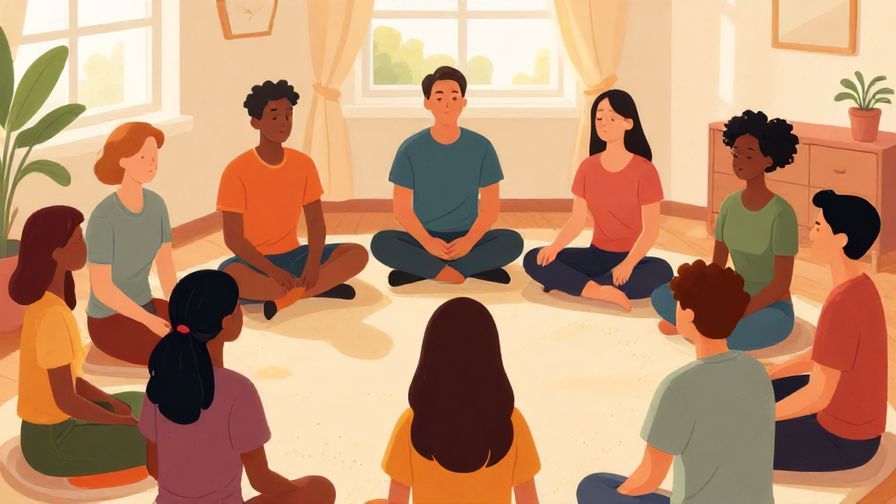
This phrase invites a group or individual to remain calm and composed.
“Ikimashou” is the polite volitional form of “to go,” implying “let’s do.”
It’s encouraging and inclusive.
Great for teamwork or stressful situations.
Use it when you want to foster collective calmness.
A reassuring phrase for maintaining harmony.
13. 心配ありません (Shinpai arimasen) – “There is no need to worry.”
This is a polite, somewhat formal way to say “No worries.”
“Shinpai” means “worry,” and “arimasen” is the negative polite form of “to exist.”
It reassures that there is nothing to be concerned about.
Use it in professional or polite conversation.
It’s perfect for calming clients or acquaintances.
Helps maintain a respectful tone while easing tension.
14. ゆっくりしてください (Yukkuri shite kudasai) – “Please take your time.”
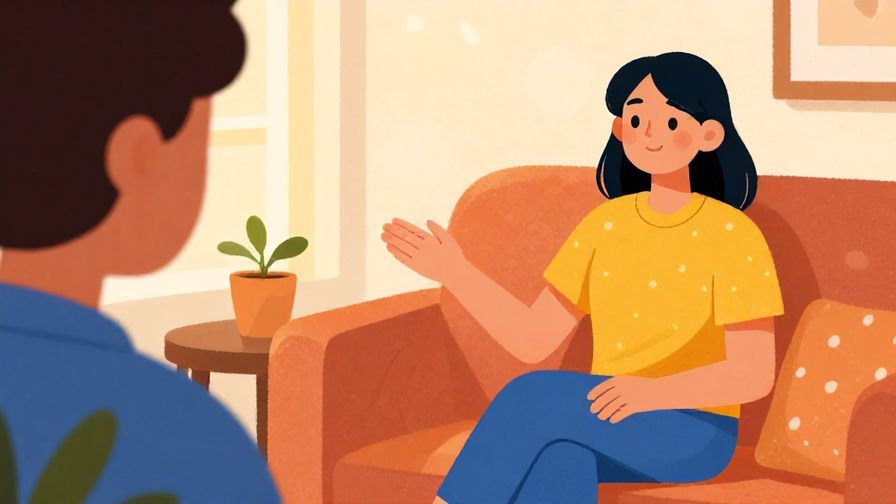
“Yukkuri” means “slowly” or “leisurely.”
“Shite kudasai” is a polite request meaning “please do.”
This phrase invites someone to relax and not rush.
It’s warm and polite, good for guests or colleagues.
Don’t use it in overly formal contexts, as it’s friendly but casual polite.
Use to show care and encourage ease.
15. 大丈夫ですよ (Daijoubu desu yo) – “It really is okay.”

This is the polite form of “It’s all good.”
“Daijoubu desu” is polite, and “yo” adds emphasis and friendliness.
It reassures gently and warmly.
Great for polite conversations with friends or acquaintances.
Use it to boost confidence and calm worries.
Easy to pronounce and remember for learners.
16. お気を楽に (Oki o raku ni) – “Take it easy (polite).”

“O-” is an honorific prefix, “ki” means “mind,” and “raku ni” means “comfortably” or “easily.”
Literally, “Make your mind comfortable.”
It’s a polite way to suggest relaxation.
Perfect for polite advice or encouragement.
Don’t confuse with overly casual phrases; this is respectful.
Use it to sound thoughtful and considerate.
Part 3: Very Casual / Native-like Expressions
17. ま、いいじゃん (Ma, ii jan) – “Well, it’s fine, right?”

A very casual and slangy phrase meaning “It’s fine, isn’t it?”
“Ma” is a casual “well,” and “ii jan” is a contracted form of “ii ja nai” meaning “isn’t it good.”
Perfect for informal chats with friends.
It’s playful and shows a carefree attitude.
Best avoided in formal or serious situations.
A great phrase to sound like a native in relaxed moments.
18. 気にすんな (Ki ni sunna) – “Don’t sweat it.”

This is a very casual, slangy version of “Don’t worry.”
“Ki ni suru” means “to worry,” and “sunna” is casual negative imperative.
It’s straightforward and friendly.
Use with close friends or younger people.
Not suitable for formal or older audiences.
Try it to sound relaxed and natural.
19. いい感じだね (Ii kanji da ne) – “It feels good.”
“Ii kanji” means “good feeling,” “da ne” adds casual affirmation.
It expresses that everything is going well or feels just right.
Great for positive vibes and casual conversation.
Use to share a lighthearted, carefree mood.
Can be used about situations, moods, or even food.
A warm phrase to keep things upbeat.
20. 気楽にね (Kiraku ni ne) – “Take it easy, okay?”

A friendly, casual way to say “Take it easy.”
“Kiraku” means “easygoing,” and “ne” softens it with a friendly tone.
Perfect for casual encouragement.
Use it often with friends or family.
It’s simple and sounds natural.
Great for everyday chill moments.
21. ゆるくいこう (Yuruku ikou) – “Let’s take it slow.”

“Yuruku” means “loosely” or “slowly,” and “ikou” means “let’s go.”
It invites a relaxed pace and attitude.
Very casual and native-sounding.
Use it to encourage less stress and more ease.
Great for lifestyle or mindset talks.
Simple phrase to remember and use daily.
22. 自然体でね (Shizentai de ne) – “Be natural, okay?”

“Shizentai” means “natural posture” or “natural state.”
“De ne” adds a casual, friendly tone.
This phrase encourages being yourself without forcing anything.
Perfect for reminding someone to relax and be authentic.
It’s a thoughtful and warm expression.
A lovely way to end your “Hakuna matata” journey.
Concluding Thought
Exploring these 22 Japanese ways to say “Hakuna matata” shows just how rich and expressive the language is when it comes to conveying peace of mind and a carefree spirit.
Whether you prefer casual slang, polite phrases, or native-like expressions, there’s a phrase here for every vibe and situation.
Take them into your daily life, and you’ll find that embracing a worry-free attitude feels just a little easier — 日本語で、自然に、心楽に!