22 Japanese ways to say “It might never happen”
Sometimes, life throws ideas at us that feel so uncertain, we just don’t know if they’ll ever come true.
In Japanese, there are many warm and subtle ways to express “It might never happen.” These expressions are not just about doubt, but also about hope, hesitation, and a touch of realism.
Whether you’re learning Japanese or just love language nuances, exploring these phrases can be both fun and insightful.
This list will guide you through 22 natural ways to say “It might never happen” in Japanese, each carrying its own flavor and context.
You’ll also find practical tips on how to use them, so you can sound just a little more like a native speaker.
Ready to dive in? Let’s get started and add some new phrases to your Japanese toolkit!
Understanding Uncertainty in Japanese
Expressing doubt or uncertainty is a big part of everyday conversation in Japanese.
These phrases often combine verbs with modal expressions or particles to soften statements and keep things polite or casual.
Knowing these will help you sound natural and nuanced, especially when discussing future possibilities.
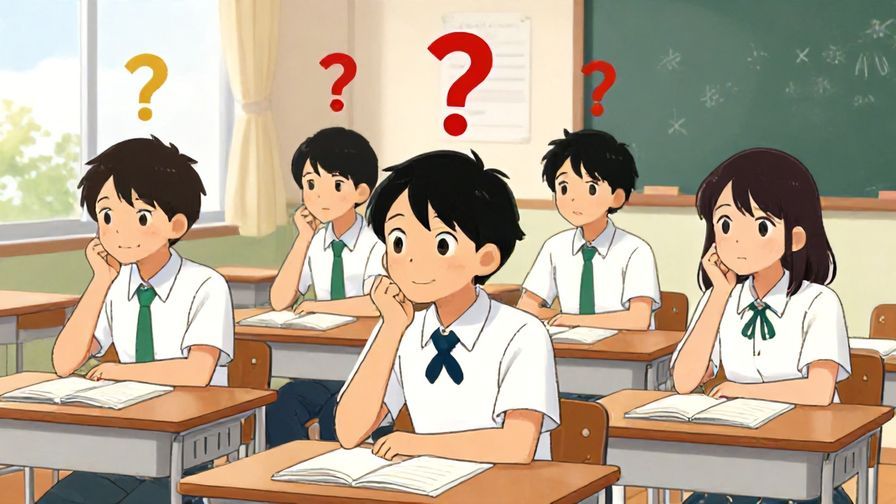
Sometimes using a great beginner phrasebook can give you a perfect starting point for a cohesive understanding.
Let’s explore how simple phrases can help you express “It might never happen” in different tones.
You’ll learn casual, polite, and even some native-like expressions in this article.
Part 1: Casual Suggestions
1. 行けたら行く (Iketara iku) – “I’ll come if I can.”

This phrase literally means “If I can go, I’ll go,” but it’s often used to politely imply uncertainty about attending.
“行けたら” (Iketara) is the conditional form of “to go,” and “行く” (Iku) means “to go.” Together, it softens the commitment.
It’s a common way to keep plans open without outright saying no.
Using this phrase keeps things light and flexible.
A related casual phrase is “多分行く” (Tabun iku) meaning “I’ll probably go,” which also shows uncertainty.
Next time you’re unsure about plans, try this to sound natural and polite.
2. ありえないかも (Arienai kamo) – “It might be impossible.”

“ありえない” (Arienai) means “impossible,” and “かも” (Kamo) adds “might” or “maybe.”
Put together, it expresses a casual, somewhat strong doubt that something won’t happen.
It’s great for informal conversations when you want to express skepticism without sounding harsh.
Remember, “かも” is a useful particle to soften any statement of doubt.
For example, “来ないかも” (Konai kamo) means “They might not come.”
Using this phrase helps you sound honest but gentle.
3. ないかもしれない (Nai kamoshirenai) – “It might not happen.”

This is a very standard way to say “It might not happen.”
“ない” (Nai) is the negative form of a verb, and “かもしれない” (Kamoshirenai) means “might” or “maybe.”
It’s polite enough for most situations and clearly conveys uncertainty.
Perfect for expressing your doubts without offending anyone.
Try combining it with different verbs to expand your vocabulary, like “できないかもしれない” (Dekinai kamoshirenai) – “It might not be possible.”
Practice this phrase for everyday situations where you want to stay on the safe side.
4. たぶん無理 (Tabun muri) – “Probably impossible.”

“たぶん” (Tabun) means “probably,” and “無理” (Muri) means “impossible” or “unreasonable.”
This phrase is casual and slightly stronger than some others but still conversational.
It’s often used to express that something likely won’t happen without sounding harshly negative.
Keep in mind it’s best for informal chats.
For a softer tone, add “かも” (kamo) at the end: “たぶん無理かも.”
This phrase is great when you want to express strong doubt politely.
5. どうかなあ (Dou kanaa) – “I wonder…”
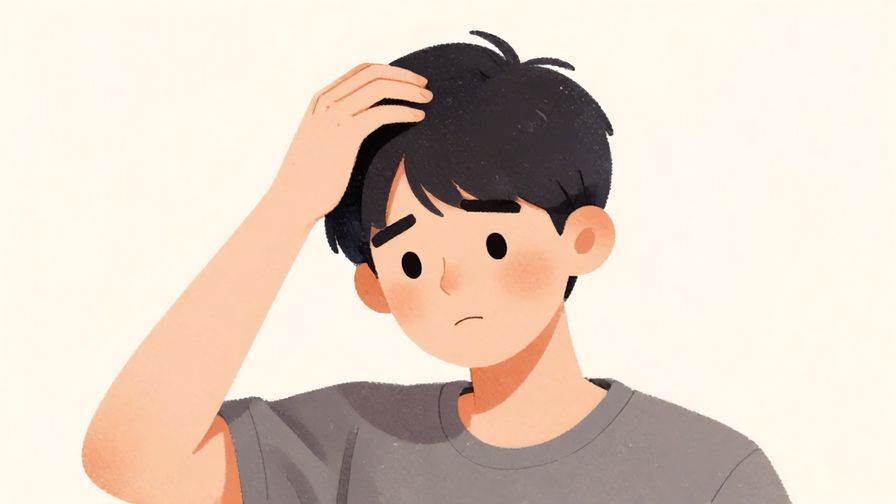
This is a very casual and indirect way to express uncertainty, literally meaning “I wonder…”
It’s often used to imply doubt without stating it outright.
“どう” (Dou) means “how,” and “かなあ” (Kanaa) adds a thoughtful, questioning tone.
It’s perfect when you want to sound gentle or non-committal.
You’ll hear this a lot in everyday casual talk.
Try using it when you want to keep your options open without sounding negative.
6. たぶんないよ (Tabun nai yo) – “Probably won’t happen.”

This is a straightforward, casual way to say something probably won’t happen.
“ない” (Nai) is the negative form, and “たぶん” (Tabun) means “probably.”
Adding “よ” (Yo) gives it a friendly, conversational tone.
It’s useful among friends when you want to express doubt clearly but not too harshly.
Use this phrase when you want to sound confident but casual.
Keep in mind, tone is important here to avoid sounding too blunt.
7. 可能性は低い (Kanoosei wa hikui) – “The possibility is low.”

This phrase is a bit more formal but still common in conversation.
“可能性” (Kanoosei) means “possibility,” and “低い” (Hikui) means “low.”
It’s great when you want to sound factual and clear.
Often used in work or formal situations to express doubt without emotion.
You can soften it by adding “かもしれない” (kamoshirenai) at the end.
This phrase helps you sound professional and polite.
8. 多分実現しない (Tabun jitsugen shinai) – “It probably won’t happen.”

“実現しない” (Jitsugen shinai) means “won’t come true.”
Paired with “多分” (Tabun) meaning “probably,” this phrase clearly expresses doubt about realization.
It’s direct but polite enough for conversations with acquaintances.
Great for discussing plans or dreams that seem unlikely.
For a softer tone, you can say “かもしれません” (kamoshiremasen) instead of “多分.”
Use this when you want to balance honesty with politeness.
Part 2: Polite & Formal Suggestions
9. 可能性が低いかもしれません (Kanoosei ga hikui kamoshiremasen) – “There might be a low possibility.”

This is a polite and formal way to express uncertainty.
“可能性が低い” (Kanoosei ga hikui) means “possibility is low,” and “かもしれません” (kamoshiremasen) adds “might.”
It’s perfect for work or formal discussions.
It sounds respectful and avoids strong negativity.
Use it when you want to express doubt but remain professional.
Also works well in emails or presentations.
10. 実現しない可能性もあります (Jitsugen shinai kanoosei mo arimasu) – “There is also a possibility it won’t happen.”

This phrase politely highlights the chance something won’t come true.
“実現しない” means “won’t come true,” “可能性” is “possibility,” and “あります” is a polite form of “there is.”
Adding “も” (mo) emphasizes “also.”
It’s often used in formal conversations or written Japanese.
Perfect for cautious optimism or balanced views.
Practice this for polite but honest communication.
11. 実際には起こらないかもしれません (Jissai ni wa okoranai kamoshiremasen) – “It might not actually happen.”

This is a careful and polite phrase to express doubt about actual occurrence.
“実際には” means “in reality,” “起こらない” is “won’t happen,” and “かもしれません” softens the statement.
It’s useful in formal or semi-formal discussions.
The phrase balances doubt with respect.
Good for meetings or thoughtful conversations.
Use it to sound considerate and professional.
12. 可能性はほとんどありません (Kanoosei wa hotondo arimasen) – “There is almost no possibility.”

This phrase is polite and quite definitive but still respectful.
“ほとんどありません” means “almost none,” making the doubt clear but not rude.
It’s perfect for formal business or official statements.
Avoid using it casually, as it sounds too strong.
Pair with a calm tone to maintain politeness.
Useful for carefully conveying improbability.
13. 実現の見込みは薄いです (Jitsugen no mikomi wa usui desu) – “The prospect of realization is slim.”

This is a formal and clear way to express that something is unlikely to happen.
“見込み” (Mikomi) means “prospect,” and “薄い” (Usui) means “thin” or “slim.”
It’s often used in business or academic contexts.
The phrase is polite but straightforward.
Try it for professional conversations about uncertain outcomes.
It shows you understand the situation realistically.
14. 実現は難しいかもしれません (Jitsugen wa muzukashii kamoshiremasen) – “It might be difficult to realize.”

This phrase politely expresses the difficulty of something happening.
“難しい” (Muzukashii) means “difficult,” and “かもしれません” softens the phrase to “might.”
Good for cautious or tentative statements.
It’s useful in polite discussions or evaluations.
Use it when you want to sound realistic but not negative.
This phrase balances hope with a realistic view.
15. 今のところ期待できないです (Ima no tokoro kitai dekinai desu) – “At this point, it can’t be expected.”
This phrase politely indicates that, as of now, something probably won’t happen.
“今のところ” means “at this point,” “期待できない” means “can’t expect.”
It’s useful for formal or polite conversations about current status.
It implies things could change, but for now, it’s unlikely.
Great for workplace or planning discussions.
It sounds thoughtful and professional.
16. 実現の可能性はほぼゼロです (Jitsugen no kanoosei wa hobo zero desu) – “The possibility of realization is almost zero.”

This is a strong but polite way to say something likely won’t happen.
“ほぼゼロ” means “almost zero,” which is clear and definitive.
It’s best used in formal or technical contexts.
Use it carefully, as it may sound harsh in casual talk.
It’s excellent for reports or presentations.
This phrase shows confidence in your assessment.
Part 3: Very Casual / Native-like Expressions
17. ないっぽい (Nai ppoi) – “Looks like it won’t happen.”

This is a slangy, casual way to express that something probably won’t happen.
“ない” is negative, and “っぽい” adds a sense of “looks like” or “seems.”
It’s very informal and common among younger people.
Use it only with close friends or in casual settings.
It’s a fun phrase that captures a laid-back doubt.
Great for sounding like a native in everyday chats.
18. たぶん無理っぽいね (Tabun muri ppoi ne) – “It probably won’t happen, huh.”

This adds “っぽい” and “ね” for a friendly, casual tone.
It softens “probably impossible” into a laid-back observation.
Great for relaxed conversations where you want to express doubt but keep things light.
“ね” invites agreement or empathy from the listener.
Use it to bond over shared skepticism.
This phrase is very natural and popular among natives.
19. 夢のまた夢 (Yume no mata yume) – “A dream upon a dream.”

This poetic expression means something is so unlikely, it’s just a dream stacked on another dream.
It’s used to say “It might never happen” in a whimsical, native-like way.
Great for casual, poetic conversations.
It adds a bit of humor and charm to your doubt.
Perfect when talking about big hopes or impossible wishes.
Using this phrase can make your Japanese sound poetic and native.
20. あり得なさそう (Arienasa sou) – “Seems impossible.”

This is a casual, native-like way to say something looks impossible.
“あり得ない” means impossible, and “そう” adds “seems.”
It’s often heard in everyday conversations among friends.
Use it to express skepticism but keep it informal.
It’s a quick, natural phrase to add to your vocabulary.
Try it next time you want to sound casual but clear.
21. 夢にも思わない (Yume ni mo omowanai) – “I don’t even dream of it.”
This phrase expresses that something is so unlikely, you don’t even consider it.
“夢にも” means “even in dreams,” and “思わない” means “don’t think.”
It’s casual but can be poetic too.
Used when something is totally unexpected or impossible.
It’s a great native-like expression to spice up your Japanese.
Use it to emphasize strong disbelief or doubt.
22. どうせ無理だよ (Douse muri da yo) – “It’s impossible anyway.”

This is a very casual and somewhat resigned way to say “It won’t happen, anyway.”
“どうせ” means “anyway” or “in any case,” and “無理だよ” means “it’s impossible.”
It’s often used among friends to express frustration or acceptance.
Be careful using it, as it can sound a bit negative or blunt.
Great for conveying a realistic but casual attitude.
Use it when you want to sound native and informal.
Concluding Thought
Exploring these 22 Japanese ways to say “It might never happen” shows just how rich and nuanced the language is when it comes to expressing uncertainty.
From casual to formal, poetic to downright blunt, each phrase carries a different feeling and social context.
By practicing and understanding these expressions, you’ll be able to communicate your thoughts more naturally and connect better with native speakers. Keep learning and enjoy the journey!