22 Japanese ways to say “Lighten up”
Feeling stressed or tense? Sometimes, what you really need is a little reminder to “lighten up.”
In Japanese, there are so many fun and expressive ways to say just that, depending on the situation and your mood.
Whether it’s a casual chat with friends or a polite nudge at work, knowing these phrases can spice up your conversations.
Let’s explore 22 different Japanese expressions that all gently say, “Hey, relax a bit!”
Learning these will not only boost your language skills but also help you connect more naturally with Japanese speakers.
Ready to brighten your day and your Japanese? Let’s dive in!
Casual Comforts to Lighten Your Mood
When you’re with close friends or family, a lighthearted phrase can ease tension effortlessly.
These casual expressions are perfect for informal settings where you want to encourage someone to chill out without sounding serious.
They’re simple, relatable, and easy to slip into everyday Japanese conversation.
Sometimes, using a great beginner phrasebook can give you a perfect starting point for a cohesive understanding.
These phrases can work as your go-to toolkit for easing tension and bringing a smile.
Try them out next time you want to keep things light and fun!
Part 1: Casual Suggestions
1. 気楽にして (Kiraku ni shite) – “Take it easy.”

This phrase literally means “make yourself comfortable” or “be at ease.”
“Kiraku” (気楽, kee-rah-koo) means carefree or relaxed, and “shite” is the command form of “do.” Together, it encourages someone to relax and not worry.
It’s casual and friendly, perfect for telling a friend to lighten up.
Try saying it with a smile to make the mood even lighter!
It’s similar to saying “chill out” in English but sounds warm and inviting.
Use it when you want to show you care but also want to ease their stress.
2. 大丈夫だよ (Daijoubu da yo) – “It’s okay.”

This comforting phrase means “It’s okay” or “No worries.”
“Daijoubu” (大丈夫, die-joh-boo) means safe, alright, or okay, and “da yo” adds an informal, friendly tone.
Use it to tell someone not to stress too much—it’s a gentle way to say “lighten up.”
Don’t overuse it in very formal settings, but it’s great among friends.
For example, if someone is nervous, you can say “Daijoubu da yo” to calm them down.
It’s simple and effective—perfect for everyday conversations.
3. まあまあ (Maa maa) – “So-so” or “Take it easy.”

“Maa maa” (まあまあ, mah-ah mah-ah) is a casual phrase meaning “so-so” or “not too bad.”
When used as an encouragement, it suggests “don’t stress too much” or “lighten up.”
It’s often said with a relaxed tone to gently tell someone to calm down or not take things too seriously.
This phrase is very common and easy to remember, making it perfect for beginners.
Be mindful not to sound dismissive; tone matters here.
It’s a great go-to phrase when you want to keep the atmosphere light.
4. 気にしないで (Ki ni shinaide) – “Don’t worry about it.”
“Ki ni shinaide” (気にしないで, kee nee shee-nah-ee-deh) breaks down as “Ki ni” meaning “about the mood” or “care,” and “shinaide” meaning “don’t do.”
Put together, it means “don’t worry” or “don’t fret.”
This phrase encourages someone to lighten up and not dwell on something.
It’s casual but kind, great for everyday conversations.
A quick tip: say it empathetically to keep it warm and genuine.
It’s a simple way to nudge a friend or colleague to relax their mind.
5. リラックスして (Rirakkusu shite) – “Relax.”
A direct way to say “relax” in Japanese is “Rirakkusu shite” (リラックスして, ree-rak-koo-su shee-teh).
“Rirakkusu” is borrowed from English “relax,” and “shite” is the command form “do.”
It’s casual and modern, commonly used among younger people.
Great for telling friends to chill out without sounding harsh.
Be careful with tone to avoid sounding bossy—it should feel friendly.
Perfect for casual settings where you want to lighten the mood fast.
6. もっと気楽にね (Motto kiraku ni ne) – “Take it easier.”
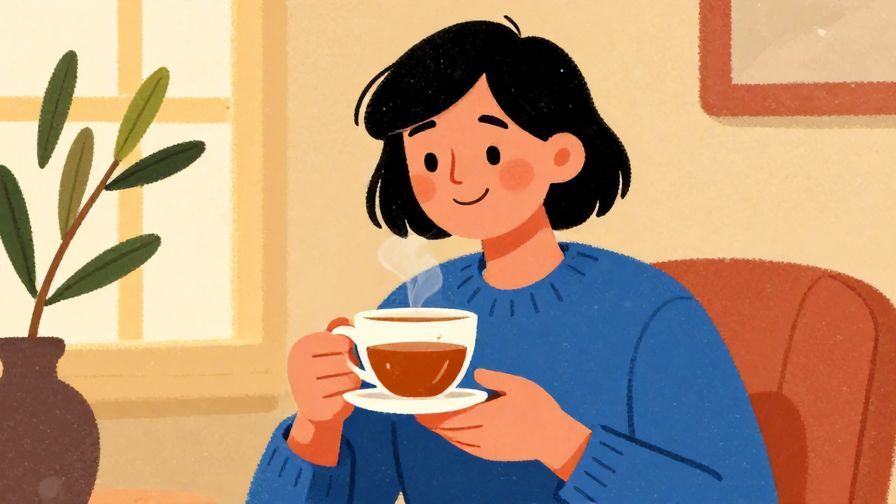
“Motto” means “more,” so this phrase means “Be more relaxed” or “Take it easier.”
It’s a gentle nudge to lighten up, combining “kiraku” (carefree) with “ni” (adverbial particle) and “ne” (soft sentence ending).
It sounds caring and conversational, perfect for friends or family.
It’s a bit more encouraging than commanding.
Try using it when someone is taking things too seriously.
This phrase helps ease tension and promote a relaxed vibe.
7. そんなに真面目にならないで (Sonnani majime ni naranai de) – “Don’t be so serious.”
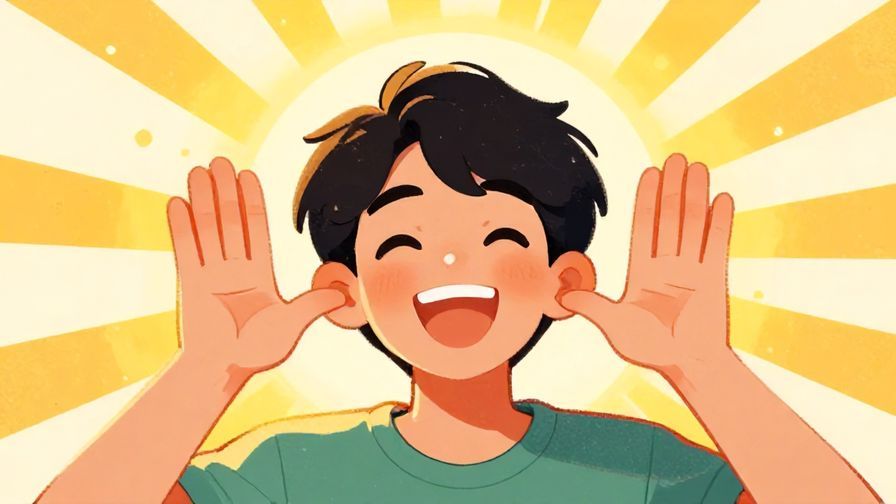
This phrase literally means “Don’t become so serious.”
“Sonnani” means “that much,” “majime” means “serious,” and “naranai de” is “don’t become.”
It’s a common way to tell someone to lighten up when they’re overly focused or intense.
Use it carefully—said with a smile, it’s playful; said sternly, it can sound critical.
Great for friends or colleagues who tend to stress.
It’s a natural way to remind someone to enjoy the moment more.
8. 気を楽にして (Ki o raku ni shite) – “Ease your mind.”

“Ki” means “mind” or “spirit,” “raku” means “comfort,” and “shite” means “do.”
Put together, it means “make your mind comfortable” or “ease your mind.”
This phrase is gentle and soothing, perfect for calming someone down.
It’s a little softer than “Kiraku ni shite” and sounds thoughtful.
Use it when someone feels tense and you want to help them relax internally.
It’s a great phrase to add to your casual Japanese toolkit.
Part 2: Polite & Formal Suggestions
9. 気を楽にしてください (Ki o raku ni shite kudasai) – “Please relax.”

This is the polite form of “Ki o raku ni shite,” adding “kudasai” for “please.”
It’s appropriate for work or formal situations where you want to be respectful yet encouraging.
This phrase softly requests someone to ease their mind.
Use it with a gentle tone to avoid sounding too commanding.
It’s great for supervisors or colleagues wanting to lighten the mood professionally.
Remember, politeness always helps make the message more comforting.
10. ご心配なさらないでください (Goshinpai nasaranaide kudasai) – “Please don’t worry.”

This very polite phrase means “Please don’t worry.”
“Goshinpai” is the honorific form of “worry,” “nasaranaide” is the negative polite command, and “kudasai” means “please.”
It’s perfect for formal situations to lighten someone’s stress respectfully.
Use it in emails or conversations when you want to comfort without being casual.
It’s a longer phrase but very useful in a professional environment.
Perfect for calming clients or superiors politely.
11. あまり気にしないでください (Amari ki ni shinaide kudasai) – “Please don’t worry too much.”
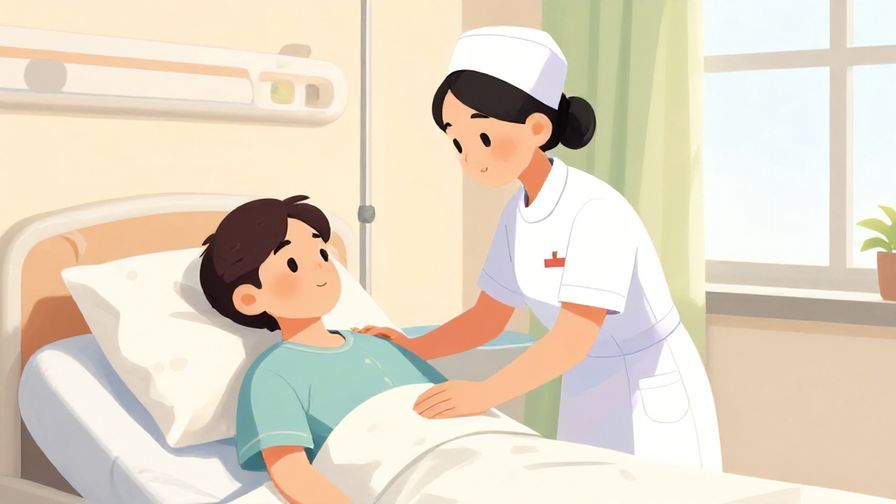
This polite phrase means “Please don’t worry too much.”
“Amari” means “too much,” “ki ni shinaide” means “don’t worry,” and “kudasai” is “please.”
It’s a thoughtful way to encourage someone to lighten their stress in formal or semi-formal settings.
Use it carefully to sound supportive, not dismissive.
Great for caregivers, teachers, or anyone offering reassurance politely.
It shows empathy and kindness in a respectful way.
12. どうぞごゆっくり (Douzo go yukkuri) – “Please take your time / relax.”
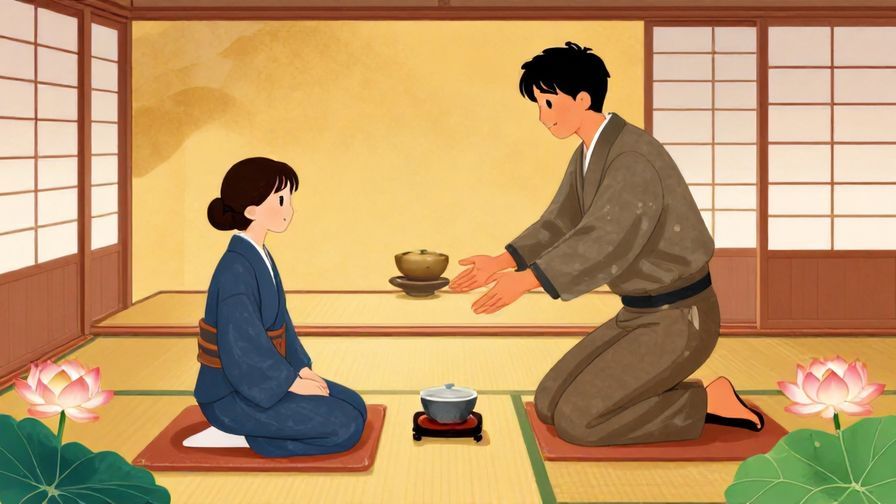
This phrase means “Please take your time” but can also imply “relax.”
“Douzo” means “please,” “go yukkuri” means “slowly” or “leisurely” with honorific “go.”
It’s polite and often used in hospitality or customer service.
Use it to invite someone to relax and not rush.
It’s a subtle way to tell someone to lighten up in formal situations.
Perfect phrase when hosting or guiding guests.
13. 落ち着いてください (Ochitsuite kudasai) – “Please calm down.”
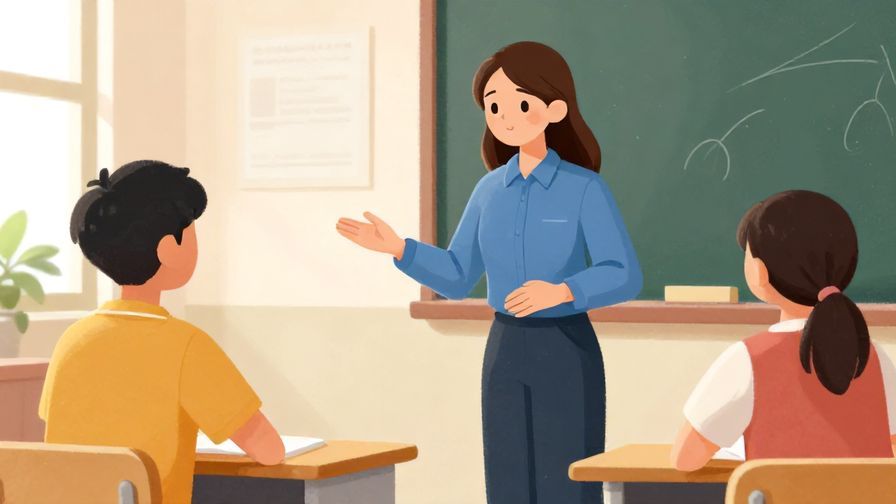
“Ochitsuite” comes from the verb “ochitsuku” meaning “to calm down,” and “kudasai” is “please.”
This phrase politely asks someone to calm themselves and lighten their mood.
It’s commonly used in both formal and semi-formal contexts.
Use it when someone is visibly upset or tense.
It sounds caring and firm without being rude.
A helpful phrase to maintain harmony in stressful moments.
14. ご安心ください (Go anshin kudasai) – “Please rest assured.”

This phrase means “Please rest assured” or “don’t worry.”
“Anshin” means peace of mind, and the honorific “go” with “kudasai” makes it polite.
It’s used often in customer service or formal communication.
Use it to professionally lighten someone’s worries.
It’s a respectful way to say “lighten up” without sounding casual.
Perfect for emails, presentations, or formal talks.
15. ゆっくりしてください (Yukkuri shite kudasai) – “Please relax / take it slow.”

“Yukkuri” means “slowly” or “leisurely,” and “shite kudasai” means “please do.”
It politely encourages someone to relax or take their time.
Commonly used in both casual and polite contexts.
Great for telling guests or friends to loosen up and enjoy the moment.
It’s warm, inviting, and easy to remember.
Use it whenever you want to gently lighten the mood.
16. 心配しないでください (Shinpai shinaide kudasai) – “Please don’t worry.”

“Shinpai” means “worry,” “shinaide” means “don’t do,” and “kudasai” makes it polite.
This phrase is a polite and clear way to tell someone not to stress.
It’s useful in formal letters or conversations.
Say it with a calm tone to sound genuine and caring.
It’s a classic phrase for lightening someone’s anxious mood.
Perfect for professional and personal use alike.
Part 3: Very Casual / Native-like Expressions
17. もっと気楽にしようよ (Motto kiraku ni shiyou yo) – “Let’s take it easier.”

This phrase means “Let’s be more carefree.”
“Motto” is “more,” “kiraku ni” means “carefree,” “shiyou” is the volitional form for “let’s do,” and “yo” adds a friendly emphasis.
It’s a very natural, native-like way to suggest lightening up together.
It’s perfect when you want to lift spirits among friends.
Use it casually to invite others to relax.
Sounds warm and inclusive, great for informal chats.
18. いい加減にしてよ (Ii kagen ni shite yo) – “Cut it out / lighten up.”

This phrase literally means “Do it moderately” and is used like “Cut it out” or “Lighten up.”
“Ii kagen” means “moderate” or “enough,” “ni shite” means “do,” and “yo” adds emphasis.
It’s a casual, sometimes teasing phrase used among close friends.
Be careful—it can sound sharp if used the wrong way.
Great for playful banter when someone is too serious or annoying.
Use it only with people you know well to avoid misunderstandings.
19. だらだらするなよ (Daradara suru na yo) – “Don’t be lazy / lighten up.”

“Daradara” is an onomatopoeia for laziness or slacking off, “suru na” means “don’t do,” and “yo” adds emphasis.
This phrase is a casual, native way to tell someone to stop being lazy or to lighten up.
Use it playfully among friends but avoid it in formal settings.
It’s informal and can be teasing, so tone is key.
Good for motivating friends to perk up and lighten their attitude.
A fun phrase to add some spice to your casual Japanese.
20. 気にすんなよ (Ki ni sun na yo) – “Don’t sweat it.”
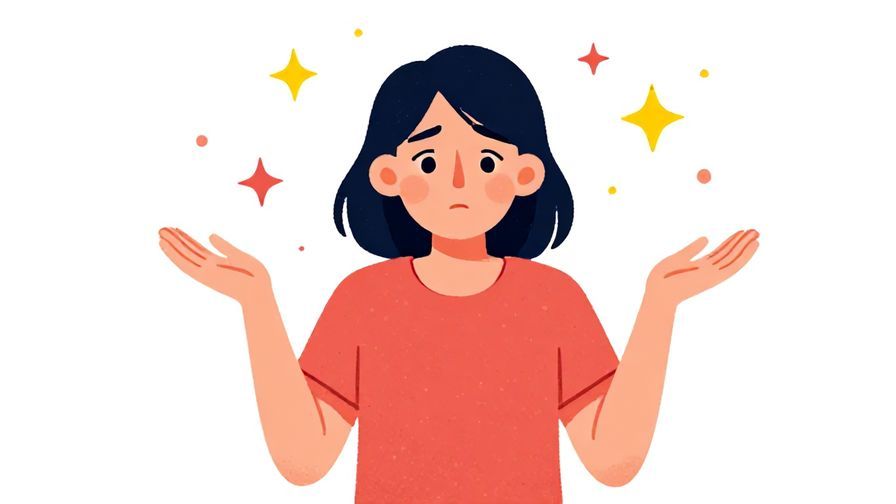
“Ki ni suru” means “to worry,” and “sun na” is a slangy negative command, with “yo” for emphasis.
This phrase roughly translates to “Don’t sweat it” or “Lighten up.”
It’s very casual and common among young people.
Perfect for telling friends not to overthink or stress.
Use it in informal speech to sound like a native speaker.
It’s a handy phrase to keep conversations light and friendly.
21. ほどほどにね (Hodohodo ni ne) – “Moderate yourself.”

“Hodohodo” means “moderate” or “reasonable,” “ni” turns it into an adverb, and “ne” softens the tone.
This phrase gently suggests someone should not overdo things—basically telling them to “lighten up.”
It’s casual but polite enough for many settings.
Great for reminding friends or coworkers to keep balance.
It’s easy to remember and very natural sounding.
Use it to keep things from getting too intense or heavy.
22. まったりしよう (Mattari shiyou) – “Let’s chill / relax.”
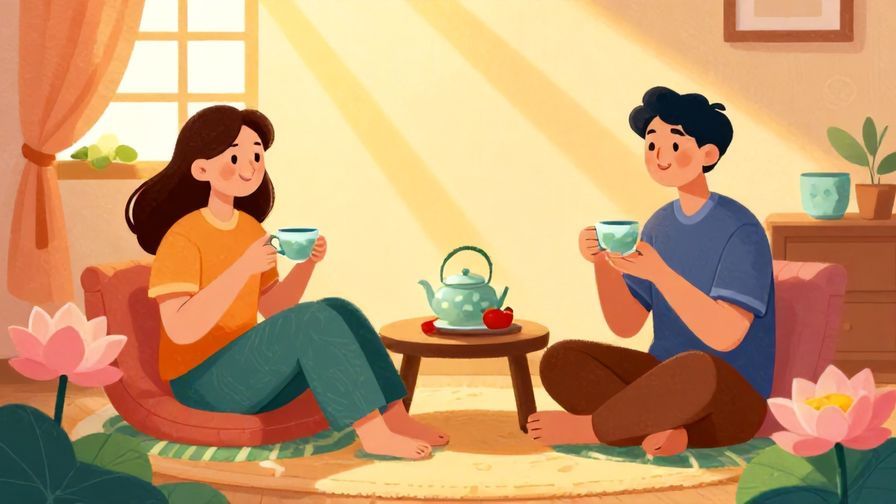
“Mattari” means “relaxed” or “laid-back,” and “shiyou” means “let’s do.”
This phrase invites someone to relax and take it slow.
It’s casual, very native, and perfect for social settings.
Use it to suggest lightening up and enjoying a mellow time.
Commonly used among younger people and close friends.
A lovely phrase to end on when you want to promote peace and ease.
Concluding Thought
Exploring these 22 Japanese ways to say “lighten up” shows just how rich and nuanced the language is when it comes to expressing care and encouragement.
Each phrase carries a unique shade of meaning, tone, and formality, helping you connect better in different situations.
So go ahead, sprinkle these expressions into your conversations and brighten someone’s day with a gentle nudge to relax and enjoy life a bit more!