22 Japanese ways to say “You can’t teach an old dog new tricks”
Learning new things can be exciting, but sometimes it feels like some people just can’t change their ways. You know the saying, “You can’t teach an old dog new tricks”? Well, the Japanese have their own colorful ways to express this idea.
Whether you’re chatting with friends or diving into Japanese culture, these expressions offer a fun glimpse into how language captures the challenge of changing old habits.
From polite phrases to casual slang, we’ve gathered 22 ways to say this in Japanese — all with clear explanations and pronunciation guides.
Understanding these phrases not only boosts your language skills but also deepens your connection to the culture behind the words.
Plus, you’ll have some handy expressions up your sleeve for those moments when change feels tough.
Ready to explore? Let’s jump right in and discover these Japanese gems!
Why These Expressions Matter
Japanese, like many languages, has unique ways to describe the idea of stubbornness or difficulty learning new things.
These phrases often carry cultural nuances that make them richer than a simple translation. Learning them helps you sound more natural and appreciate the language’s depth.
They can be used in various situations, from light teasing to more formal observations.
Sometimes a great Japanese idioms book can give you a perfect starting point to understand these expressions in context.
It’s always fascinating to see how different cultures put their own spin on universal ideas.
So, whether you’re a beginner or just curious about Japanese sayings, these phrases are practical and fun to learn.
Part 1: Casual Suggestions
1. もう年だから仕方がない (Mou toshi dakara shikata ga nai) – “Because I’m old, there’s no helping it.”
This phrase literally means “I’m old, so it can’t be helped.”
It’s a polite, somewhat humorous way to say that someone is set in their ways because of age.
Perfect to use when acknowledging limits without sounding harsh.
It’s a respectful phrase that shows understanding rather than criticism.
You might also hear 仕方ない (shikata nai) on its own, which means “can’t be helped.”
Use this to gently hint that old habits are tough to break.
2. 頭が固い (Atama ga katai) – “Stubborn head.”

This is a classic way to say someone is stubborn or inflexible.
“Atama” means head, and “katai” means hard, so it’s a vivid metaphor.
It’s very common and easy to remember.
Be careful not to use this too harshly in formal settings.
It’s often used among friends or family to tease someone for not changing their mind.
Example: 彼は本当に頭が固いね (Kare wa hontou ni atama ga katai ne) – “He’s really stubborn, huh?”
3. 昔の癖はなかなか治らない (Mukashi no kuse wa nakanaka naoranai) – “Old habits don’t easily change.”
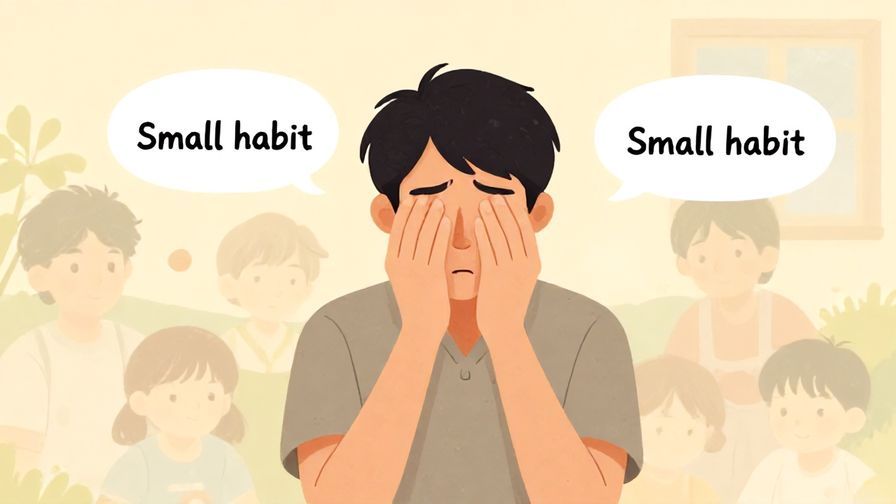
This phrase highlights how old habits are difficult to fix.
“Mukashi” means old times, “kuse” is habit, and “naoranai” means won’t heal or fix.
It’s descriptive and straightforward.
Great for explaining why someone continues doing things the old way.
It’s a gentle, understanding expression.
Try pairing this with examples of small daily habits to make it relatable.
4. 老いては子に従え (Oite wa ko ni shitagae) – “When old, obey your children.”
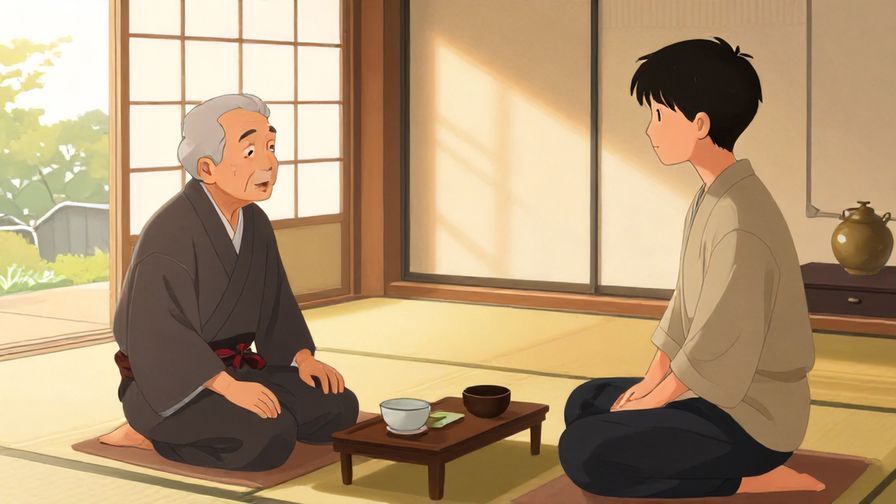
This proverb suggests that old people should listen to younger generations.
It implies old people might resist change but can learn from youth.
“Oite” means becoming old, “ko” means child, and “shitagae” is obey or follow.
It’s a cultural reminder about wisdom and respect across generations.
Use this in conversations about age and learning.
It’s a polite phrase with a touch of warmth.
5. 柔軟性がない (Juunansei ga nai) – “No flexibility.”
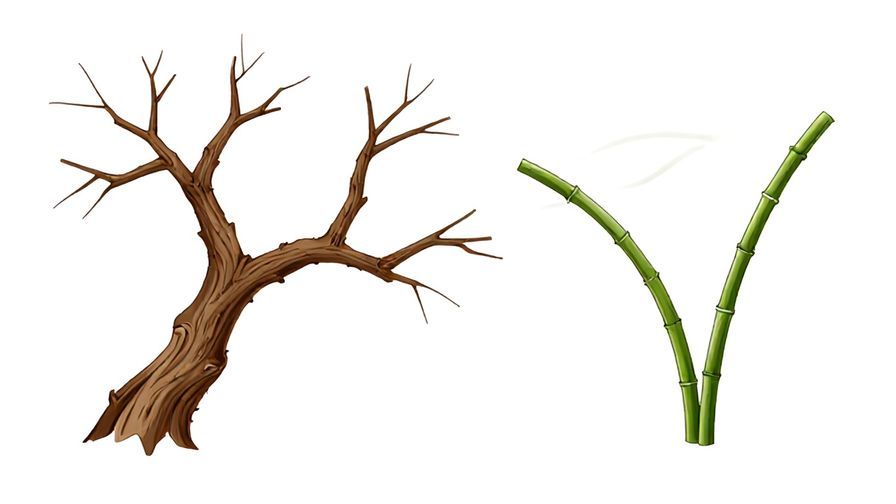
This phrase means someone lacks flexibility in thinking or behavior.
“Juunansei” means flexibility, and “nai” means none.
It’s a straightforward way to say someone can’t adapt easily.
Useful in both casual and business conversations.
It’s a modern phrase often used for personality descriptions.
Practice it with examples of stubbornness or resistance to change.
6. 昔からのやり方を変えない (Mukashi kara no yarikata o kaenai) – “Never changes the old way of doing things.”
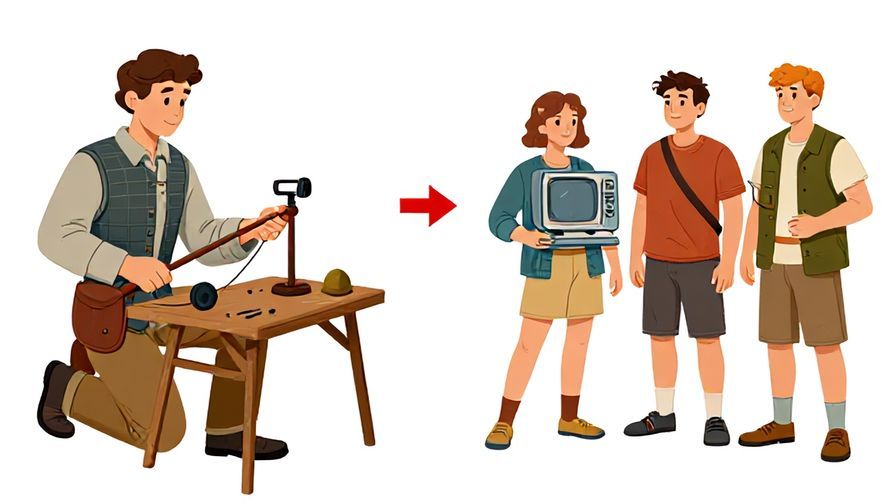
This is a descriptive phrase meaning someone sticks to their old methods.
“Mukashi kara” means since old times, and “yarikata” means way of doing things.
It’s a neutral observation rather than a criticism.
Great for discussing work habits or traditions.
Try using it when talking about people who resist new technology.
It’s practical and easy to remember.
7. 変わるのは難しい (Kawaru no wa muzukashii) – “Changing is difficult.”
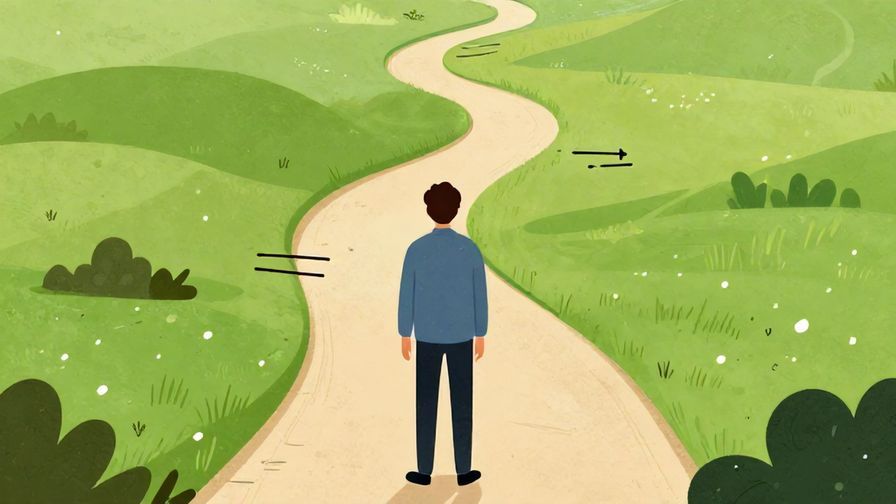
This phrase states a simple truth about change being hard.
“Kawaru” means to change, “muzukashii” means difficult.
It’s honest and relatable.
You can use it to empathize with someone struggling to learn something new.
It works well in everyday conversations.
Try pairing it with encouragement phrases to soften the message.
8. 頑固者 (Gankomono) – “Stubborn person.”

This is a direct word for a stubborn person.
“Ganko” means stubborn, and “mono” means person.
It’s casual but can be a bit strong depending on tone.
Use carefully to avoid offending.
It’s common in informal talks among close friends or family.
It’s useful for describing someone who won’t learn new tricks!
Part 2: Polite & Formal Suggestions
9. 老犬に新しい芸は教えられない (Rouken ni atarashii gei wa oshierarenai) – “You can’t teach an old dog new tricks.”
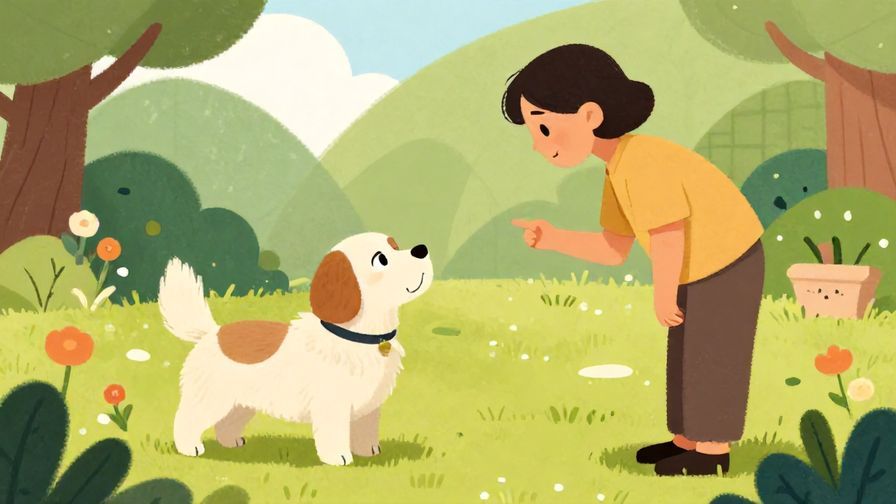
This is the closest direct translation of the English phrase.
“Rouken” means old dog, “atarashii” means new, “gei” means tricks or skills.
It’s polite and formal, often used in writing or speeches.
Great phrase to memorize if you want a classic expression.
It’s a bit long but very clear.
Perfect for formal discussions about change and age.
10. 年齢と共に学びにくくなる (Nenrei to tomo ni manabi nikuku naru) – “Learning becomes harder with age.”

This phrase explains that as you get older, learning new things gets tougher.
“Nenrei” means age, “manabi nikuku naru” means becomes hard to learn.
It’s formal and respectful.
Use it when discussing aging and education politely.
It’s factual without sounding negative.
You can pair it with encouragement for lifelong learning.
11. 習慣は年齢に左右されやすい (Shuukan wa nenrei ni sayuu sare yasui) – “Habits are easily influenced by age.”
This formal phrase points out how age affects habits.
“Shuukan” means habit, “sayuu sare yasui” means easily influenced.
It’s a nuanced way to discuss the difficulty of changing habits with age.
Ideal for academic or serious conversations.
It’s a thoughtful phrase that adds depth to discussions about behavior.
Good for learners interested in psychology or sociology terms.
12. 変化に対する抵抗感が強い (Henka ni taisuru teikoukan ga tsuyoi) – “Strong resistance to change.”

This phrase describes someone’s strong resistance to change.
“Henka” means change, “teikoukan” means sense of resistance.
It’s polite and formal, useful in professional settings.
Good for describing behavioral tendencies without sounding rude.
Try using it when talking about organizational change or personal habits.
It’s a versatile phrase with a serious tone.
13. 年長者は新しいことを覚えにくい (Nenchousha wa atarashii koto o oboenikui) – “Elders find it hard to learn new things.”

This polite phrase acknowledges elders’ learning difficulties.
“Nenchousha” means elder, “oboenikui” means hard to memorize or learn.
It’s respectful and empathetic.
Perfect for family or community discussions.
Use this to show kindness when talking about age and learning.
It helps build understanding and patience.
14. 変わりたくても変われない (Kawaritakute mo kawarenai) – “Want to change but can’t.”
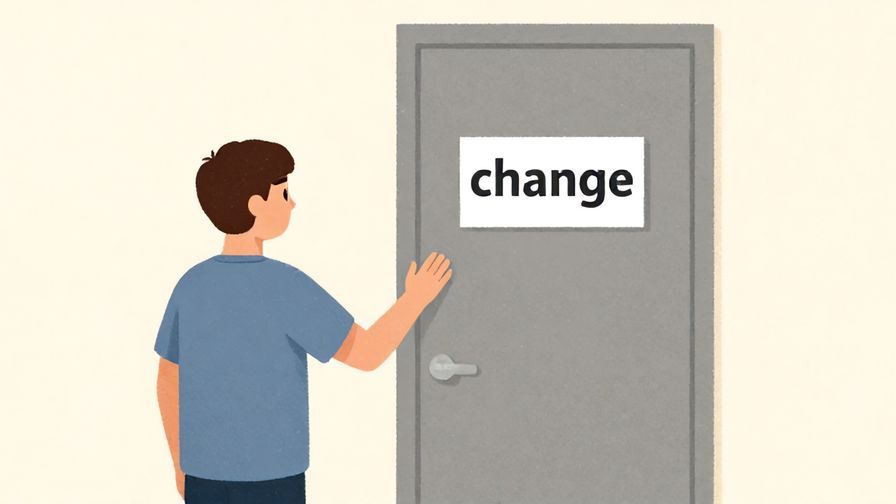
This phrase expresses frustration of wanting change but being unable to.
It’s humble and relatable.
Good for conversations about personal growth struggles.
It’s polite but honest.
Use it to share your own or someone else’s difficulty in changing.
This phrase connects emotionally with listeners.
15. 年を取ると柔軟性が減る (Toshi o toru to juunansei ga heru) – “Flexibility decreases with age.”
This formal phrase discusses how flexibility fades as we age.
It’s useful in health or psychology contexts.
“Toshi o toru” means to get older, “heru” means decrease.
It’s neutral and informative.
Use it to explain natural changes with age calmly.
It’s a fact-based phrase to keep handy.
16. 古い習慣はなかなか変わらない (Furui shuukan wa nakanaka kawaranai) – “Old habits don’t change easily.”
This is a polite way to say old habits are hard to break.
“Furui” means old, “nakanaka” means not easily, “kawaranai” means don’t change.
It’s gentle and commonly used.
Perfect for explaining difficulty in adapting to new situations.
Try it when talking about yourself or others in a respectful way.
It’s a versatile and easy phrase to remember.
Part 3: Very Casual / Native-like Expressions
17. もう手遅れだよ (Mou teokure da yo) – “It’s already too late.”

This is a casual way to say it’s too late to change.
“Teokure” means too late, and “mou” means already.
It’s commonly used among friends with a teasing tone.
Be mindful of context to avoid sounding harsh.
Great for lighthearted conversations about stubbornness.
It captures that “old dog” vibe with humor.
18. もう変わらないってば (Mou kawaranai tte ba) – “I’m telling you, I won’t change.”

This phrase is a casual, emphatic way to say someone refuses to change.
The “tte ba” adds emphasis, like “I’m telling you.”
It’s very natural and informal.
Perfect for teasing or joking with close friends.
Use it to sound like a native speaker in relaxed settings.
It’s spontaneous and fun to say.
19. 変わりたくないんだよ (Kawaritakunai n da yo) – “I just don’t want to change.”

This is a casual confession of unwillingness to change.
“Kawaritakunai” means don’t want to change.
It’s honest and straightforward.
Use it when admitting stubbornness in casual conversations.
It’s warm and relatable.
Great for expressing feelings without formality.
20. 古い癖は簡単には直らないよ (Furui kuse wa kantan ni wa naoranai yo) – “Old habits don’t fix easily.”

This phrase casually explains how tough it is to fix old habits.
“Kantan ni” means easily, “naoranai” means don’t fix.
It’s conversational and clear.
Perfect for everyday chats about personal quirks.
Use it to empathize with someone’s struggle.
It’s simple and effective.
21. もう変えられないでしょ (Mou kaerarenai desho) – “Can’t change anymore, right?”

This phrase is a casual question implying someone can’t change.
“Kaerarenai” means can’t change, and “desho” softens it to a question.
It’s friendly and informal.
Good for teasing or light discussions.
Use it to keep the mood easygoing.
It’s a natural-sounding expression.
22. もう諦めたほうがいいよ (Mou akirameta hou ga ii yo) – “You’d better give up.”

This phrase suggests it’s better to give up trying to change.
“Akirameru” means to give up.
It’s casual but can be kind or teasing, depending on tone.
Use it carefully to keep things friendly.
It’s a direct way to express the idea behind “you can’t teach an old dog new tricks.”
Great for close friends or humorous contexts.
Concluding Thought
Exploring these Japanese expressions shows just how rich and varied language can be when describing something as universal as stubbornness or resistance to change.
From polite proverbs to casual jokes, you’ve got plenty of ways to say “You can’t teach an old dog new tricks” with warmth and nuance.
So next time you meet someone set in their ways, you’ll have the perfect phrase to share — with a smile and a little cultural flair!