22 Japanese ways to say “A leopard can’t change its spots”
Ever heard the saying “A leopard can’t change its spots”? It’s that classic idea that some things just don’t change, no matter how hard you try.
In Japanese, there are many colorful and insightful ways to express this idea. Whether you’re learning Japanese or just love idioms, these phrases will give you a new perspective on unchanging nature.
From casual talk to formal expressions, this list covers it all in a friendly and relatable tone.
So if you want to sound more natural or just understand Japanese culture better, you’re in the right place.
Plus, learning idioms is a fun way to connect with native speakers and deepen your language skills.
Let’s dive into 22 Japanese ways to say “A leopard can’t change its spots” — you’ll be surprised how rich and poetic these expressions can get!
Understanding the Concept in Japanese
Before we jump into the list, it’s good to know that Japanese often uses nature and animals metaphorically, just like in English.
Many phrases revolve around seasons, animals, or natural phenomena to express personality or behavior traits that don’t change.
Knowing this helps you appreciate the beauty behind these sayings.
If you want a solid foundation, a Japanese idioms phrasebook is a great way to explore these expressions deeper.
It’s amazing how much culture you can learn from just one phrase!
And remember, every phrase has its own nuance, so context matters a lot.
Part 1: Casual Suggestions
1. 蛇の道は蛇 (Hebi no michi wa hebi) – “The snake’s path is the snake’s.”

This phrase means people don’t easily change their true nature, just like a snake knows its own path.
It’s simple to remember because it uses the same word “蛇 (hebi / heh-bee)” twice, emphasizing identity.
Use it when you want to gently say someone’s habits or character won’t shift.
It’s a vivid image that sticks in your mind.
Similar to “A leopard can’t change its spots,” it reminds us nature wins.
Next time someone acts predictably, this phrase fits perfectly!
2. 猫は猫らしく (Neko wa neko rashiku) – “A cat is like a cat.”
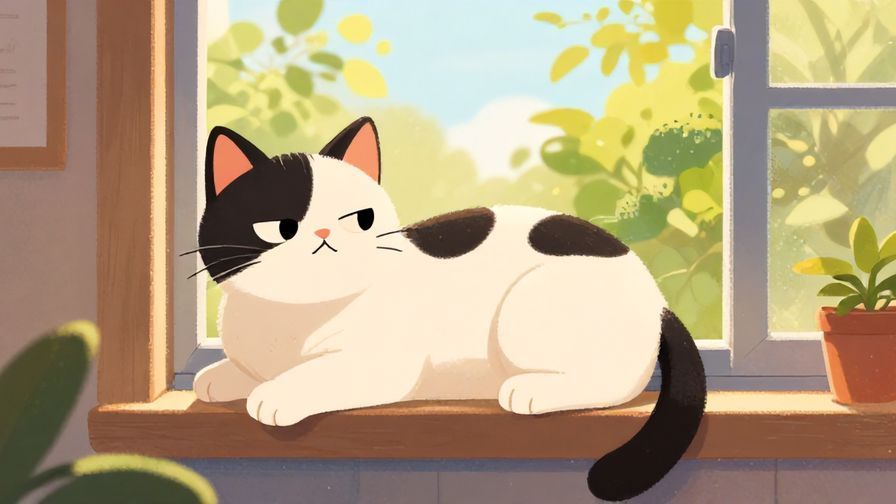
This phrase highlights that a cat will always behave like a cat—independent and sometimes aloof.
It’s easy to practice by thinking about how animals act naturally, no matter the situation.
Great for informal chats when you want to hint that people stick to their nature.
Remember, it’s about accepting traits as they are.
Be careful not to sound harsh; it’s more about gentle observation.
It’s a fun way to say “some things just don’t change.”
3. 蛙の子は蛙 (Kaeru no ko wa kaeru) – “A frog’s child is a frog.”
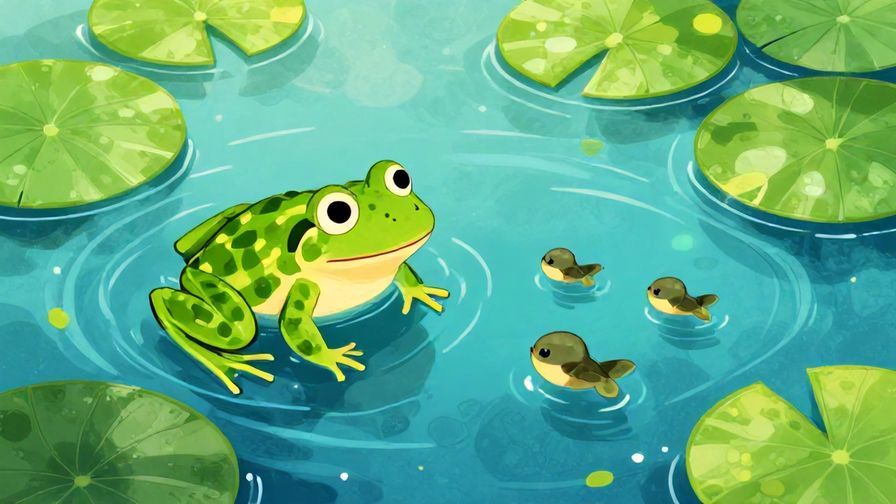
This one is about inheritance and nature—like children often resemble their parents.
It’s straightforward, making it easy to recall and use.
Perfect for explaining why someone behaves a certain way, rooted in family or upbringing.
It’s a subtle nod to unchanging traits passed down.
Use it carefully though; it can sound judgmental if overused.
It’s a classic you’ll hear in everyday Japanese.
4. 魚は魚、水は水 (Sakana wa sakana, mizu wa mizu) – “Fish is fish, water is water.”

This phrase emphasizes things are what they are, naturally and unchangeably.
It’s poetic and easy to understand, perfect for beginners.
Use it when you want to say a person or thing can’t be different from their essence.
It’s a gentle reminder about acceptance.
Watch out not to confuse it with “water and fish don’t mix” which means something else.
Great phrase to keep in your conversational toolkit.
5. 鳶が鷹を生むこともある (Tobi ga taka o umu koto mo aru) – “Sometimes a kite gives birth to a hawk.”

Interestingly, this phrase means sometimes the unexpected happens, but usually, nature holds true.
It’s a nice way to acknowledge exceptions without denying the rule.
It adds nuance to “leopards can’t change spots” by admitting surprises.
Use it when things defy expectations, but don’t over-rely on this.
It’s a hopeful phrase amid a list of firm sayings.
Perfect for conversations about people who surprise you.
6. 釈迦に説法 (Shaka ni seppō) – “Preaching to Shakyamuni.”

This phrase means teaching someone who already knows well, like trying to change a person who won’t change.
It’s a clever way to say “no use trying to change them.”
Good for polite conversations with a hint of humor.
Use it to express futility gently.
Be mindful—it’s a cultural reference to Buddha, so use respectfully.
It’s a witty addition to your Japanese idioms.
7. 亀の甲より年の功 (Kame no kō yori toshi no kō) – “Experience over turtle shell.”

This means age and experience shape a person’s character, which is hard to change.
It’s a respectful way to acknowledge someone’s unchanging wisdom.
Use it when talking about elder insight or habits.
It’s encouraging to appreciate natural growth.
Don’t confuse it with “slow but steady wins the race.”
Great for conversations about life lessons.
8. 猿も木から落ちる (Saru mo ki kara ochiru) – “Even monkeys fall from trees.”

This means even experts make mistakes, implying that no one is perfect, but their nature stays the same.
It’s relatable and easy to remember.
Use it when forgiving someone for messing up but recognizing who they are.
It’s a warm phrase showing understanding.
Be careful not to sound too critical when using it.
It’s a friendly way to accept human nature.
Part 2: Polite & Formal Suggestions
9. 本性は変えられない (Honshō wa kaerarenai) – “One’s true nature cannot be changed.”
This is a direct and polite way to express that someone’s fundamental nature won’t change.
It’s formal enough for business or respectful conversations.
Use it when you want to be clear but gentle.
It’s a useful phrase for essays or presentations too.
Keep in mind it’s straightforward, so tone matters.
Great for serious discussions about personality.
10. 習性は変わらない (Shūsei wa kawaranai) – “Habits don’t change.”

This phrase focuses on habits, implying that what’s ingrained is hard to alter.
It’s polite and precise, often used in psychology or workplace talk.
Perfect for explaining behavior patterns formally.
Don’t confuse it with temporary changes.
It’s a clear way to state long-term tendencies.
Use it when discussing personal or team development.
11. 本質は変わらない (Honshitsu wa kawaranai) – “The essence does not change.”

This phrase is elegant and philosophical, perfect for deeper conversations about character or truth.
It’s formal and poetic, often found in literature or speeches.
Use it when you want to sound thoughtful.
It’s great for emotional or serious topics.
Don’t use it casually—it demands respect.
It adds a beautiful touch to your vocabulary.
12. 性格は変えられない (Seikaku wa kaerarenai) – “Personality cannot be changed.”

This is a straightforward and polite way to say personality is fixed.
It’s common in professional or academic contexts.
Use it when discussing people’s long-lasting traits.
It’s a respectful but firm statement.
Make sure your tone matches the situation.
It’s practical and easy to remember.
13. 習慣は直せない (Shūkan wa naosenai) – “Habits cannot be fixed.”

This phrase is a bit blunt but formal, focusing on the difficulty of changing habits.
It works well in medical or self-help discussions.
Use it when advising someone realistically.
Watch your tone—it can sound discouraging.
It’s honest and to the point.
Useful when you want to stress difficulty in change.
14. 本来の姿は変わらない (Honrai no sugata wa kawaranai) – “One’s original form does not change.”
This poetic phrase emphasizes the unchanged core or nature of a person.
It’s formal and artistic, great for writing or speeches.
Use it when highlighting authenticity.
It adds a cultural depth to your language.
Perfect for describing character or spirit.
It’s a beautiful way to express permanence.
15. 性質は変わらない (Seishitsu wa kawaranai) – “Disposition does not change.”

This phrase is formal and neutral, focusing on inherent traits.
It’s useful in scientific or philosophical contexts.
Use it to talk about natural tendencies respectfully.
It’s precise and easy to understand.
Good for academic or thoughtful discussions.
It’s another solid way to say “leopard’s spots stay.”
16. 本性を変えることは難しい (Honshō o kaeru koto wa muzukashii) – “Changing one’s true nature is difficult.”

This phrase states the difficulty of changing nature politely and clearly.
It’s often used in advice or counseling.
Use it when discussing personal growth realistically.
It’s considerate and honest.
Perfect for thoughtful conversations about change.
It gently sets expectations.
Part 3: Very Casual / Native-like Expressions
17. 本当に変わるわけないじゃん (Hontō ni kawaru wake nai jan) – “There’s no way they really change.”

This casual phrase is perfect for chatting with friends.
It’s informal and a bit cheeky, showing disbelief about change.
Use it in relaxed conversations or social media.
It’s easy to say and sounds very natural.
Be cautious not to offend; tone matters.
Great for expressing friendly skepticism.
18. 変わるわけねーだろ (Kawaru wake nē daro) – “No way they’d change.”

This is a very casual and slangy version, common among young people.
It’s blunt and direct, so use only with close friends.
It carries strong certainty about unchangeability.
Great for informal storytelling.
Not suitable for formal or sensitive topics.
It’s energetic and native-like.
19. 変わるもんか (Kawaru mon ka) – “As if they’d change!”

This phrase carries a confident, sometimes defiant tone.
It’s casual and expressive, used to deny change emphatically.
Perfect for storytelling or joking.
Use carefully to avoid sounding rude.
It’s a quick and punchy way to say “no chance.”
Fits well in everyday conversation.
20. 変わらないってば (Kawaranai tte ba) – “I’m telling you, they won’t change.”

This is a casual, slightly playful phrase often used among friends.
It emphasizes certainty with a light tone.
Great for informal debates or friendly advice.
It makes the conversation feel warm and natural.
Use it to reassure or tease gently.
Very easy to slip into everyday talk.
21. 変わるわけないって (Kawaru wake nai tte) – “Like they’d change.”

This is similar to #19 but a bit softer and less confrontational.
It’s casual and common in daily conversations.
Use it to express doubt or disbelief lightly.
It’s a handy phrase for quick reactions.
Not too harsh, so fits well with polite friends.
Good to know for realistic spoken Japanese.
22. 変わるわけないよね (Kawaru wake nai yo ne) – “They wouldn’t change, right?”

This phrase invites agreement and is friendly and casual.
It’s perfect for conversations where you expect someone to agree with your opinion.
Use it to soften your statement with “right?”
It’s warm and inclusive.
Great for bonding over shared thoughts.
Very natural and easy to use.
Concluding Thought
Exploring these 22 ways to say “A leopard can’t change its spots” in Japanese shows just how rich and varied expressions can be.
From poetic to casual, formal to playful, there’s a phrase for every situation and mood.
So next time you want to talk about unchanging nature—whether people, habits, or personality—you’ve got plenty of warm, relatable options to choose from!