22 Japanese ways to say “Once bitten, twice shy”
Ever had an experience that made you super careful next time? That moment when you learn your lesson and tread lightly? That’s exactly what “Once bitten, twice shy” means.
In Japanese, this feeling is expressed in many colorful ways, each carrying its own nuance and charm. Let’s explore 22 Japanese phrases that capture this sentiment, from casual chats to formal wisdom.
Whether you’re learning Japanese or just love language quirks, these expressions will give you fresh ways to say you’re cautious after a tough lesson.
It’s fascinating to see how the same idea can be spoken in so many different ways depending on context and tone. Plus, you’ll get handy pronunciation guides to say them right.
Ready to add some culturally rich, relatable phrases to your language toolkit? Let’s dive into these heartfelt Japanese expressions that say, “I’ve learned my lesson.”
By the end, you’ll have a handful of perfect phrases to show you’re careful and wise after a bite or two in life!
Understanding “Once bitten, twice shy” in Japanese
This phrase means being cautious after a bad experience. It’s about learning from mistakes and being careful not to get hurt again.
Japanese captures this concept with expressions that sometimes literally mention “bitten” or “scared,” but often focus on hesitation or carefulness born from past pain.
Knowing these can help you express empathy, share your own experiences, or simply sound more natural in conversation.
Sometimes, using a great beginner phrasebook can give you a perfect starting point for a cohesive understanding.
These phrases are practical and easy to remember, making your Japanese sound more natural and expressive.
With a bit of practice, you’ll be able to share your own stories of caution and wisdom effortlessly.
Part 1: Casual Suggestions
1. 二度あることは三度ある (Nido aru koto wa sando aru) – “If it happens twice, it will happen thrice.”
This phrase is a casual way to say if something bad happened once, it might happen again—so be careful.
It literally means “things that happen twice will happen thrice,” warning you to stay alert after a previous mishap.
Great for everyday conversations when you want to show cautious awareness.
It’s easy to recall because it’s a simple counting pattern—two times, then three times.
Related phrases include “三度目の正直 (Sando me no shōjiki)” meaning “third time’s the charm,” which is more hopeful.
Use this one to express wariness without sounding too serious.
2. 怖いもの見たさ (Kowai mono mitasa) – “Curiosity about scary things.”
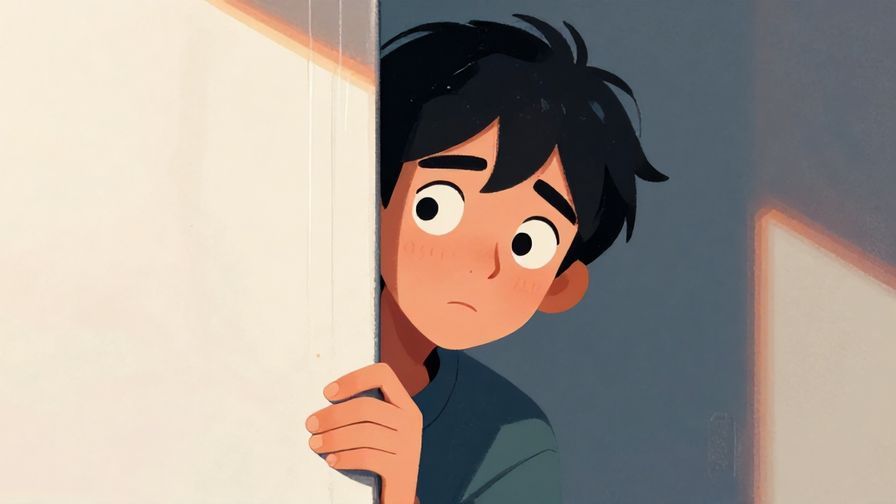
This phrase captures the feeling of being scared but still curious, like after a bad experience.
It literally means “a desire to see scary things,” showing the mix of caution and intrigue.
Perfect for describing that nervous excitement when you want to try again but are hesitant.
It reminds us that sometimes we are drawn to what scares us, but carefully.
Often used lightheartedly, it’s a great way to express cautious interest.
Try using it when talking about new experiences you’re wary about but can’t resist.
3. 用心深い (Youjin bukai) – “Very cautious.”
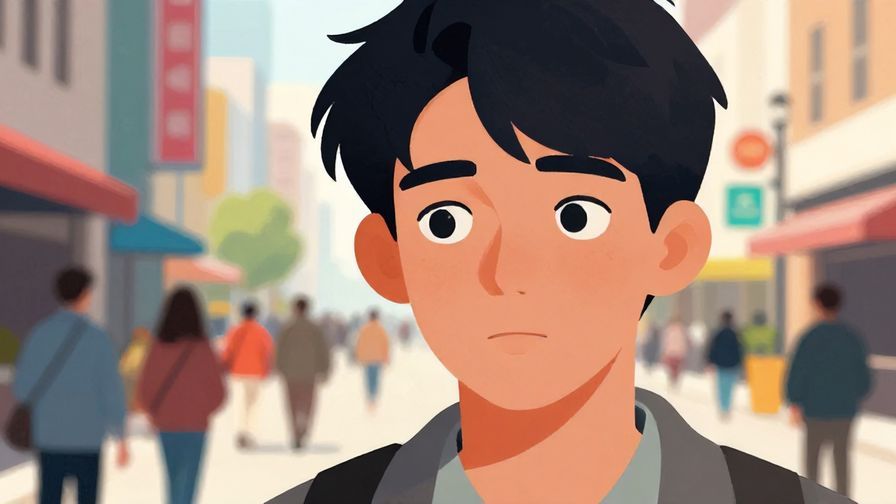
Used to describe someone who is very careful and cautious, especially after a bad experience.
用心 (Youjin) means “carefulness” or “precaution,” and 深い (Bukai) means “deep” or “profound.”
It’s a simple phrase you can use to say someone’s learned their lesson well.
Great to describe yourself or others after being “once bitten.”
This phrase works both in casual and polite conversations.
It’s a practical way to say “I’m watching my step now.”
4. 気をつける (Ki wo tsukeru) – “To be careful.”
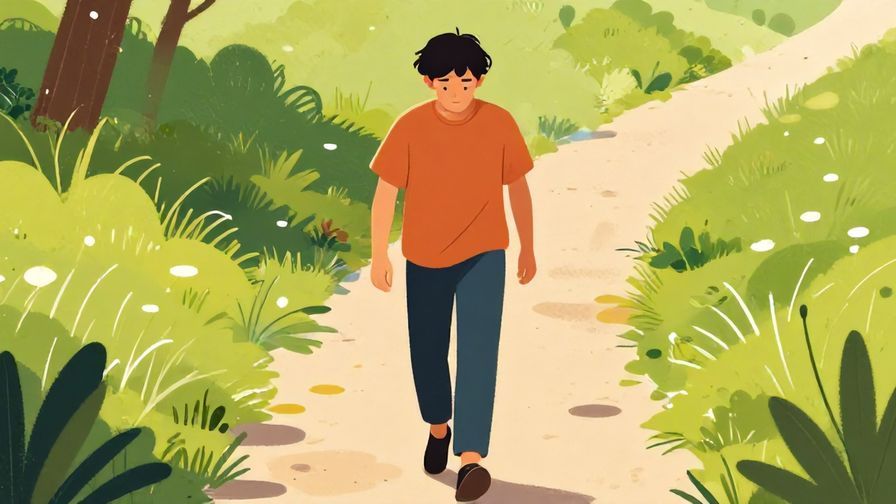
This is the most straightforward and common way to say “to be careful.”
気 (Ki) means “mind” or “spirit,” and つける (Tsukeru) means “to attach” or “to take.”
It literally means “to attach your mind,” implying being alert.
Use it often after a lesson learned to express caution.
It works in almost any situation, making it very versatile.
Adding ね (ne) at the end softens it, like “Be careful, okay?”
5. 慎重になる (Shinchou ni naru) – “To become cautious.”
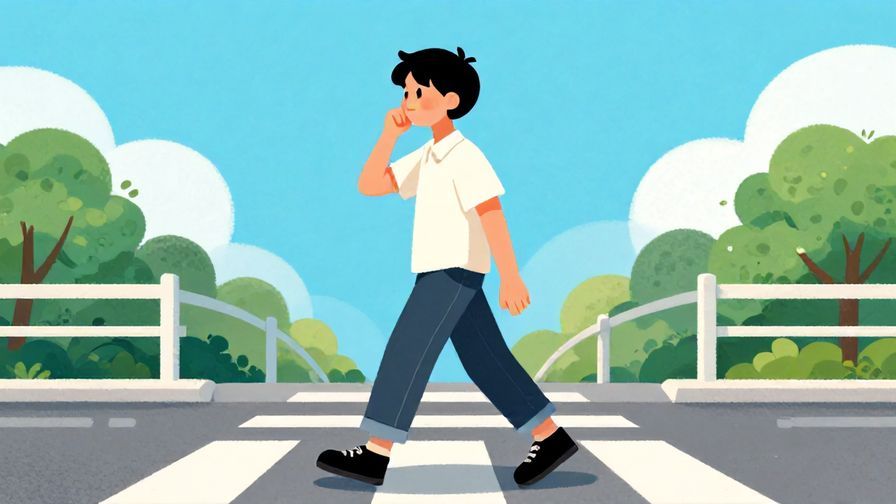
慎重 (Shinchou) means “prudence” or “carefulness,” and なる (Naru) means “to become.”
This phrase is great for saying someone has grown more cautious over time.
It’s useful for reflecting on how a previous painful experience changed your behavior.
Use it when telling stories or giving advice to others.
It sounds natural and mature, perfect for conversations with friends or coworkers.
It’s a nice way to express thoughtful self-awareness.
6. 失敗は成功のもと (Shippai wa seikou no moto) – “Failure is the foundation of success.”

This phrase is an encouraging way to say mistakes teach us and lead to success.
失敗 (Shippai) means “failure,” 成功 (Seikou) means “success,” and もと (Moto) means “origin” or “source.”
It’s a positive spin on learning from being “once bitten.”
Use this when you want to share wisdom or cheer someone up after a setback.
The phrase is common and easy to remember, making it a favorite proverb.
It shows that being cautious comes from valuable experience, not fear.
7. 怖気づく (Obake dzuku) – “To get scared/shy.”
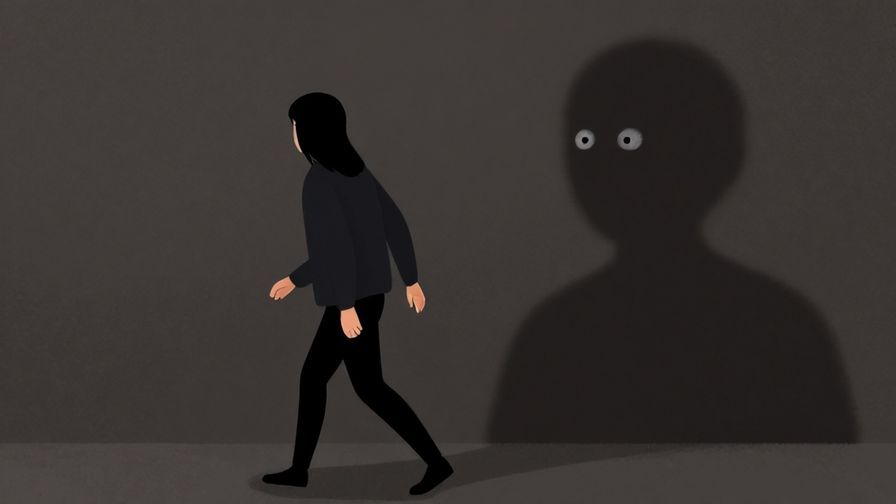
This verb means to become scared or hesitant, often after a bad experience.
怖気 (Obake) means “fear,” and づく (dzuku) is a verb ending meaning “to become.”
It’s a vivid way to say “twice shy” — you’re literally scared to try again.
Use it when describing your own or someone else’s reaction to a risky situation.
It’s common in spoken Japanese and adds emotional depth to your speech.
Pair it with stories for a natural, relatable effect.
8. 身を慎む (Mi wo tsutsushimu) – “To be careful/conservative.”
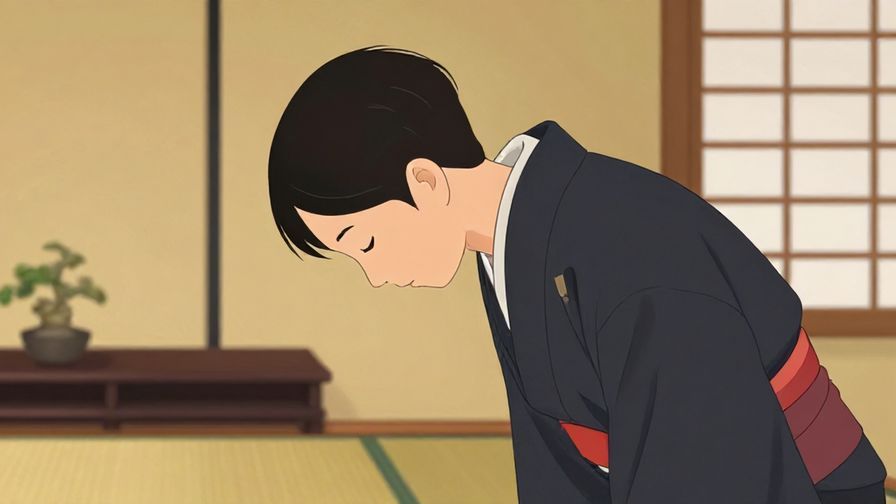
身 (Mi) means “body” or “self,” and 慎む (Tsutsushimu) means “to be careful” or “to refrain.”
This phrase reflects a polite, self-controlled caution after a bad experience.
It’s often used in formal or written contexts.
Use it to show you’re respectfully cautious or humble after learning a lesson.
It’s a bit more serious and elegant than casual phrases.
Perfect for writing or polite conversations about personal growth.
Part 2: Polite & Formal Suggestions
9. 用心する (Youjin suru) – “To take precautions.”

This polite phrase means actively taking care or precautions after learning a hard lesson.
It’s often used in professional settings or formal advice.
Use it to say you’re being careful to avoid past mistakes.
It shows responsibility and awareness in a respectful way.
It’s related to the noun 用心 (Youjin) we saw earlier but with the verb する (suru) — “to do.”
Great for polite conversations or written advice.
10. 慎重に行動する (Shinchou ni koudou suru) – “To act cautiously.”
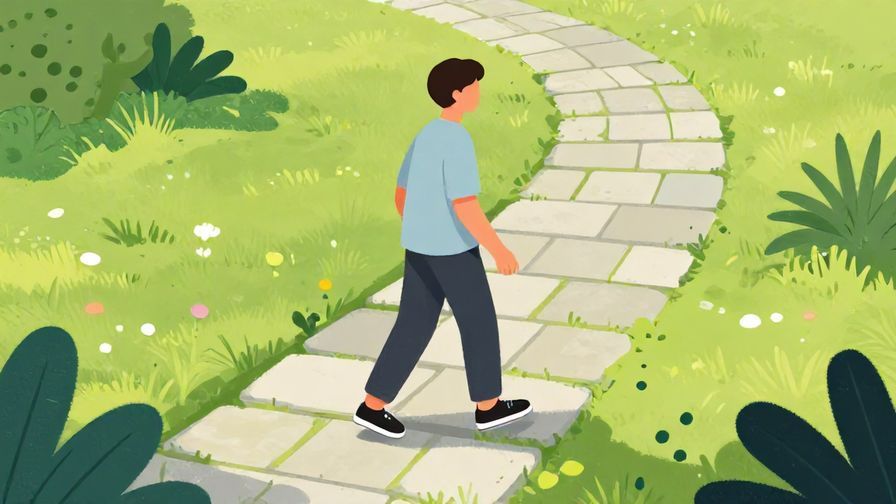
This formal phrase means to behave or act with caution.
慎重 (Shinchou) means “prudence,” 行動 (Koudou) means “action,” and する (Suru) means “to do.”
It’s perfect for formal or business contexts where you need to describe careful behavior.
Use it when advising or reporting measured, thoughtful actions.
It reflects the wisdom that comes from being “once bitten.”
Easy to remember by picturing “careful steps.”
11. 二度と繰り返さない (Nido to kurikaesanai) – “Never repeat twice.”
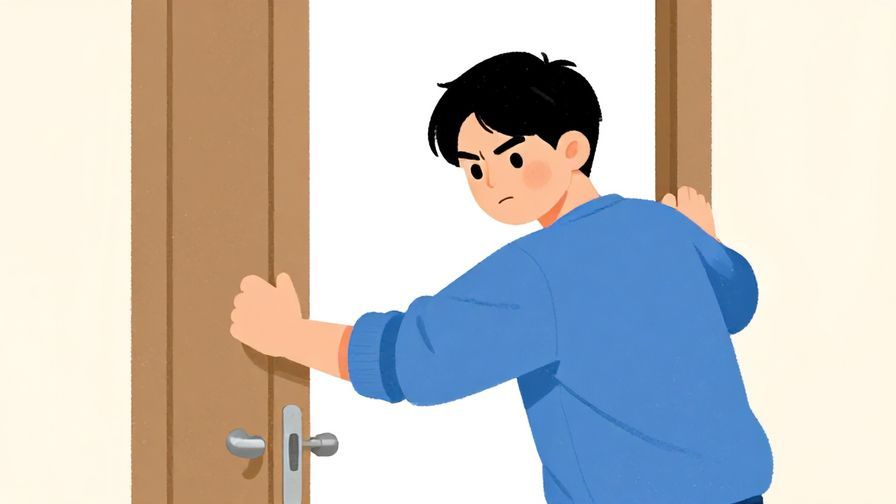
This phrase expresses a firm resolution not to make the same mistake again.
二度と (Nido to) means “never again,” and 繰り返さない (Kurikaesanai) means “not repeat.”
It’s strong and clear, perfect for formal promises or serious conversations.
Use it to show you’ve truly learned and won’t be “bitten” twice.
It’s memorable because of its straightforward negative form.
Great for speeches, apologies, or self-commitment.
12. 注意深くなる (Chuui bukaku naru) – “To become very careful.”

注意深い (Chuui bukai) means “attentive” or “careful,” and なる (Naru) means “to become.”
This phrase is similar to 慎重になる but emphasizes careful attention.
It’s polite and formal enough for professional use.
Use it to describe a shift toward cautious behavior after experience.
It suggests mindfulness, not just wariness.
Useful for self-reflections or describing changes in attitude.
13. 用心深くする (Youjin bukaku suru) – “To be deeply cautious.”
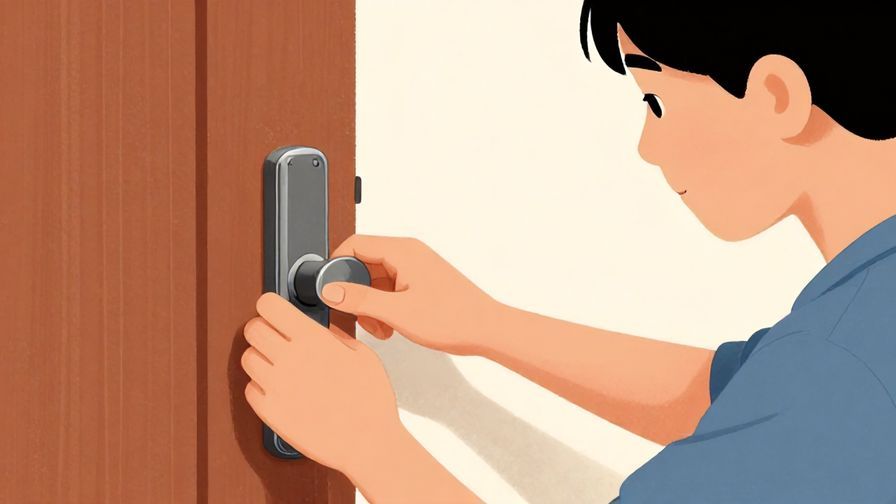
This phrase combines 用心深い (very cautious) with する (to do).
It’s a formal way to say someone is taking serious precautions.
Use it when describing careful behavior in important or risky situations.
It shows respect for the seriousness of the lesson learned.
Great for writing or thoughtful conversation.
Helps you sound mindful and responsible.
14. 傷ついた経験から学ぶ (Kizutsuita keiken kara manabu) – “Learn from a hurt experience.”
傷ついた (Kizutsuita) means “hurt,” 経験 (Keiken) means “experience,” and 学ぶ (Manabu) means “to learn.”
This phrase is a thoughtful way to say you gained wisdom from pain.
It’s good for formal talks about growth and resilience.
Use it to share how you became cautious after being “bitten.”
It’s an elegant, mature expression that feels hopeful.
Perfect for essays, speeches, or deep conversations.
15. 慎み深くなる (Tsutsushimi bukaku naru) – “To become modest and cautious.”
慎み深い (Tsutsushimi bukai) means “modest” or “discreet,” and なる (Naru) means “to become.”
This phrase blends humility with caution after experience.
It’s formal and polite, great for respectful conversations.
Use it to describe careful behavior with a humble heart.
It sounds gentle and wise, emphasizing personal growth.
Nice for professional or social contexts where respect matters.
16. 用心している (Youjin shiteiru) – “Being cautious.”

This is the continuous tense of 用心する, meaning “currently being careful.”
It shows ongoing caution, perfect after a recent bad experience.
Use it in polite or casual conversations to express alertness.
It’s easy to conjugate and remember.
Great for describing your present state of mind after learning lessons.
It’s a simple way to say “I’m watching my step.”
Part 3: Very Casual / Native-like Expressions
17. こわごわ (Kowagowa) – “Nervously, cautiously.”
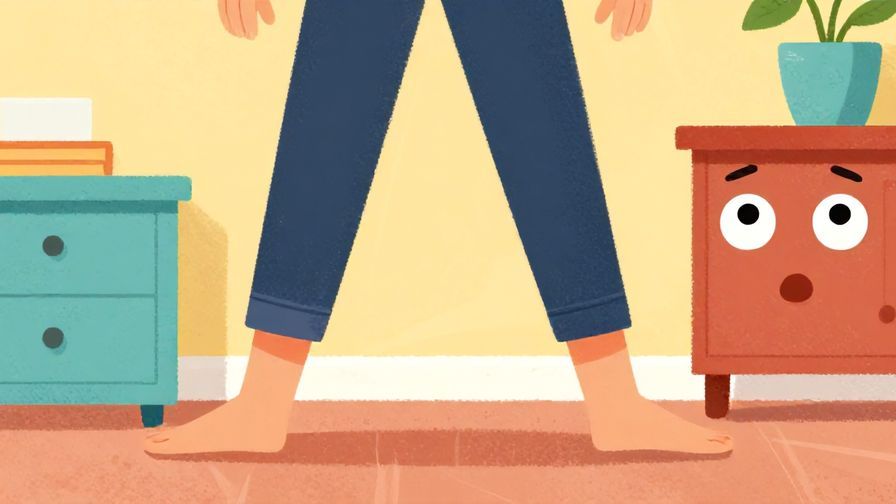
This is an onomatopoeic adverb describing a nervous, cautious way of doing something.
It perfectly conveys the “twice shy” feeling in a casual, native tone.
Use it to describe hesitant movements or actions.
It’s fun and expressive, often used in everyday speech.
Great for showing vulnerability or shyness after a bad experience.
Try it when telling stories with a lighthearted touch.
18. ビビる (Bibiru) – “To get scared or hesitate.”

This slang verb means “to freak out” or “to hesitate out of fear.”
It’s very casual and popular among young people.
Use it to say you got scared and are now extra careful.
It’s punchy and easy to remember.
Be mindful that it’s informal, so best for friends or casual talk.
It’s a lively way to express that “once bitten” feeling.
19. へっぴり腰 (Heppiri goshi) – “Timid, hesitant posture.”
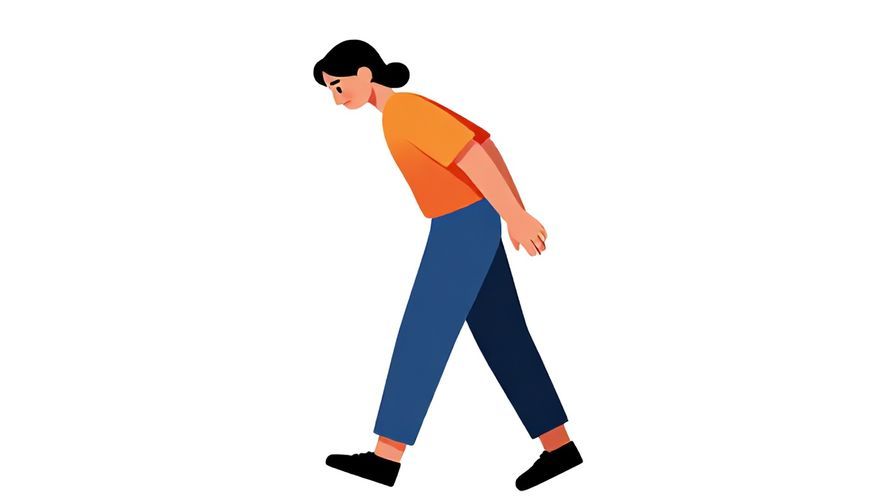
This funny phrase literally means “bent-over waist,” describing a timid or scared stance.
It’s a vivid way to describe someone acting shy or wary after a bad experience.
Use it in casual conversation to add humor and express hesitance.
It’s easy to picture and remember.
Perfect when describing how you or someone else behaves after being “bitten.”
Adds a relatable, native-like flair to your speech.
20. 用心棒 (Youjinbou) – “Bodyguard (literally ‘caution stick’).”

Literally meaning “caution stick,” this word refers to a bodyguard.
Figuratively, it can evoke the idea of being on guard and careful after a bad experience.
Use it humorously to say you’re protecting yourself with caution.
It’s a playful way to express “once bitten, twice shy.”
Great for light conversations or jokes about being careful.
It’s memorable and culturally rich.
21. トラウマになる (Torauma ni naru) – “To become traumatized.”
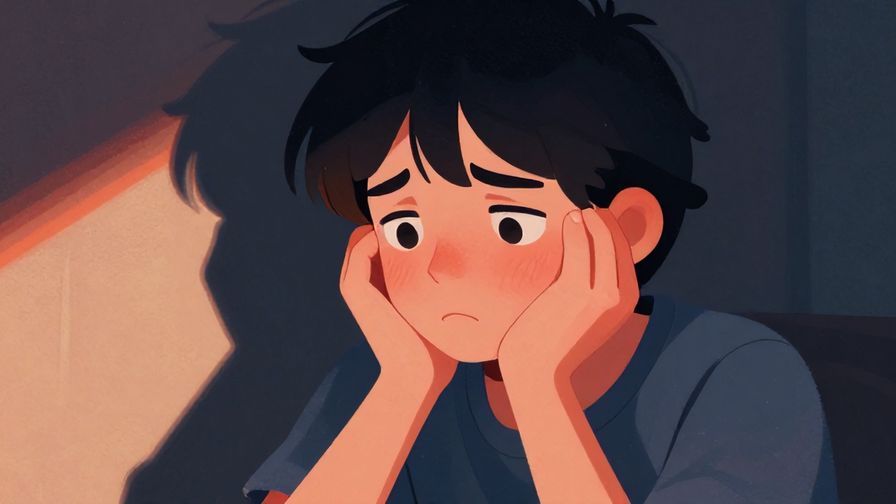
This phrase uses the borrowed word “trauma” to say someone is deeply affected by a bad experience.
It’s a casual way to express being “once bitten” in a more emotional sense.
Use it when you want to talk about strong hesitation or fear after a negative event.
It’s widely understood and easy to say.
Good for honest, heartfelt conversations.
Shows depth beyond simple caution.
22. 気が引ける (Ki ga hikeru) – “To feel hesitant or reluctant.”
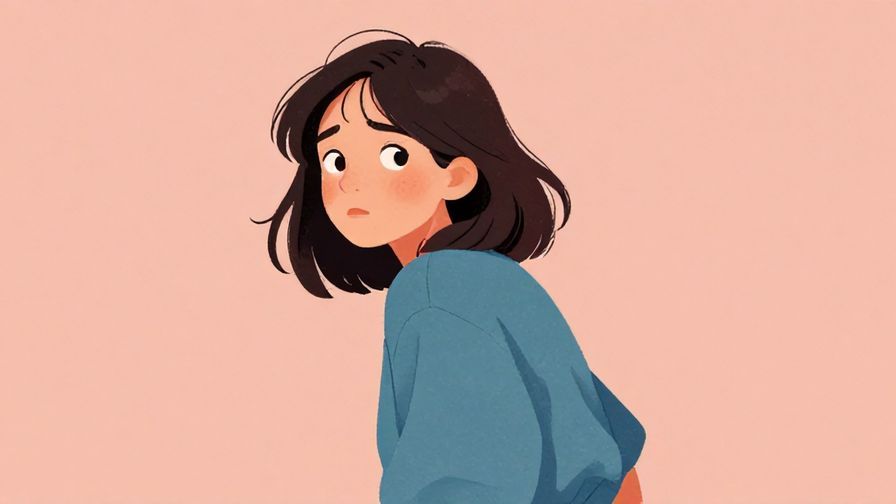
This phrase literally means “the spirit pulls back,” expressing reluctance or hesitation.
It’s a subtle, emotional way to say you’re shy or hesitant after a bad experience.
Use it in casual or polite contexts to show gentle hesitation.
It’s common in everyday speech and easy to remember.
Perfect for expressing “once bitten, twice shy” without sounding too strong.
It adds a natural, native flavor to your conversations.
Concluding Thought
Exploring these 22 Japanese ways to say “Once bitten, twice shy” shows how rich and varied language can be in expressing our feelings of caution and growth.
From formal wisdom to casual slang, each phrase offers a unique window into how people learn and protect themselves after tough experiences.
Keep these expressions in your language toolkit to share your stories, empathize with others, and sound like a truly thoughtful Japanese speaker. Stay curious, stay careful, and keep learning!