22 Japanese ways to say “Let this be a warning”
Sometimes in life, we want to give someone a heads-up, a little nudge that something important is at stake. In Japanese, there are many ways to say “Let this be a warning” — each with its own shade of meaning and tone.
Whether you want to sound serious, polite, casual, or even native-like, you’ll find just the right phrase here. It’s like having a toolbox full of expressions ready for any situation.
Learning these phrases can help you communicate more naturally and understand the subtlety behind warnings in Japanese culture.
Plus, mastering diverse ways to say a warning adds depth and color to your language skills. It’s not just about words; it’s about conveying feeling and intent.
So, let’s dive into 22 Japanese expressions that say “Let this be a warning” — from formal to casual, direct to nuanced.
By the end, you’ll be ready to warn with warmth, clarity, or authority in a way that fits your style perfectly.
Understanding How to Give a Warning in Japanese
Before we jump into the phrases, it’s good to understand how warnings work in Japanese culture.
Japanese often value politeness and subtlety, so warnings aren’t always blunt. Sometimes they soften the message, and other times they get straight to the point depending on context.
Knowing this helps you pick the right phrase for the right moment.

If you’re starting out, a beginner phrasebook can be a great resource to build your foundation for these expressions.
Remember, tone and context matter just as much as the words you choose.
With that in mind, here are your first set of casual ways to issue a warning in Japanese.
Part 1: Casual Suggestions
1. 気をつけてね (Ki o tsukete ne) – “Be careful, okay?”

This is a warm and gentle way to warn someone to be careful.
“気 (ki)” means “spirit” or “mind,” “を (o)” marks the object, “つけて (tsukete)” is “to attach” or “to pay,” and “ね (ne)” softens it, like “okay?” It’s like saying, “Please keep your attention.”
It’s perfect for casual warnings to friends or family.
Use it when you want to sound caring rather than strict.
Similar phrases include “気をつけてください (Ki o tsukete kudasai),” which is more polite.
It’s an easy phrase to remember and very commonly used in daily life.
2. 注意してね (Chūi shite ne) – “Watch out, okay?”
“注意 (Chūi)” means “caution” or “attention,” and “してね (shite ne)” is a soft command like “please do.”
This phrase is simple and direct but still maintains a friendly tone thanks to “ね.”
It’s great when you want to highlight a potential problem casually.
Try not to sound too harsh by keeping your tone light.
It’s often used in everyday conversations when warning about minor dangers or mistakes.
Practice this phrase when you want to gently alert someone.
3. これは警告だよ (Kore wa keikoku da yo) – “This is a warning, you know.”

This one’s a bit more straightforward and serious.
“これは (Kore wa)” means “this is,” “警告 (keikoku)” is “warning,” and “だよ (da yo)” adds emphasis in a casual way.
Use this when you want to clearly state that what you’re saying is an official warning but still keep a conversational tone.
It’s less soft than “気をつけてね” but not overly formal.
You might hear this in situations where someone needs to be alerted firmly without sounding rude.
A good phrase to show you mean business but aren’t angry.
4. 本気で言ってるよ (Honki de itteru yo) – “I’m serious about this.”

This phrase literally means “I’m saying this seriously.”
“本気 (honki)” means “seriousness,” “で (de)” is a particle here, “言ってる (itteru)” is “saying,” and “よ (yo)” emphasizes the statement.
It’s a casual but firm way to let someone know you’re not joking around.
Great when you want to warn someone with genuine concern or urgency.
It can fit in with warnings about behavior or consequences.
Use it to add weight to your words without sounding too formal.
5. やめたほうがいいよ (Yameta hō ga ii yo) – “You’d better stop.”

This is a casual way to warn someone to stop doing something potentially harmful or wrong.
“やめた (yameta)” is the past tense of “stop,” “ほうがいい (hō ga ii)” means “better to,” and “よ (yo)” adds emphasis.
It’s useful when you want to advise against continuing an action.
Sounds caring but firm, like a friendly warning.
Be careful not to sound too harsh; tone matters here.
Often used among friends or close colleagues.
6. 気をつけなよ (Ki o tsukena yo) – “Watch yourself!”

This is a more casual and slightly rougher way to say “be careful.”
“気 (ki)” is “mind” or “attention,” “を (o)” marks the object, “つけな (tsukena)” is an informal command form of “be careful,” and “よ (yo)” emphasizes.
It’s often used among close friends or younger people.
Good to use when you want to sound natural and casual.
It can sound a bit direct, so avoid using it with super formal or older people.
Practice this to sound more like a native speaker in casual chats.
7. これで最後の警告だよ (Kore de saigo no keikoku da yo) – “This is the last warning.”

This phrase is firm and clear, signaling a final warning.
“これで (Kore de)” means “with this,” “最後の (saigo no)” means “last,” “警告 (keikoku)” is “warning,” and “だよ (da yo)” softens but still emphasizes.
Use it when you want to be serious but not rude.
It’s perfect for situations where you need to make clear that no more chances will be given.
Commonly used in rules or disciplinary contexts.
Use carefully, as it’s a strong expression.
8. これだけは言っておくよ (Kore dake wa itte oku yo) – “I just want to say this as a warning.”

This phrase softly introduces a warning with a sense of finality.
“これだけは (Kore dake wa)” means “just this,” “言っておく (itte oku)” means “say in advance,” and “よ (yo)” adds a casual emphasis.
It’s a gentle way to preface a warning.
Useful when you want to make sure the listener understands an important point.
It’s less confrontational and more of a heads-up.
Practice using this to sound thoughtful and considerate.
Part 2: Polite & Formal Suggestions
9. ご注意ください (Go-chūi kudasai) – “Please be careful.”
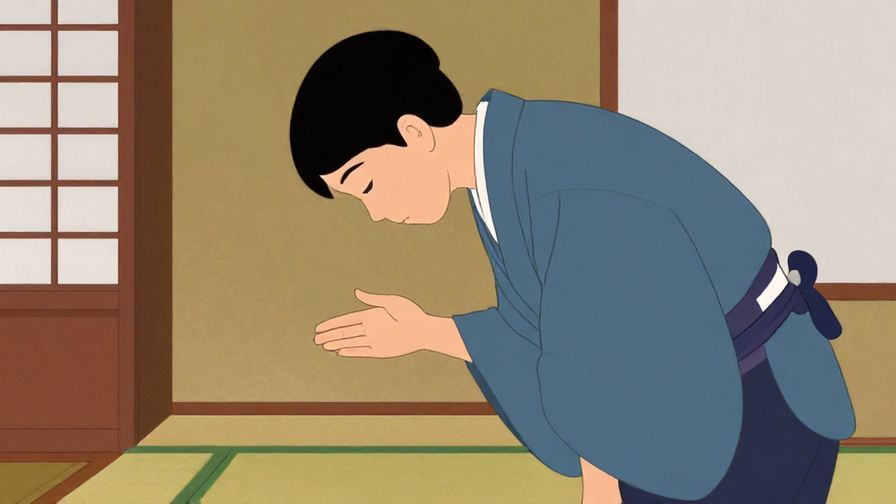
This is a very polite way to issue a warning or ask for caution.
“ご (go)” is an honorific prefix, “注意 (chūi)” means “caution,” and “ください (kudasai)” is “please.”
Commonly seen in signs or official announcements.
It’s perfect for formal situations or when addressing strangers respectfully.
Using honorifics shows respect and seriousness.
Great phrase to learn for workplace or public contexts.
10. 警告いたします (Keikoku itashimasu) – “I hereby warn you.”

This is a very formal and respectful way to give a warning.
“警告 (keikoku)” means “warning,” and “いたします (itashimasu)” is a humble form of “to do.”
It’s used in official or business contexts.
Good for serious warnings where politeness is required.
Not casual at all, so best reserved for formal writing or speech.
Practice this to sound professional and authoritative.
11. ご留意ください (Go-ryūi kudasai) – “Please take note.”

“ご留意 (go-ryūi)” means “attention” or “consideration,” and “ください (kudasai)” is polite “please.”
This phrase is a polite way to warn or remind someone to be mindful.
Often used in written warnings or formal reminders.
It’s softer than “警告” but still polite and serious.
Common in professional emails or notices.
Great for learning to issue polite cautions.
12. お気をつけください (O-ki o tsukete kudasai) – “Please be careful.”
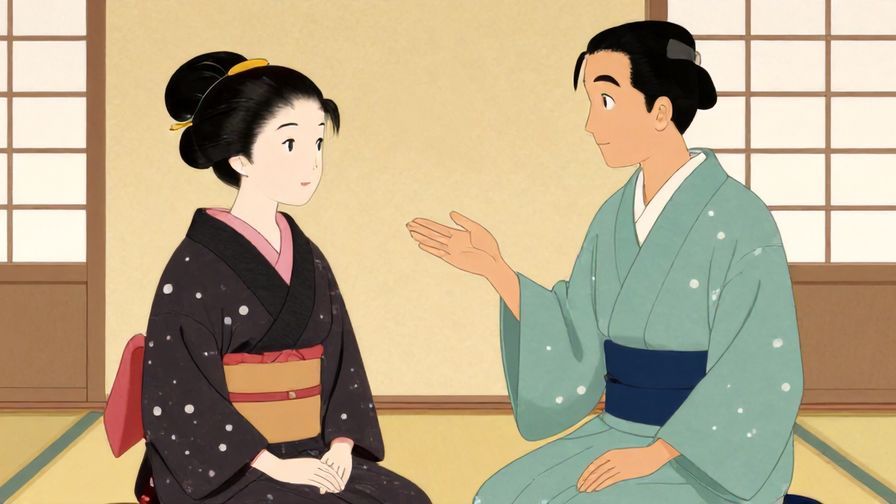
This phrase is a respectful and polite warning.
“お (o)” is honorific, “気をつけて (ki o tsukete)” means “be careful,” and “ください (kudasai)” is “please.”
It’s a classic phrase for polite reminders.
Great for formal conversation or writing.
Use it when you want to sound courteous but clear.
This phrase is very useful in customer service and public announcements.
13. ご注意申し上げます (Go-chūi mōshiagemasu) – “I humbly caution you.”

This is a very respectful and humble warning phrase.
“ご注意 (go-chūi)” is polite “caution,” and “申し上げます (mōshiagemasu)” is a humble form of “say.”
Used in very formal contexts.
It shows high respect towards the listener.
Perfect for official speeches or letters.
Practice this for top-tier politeness in warnings.
14. 警告申し上げます (Keikoku mōshiagemasu) – “I humbly warn you.”

This is the humblest way to say “I warn you.”
“警告 (keikoku)” means “warning,” and “申し上げます (mōshiagemasu)” is humble “to say.”
Very formal and serious.
Great for legal or official warnings.
Use only in formal writing or speech.
It shows both respect and authority.
15. ご配慮ください (Go-hairyo kudasai) – “Please be considerate.”
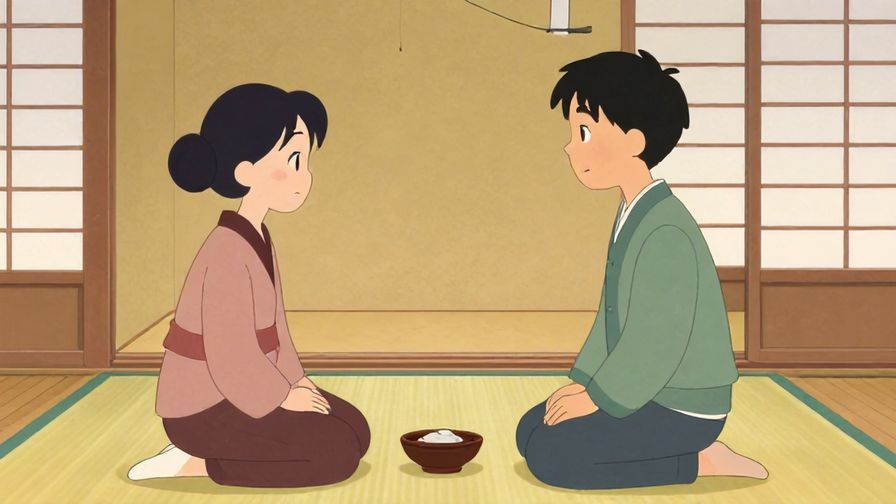
This phrase asks someone to be mindful or take care.
“ご (go)” is honorific, “配慮 (hairyo)” means “consideration,” and “ください (kudasai)” is “please.”
It’s a polite warning to encourage thoughtful behavior.
Often used in polite requests or written notes.
Good for subtle warnings without direct confrontation.
Try this phrase for gentle, formal caution.
16. お言葉に気をつけてください (Okotoba ni ki o tsukete kudasai) – “Please watch your words.”

This phrase is a polite warning about what someone says.
“お言葉 (okotoba)” means “words” respectfully, “に (ni)” marks the target, “気をつけてください (ki o tsukete kudasai)” means “please be careful.”
Useful when warning someone to mind their language.
Polite and respectful, suitable for formal or semi-formal settings.
Practice this to warn delicately about speech.
It’s a great phrase for workplace or social caution.
Part 3: Very Casual / Native-like Expressions
17. 気をつけろよ (Ki o tsukero yo) – “Watch out!” (Rough casual)

This is a very casual and rough way to say “be careful.”
“気をつけろ (ki o tsukero)” is an imperative form, and “よ (yo)” adds emphasis.
Commonly used by close friends or in tough situations.
It can sound aggressive if used in the wrong context.
Use with caution and only among people you know well.
Great for sounding natural in casual or dramatic moments.
18. これ、マジでヤバいから (Kore, maji de yabai kara) – “This is seriously bad, so watch out.”

This phrase is very casual, often used by young people.
“マジで (maji de)” means “seriously,” “ヤバい (yabai)” means “dangerous” or “bad,” and “から (kara)” means “because.”
It’s a slangy way to warn about something risky.
Not suitable for formal situations.
Use it to sound native and current among friends.
Fun phrase to add color to casual conversations.
19. ちゃんとしろよ (Chanto shiro yo) – “Get it together!”

This is a casual, somewhat tough way to warn someone to behave or be responsible.
“ちゃんと (chanto)” means “properly,” and “しろ (shiro)” is the imperative “do,” with “よ (yo)” for emphasis.
Often used among friends or younger people.
Sounds firm but can show concern.
Use it to warn about carelessness or mistakes.
It’s a natural phrase for native speakers in close relationships.
20. これ以上やったらダメだぞ (Kore ijō yattara dame da zo) – “If you do any more, it’s not good.”

This phrase warns someone not to continue an action.
“これ以上 (kore ijō)” means “any more,” “やったら (yattara)” is conditional “if you do,” “ダメだ (dame da)” means “no good,” and “ぞ (zo)” adds masculine emphasis.
Casual but firm warning.
Common among friends or siblings.
Great for native-like conversational warnings.
Practice it to sound natural and clear.
21. 次はないからな (Tsugi wa nai kara na) – “There won’t be a next time.”

This phrase warns that the next mistake won’t be tolerated.
“次は (tsugi wa)” means “next time,” “ない (nai)” means “there is none,” “から (kara)” means “because,” and “な (na)” softens the tone.
It’s a direct but casually firm warning.
Used among peers or in informal settings.
Great for emphasizing consequences.
Use to sound native and straightforward.
22. いい加減にしろよ (Ii kagen ni shiro yo) – “Cut it out already!”

This is a strong, casual warning to stop annoying behavior.
“いい加減に (ii kagen ni)” means “enough already,” and “しろ (shiro)” is the command “do,” with “よ (yo)” for emphasis.
Use only with close friends or in informal settings.
It sounds quite direct, so be mindful of tone.
Good for expressing irritation in a native-like way.
Practice this to sound natural but beware of overuse.
Concluding Thought
Learning how to say “Let this be a warning” in Japanese opens a window into cultural nuances and communication styles.
From gentle cautions to firm declarations, the variety lets you adapt to any situation with warmth or authority.
Keep practicing these phrases in different contexts, and you’ll not only sound more natural but also connect more deeply with Japanese speakers. Warning done right is a powerful tool!