22 Japanese ways to say “Don’t say I didn’t warn you”
Ever found yourself wanting to say, “Don’t say I didn’t warn you” in Japanese but weren’t sure how? You’re not alone—it’s a phrase that carries a fun mix of caution and friendly teasing.
Whether you’re chatting with friends or trying to sound a bit more dramatic, Japanese offers a variety of ways to get this across. Some are casual, some polite, and others downright native-like.
In this listicle, we’ll dive into 22 different Japanese expressions for “Don’t say I didn’t warn you,” breaking down pronunciation and meaning in a warm, approachable way.
By the end, you’ll have plenty of phrases to sprinkle into your conversations, each fitting different vibes and situations.
Plus, learning these will not only help you sound more natural but also deepen your understanding of Japanese nuances.
Let’s get started and have some fun with these cool expressions!
Common Phrases to Get You Started
Here are some straightforward ways to say “Don’t say I didn’t warn you.” These are great for daily use and easy to remember.
They cover casual and polite situations, giving you a solid foundation.
Ready to learn? Let’s jump in!

Sometimes, using a great beginner phrasebook can give you a perfect starting point for a cohesive understanding.
These phrases will help you communicate warnings in a friendly yet clear way.
Using them often will make you sound confident and natural.
Part 1: Casual Suggestions
1. 言ったでしょ? (Itta desho?) – “I told you, didn’t I?”

This phrase is a classic, casual way to say “Don’t say I didn’t warn you” by reminding someone you already told them.
“言った” (itta) means “said” or “told,” and “でしょ” (desho) adds a soft, confirming tone, like “right?” or “didn’t I?”
It’s perfect for friends or informal situations.
Use it when you want to tease someone a bit but still keep it friendly.
A related phrase is “言ったじゃん” (itta jan), which is even more casual.
Try it next time you want to remind a friend gently!
2. 注意したよね? (Chūi shita yo ne?) – “I warned you, didn’t I?”

This is another casual phrase that means “I warned you.”
“注意した” (chūi shita) means “warned” or “cautioned,” and adding “よね” (yo ne) softens it and seeks agreement.
It’s super useful when you want to remind someone without sounding harsh.
A common mistake is forgetting “よね,” which can make the tone sound too blunt.
Example: “昨日危ないって注意したよね?” (Kinō abunai tte chūi shita yo ne?) — “I warned you yesterday it was dangerous, right?”
It’s casual but still polite enough for many situations.
3. 言ったからね (Itta kara ne) – “Because I told you” (implying warning)

This phrase is a bit more direct, saying “I told you” with a nuance of “so don’t blame me.”
“言った” (itta) is “told,” “から” (kara) means “because,” and “ね” (ne) softens the tone.
It works well when you want to be a bit playful but firm.
It’s easy to remember because “から” shows cause and effect.
Perfect for conversations when something predictable happens after your advice.
Use it to keep your tone light but clear.
4. 知らなかったじゃ済まないよ (Shiranakatta ja sumanai yo) – “You can’t say you didn’t know”

This one is a bit stronger and means “You can’t say you didn’t know.”
“知らなかった” (shiranakatta) means “didn’t know,” “じゃ済まない” (ja sumanai) means “won’t be excused,” and “よ” (yo) adds emphasis.
It’s great when you want to warn someone seriously but not rudely.
Be careful not to use it too harshly in casual chats.
Example: “こんなに説明したのに、知らなかったじゃ済まないよ。” (Konna ni setsumei shita noni, shiranakatta ja sumanai yo.) — “I explained so much, so you can’t say you didn’t know.”
This phrase packs a polite punch!
5. ちゃんと言ったよ (Chan to itta yo) – “I told you properly”

This phrase is light and casual, meaning “I told you properly.”
“ちゃんと” (chanto) means “properly,” “言った” (itta) is “told,” and “よ” (yo) adds emphasis.
It’s perfect to remind a friend you warned them clearly.
It’s easy to say and sounds friendly.
Try it in playful, everyday talks.
It helps keep the mood light while still making your point.
6. 忠告したよ (Chūkoku shita yo) – “I gave you advice/warned you”

“忠告した” (chūkoku shita) means “gave advice” or “warned,” making this phrase a polite but casual way to say “I warned you.”
Add “よ” (yo) to emphasize the statement.
This one is slightly more formal than some casual phrases but still easy to use with friends.
It’s great for when you want to sound caring yet serious.
Use it to show you were genuinely looking out for someone.
It’s a warm way to say “Don’t say I didn’t warn you.”
7. 警告したよ (Keikoku shita yo) – “I warned you” (stronger)

“警告” (keikoku) means “warning,” so “警告したよ” (keikoku shita yo) is a clear and somewhat strong way to say “I warned you.”
It’s suitable when you want to be firm but not rude.
Perfect for serious advice or safety warnings.
Don’t overuse it for casual chats, as it can sound too formal or harsh.
Example: “危険だから警告したよ!” (Kiken dakara keikoku shita yo!) — “I warned you because it’s dangerous!”
This phrase carries weight and respect.
8. 予告しておいたよ (Yokoku shite oita yo) – “I gave you a heads-up”

“予告” (yokoku) means “advance notice” or “heads-up.”
“予告しておいたよ” (yokoku shite oita yo) means “I warned/gave you a heads-up before.”
This phrase is casual and friendly, great for light warnings.
It’s easy to use when giving informal advice or reminders.
Use it when you want to say you prepared someone in advance.
It’s a cool way to say “Don’t say I didn’t warn you” without sounding harsh.
Part 2: Polite & Formal Suggestions
9. 警告申し上げました (Keikoku mōshiagemashita) – “I formally warned you”

This is a very formal way to say “I warned you,” using polite language.
“申し上げました” (mōshiagemashita) is a humble form of “said” or “offered,” showing respect.
Use this in business or formal writing.
It’s not casual but perfect when you need to show professionalism.
Example: “前もって警告申し上げました。” (Maemotte keikoku mōshiagemashita.) — “I formally warned you in advance.”
Great for official warnings or careful advice.
10. 念のため申し添えます (Nen no tame mōshisoemasu) – “Just to be clear, I warn you”

This phrase is a polite, formal way to add a warning “just in case.”
“念のため” (nen no tame) means “just to be sure,” and “申し添えます” (mōshisoemasu) means “I add (a statement).”
It’s useful in formal emails or polite conversations.
Use it when you want to politely remind someone of a warning.
Example: “念のため申し添えますが、この件は重要です。” (Nen no tame mōshisoemasu ga, kono ken wa jūyō desu.) — “Just to be clear, this matter is important.”
This phrase is gentle but clear.
11. ご注意ください (Go-chūi kudasai) – “Please be careful” (polite)
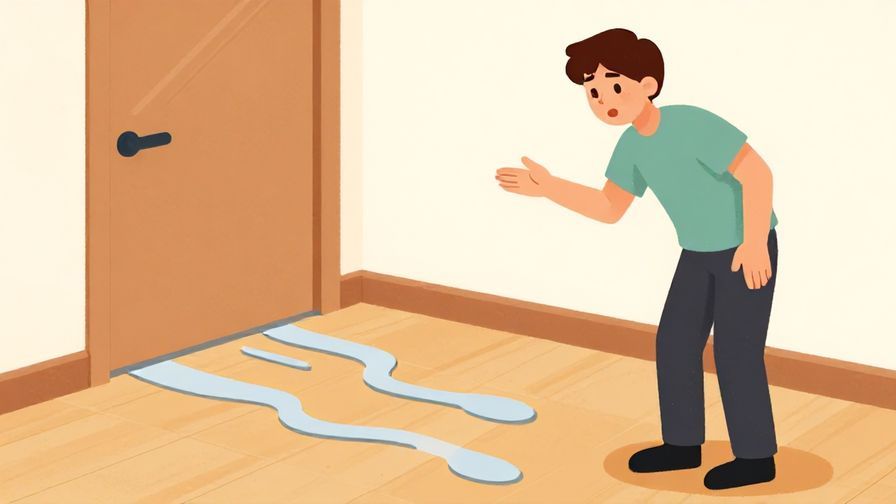
“ご注意ください” (go-chūi kudasai) is a polite way to say “Please be careful.”
It’s often used in formal warnings and announcements.
While not exactly “Don’t say I didn’t warn you,” it conveys a similar caution politely.
It’s easy to remember because “ください” (kudasai) means “please.”
Example: “滑りやすいのでご注意ください。” (Suberiyasui node go-chūi kudasai.) — “Please be careful, it’s slippery.”
Use this for respectful advice or warnings.
12. 警告を差し上げました (Keikoku o sashiagemashita) – “I issued a warning” (formal)

This phrase is a formal and respectful way to say “I issued a warning.”
“差し上げました” (sashiagemashita) is a humble, polite verb for “gave” or “offered.”
Ideal for business contexts or official documents.
It’s a step up in politeness from casual warnings.
Example: “問題点について警告を差し上げました。” (Mondaiten ni tsuite keikoku o sashiagemashita.) — “I issued a warning about the issues.”
Use it when formality is key.
13. 予めご了承ください (Arakajime go-ryōshō kudasai) – “Please be aware in advance”

“予め” (arakajime) means “in advance,” and “ご了承ください” (go-ryōshō kudasai) means “please understand.”
This polite phrase asks the listener to accept or understand something beforehand, like a warning.
It’s common in announcements and formal communication.
Use it to softly imply a warning without sounding blunt.
Example: “予めご了承ください、この商品は返品できません。” (Arakajime go-ryōshō kudasai, kono shōhin wa henpin dekimasen.) — “Please be aware in advance, this item is non-returnable.”
Great for customer service or polite notices.
14. お気をつけください (O-ki o tsuke kudasai) – “Please be careful” (polite)

“お気をつけください” (o-ki o tsuke kudasai) is a very polite way to say “Please be careful.”
It’s often used by service staff or in formal advice.
While it’s not a direct “Don’t say I didn’t warn you,” it carries the same caution.
Use it to show respect and concern simultaneously.
Example: “雨が降りますのでお気をつけください。” (Ame ga furimasu node o-ki o tsuke kudasai.) — “It’s going to rain, so please be careful.”
Perfect for polite, gentle warnings.
15. ご承知おきください (Go-shōchi oki kudasai) – “Please acknowledge/understand”

This formal phrase means “Please acknowledge” or “Please understand.”
It’s often used to preface important information or warnings.
While indirect, it’s a polite way to say “Don’t say I didn’t warn you.”
Use it in emails, announcements, or formal conversations.
Example: “本件についてご承知おきください。” (Honken ni tsuite go-shōchi oki kudasai.) — “Please be informed about this matter.”
It’s respectful and clear.
16. くれぐれもご注意ください (Kuregure mo go-chūi kudasai) – “Please be very careful”

“くれぐれも” (kuregure mo) adds emphasis, meaning “sincerely” or “very much.”
Paired with “ご注意ください” (go-chūi kudasai), it’s a polite but strong caution.
Great for emphasizing serious warnings politely.
Use it when you want to sound caring but firm.
Example: “事故にくれぐれもご注意ください。” (Jiko ni kuregure mo go-chūi kudasai.) — “Please be very careful about accidents.”
It’s a respectful way to caution someone seriously.
Part 3: Very Casual / Native-like Expressions
17. 言ったもん勝ちだよ (Itta mon gachi da yo) – “The one who said it wins”

This phrase is very casual and playful, meaning “Whoever said it first wins.”
It’s used to humorously say “Don’t say I didn’t warn you.”
“言ったもん勝ち” (itta mon gachi) literally means “said person wins.”
Great with close friends or in funny conversations.
Use it when you want to joke about having warned someone first.
A fun, native-like way to keep things light.
18. まあ、言ったけどね (Mā, itta kedo ne) – “Well, I did say it though”

This phrase is casual and slightly cheeky, meaning “Well, I did say it though.”
“まあ” (mā) is a filler like “well,” “言った” (itta) is “said,” and “けどね” (kedo ne) softens the statement.
It’s great for teasing friends after something happens.
Use it when you want to sound casual and a bit humorous.
This phrase helps you sound more like a native speaker.
Try it when you want to keep things lighthearted.
19. 知らんぷりしないでよ (Shiran puri shinaide yo) – “Don’t pretend you don’t know”

This is a casual and playful phrase meaning “Don’t pretend you don’t know.”
“知らんぷり” (shiran puri) means “pretending not to know,” and “しないでよ” (shinaide yo) means “don’t do that.”
Perfect for teasing friends who act like they weren’t warned.
It’s a fun way to say “Don’t say I didn’t warn you.”
Use it in relaxed, familiar settings.
This phrase adds personality and humor to your conversations.
20. あとで文句言わないでよ (Ato de monku iwanaide yo) – “Don’t complain later”

This phrase means “Don’t complain later,” a casual way to warn someone.
“あとで” (ato de) means “later,” “文句” (monku) means “complaint,” and “言わないでよ” (iwanaide yo) means “don’t say.”
It’s useful when you want to warn friends playfully.
Try it when you want to keep things light but clear.
This phrase helps you sound natural and conversational.
Great to use before someone makes a questionable choice.
21. 自業自得だよ (Jigō jitoku da yo) – “You reap what you sow”

This phrase means “You reap what you sow,” implying “Don’t say I didn’t warn you.”
“自業自得” (jigō jitoku) is a common idiom meaning consequences come from one’s own actions.
Use it when something predictable happens to someone.
It’s casual and often used among friends or family.
Helps you sound like a native speaker with idioms.
Use it wisely, as it can sound a bit blunt.
22. 知ってたでしょ? (Shitteta desho?) – “You knew, didn’t you?”

This phrase is a casual, confident way to say “You knew, didn’t you?”
“知ってた” (shitteta) is the past tense of “know,” and “でしょ” (desho) adds a confirming tone.
It’s perfect for teasing friends who act surprised.
Use it to sound playful and natural.
It’s short, easy to remember, and versatile.
Add this to your casual conversation toolkit!
Concluding Thought
Exploring these 22 ways to say “Don’t say I didn’t warn you” in Japanese shows just how rich and varied the language is.
From casual chats to formal warnings, there’s a perfect phrase for every occasion that helps you connect more deeply with native speakers.
Keep practicing, have fun with these expressions, and soon you’ll be warning like a pro in Japanese!