22 Japanese ways to say “Mark my words”
When you want someone to really pay attention to what you’re saying, “Mark my words” is the perfect phrase in English.
In Japanese, there are many warm, casual, and even formal ways to express this same idea, depending on the mood and context.
Whether you’re speaking with friends or in a serious situation, knowing different ways to say “Mark my words” can make your Japanese sound more natural and expressive.
This listicle is here to guide you through 22 practical, easy-to-remember Japanese expressions that all capture that sense of “trust me, this will happen” or “remember what I say.”
You’ll find pronunciation guides and little tips to help you feel confident using them in everyday conversations.
So, get ready to impress your friends and deepen your understanding of Japanese nuances with these handy phrases!
Understanding the Basics: Setting the Tone
Before diving into the list, it’s good to know that Japanese expressions vary a lot depending on formality and who you’re talking to.
Some phrases will sound very casual and friendly, while others carry a serious, sometimes even poetic weight.
Picking the right one for the right moment makes your message much stronger and clearer.
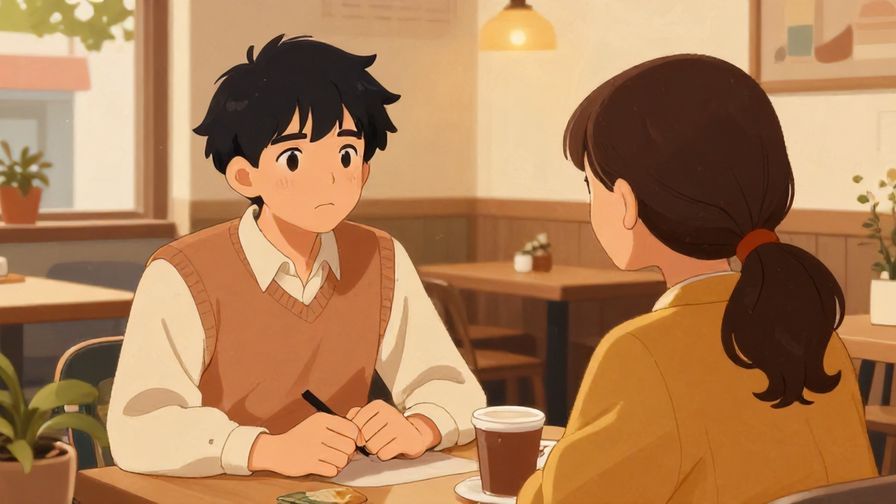
Sometimes, using a great beginner phrasebook can give you a perfect starting point for a cohesive understanding.
Ready to sound more like a native? Let’s start with some casual suggestions!
Each phrase below includes Romaji and pronunciation tips so you can say them like a pro.
Part 1: Casual Suggestions
1. 覚えておけよ (Oboete oke yo) – “Remember this, okay?”

This phrase is a straightforward, casual way to say “mark my words.”
覚えて (Oboete) means “remember,” and おけよ (Oke yo) adds a sense of “make sure to keep it in mind.” It’s like saying, “Hey, don’t forget this!”
Great for friendly warnings or serious advice among peers.
It’s impactful because the tone shows you really want the other person to take your words seriously.
You can also hear it in dramas when characters want to emphasize a promise or threat.
Try using it next time you want to sound firm but casual with friends.
2. いいか、絶対だぞ (Ii ka, zettai da zo) – “Listen, this is absolute!”

This phrase is a little stronger, emphasizing certainty.
いいか (Ii ka) means “listen” or “pay attention,” and 絶対だぞ (Zettai da zo) means “it’s absolute” or “definitely.”
It’s great for making a firm prediction or promise.
The “ぞ” ending adds a masculine, casual emphasis, so it’s often used by men.
Be careful with tone — it can sound too strong if used with someone unfamiliar.
Use it when you want to say, “Trust me, this will 100% happen.”
3. 見ておけよ (Mite oke yo) – “Watch and remember.”

Literally “watch and keep it in mind,” this phrase is playful but assertive.
見て (Mite) means “watch,” and おけよ (Oke yo) is the same casual imperative as before.
Use this when you want someone to literally observe and remember what you’re saying or doing.
It’s often used before showing off a skill or making a bold move.
It’s fun to say and adds a bit of swagger to your speech.
Perfect for casual conversations with close friends.
4. 約束しとけよ (Yakusoku shitoke yo) – “Promise me, okay?”

約束 (Yakusoku) means “promise,” and しとけよ (Shitoke yo) is a casual way to say “make sure to do.”
This phrase is less about a threat and more about sincere commitment.
When you want your words to carry weight because they’re backed by a promise, this phrase works well.
Use it to make sure the other person takes your advice or prediction seriously.
It’s a friendly but firm way to say, “Remember this, it’s important.”
Often used among friends or teammates.
5. 絶対覚えとけ (Zettai oboetoke) – “Absolutely remember this.”

絶対 (Zettai) means “absolutely” or “definitely,” and 覚えとけ (Oboetoke) is a casual command to “remember.”
This phrase packs a punch and leaves no room for doubt.
Use it when you want to emphasize that what you’re saying is crucial to remember.
It’s very casual, so best for peers or younger people.
Great for passionate conversations or dramatic moments.
Remember, the “とけ” ending is a contraction of “ておけ,” which adds urgency.
6. 忘れるなよ (Wasureru na yo) – “Don’t forget this.”

This is a simple but effective way to say “mark my words.”
忘れるな (Wasureru na) means “don’t forget,” and the “よ” adds a friendly but firm tone.
You can use this anytime you want to make sure your words stick.
It’s direct without being too harsh.
A great phrase for reminders or important advice.
Easy to remember and very common in daily speech.
7. 今言ったこと、覚えとけ (Ima itta koto, oboetoke) – “Remember what I just said.”

This phrase literally tells someone to remember what you just said.
今言ったこと (Ima itta koto) means “what I just said,” and 覚えとけ (Oboetoke) is “remember.”
It’s casual and very practical.
Perfect for conversations where you want to highlight your earlier point.
It’s a natural way to emphasize your words without sounding too formal.
Try it out when you want attention on your immediate message.
8. 覚えてろよ (Oboetero yo) – “Keep this in mind.”

覚えてろ (Oboetero) is another casual imperative meaning “keep remembering.”
It’s similar to 覚えておけ but a bit more direct.
この言葉 (kono kotoba) “this word” is often implied, making it a strong way to say “mark my words.”
Use it with friends in situations where you want your words to resonate.
It’s informal and can sound tough, so it’s best among close peers.
Great for playful but serious moments.
Part 2: Polite & Formal Suggestions
9. ご注目ください (Go-chūmoku kudasai) – “Please pay attention.”

This is a polite and formal way to ask someone to pay attention to your words.
ご注目 (Go-chūmoku) means “attention,” and ください (kudasai) is the polite “please.”
Perfect for speeches or presentations.
It’s not a direct “mark my words,” but it sets the tone for important information.
Use this phrase to respectfully urge listeners to remember what you say.
A great phrase to practice for formal settings or business situations.
10. 必ず覚えておいてください (Kanarazu oboete oite kudasai) – “Please be sure to remember this.”

必ず (Kanarazu) means “without fail,” and 覚えておいてください (oboete oite kudasai) is polite for “please remember.”
It’s a respectful way to say “mark my words” in formal contexts.
Common in business or official announcements.
It sounds trustworthy and serious, perfect for important instructions.
When you want to sound polite but firm, this is your go-to phrase.
Try using it in emails or meetings to show professionalism.
11. 私の言葉を忘れないでください (Watashi no kotoba o wasurenaide kudasai) – “Please don’t forget my words.”

This phrase directly says “don’t forget my words” politely.
私の言葉 (Watashi no kotoba) means “my words,” and 忘れないでください is “please don’t forget.”
It’s formal and heartfelt, suitable for serious conversations.
Use this when you want to leave a lasting impression in a respectful way.
It’s a little longer and more formal, so best for important moments.
Works well in speeches, letters, or deep discussions.
12. お忘れなきように (Owasure naki you ni) – “So that you won’t forget.”
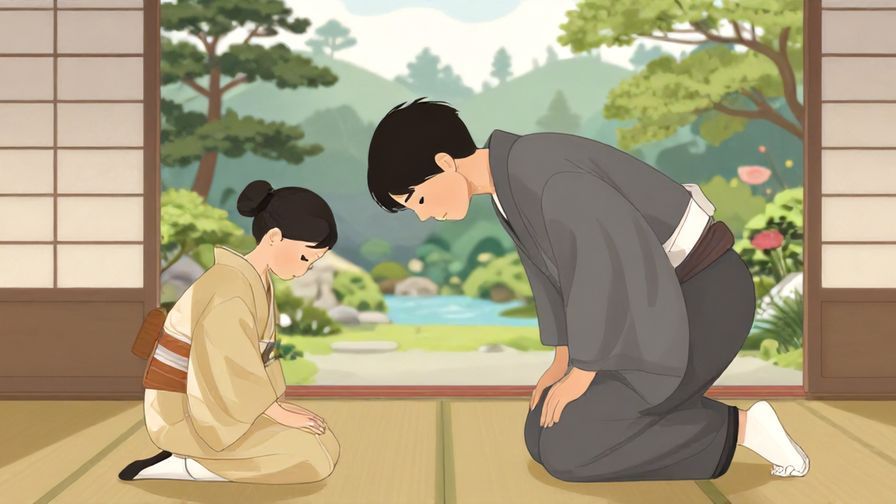
This refined phrase is often used in formal or written Japanese.
お忘れなきように (Owasure naki you ni) literally means “so that you won’t forget.”
It’s often seen in formal requests or announcements.
Use it to politely emphasize the importance of remembering something.
It’s elegant and less direct but carries strong weight.
Perfect for letters, official notices, or ceremonial speech.
13. お言葉をよくお聞きください (O-kotoba o yoku okiki kudasai) – “Please listen carefully to my words.”

This is a polite way to ask someone to pay close attention to what you’re about to say.
お言葉 (O-kotoba) means “words,” and よくお聞きください (yoku okiki kudasai) is “please listen carefully.”
It’s formal and respectful, good for speeches or important conversations.
While not “mark my words” exactly, it sets the stage for memorable statements.
Use it when you want to sound both polite and serious.
Perfect for formal occasions or professional talks.
14. 忘れられないように (Wasurerarenai you ni) – “So you won’t forget.”

This phrase is about making sure something won’t be forgotten.
忘れられない (Wasurerarenai) means “can’t be forgotten,” and ように (you ni) means “so that.”
Good for polite reminders or sincere requests.
It has a gentle, almost poetic nuance.
Use it when you want to sound caring but serious.
Often found in letters or heartfelt conversations.
15. 心に留めておいてください (Kokoro ni tomete oite kudasai) – “Please keep this in your heart.”
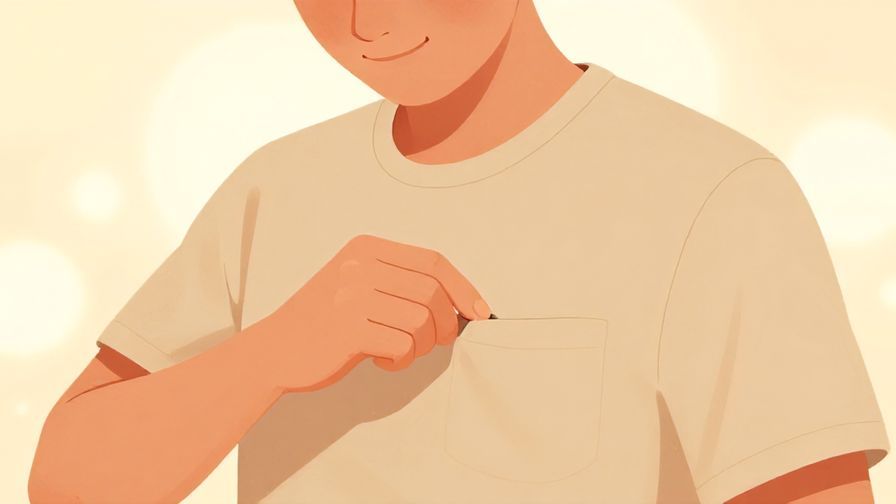
This beautiful phrase means “keep this in your heart,” a poetic way to say “remember.”
心に留めておいて (Kokoro ni tomete oite) means “keep in your heart,” and ください (kudasai) adds politeness.
It’s often used in formal or emotional contexts.
Great for expressing sincere hopes or warnings.
Use it when you want to connect emotionally with your listener.
It’s memorable and touching.
16. どうか覚えておいてください (Douka oboete oite kudasai) – “Please, I beg you to remember.”

Adding どうか (douka) makes the phrase more pleading and heartfelt.
This polite expression asks someone sincerely to remember your words.
It’s perfect for emotional or important requests.
Use it when you want to sound humble but serious.
Great for formal letters or meaningful conversations.
It shows you really care about being remembered.
Part 3: Very Casual / Native-like Expressions
17. それな (Sore na) – “Exactly that.”

While not a direct translation, それな (Sore na) is a casual way to strongly agree or emphasize something said.
It’s widely used among young people to say, “You bet,” or “Mark my words” in a casual tone.
Use it in casual chats when you want to back your statement confidently.
It’s short, snappy, and very native sounding.
Be aware it’s very informal and should be avoided in formal settings.
Perfect for casual conversations or social media.
18. ちゃんと覚えとけよ (Chanto oboetoke yo) – “Make sure you remember properly.”

Adding ちゃんと (chanto) means “properly” or “correctly.”
This phrase ups the emphasis on remembering well.
It’s casual, a little cheeky, and sounds very natural.
Great for teasing friends while still making a serious point.
Use it when you want to mix friendliness with a firm reminder.
It’s very common in everyday speech.
19. 覚えとけってば (Oboetokette ba) – “I’m telling you, remember!”

The ってば (tte ba) ending adds a playful, slightly impatient tone.
This phrase is casual and often used when you feel the other person isn’t listening enough.
It’s common among close friends or siblings.
Use it to sound native and casual with a little attitude.
It’s like saying, “Seriously, don’t forget this!”
Perfect for lighthearted but firm reminders.
20. 見とけよ (Mitoke yo) – “Watch this, remember it.”

Very similar to 見ておけよ but even shorter and punchier.
Use it when you want to show off or make a bold statement.
It’s casual, often used before doing something impressive.
Great for friends or informal groups.
It’s almost like saying, “See this? Don’t forget!”
Use it to add swagger to your speech.
21. まかせとけ (Makase toke) – “Leave it to me, I’ve got this.”

While not “mark my words” literally, it’s an expression showing confidence that what you say will happen.
まかせとけ (Makase toke) means “leave it to me.”
It implies your words and promises are trustworthy.
Use it when you want to show you’re reliable and serious.
It’s casual but strong and very natural.
Perfect for reassuring friends or teammates.
22. 覚えとけよ、絶対だ (Oboetoke yo, zettai da) – “Remember this, absolutely.”

This phrase combines strong commands and certainty.
It’s casual, confident, and leaves no doubt you want your words remembered.
Great for dramatic moments or when making serious statements.
Use it to sound like a native with strong conviction.
It’s memorable and impactful.
Perfect for closing a conversation with authority.
Concluding Thought
Exploring these 22 Japanese ways to say “Mark my words” shows just how rich and varied the language is.
From casual slang to formal expressions, you can tailor your message precisely to fit your mood and audience.
Keep practicing these phrases, and you’ll find your Japanese sounding warmer, stronger, and more natural every day. Mark my words — you’ve got this!