22 Japanese ways to say “Vengeance is mine”
Sometimes, you need to express a powerful idea in just a few words. “Vengeance is mine” is one of those phrases that carries weight and intensity, and Japanese has many ways to say it, each with its unique flavor.
Whether you want to sound dramatic, poetic, or just casually ominous, Japanese offers a rich palette of expressions. This listicle will walk you through 22 ways to say “Vengeance is mine” in Japanese, complete with pronunciation guides and nuances.
Learning these phrases is not only fun but also a great way to deepen your understanding of Japanese culture and language. Plus, you’ll get to impress your friends with some fierce expressions!
We’ll cover casual phrases, polite/formal ones, and some very native-like expressions to suit every mood and context. Ready? Let’s dive into the world of Japanese vengeance!
Exploring expressions like these also helps you get a feel for sentence structure and vocabulary that you can use in other situations. It’s a win-win!
By the end, you’ll have a solid grasp of how to communicate this intense sentiment in style. Let’s get started!
Understanding the Context of “Vengeance is Mine” in Japanese
Before jumping into the phrases, it’s good to know that Japanese often expresses ideas like vengeance with subtlety, sometimes implying the emotion rather than stating it bluntly.
Many expressions use classical or poetic words, while others are straightforward and modern. This mix makes learning both challenging and rewarding.
Knowing when and how to use each phrase can help you sound more natural and appropriate in conversation or writing.

If you want to explore more about Japanese expressions of strong emotions, a phrasebook full of idioms might be the perfect next step.
Starting here will give you confidence to use these phrases naturally.
And remember, practice makes perfect!
Part 1: Casual Suggestions
1. 復讐は俺のものだ (Fukushū wa ore no mono da) – “Vengeance is mine.”

This phrase is a direct and casual way to say “Vengeance is mine.”
Here, “復讐 (Fukushū / foo-koo-shoo)” means “revenge” or “vengeance,” “俺 (ore / oh-reh)” is an informal “I” used by men, and “ものだ (mono da / mo-no da)” means “is mine.”
It’s straightforward and perfect when you want to sound serious but informal.
Use it among friends or in casual storytelling.
Keep in mind that “俺” is masculine and casual, so it’s not appropriate for formal settings or polite conversation.
It’s a great phrase to start with because it uses common words but still sounds powerful.
2. 復讐は私のものです (Fukushū wa watashi no mono desu) – “Vengeance is mine.” (polite)

This is the polite version, suitable for formal or respectful contexts.
“私 (watashi / wah-tah-shee)” is a polite way to say “I,” and “です (desu / dess)” adds politeness.
It keeps the same meaning but sounds more refined.
Perfect for speeches or serious conversations with strangers.
Remember not to use “俺” here to keep it formal and respectful.
Using this phrase helps you stay polite while expressing strong intent.
3. 復讐は私の手にある (Fukushū wa watashi no te ni aru) – “Vengeance is in my hands.”

This phrase shifts from “mine” to “in my hands,” implying control over vengeance.
“手 (te / teh)” means “hand,” and “ある (aru / ah-roo)” means “exists” or “is.”
It’s a poetic way to express ownership or responsibility for vengeance.
Great for dramatic storytelling or writing.
This phrase adds a layer of metaphor, which sounds more literary.
It’s useful to practice imagery in Japanese expressions.
4. 復讐は俺がやる (Fukushū wa ore ga yaru) – “I will take revenge.”

This phrase is more active and casual, meaning “I will take revenge.”
“やる (yaru / yah-roo)” means “to do,” and “俺 (ore / oh-reh)” again is informal “I.”
It’s commonly used in everyday speech among men.
Use it when you want to express your intent clearly and directly.
It’s less about ownership and more about action.
Great for movies, anime, or casual conversation.
5. 復讐は私がする (Fukushū wa watashi ga suru) – “I will take revenge.” (polite)

The polite equivalent of the previous phrase.
“する (suru / soo-roo)” means “to do,” and “私 (watashi)” is polite “I.”
It’s good for formal situations or when you want to sound respectful but determined.
Use it in writing or speech where politeness is needed.
It’s a solid phrase to show resolve without sounding aggressive.
Practice this to get comfortable with polite verb forms.
6. 復讐は我にあり (Fukushū wa ware ni ari) – “Vengeance belongs to me.” (classical)

This is a classical, more poetic way to say “Vengeance is mine.”
“我 (ware / wah-reh)” is an old-fashioned “I,” and “あり (ari / ah-ree)” is classical “exists.”
You’ll find this in literature, samurai dramas, or historical tales.
It sounds noble and serious.
Use it if you want to sound dramatic or literary.
It’s a great phrase to study classical Japanese.
7. 復讐は我が手にあり (Fukushū wa waga te ni ari) – “Vengeance is in my hands.” (poetic)

This is a poetic take on “Vengeance is mine,” emphasizing control.
“我が (waga / wah-gah)” means “my,” “手 (te)” is “hand,” and “あり (ari)” means “exists.”
It’s elegant and often found in poetry or high drama.
Perfect for creative writing or theatrical speech.
It feels noble and intentional.
Try this phrase to practice classical nuances.
8. 復讐は俺の手中にある (Fukushū wa ore no shuchū ni aru) – “Vengeance is in my grasp.”

This phrase gives the feeling of having vengeance tightly under control.
“手中 (shuchū / shoo-choo)” means “in the palm of one’s hand” or “grasp.”
It’s a bit more vivid and visual.
Good for dramatic statements or intense scenes.
Using this phrase shows a firm hold over one’s revenge.
It’s a cool way to practice advanced vocabulary.
Part 2: Polite & Formal Suggestions
9. 復讐は神のものです (Fukushū wa kami no mono desu) – “Vengeance belongs to God.”

This phrase reflects the idea that vengeance is ultimately up to a higher power.
“神 (kami / kah-mee)” means “god” or “divine being.”
It’s polite and humble, often used to express letting go of personal revenge.
Great for religious or philosophical discussions.
It can soften the harshness of vengeance with a spiritual tone.
Use this phrase to express patience and faith.
10. 復讐は私の義務です (Fukushū wa watashi no gimu desu) – “Vengeance is my duty.”
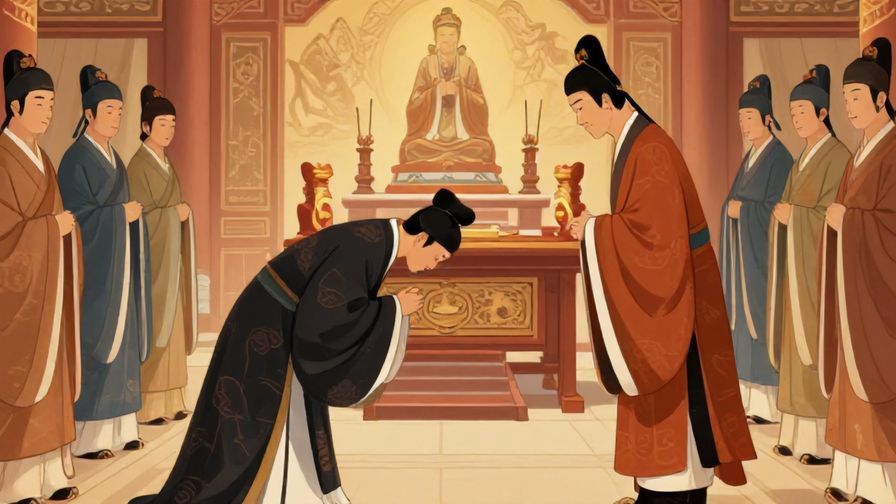
This phrase formalizes vengeance as an obligation or duty.
“義務 (gimu / gee-moo)” means “duty” or “obligation.”
It’s polite and serious.
Perfect for formal speeches or historical contexts.
It adds a sense of responsibility and honor to vengeance.
Practice this to sound respectful and resolute.
11. 復讐は時の裁きに委ねます (Fukushū wa toki no sabaki ni yudane masu) – “I leave vengeance to the judgment of time.”
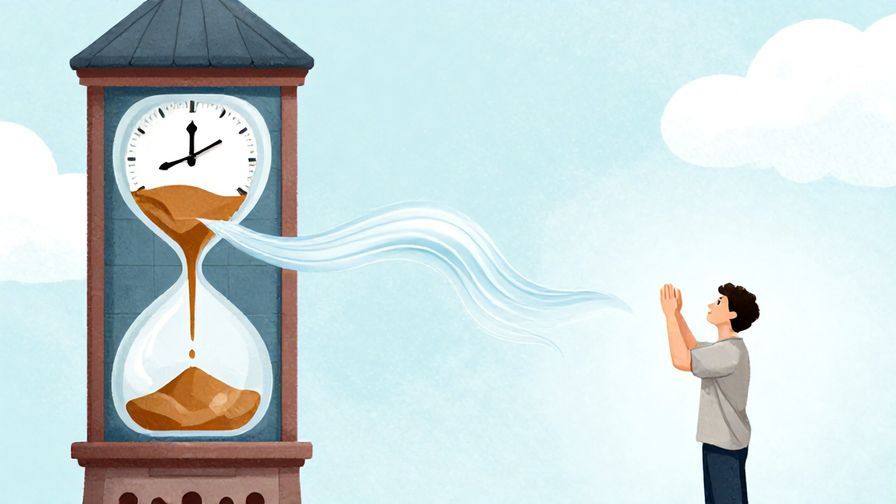
A poetic and formal way to say you trust time to handle vengeance.
“時の裁き (toki no sabaki)” means “judgment of time.”
“委ねます (yudane masu)” means “to entrust.”
It expresses patience and wisdom.
Use it to sound thoughtful and calm.
This phrase is great for formal writing or speeches.
12. 復讐は裁判の仕事です (Fukushū wa saiban no shigoto desu) – “Vengeance is the job of the court.”

This phrase states that vengeance belongs to legal justice, not individuals.
“裁判 (saiban / sigh-bahn)” means “trial” or “court,” and “仕事 (shigoto)” means “job.”
It’s formal and legalistic.
Good for discussing justice systems or debates.
It promotes the idea of leaving revenge to law and order.
Try this phrase to sound professional and rational.
13. 復讐は私の責任です (Fukushū wa watashi no sekinin desu) – “Vengeance is my responsibility.”
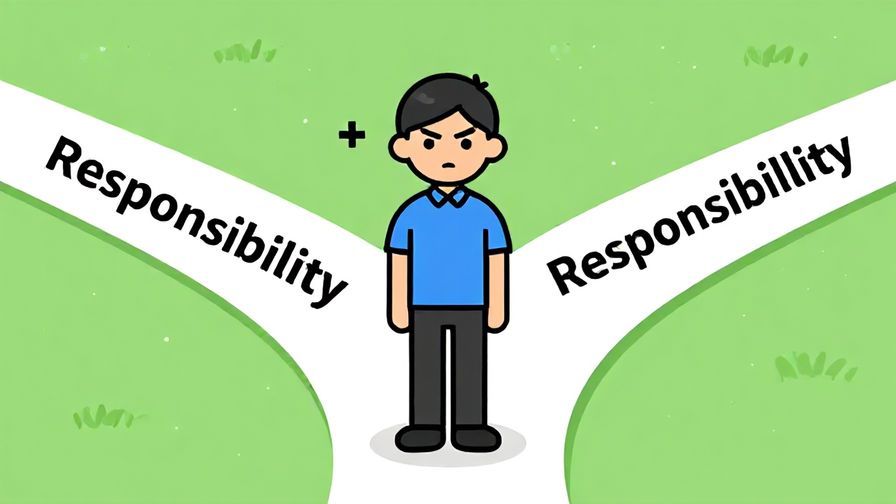
A formal and serious phrase emphasizing personal responsibility.
“責任 (sekinin / seh-kee-neen)” means “responsibility.”
It’s polite and shows commitment.
Use it when you want to express ownership politely.
This phrase balances seriousness with respect.
Great for professional or formal conversations.
14. 復讐は天に委ねる (Fukushū wa ten ni yudaneru) – “I entrust vengeance to heaven.”

A poetic, formal phrase expressing surrender to fate or divine justice.
“天 (ten / tehn)” means “heaven,” and “委ねる (yudaneru)” means “to entrust.”
It’s humble and spiritual.
Use it to soften the harshness of vengeance.
Perfect for reflective or religious contexts.
Practice this phrase to sound graceful and wise.
15. 復讐は私の権利ではありません (Fukushū wa watashi no kenri dewa arimasen) – “Vengeance is not my right.”

This formal phrase denies personal entitlement to revenge.
“権利 (kenri / ken-ree)” means “right.”
It’s polite and emphasizes restraint.
Good for discussions about justice and morality.
It shows maturity and self-restraint.
Use it when you want to sound wise and calm.
16. 復讐は私の心にはありません (Fukushū wa watashi no kokoro ni wa arimasen) – “Vengeance is not in my heart.”

This polite phrase expresses forgiveness or letting go.
“心 (kokoro / koh-koh-roh)” means “heart” or “mind.”
It’s gentle and humble.
Use it to soften emotional tension.
Perfect for calming conversations.
Great for practicing emotional expression in Japanese.
Part 3: Very Casual / Native-like Expressions
17. 復讐は俺のもんだぜ (Fukushū wa ore no mon da ze) – “Vengeance is totally mine.”

This is a very casual, masculine phrase with a bit of swagger.
“もんだぜ (mon da ze)” adds emphasis like “totally” or “definitely.”
Use it with close friends or in casual settings.
It sounds cool but may come off as rough.
Great for practicing natural slang.
Use with caution outside informal circles.
18. 復讐は俺の手中だ (Fukushū wa ore no shuchū da) – “Vengeance is in my grasp.” (casual)

A casual version of “in my grasp,” showing confidence.
“だ (da)” is the casual copula.
It’s punchy and direct.
Use it to sound assertive.
Great for action scenes or casual boasting.
Practice this for native-like confidence.
19. 復讐は俺のものだよ (Fukushū wa ore no mono da yo) – “Vengeance is mine, you know.”

A casual phrase with a softening “よ (yo),” adding a conversational nuance.
It sounds confident but approachable.
Perfect for friendly threats or teasing.
Helps practice natural sentence endings.
Use it for casual dialogue.
It’s a versatile and fun phrase.
20. 復讐は俺の胸の中にある (Fukushū wa ore no mune no naka ni aru) – “Vengeance is in my heart.”

This phrase expresses that vengeance is deeply personal.
“胸の中 (mune no naka / moo-neh no nah-kah)” means “inside the chest/heart.”
It’s emotional and casual.
Good for heartfelt declarations.
Practice this to express deep feelings.
It’s a vivid and relatable phrase.
21. 復讐は俺のものってば (Fukushū wa ore no mono tte ba) – “I’m telling you, vengeance is mine.”
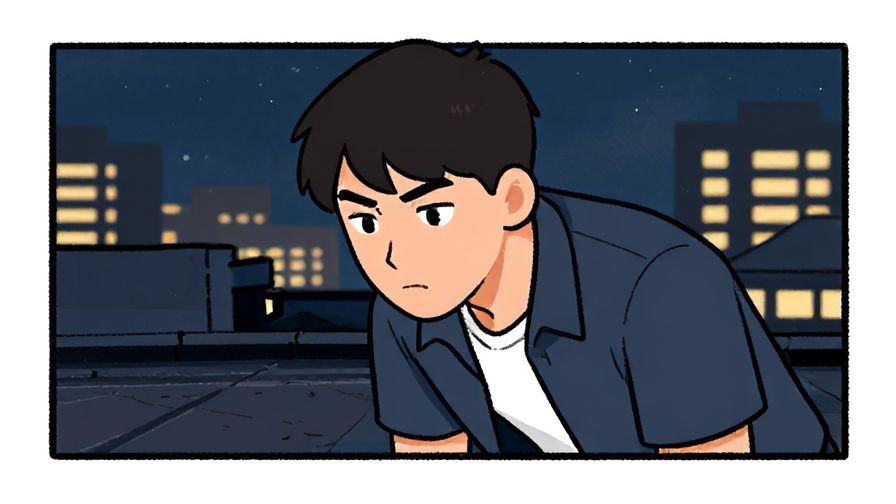
This adds emphasis with “ってば (tte ba),” a casual way to stress your point.
It’s familiar and slightly playful.
Great for heated conversations.
Shows natural speech patterns.
Use it to practice colloquial emphasis.
It’s energetic and expressive.
22. 復讐は俺に任せろ (Fukushū wa ore ni makasero) – “Leave vengeance to me.”

This phrase is casual and commanding.
“任せろ (makasero)” is an imperative form meaning “leave it to me.”
It’s perfect for asserting control.
Use it to sound bold and decisive.
Great for action-packed contexts.
Practice this to master commanding phrases.
Concluding Thought
Exploring these 22 ways to say “Vengeance is mine” in Japanese shows just how rich and nuanced the language can be when expressing strong emotions.
From casual to formal, poetic to native-like, each phrase offers a new way to connect with Japanese culture and language.
Keep practicing these expressions, and you’ll not only sound more natural but also gain insight into the depth of Japanese communication. Go ahead and make vengeance your linguistic strength!