22 Japanese ways to say “Tit for tat”
Ever found yourself in one of those classic “tit for tat” situations, where you give a little back exactly what you got? It’s a universal concept, but how do you say it in Japanese?
Japanese offers a beautiful range of expressions to capture this idea, from polite to casual, formal to native-like. Each phrase has its own flavor and context, making it fun and rewarding to learn.
Whether you’re having a friendly chat, negotiating a deal, or just trying to sound natural, knowing these will help you express the “give and take” perfectly.
In this list, we’ll explore 22 Japanese ways to say “tit for tat” — complete with transliterations and pronunciation guides — so you can use them confidently in your conversations.
We’ll also share useful tips and examples to help you remember and apply them easily. Ready to dive in and add some nuance to your Japanese?
Let’s get started and turn “tit for tat” into a colorful part of your language toolkit!
Understanding “Tit for Tat” in Japanese
The idea of “tit for tat” is about reciprocity—giving back what you received, whether good or bad.
In Japanese, this can be expressed in many ways depending on the tone, politeness, and context. Some phrases emphasize fairness, others highlight the exactness of exchange, and some even carry a playful or serious nuance.
Exploring these expressions is a great way to deepen your understanding of Japanese culture and communication styles.

Sometimes, a solid idioms and phrases guide can open your eyes to these subtle differences and deepen your learning experience.
Let’s explore some of the most common and useful expressions you can start using right away.
Ready to match word for word? Here we go!
Part 1: Casual Suggestions
1. 仕返し (Shikaeshi) – “Retaliation” or “Payback”
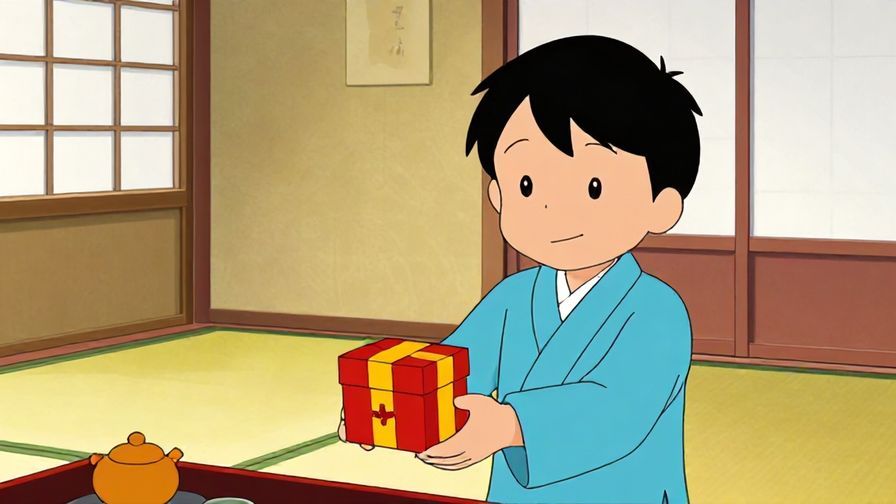
This word literally means “payback” or “retaliation,” capturing the core of tit for tat.
It’s a straightforward term used when someone wants to get even, often in a slightly serious or playful tone depending on context.
Using 仕返し can be a quick way to convey the idea of responding in kind.
It’s clear and to the point, making it easy to remember.
Related expressions like 仕返しをする (shikaeshi o suru) mean “to pay back” or “to retaliate.”
Perfect for when you want to say, “I’m giving you exactly what you gave me.”
2. 報復 (Houfuku) – “Reprisal” or “Retaliation”

報復 is a more formal word for “reprisal” or “retaliation.”
It’s often used in serious contexts, like discussions about justice or conflicts.
It’s less casual but very precise.
Be careful: it’s not for light or playful use.
For example, 報復する (houfuku suru) means “to retaliate.”
Use this when you want to speak formally about tit for tat in a more serious situation.
3. 互角 (Gokaku) – “Equal footing”

互角 means “equal” or “even match.”
It’s often used to describe situations where both sides are balanced, perfect for tit for tat in a competitive or fair sense.
It highlights fairness more than retaliation.
Easy to remember if you think “互” means mutual and “角” means angle or point, together meaning “equal parts.”
Use 互角に戦う (gokaku ni tatakau) to say “to fight on equal terms.”
Great for friendly rivalries or balanced exchanges.
4. お返し (Okaeshi) – “Return favor”

お返し means “returning a favor” or “giving back.”
It’s polite and commonly used in everyday life when returning kindness or gifts.
This phrase fits nicely for positive tit for tat moments.
Remember, お (o) is an honorific prefix, and 返し (kaeshi) means “return.”
Use it when you want to say “I want to repay your kindness.”
It’s warm and friendly, perfect for social interactions.
5. 同じ穴の狢 (Onaji ana no mujina) – “Birds of a feather” (literally “badgers from the same hole”)

This idiom literally means “badgers from the same hole,” used to express people who act similarly, often in a tit for tat way.
It’s playful and slightly humorous.
Great mnemonic: imagine two mischievous badgers sharing the same burrow, matching each other’s moves.
Use it when you want to say “you’re just like me” or “we’re even.”
It’s a bit informal and fun.
Perfect for lighthearted tit for tat moments.
6. 因果応報 (Inga ouhou) – “Cause and effect” / “What goes around comes around”
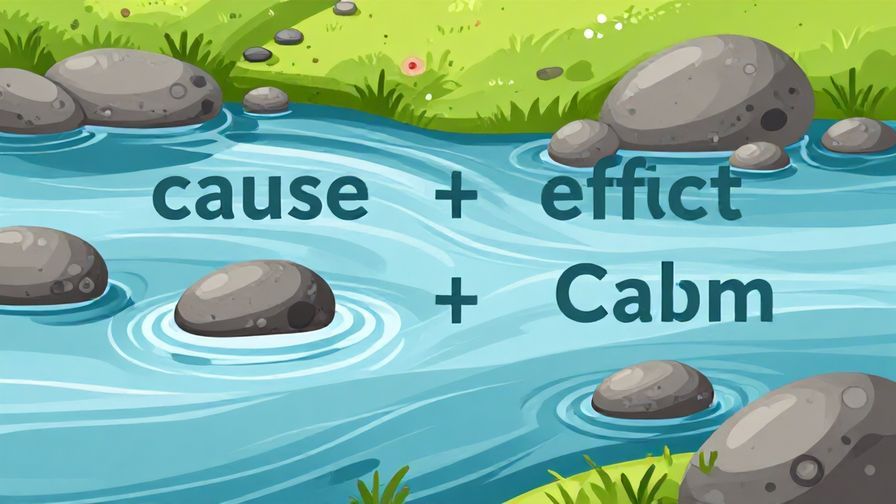
This phrase expresses the idea that actions have consequences—perfect for tit for tat.
It carries a moral or karmic tone, often used in more philosophical conversations.
因果 (inga) means cause and effect, 応報 (ouhou) means retribution.
It’s a great phrase to remember the fairness of reciprocal actions.
Use it when discussing justice or natural consequences.
It’s a classic that adds depth to your language.
7. 返報 (Henpou) – “Reciprocation” or “Return”

返報 means “to reciprocate” or “return in kind.”
It’s a formal word but clear and precise.
Think of it as the act of giving back exactly what was received.
Use 返報する (henpou suru) to say “to reciprocate.”
Good for polite but direct tit for tat expressions.
Easy to remember for formal writing or speech.
8. 仕打ち (Shiuchi) – “Treatment” or “Reprisal”

仕打ち refers to how someone is treated, often in a negative or retaliatory way.
It fits tit for tat in contexts involving negative payback.
Use it carefully as it has a slightly harsh tone.
仕打ちする (shiuchi suru) means “to treat someone (especially badly).”
Great for describing actions taken in response to unfairness.
It adds emotional weight to your expression.
Part 2: Polite & Formal Suggestions
9. 報い (Mukui) – “Reward” or “Retribution”

報い means “reward” or “retribution,” focusing on justice and fairness.
It’s formal and often used in written or serious spoken contexts.
Use it to highlight that actions have consequences.
For example, 悪いことには悪い報いがある (warui koto ni wa warui mukui ga aru) means “bad things get bad consequences.”
Perfect for formal conversations about tit for tat.
It sounds refined and thoughtful.
10. 応酬 (Oushuu) – “Exchange” or “Reciprocation”

応酬 means “exchange” or “reciprocation,” often used in business or formal settings.
It conveys the idea of giving back in kind during negotiations or discussions.
Use it to describe balanced responses or exchanges.
応酬する (oushuu suru) means “to reciprocate or respond in kind.”
This is a professional way to talk about tit for tat.
Good for polite and neutral contexts.
11. 返礼 (Henrei) – “Return courtesy”
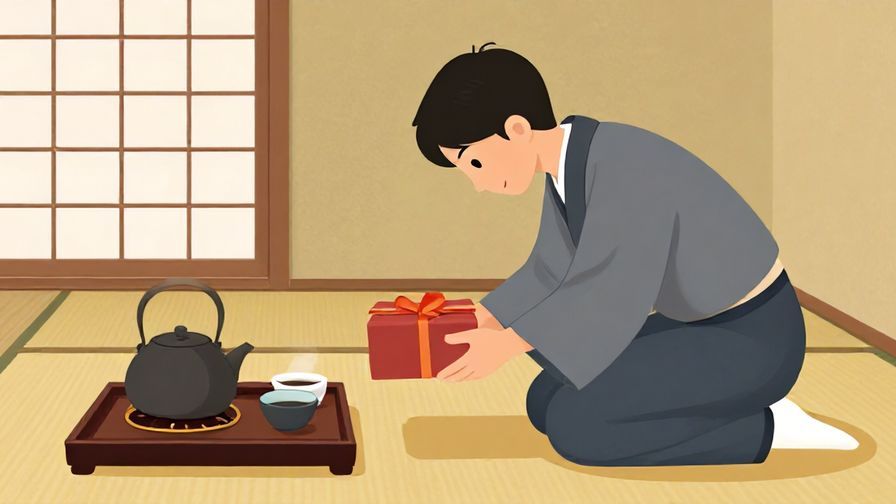
返礼 is a polite expression meaning “returning a courtesy” or “thank-you gift.”
It’s often used in formal social exchanges, like gifts or favors.
Use it to express gratitude and reciprocation politely.
It’s a great phrase when you want to sound respectful and warm.
Perfect for formal letters or conversations.
It enriches your polite Japanese vocabulary.
12. 報恩 (Hōon) – “Repaying kindness”

報恩 means “repaying kindness” and is used in formal or literary contexts.
It emphasizes gratitude and the moral obligation to return kindness.
Use it in thoughtful or serious situations.
It’s a lovely way to express tit for tat with a positive heart.
Great for speeches, letters, or reflections.
It connects language with deep cultural values.
13. 相互 (Sougo) – “Mutual” or “Reciprocal”

相互 simply means “mutual” or “reciprocal.”
It’s a neutral, polite word used in business, friendships, or any two-way relationship.
Use it when you want to emphasize balanced give-and-take.
相互理解 (sougo rikai) means “mutual understanding.”
Great for formal and informal contexts alike.
It’s easy to combine with other words to express tit for tat.
14. 返答 (Hentou) – “Reply” or “Response”

返答 means “reply” or “response,” focusing on giving back an answer.
While not exactly tit for tat, it’s useful when referring to responding in kind, especially in communication.
Use 返答する (hentou suru) to say “to respond.”
It’s polite and versatile.
Perfect for formal emails or conversations.
It highlights the idea of balanced exchange.
15. 相殺 (Sousai) – “Offset” or “Cancel out”

相殺 means “to offset” or “cancel out,” fitting tit for tat when actions balance each other.
It’s used in financial or logical discussions.
Use it when talking about balancing debts or actions.
It’s a precise way to express equal give and take.
Great for formal or business Japanese.
Helps you sound sharp and professional.
16. 報復措置 (Houfuku sochi) – “Retaliatory measures”

報復措置 means “retaliatory measures,” used in politics or serious contexts.
It’s very formal and strong.
Use it when discussing tit for tat in official or legal terms.
It conveys planned, calculated response.
Good for news, debates, or academic discussions.
Not for casual conversation.
Part 3: Very Casual / Native-like Expressions
17. やり返す (Yarikaesu) – “Hit back” / “Get even”

やり返す is a casual and very common way to say “to hit back” or “get even.”
It’s used widely in everyday conversations and sounds natural.
Breaking it down: やる (yaru) means “to do,” and 返す (kaesu) means “to return.”
Use it whenever you want to say “I’ll get you back!”
It’s a go-to phrase for tit for tat in casual speech.
Easy to remember and fun to use.
18. 同じことをする (Onaji koto o suru) – “Do the same thing”

This phrase literally means “do the same thing.”
It’s straightforward and perfect for tit for tat when you want to say you’ll do exactly what someone did.
Super easy to use and understand.
Great when you don’t want to sound too formal.
Practice by pairing it with examples like “悪いことをしたら、同じことをする” (if you do something bad, I’ll do the same).
It’s an everyday phrase with clear meaning.
19. 仕返しする (Shikaeshi suru) – “To get revenge”

仕返しする is the verb form meaning “to get revenge” or “to retaliate.”
It’s casual but can sound a bit strong depending on tone.
Good for expressing tit for tat with a bit of attitude.
Use it carefully so it doesn’t sound too aggressive.
It’s commonly used in dramas and everyday talk.
Perfect for when you want to sound native and playful.
20. やり返り (Yarikaeri) – “Return action”

やり返り is a casual noun form meaning “returning an action.”
It’s less common but very natural in conversation.
Use it to describe tit for tat in a friendly or lighthearted way.
It’s easy to pair with verbs like する (to do).
Good for storytelling or casual chats.
Try it out to sound more native-like.
21. 報い合う (Mukai au) – “Mutual payback”

報い合う means “to repay each other” or “mutual payback.”
It’s a friendly, somewhat poetic way to say tit for tat.
Use it in warm, positive contexts.
It’s composed of 報い (mukui) meaning “reward” and 合う (au) meaning “each other.”
Great for showing balanced kindness or reciprocation.
Perfect for heartfelt conversations.
22. 仕返し合戦 (Shikaeshi gassen) – “Tit for tat battle”

仕返し合戦 literally means “tit for tat battle.”
It’s playful and used to describe ongoing back-and-forth paybacks.
合戦 (gassen) means “battle,” adding a fun, competitive edge.
Use it to describe fun or heated exchanges.
It’s perfect for informal storytelling or joking.
It captures the spirit of tit for tat perfectly in casual talk.
Concluding Thought
Exploring these 22 Japanese expressions for “tit for tat” shows how rich and nuanced this simple idea can be.
From casual banter to formal discussions, Japanese lets you express reciprocity in many shades and tones.
So go ahead, practice these phrases, and watch your conversations come alive with authenticity and cultural depth!