22 Japanese ways to say “An eye for an eye”
Looking to explore the Japanese way of saying “An eye for an eye”? You’re in the right place!
We’ll dive into 22 expressions that capture this idea in various tones and contexts.
From formal phrases rooted in tradition to casual, native-like expressions, this list has it all.
Understanding these will not only boost your Japanese but also give you insight into cultural nuances about justice, balance, and reciprocity.
Plus, learning such phrases is a fun way to deepen your language skills and impress your friends.
Ready to get started? Let’s explore these powerful and intriguing Japanese sayings together!
Understanding “An Eye for an Eye” in Japanese Culture
Before we jump in, it’s good to know that Japanese often express ideas about justice and retaliation with nuance and context.
Direct translations might feel harsh or uncommon, so multiple expressions capture the spirit differently, depending on the situation.
Some lean toward literal justice, others hint at karmic balance or mutual consequence.

For a reliable grasp, a Japanese idioms phrasebook is a fantastic resource.
It helps you see how these expressions fit naturally in conversation and writing.
Also, keep in mind that tone and context can change the impact of these phrases dramatically.
Part 1: Casual Suggestions
1. 目には目を、歯には歯を (Me ni wa me o, ha ni wa ha o) – “An eye for an eye, a tooth for a tooth.”

This is the most direct and literal way to say “An eye for an eye” in Japanese.
It literally means “An eye for an eye, a tooth for a tooth.” Each part breaks down as 目 (me, “eye”), 歯 (ha, “tooth”), and the phrase repeats the concept for balance.
A simple mnemonic: remember it as “eye” and “tooth” paired, symbolizing equal retaliation.
Use this phrase when you want to emphasize strict justice or fairness.
It’s often cited in literature or discussions about laws and fairness.
Perfect for learners wanting a strong foundation in classic expressions.
2. 仇を討つ (Kataki o utsu) – “To take revenge.”

This phrase means “to take revenge” and is commonly used in historical or dramatic contexts.
仇 (kataki) means “enemy” or “revenge target,” and 討つ (utsu) means “to strike” or “to attack.”
It’s a strong phrase that implies action, not just fairness.
Great for storytelling or expressing personal vengeance.
Be mindful: it’s intense and not casual.
Try using it in historical discussions or when talking about classic revenge stories.
3. 因果応報 (Inga ōhō) – “Reaping what you sow.”

This is a Buddhist-inspired saying meaning “Cause and effect, retribution.”
因果 (inga) means “cause and effect,” and 応報 (ōhō) means “retribution” or “just reward.”
Use this to express the idea that actions have consequences, good or bad.
It’s less direct than “an eye for an eye” but fits perfectly when talking about karma or fate.
Common in philosophical conversations or writings.
It’s a great phrase to remember when discussing life’s balance.
4. 仕返し (Shikaeshi) – “Payback, revenge.”

仕返し means “payback” or “revenge” and is a bit more casual than 仇を討つ.
It’s often used in everyday language when someone gets even or returns a favor—good or bad.
Easy to remember as “shikaeshi” sounds like “she carves” back, symbolizing returning action.
Great for casual conversations about fairness or getting even.
Watch the tone; it can be playful or serious depending on context.
Try it in light-hearted stories or mild disputes.
5. 報復する (Hōfuku suru) – “To retaliate.”

報復 (hōfuku) means “retaliation” or “reprisal.”
It’s a formal verb often used in news, legal, or military contexts.
Good to use when you want to sound serious or official.
Remember: it’s not casual and fits more written or formal speech.
Pair with する (suru, “to do”) to form the verb “to retaliate.”
Use it to discuss conflicts or consequences in professional settings.
6. 仕返しする (Shikaeshi suru) – “To get revenge.”

The verb form of 仕返し, meaning “to get revenge” or “to pay back.”
It’s handy for everyday conversations about fairness or returning a favor.
Easy to remember because it’s similar to the noun form.
Use it in friendly or casual contexts.
Great phrase for learners wanting to express balance in daily situations.
Try it when talking about small disputes or pranks.
7. 相手に応じた報い (Aite ni ōjita mukui) – “Punishment fitting the opponent.”

This phrase literally means “a reward or punishment corresponding to the other party.”
相手 (aite) means “opponent” or “partner,” and 応じた (ōjita) means “corresponding to,” 報い (mukui) means “reward” or “punishment.”
It captures the idea of matching the action fairly.
Good for discussing justice in a balanced way.
Try using it in thoughtful debates or ethical discussions.
A useful phrase that sounds respectful and measured.
8. 同じ土俵で戦う (Onaji dohyou de tatakau) – “Fight on the same ring.”
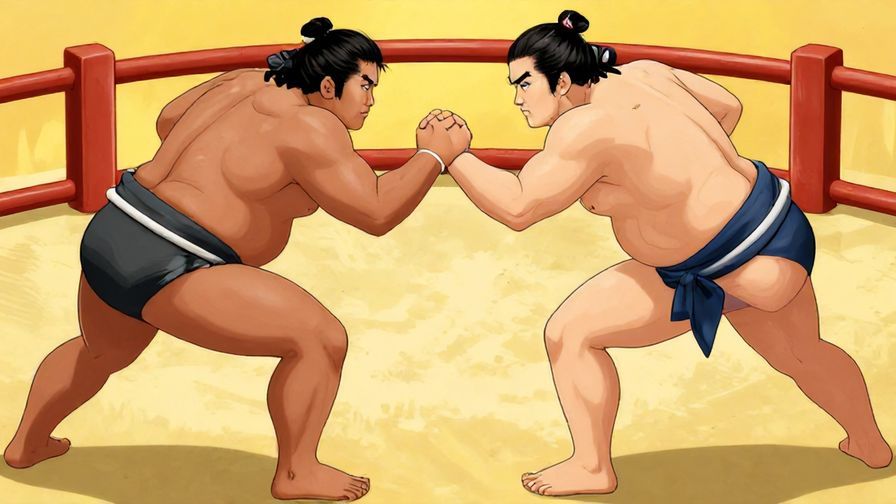
This is a metaphorical way to say “to fight on equal terms.”
土俵 (dohyou) means “sumo ring,” and 戦う (tatakau) means “to fight.”
It implies fair retaliation or equal response.
Great for casual and formal talks about competition or justice.
Memorize it by picturing sumo wrestlers facing off fairly.
Perfect phrase for sports, debates, or any fair fight context.
Part 2: Polite & Formal Suggestions
9. 報復措置 (Hōfuku sochi) – “Retaliatory measures.”
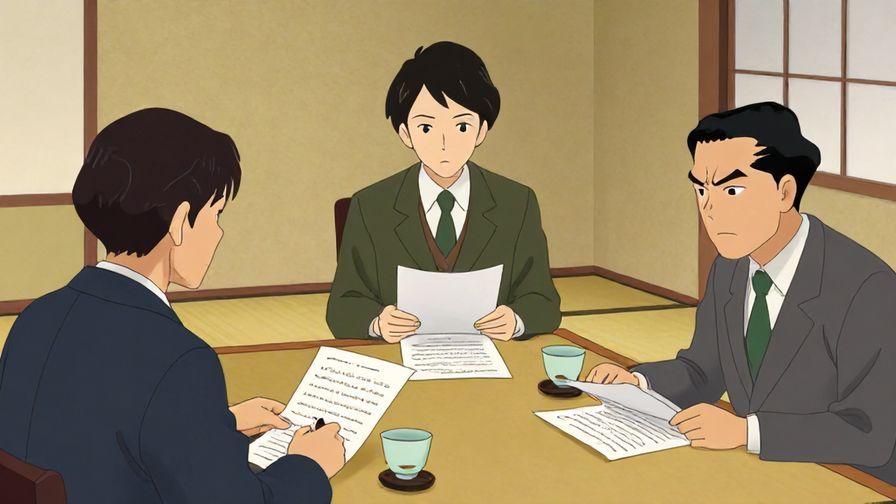
報復措置 means “retaliatory measures” and is used in official or legal contexts.
措置 (sochi) means “measures” or “actions.”
It’s perfect for news, politics, or business discussions.
Use it when you want to sound professional and polite.
Easy to learn because it combines known formal words.
Great for serious conversations about justice or policy.
10. 公正な復讐 (Kōsei na fukushū) – “Just revenge.”

公正 (kōsei) means “fairness” or “justice,” 復讐 (fukushū) means “revenge.”
This phrase stresses that revenge should be fair and justified.
It’s a polite way to talk about deserved retaliation.
Good for academic or formal writing.
Remember the contrast: 公正 (fairness) + 復讐 (revenge).
Use it in debates about ethics or law.
11. 正当防衛 (Seitō bōei) – “Justifiable self-defense.”
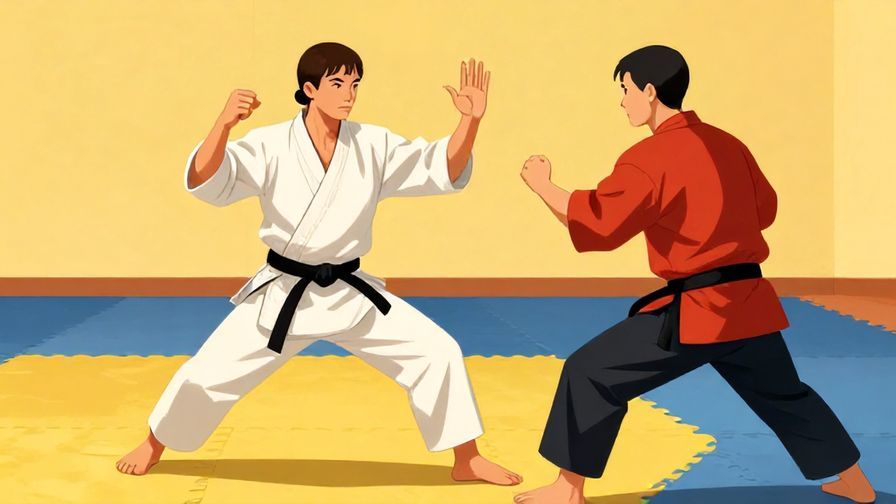
正当 (seitō) means “justifiable” or “legitimate,” 防衛 (bōei) means “defense.”
This phrase is used legally to justify retaliation or counterattack.
It’s less about revenge, more about rightful protection.
Great to know for serious discussions on law and ethics.
Helps distinguish revenge from self-defense.
Useful for learners interested in legal Japanese.
12. 報いるべき罰 (Mukai ru beki batsu) – “Punishment that deserves to be given.”

報いる (mukuiru) means “to reward or punish,” べき (beki) indicates “should,” and 罰 (batsu) means “punishment.”
Use this phrase to discuss proper or deserved punishment.
It’s polite, formal, and thoughtful.
Great for legal or moral conversations.
Helps frame justice as measured and deserved.
Try it when discussing fair consequences.
13. 同害報復 (Dōgai hōfuku) – “Equal harm retaliation.”

同害 (dōgai) means “equal harm,” 報復 (hōfuku) means “retaliation.”
This phrase emphasizes exact retaliation, like “an eye for an eye.”
Formal and legal sounding.
Good for academic or philosophical discussion.
Memorize it by focusing on “equal harm.”
Use it to express strict justice.
14. 釣り合いの取れた罰 (Tsuriai no toreta batsu) – “Balanced punishment.”
釣り合い (tsuriai) means “balance” or “equilibrium,” 罰 (batsu) means “punishment.”
Use this phrase to emphasize fairness in consequences.
It’s polite and thoughtful.
Great for discussing law, ethics, or personal fairness.
Easy to remember by focusing on “balance.”
Try it when fairness is the main point.
15. 正義の報復 (Seigi no hōfuku) – “Just retaliation.”

正義 (seigi) means “justice,” 報復 (hōfuku) means “retaliation.”
This phrase stresses retaliation as a form of justice.
It’s formal and often used in literature or speeches.
Great for expressing moral justification.
Easy to recall by linking “justice” and “retaliation.”
Perfect for strong statements about fairness.
16. 報いの法則 (Mukui no hōsoku) – “Law of retribution.”

報い (mukui) means “retribution,” 法則 (hōsoku) means “law” or “principle.”
Use this to talk about natural or moral laws of cause and effect.
It’s polite and intellectual.
Perfect for philosophical or religious discussions.
Memorize by thinking “law of consequences.”
Great when discussing karmic justice.
Part 3: Very Casual / Native-like Expressions
17. やり返す (Yarikaesu) – “To get back at someone.”

やり返す means “to get back” or “to retaliate.”
It’s very casual and commonly used among friends.
Perfect for everyday conversations about petty paybacks.
Easy to remember because it’s a simple verb.
Use it when talking about playful revenge or minor disputes.
A great phrase for sounding natural.
18. 同じことをする (Onaji koto o suru) – “To do the same thing.”

This phrase literally means “to do the same thing.”
It’s a straightforward way to imply “an eye for an eye” without sounding harsh.
Very casual and easy to use.
Great for everyday talk or teasing friends.
Try it to express fairness in a light tone.
Easy to recall as just “same thing.”
19. 相手にやり返す (Aite ni yarikaesu) – “To get back at the other person.”

Similar to やり返す but specifies “the other person” (相手, aite).
Common in casual conversations about payback.
Helpful when you want to clarify who you’re retaliating against.
Easy to remember by focusing on “aite” (opponent) + “yarikaesu.”
Use it to sound natural and clear in conversation.
Great for everyday justice talk.
20. 仕返ししてやる (Shikaeshi shite yaru) – “I’ll get revenge.”

A casual and slightly aggressive way to say “I’ll get revenge.”
“してやる” adds a strong, confident tone.
Used often among friends or in dramatic moments.
Be careful: it’s casual but can sound intense.
Good for expressing determination to get even.
Try it for storytelling or emotional expressions.
21. 仕返しされる (Shikaeshi sareru) – “To be paid back.”

This is the passive form meaning “to be paid back” or “to have revenge done to you.”
Common in casual talk when you’re on the receiving end.
Easy to remember as it’s just the passive of 仕返しする.
Use it to express “I got what I deserved.”
Great for natural storytelling.
Helpful for learners wanting to cover both sides of retaliation.
22. 仕返しなしにはいられない (Shikaeshi nashi ni wa irarenai) – “Can’t help but get revenge.”

A casual but expressive phrase meaning “can’t help but get revenge.”
It shows emotional urgency and strong feeling.
Great for conversations about strong emotions or grudges.
Break it down: 仕返し (revenge) + なしにはいられない (cannot do without).
Perfect for learners to express feelings naturally.
Use it to share frustration or resolve.
Concluding Thought
Exploring these 22 Japanese ways to say “An eye for an eye” gives us a window into how justice, fairness, and revenge are expressed across tones and contexts.
From direct, literal translations to poetic and casual expressions, each phrase carries its own flavor and cultural nuance.
Keep practicing these expressions and you’ll soon be able to convey complex ideas about justice naturally and with confidence in Japanese!