22 Japanese ways to say “Turn the other cheek”
Sometimes, life throws curveballs—and it’s tempting to snap back. But there’s power in choosing peace instead.
“Turn the other cheek” is a beautiful way to say, “I won’t let this bother me.” In Japanese, this idea can be expressed in many heartfelt ways, each with its own flavor.
Whether you want to sound gentle, wise, or casual, the Japanese language has a phrase for you.
In this list, you’ll discover 22 Japanese expressions that capture this peaceful spirit. It’s like having a toolbox for kindness and patience.
These phrases are perfect for anyone learning Japanese or just wanting to embrace a calmer mindset.
Ready to learn? Let’s dive into these warm, relatable ways to say “turn the other cheek” in Japanese!
Understanding the Spirit of “Turn the Other Cheek” in Japanese
The concept of not retaliating or holding a grudge is deeply tied to Japanese culture’s emphasis on harmony and patience.
Many expressions convey this idea subtly, blending humility and wisdom.
From polite phrases to casual slang, there’s a wide range to explore.
Sometimes, using a great Japanese language learning book can help you understand these nuances deeply.
By practicing these phrases, you’ll sound natural and kind.
Even small expressions can make a big difference in daily conversations.
Part 1: Casual Suggestions
1. 大目に見る (Oome ni miru) – “To overlook, to forgive.”

This phrase means literally “to see broadly,” like giving someone the benefit of the doubt.
It’s a kind way to say you’re choosing not to get upset or hold a grudge, which is basically turning the other cheek.
It’s great for casual chats when someone makes a small mistake.
Using it shows warmth and understanding.
You can pair it with “今回は大目に見るね (Konkai wa oome ni miru ne)” meaning “I’ll overlook it this time.”
Remember, this phrase is perfect for everyday kindness without sounding too formal.
2. 気にしないで (Ki ni shinaide) – “Don’t worry about it.”
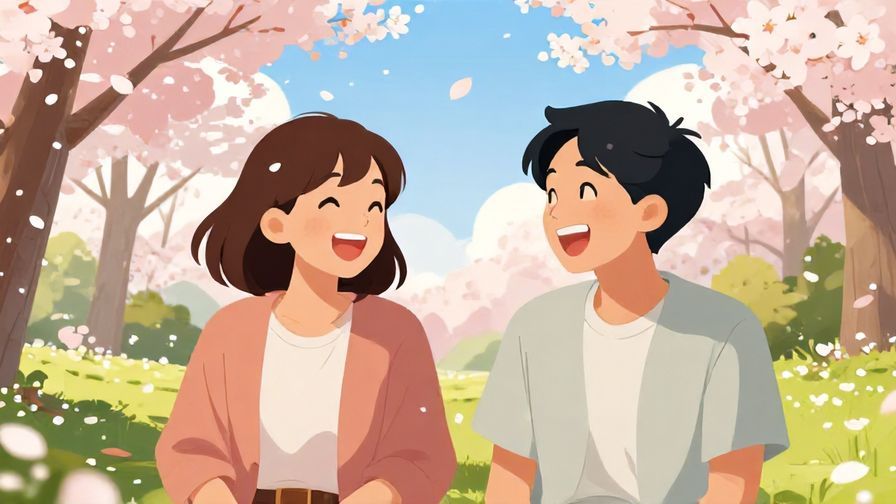
This simple phrase is perfect to brush off minor annoyances or mistakes.
It’s like saying “No big deal,” which fits perfectly with the idea of turning the other cheek.
Easy to say and super common, it’s a great phrase to practice daily.
Be careful not to sound dismissive; keep your tone gentle.
In conversation, you might say, “そんなこと、気にしないで (Sonna koto, ki ni shinaide)” meaning “Don’t worry about that.”
Use it to keep things light and friendly.
3. 腹を立てないで (Hara o tatenaide) – “Don’t get angry.”
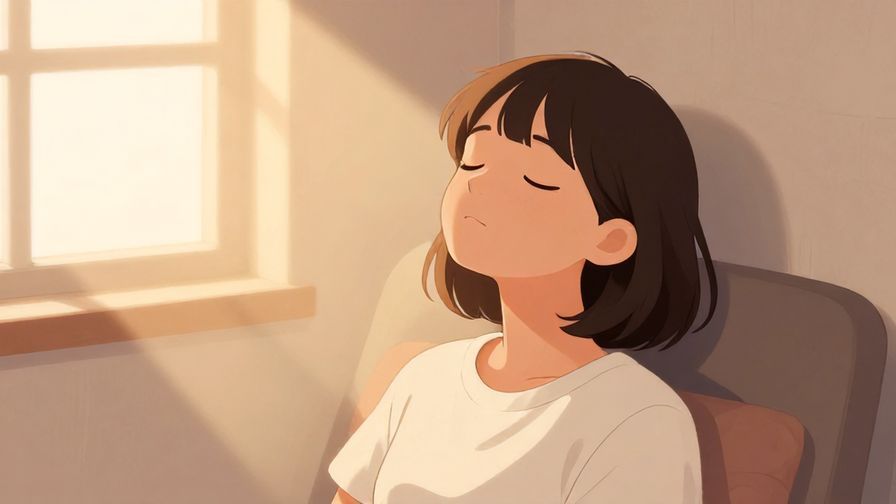
This phrase is a direct way to say “don’t get mad,” encouraging patience and calm.
It literally means “don’t raise your stomach,” a Japanese expression for anger.
Use it when reminding yourself or others to stay cool-headed.
It’s gentle and to the point.
For example, “そんなことで腹を立てないで (Sonna koto de hara o tatenaide)” means “Don’t get angry over something like that.”
Perfect for diffusing tension with kindness.
4. 目をつぶる (Me o tsuburu) – “To close one’s eyes (to something).”
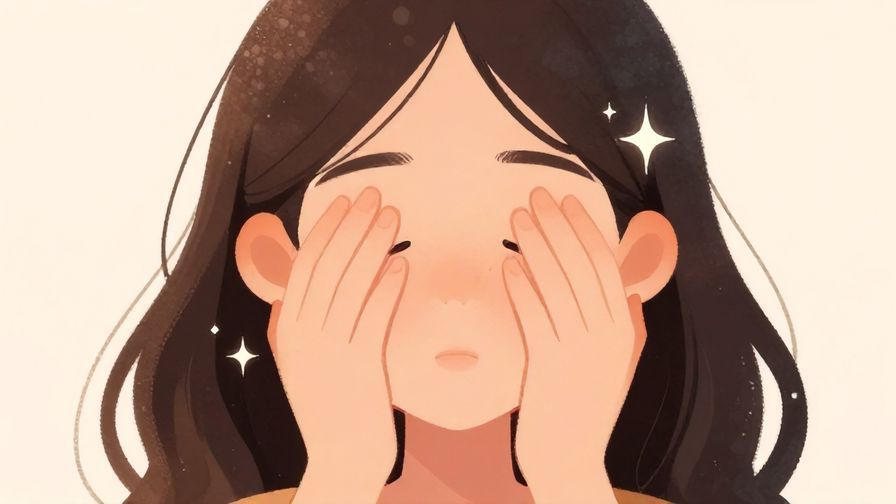
This phrase means literally “to close your eyes,” implying choosing not to see a fault or mistake.
It’s a poetic way to express forgiveness or overlooking something.
Great for moments when you want to show grace.
Use it carefully, as it implies a conscious decision to overlook.
You might say, “今回は目をつぶろう (Konkai wa me o tsuburou)” meaning “Let’s close our eyes to it this time.”
This phrase carries warmth and understanding.
5. 成り行きに任せる (Nariyuki ni makaseru) – “Leave it to fate.”

This expression means to “let things take their course” or leave it to fate, suggesting a peaceful acceptance.
It’s a mature way to express letting go of control and not reacting negatively.
Great for bigger situations where fighting back isn’t worth it.
For example, “問題は成り行きに任せよう (Mondai wa nariyuki ni makaseyou)” means “Let’s leave the problem to fate.”
It encourages calm trust in the flow of life.
Use it to express true letting go.
6. こだわらない (Kodawaranai) – “Not particular, not bothered.”

This casual phrase means “not bothered” or “not picky,” perfect for brushing off annoyances.
It’s a great mindset for turning the other cheek, showing you’re not hung up on small things.
Simple to use in daily life.
For example, “そんなことはこだわらないよ (Sonna koto wa kodawaranai yo)” means “I’m not bothered by that.”
It’s friendly and easygoing.
Try this when you want to sound relaxed and forgiving.
7. 気を使わないで (Ki o tsukawanaide) – “Don’t worry about it, don’t be bothered.”

This phrase literally means “Don’t use your energy/care,” implying you don’t need to be concerned or upset.
It’s polite yet casual and perfect for telling someone not to feel bad or hold a grudge.
Great for everyday kindness.
For example, “そんなに気を使わないで (Sonna ni ki o tsukawanaide)” means “Don’t worry so much about it.”
It’s a gentle reminder to let go.
Use it often in friendly conversations.
8. 忘れよう (Wasureyou) – “Let’s forget it.”

This straightforward phrase means “Let’s forget about it” and is great for moving past small conflicts.
It’s casual, easy to say, and very practical.
Use it to lighten the mood and show you’re ready to move on.
For example, “あのことは忘れよう (Ano koto wa wasureyou)” means “Let’s forget what happened.”
Perfect for friendly reconciliations.
Use it to gently close a chapter.
Part 2: Polite & Formal Suggestions
9. 寛容に対応する (Kanyou ni taiou suru) – “Respond with tolerance.”
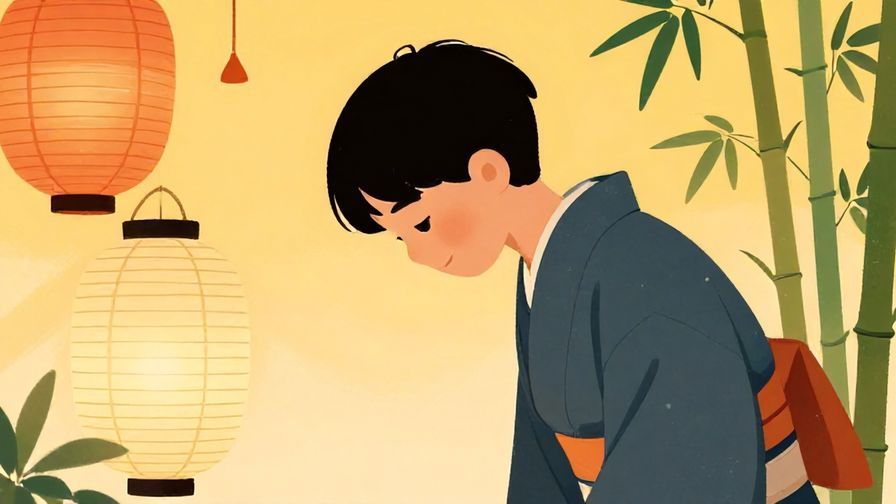
This formal phrase means “to respond with tolerance,” a perfect way to express turning the other cheek in a respectful context.
It’s useful in business or polite conversations where humility is key.
Try saying, “寛容に対応いたします (Kanyou ni taiou itashimasu)” meaning “I will respond with tolerance.”
This shows a mature and composed attitude.
It’s a great phrase to keep in your polite vocabulary.
Use it to impress with grace and professionalism.
10. 怒りを抑える (Ikari o osaeru) – “Suppress anger.”

This phrase means “to suppress anger,” highlighting self-control and patience.
It’s formal and ideal when discussing emotional restraint respectfully.
For example, “怒りを抑えて冷静に話しましょう (Ikari o osaete reisei ni hanashimashou)” means “Let’s suppress anger and speak calmly.”
It encourages peaceful resolution.
Perfect for serious or professional settings.
Use it when you want to emphasize calmness over conflict.
11. 対立を避ける (Tairitsu o sakeru) – “Avoid confrontation.”

This phrase means “to avoid conflict,” a key part of turning the other cheek in many polite interactions.
It’s useful when you want to keep harmony and prevent disputes.
For example, “対立を避けて話し合いましょう (Tairitsu o sakete hanashiaimashou)” means “Let’s avoid confrontation and talk it out.”
It’s a thoughtful way to promote peace.
Use it in formal discussions or delicate social situations.
It reflects maturity and respect.
12. 心を広く持つ (Kokoro o hiroku motsu) – “Have a broad heart.”

This poetic phrase means “to be generous or big-hearted,” capturing the essence of forgiveness.
It’s perfect for polite or inspirational contexts.
For example, “心を広く持って接しましょう (Kokoro o hiroku motte sesshimashou)” means “Let’s interact with a broad heart.”
It encourages empathy and patience.
Use it to inspire kindness and openness in conversation.
It’s a beautiful expression to remember.
13. 仕返しをしない (Shikaeshi o shinai) – “Don’t retaliate.”
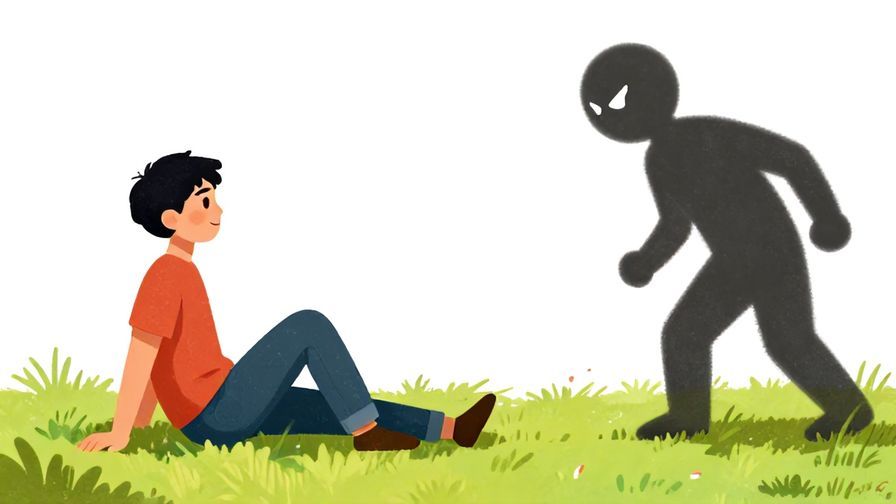
This phrase means “don’t take revenge,” directly aligning with “turn the other cheek.”
It’s straightforward and works well in formal or serious situations.
For example, “仕返しをしないで我慢しましょう (Shikaeshi o shinaide gaman shimashou)” means “Let’s endure without retaliation.”
It highlights strength through patience.
Use it to express calm endurance.
It’s a powerful phrase for self-control.
14. 寛大な心で (Kandai na kokoro de) – “With a generous heart.”
This elegant expression means “with generosity,” suggesting a forgiving attitude.
It’s suitable for both formal and inspirational speech.
For example, “寛大な心で受け入れましょう (Kandai na kokoro de ukeiremashou)” means “Let’s accept with a generous heart.”
It encourages open-mindedness and kindness.
Use it to soften difficult conversations.
It’s a classy way to show grace.
15. 感情を抑える (Kanjou o osaeru) – “Control your emotions.”
This phrase means “to hold back emotions,” focusing on self-restraint.
It’s formal and useful for describing emotional control in tough situations.
For example, “感情を抑えて冷静に対処しましょう (Kanjou o osaete reisei ni taisho shimashou)” means “Let’s control our emotions and respond calmly.”
Great for professional or serious contexts.
It’s a practical way to express patience.
Use it to remind yourself or others to stay composed.
16. 執着しない (Shuuchaku shinai) – “Don’t be attached.”
This phrase means “not clinging or holding onto something,” fitting perfectly with letting go of grudges.
It’s polite and philosophical.
For example, “過去に執着しないで前に進みましょう (Kako ni shuuchaku shinaide mae ni susumimashou)” means “Let’s not cling to the past and move forward.”
It’s an empowering phrase about freedom from resentment.
Use it for encouragement and growth.
It’s a great mindset to cultivate.
Part 3: Very Casual / Native-like Expressions
17. まぁいいか (Maa iika) – “Well, it’s fine.”

This casual phrase means “Ah, it’s okay,” perfect for brushing off small annoyances like a native speaker.
It’s easy to say and sounds laid-back and friendly.
Great for everyday life when you want to keep things chill.
For example, “遅れてもまぁいいか (Okuretemo maa iika)” means “It’s fine even if you’re late.”
Use it to show you’re not bothered.
It’s a very natural and popular phrase.
18. 気にしない (Ki ni shinai) – “I don’t mind.”

This is a straightforward and very common phrase meaning “I don’t care” or “I’m not bothered.”
It’s casual and widely used among friends.
For example, “そんなこと気にしないよ (Sonna koto ki ni shinai yo)” means “I don’t mind that.”
It’s perfect for turning the other cheek in everyday conversations.
Use it to sound cool and easygoing.
Try it whenever you want to keep peace casually.
19. ほっとく (Hottoku) – “Leave it alone.”
This slangy phrase means “leave it be” or “ignore it,” a very casual way to say don’t react.
It’s common among young people and very natural.
For example, “そんなことはほっとこう (Sonna koto wa hottokou)” means “Let’s just leave that alone.”
It’s direct but friendly.
Use it for lighthearted ignoring of drama.
This one’s great for everyday casual chats.
20. やめとく (Yametoku) – “I’ll quit it (for now).”
This is a shortened, casual way of saying “I’ll stop” or “I’ll let it go.”
It’s useful when you want to avoid escalating conflict.
For example, “今日はやめとく (Kyou wa yametoku)” means “I’ll quit for today.”
It’s relaxed and native sounding.
Use it to show maturity without formality.
It’s a handy phrase to keep peace casually.
21. 気にしすぎないで (Ki ni shisuginaide) – “Don’t overthink it.”
This phrase encourages not to overthink or stress about something, fitting perfectly with the idea of turning the other cheek.
It’s casual but caring.
For example, “そんなに気にしすぎないで (Sonna ni ki ni shisuginaide)” means “Don’t worry too much about it.”
It’s friendly and supportive.
Use it to comfort friends or yourself.
It’s a great phrase for emotional balance.
22. まぁ、いいよ (Maa, ii yo) – “Well, it’s okay.”

This phrase is a gentle way to accept something and move on, very casual and friendly.
It’s like saying “No worries” or “It’s fine.”
For example, “遅れてもまぁ、いいよ (Okuretemo maa, ii yo)” means “Even if you’re late, it’s okay.”
It’s warm and forgiving.
Use it to keep conversations smooth and kind.
It’s a perfect phrase for everyday peace.
Concluding Thought
These 22 Japanese phrases offer a rich palette of ways to express the beautiful idea of “turning the other cheek.”
Whether casual, polite, or native-like, each phrase carries a warm invitation to patience and kindness.
Next time life tests your patience, try one of these expressions—it’s a small step toward a peaceful heart and harmonious relationships.