22 Japanese ways to say “You jinxed it”
Ever had a moment where you or a friend said something hopeful, and then—bam!—something goes wrong? That’s the classic “jinx” moment, and guess what? Japanese has plenty of fun, relatable ways to call it out.
Whether you’re chatting with friends or trying to spice up your language skills, knowing how to say “You jinxed it” in Japanese adds a playful touch to your conversations.
From casual slang to polite expressions, you’ll find a variety of phrases fit for different vibes and settings.
Learning these phrases not only broadens your vocabulary but also helps you sound more natural and connected to Japanese culture.
Plus, it’s a great way to bond over those funny, “oh no” moments everyone experiences.
Ready to explore 22 ways to say “You jinxed it” in Japanese? Let’s dive in!
Understanding the Jinx Concept in Japanese
Before jumping into the phrases, it’s good to know that “jinxing” isn’t always expressed directly in Japanese like in English.
Often, people use expressions about “tempting fate” or “speaking too soon” to capture the same feeling.
These phrases can range from playful to a bit superstitious, depending on the context.
Sometimes, using a great beginner phrasebook can give you a perfect starting point for a cohesive understanding.
So, let’s start with some casual phrases that are easy and fun to use.
They’ll help you feel confident in everyday conversations.
Part 1: Casual Suggestions
1. 呪った? (Norotta?) – “Did you curse it?”

This phrase literally asks if someone “cursed” the situation, implying they jinxed it.
It’s casual and a bit teasing, perfect for close friends who enjoy joking around.
Using a question form makes it lighthearted instead of accusatory.
It’s short and easy to remember, just think “norotta” as “curse.”
You can say it right after something goes wrong that was predicted or hoped for too soon.
Try it next time a friend’s hopeful comment seems to backfire!
2. 早まったね! (Hayamatta ne!) – “You spoke too soon!”
This phrase captures the feeling of speaking too soon and tempting fate.
“Hayamatta” means “acted prematurely” or “rushed,” and “ne” softens it like “right?”
It’s casual and perfect for teasing someone after a jinx.
Think of it as a friendly nudge reminding them not to be overconfident.
It’s commonly used in daily conversations and easy to slip in naturally.
Practice by using it when plans don’t go as expected after someone’s confident statement.
3. 言わなきゃよかった! (Iwanakya yokatta!) – “I shouldn’t have said that!”

This phrase directly expresses regret for saying something that caused bad luck.
“Iwanakya” means “if I don’t say,” and “yokatta” means “it would have been better.”
It’s a natural way to admit you jinxed something yourself.
Great for self-reflection moments after a jinx.
You’ll sound humble and relatable using this one.
Try pairing it with a smile to keep things light.
4. ついてないね! (Tsuitenai ne!) – “Unlucky, huh?”

This phrase means “You’re unlucky” or “No luck today.”
It’s a gentle way to acknowledge the jinx without blame.
“Tsuitenai” means “not lucky,” and “ne” adds a friendly tone.
It’s useful when you want to empathize rather than point fingers.
A great phrase for comforting friends after a mishap.
Use it when the jinx feels more like misfortune than someone’s fault.
5. 運が悪いね! (Un ga warui ne!) – “Your luck’s bad!”

This phrase points out bad luck as the reason for the jinx.
“Un” means “luck,” “ga” is a subject marker, and “warui” means “bad.”
Adding “ne” keeps it casual and conversational.
It’s a bit more direct but still common among friends.
Use it when you want to highlight luck’s role in the mishap.
It’s easy to remember if you think of “un” as luck and “warui” as bad.
6. だめじゃん! (Dame jan!) – “That’s no good!”

This is a quick, casual way to say “That’s bad,” often after a jinxed event.
“Dame” means “no good” or “not allowed,” and “jan” adds a colloquial punch.
It’s widely used by younger speakers in informal settings.
Perfect for playful teasing without being harsh.
Great to use in group chats or casual hangouts.
Keep it light to avoid sounding too critical.
7. 縁起でもない! (Engi demo nai!) – “That’s bad luck to say!”
This expression means “Don’t say things that bring bad luck.”
“Engi” refers to “omen” or “luck,” and “demo nai” means “not even.”
It’s a bit superstitious and often used when someone says something tempting fate.
Perfect for a more traditional or serious tone.
Try it when you want to gently remind someone not to jinx the situation.
It’s a phrase that connects well to cultural beliefs about luck.
8. 呪いだよ! (Noroi da yo!) – “That’s a curse!”
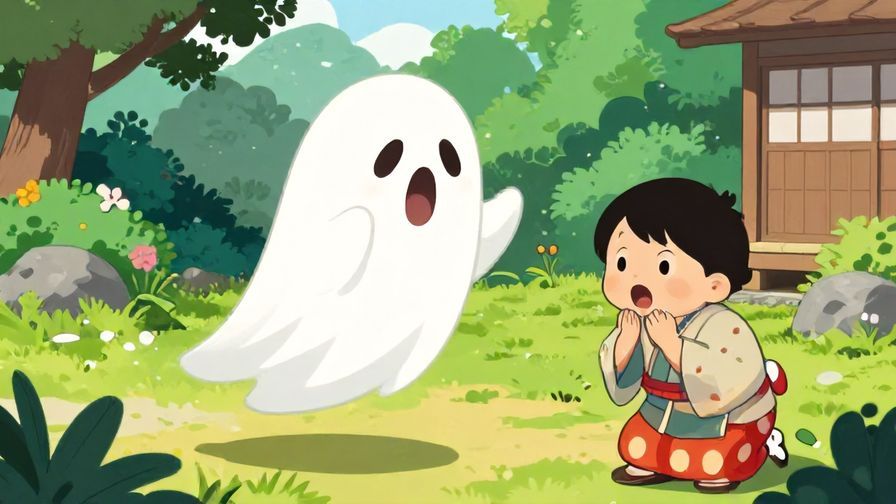
This phrase is a direct yet fun way to say “You jinxed it,” calling it a “curse.”
“Noroi” means “curse,” and “da yo” adds emphasis and friendliness.
It’s a bit dramatic but works well between close friends who enjoy joking.
Use it when the jinx feels like a playful hex!
Perfect for Halloween or spooky-themed conversations too.
It adds a humorous flair to the idea of jinxing.
Part 2: Polite & Formal Suggestions
9. 先走りましたね (Sakibashirimashita ne) – “You jumped the gun, didn’t you?”

This polite phrase means “You acted prematurely.”
“Sakibashiru” is “to go ahead of schedule,” turned polite with “mashita.”
“Ne” softens the tone, making it suitable for coworkers or acquaintances.
It’s a professional way to hint someone jinxed the situation.
Use it in work or formal settings where casual slang isn’t appropriate.
A great phrase to keep conversations respectful yet expressive.
10. 早すぎましたね (Hayasugimashita ne) – “That was too soon.”

This phrase politely states that someone spoke or acted too early.
“Hayasugiru” means “too early,” with polite past tense “mashita.”
Again, “ne” adds a soft touch suitable for professional or formal use.
It’s a respectful way to caution against tempting fate.
Perfect for conversations with bosses or less familiar people.
It keeps the mood serious but kind.
11. 縁起が悪いですね (Engi ga warui desu ne) – “That’s bad luck, isn’t it?”
This formal phrase literally says “The omen is bad.”
It’s a polite way to say something is unlucky or ill-timed.
Use this in more refined settings or with elders.
It’s slightly superstitious but culturally appropriate.
Great for expressing concern without direct blame.
Use it to show sensitivity in delicate conversations.
12. ついていませんね (Tsuiteimasen ne) – “You’re unlucky, aren’t you?”
This is a formal yet kind way to say someone is experiencing bad luck.
“Tsuiteimasen” means “not lucky” in polite form, and “ne” invites agreement.
It’s perfect for sympathetic or neutral remarks.
Use it when you want to be careful not to offend.
It fits well in customer service or formal social situations.
Try it when you want to express empathy gracefully.
13. お気の毒です (Okinodoku desu) – “That’s unfortunate.”

This phrase means “I feel sorry for you” or “That’s unfortunate.”
It’s a very polite way to acknowledge bad luck or mishaps.
Use it to show genuine sympathy in formal contexts.
It doesn’t directly say “jinx,” but it conveys the sentiment well.
Perfect for condolences or delicate situations.
Use it to maintain respect and warmth simultaneously.
14. そんなこと言わないでください (Sonna koto iwanaide kudasai) – “Please don’t say that.”

This phrase politely asks someone not to say things that might cause bad luck.
It’s indirect but effective in formal or unsure settings.
“Sonna koto” means “such things,” and “iwanaide kudasai” means “please don’t say.”
Great for situations where you want to avoid jinxing without sounding accusatory.
Use it to keep conversations positive and hopeful.
Try it when you want to prevent tempting fate gently.
15. 言葉に気をつけてください (Kotoba ni ki o tsukete kudasai) – “Please watch your words.”

This phrase is a polite reminder to be careful with what you say.
It can hint that speaking prematurely might cause bad luck.
Useful in both formal and semi-formal situations.
It encourages mindfulness without direct blame.
Try it when you want to offer advice diplomatically.
It’s a phrase that helps keep the atmosphere respectful.
16. 予言は控えましょう (Yogen wa hikaemashou) – “Let’s refrain from predictions.”
This formal phrase advises against making predictions that might jinx outcomes.
“Yogen” means “prediction,” “hikaemashou” means “let’s refrain.”
It’s ideal for serious or professional environments.
Use it to diplomatically suggest caution about speaking too soon.
Great for group discussions where optimism might backfire.
It’s a smart way to keep hopes balanced.
Part 3: Very Casual / Native-like Expressions
17. やっちゃったね! (Yacchatta ne!) – “You messed up!”

This is a very casual and playful way to say someone jinxed things.
“Yacchatta” means “did it” or “messed up,” and “ne” softens it.
It’s often used among young people or close friends.
Perfect for light teasing after a jinx.
Use it to keep conversations fun and informal.
Try it when you want to sound like a native speaker in casual chats.
18. しまった! (Shimatta!) – “Oops!” or “Oh no!”
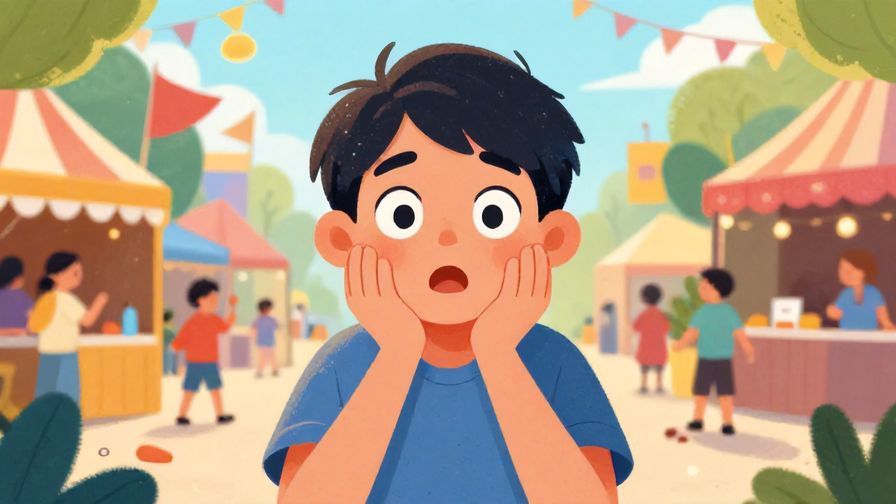
This exclamation is a quick way to react to a jinx or mistake.
It’s very common and natural in everyday Japanese.
“Shimatta” expresses regret or surprise at something going wrong.
Use it instantly when you realize you or someone else jinxed the situation.
It’s short and easy to remember.
Perfect for all casual situations.
19. そんなこと言うとダメだよ! (Sonna koto iu to dame da yo!) – “Don’t say things like that!”
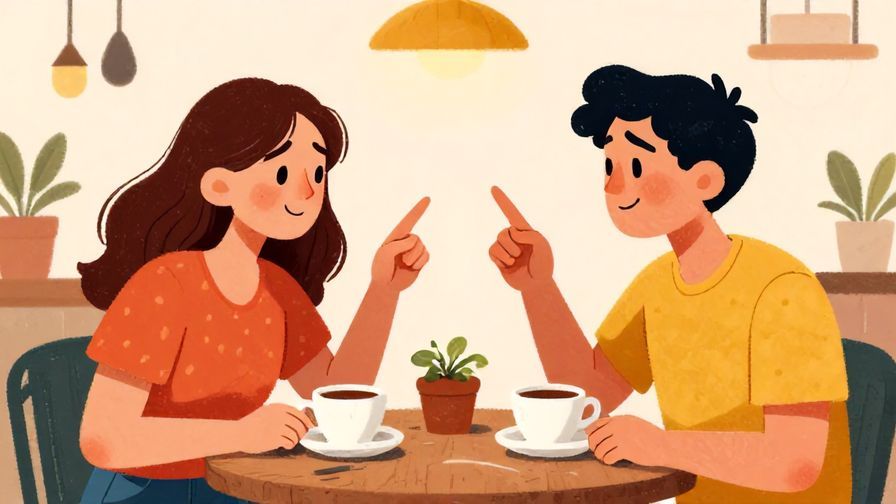
This phrase is a lively way to warn someone against jinxing.
“Sonna koto iu to” means “if you say such a thing,” and “dame da yo” means “it’s no good.”
It’s casual but clear in meaning.
Great for teasing without being harsh.
Use it when you want to sound native and expressive.
It often gets laughs and lightens the mood.
20. ついてないなあ (Tsuitenai naa) – “What bad luck!”

This phrase expresses mild frustration with bad luck.
“Tsuitenai” means unlucky, and “naa” adds a casual, reflective feeling.
It’s perfect for moments when you feel jinxed but want to keep it chill.
Use it with friends or when talking to yourself.
It’s a common phrase among native speakers.
Try it to sound natural and laid-back.
21. まじで呪われた? (Maji de norowareta?) – “Did you seriously get cursed?”

This phrase is a humorous and casual way to say someone jinxed it badly.
“Maji de” means “seriously” or “for real,” and “norowareta” is past passive of “curse.”
It’s perfect for joking among close friends.
Use it when the jinx feels extreme or unbelievable.
It adds a fun, dramatic twist to the situation.
Try it to get laughs and show camaraderie.
22. 運が逃げたね (Un ga nigeta ne) – “Your luck ran away!”
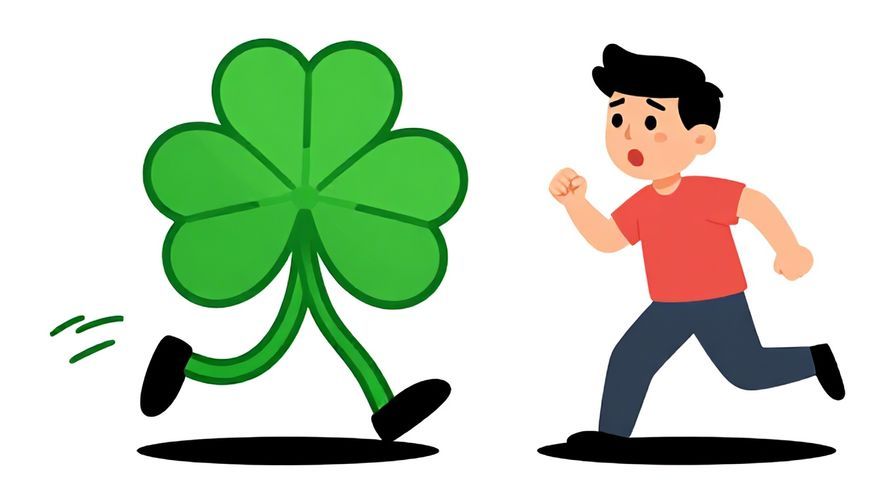
This playful phrase imagines luck literally running away after a jinx.
“Un” means luck, “nigeta” means “ran away,” and “ne” adds a casual tone.
It’s easy to say and full of personality.
Great for joking about bad luck in a lighthearted way.
Use it for friendly teasing or self-deprecating humor.
It’s a fun phrase to keep your conversations lively.
Concluding Thought
Exploring these 22 Japanese ways to say “You jinxed it” shows just how rich and varied the language is when it comes to expressing those relatable moments of tempting fate.
Whether you want to be playful, polite, or casual, there’s a perfect phrase for every situation and relationship.
So next time you or a friend jinx something, you’ll have plenty of fun and authentic ways to call it out—and maybe even turn that bad luck into a shared laugh!