22 Japanese ways to say “I jinxed it”
Ever had that moment when you say something too soon and immediately regret it because, boom—bad luck strikes? Yeah, that’s jinxing it, and it’s a universal experience.
In Japanese, expressing that feeling comes in many fun and colorful ways. Whether you’re chatting with friends or just thinking to yourself, there’s a phrase that fits perfectly.
Today, we’ll dive into 22 authentic Japanese expressions to say “I jinxed it.” Some are casual, some polite, and some super native-like!
Knowing these will not only level up your Japanese but also make you sound more natural and relatable. Plus, it’s always fun to learn how different cultures express similar moments.
Jinxing is all about timing and a little superstition, so these phrases capture that vibe perfectly.
Ready to avoid jinxes or at least call them out like a pro? Let’s get started!
Understanding Jinxing in Japanese Culture
Jinxing isn’t a huge superstition in Japan like in some Western cultures, but there are plenty of ways people express regret or “calling it too soon.”
Most Japanese phrases related to jinxing focus on the idea of “spoiling the good luck” or “tempting fate.”
It’s handy to know these phrases so you can laugh it off or warn your friends when you feel the jinx coming!
Sometimes, using a great Japanese culture book can give you a perfect starting point for understanding these nuances.
These phrases make your conversations more expressive and show you’re in the know about everyday Japanese life.
Plus, you’ll avoid accidentally jinxing yourself by knowing what to say!
Part 1: Casual Suggestions
1. やっちゃった (Yacchatta) – “I messed up” or “I blew it.”

This is a casual way to admit you’ve jinxed something or made a mistake that affected the outcome.
やっちゃった (Yacchatta) literally means “I did it” but is used like “I messed up” or “I jinxed it” in fun, everyday talk.
You’ll hear this a lot among friends when something goes wrong right after a confident statement.
It’s easy to say and sounds very natural.
Pair it with a shrug or a playful smile to keep the mood light.
Use this to keep things casual and relatable without being too formal.
2. しまった (Shimatta) – “Oh no!” or “I screwed up.”
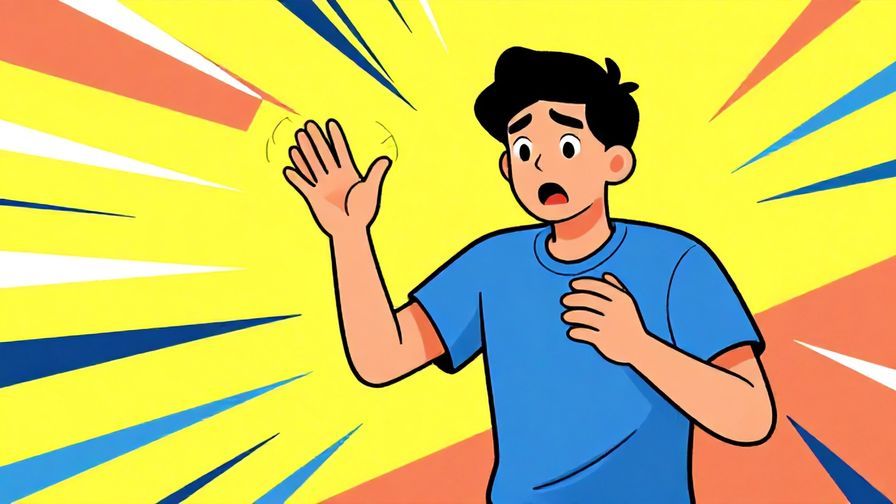
This phrase shows regret and surprise and works perfectly for jinxing moments.
しまった (Shimatta) can be used alone or with a sentence explaining what you jinxed.
It’s a classic exclamation of “I goofed” or “I jinxed it.”
Great for informal chats but can also be polite depending on tone.
Be careful not to overuse it or it can sound like you’re always messing up.
Try using this when you realize you’ve “jinxed” good luck just after saying something positive.
3. 言わなきゃよかった (Iwanakya yokatta) – “I shouldn’t have said that.”
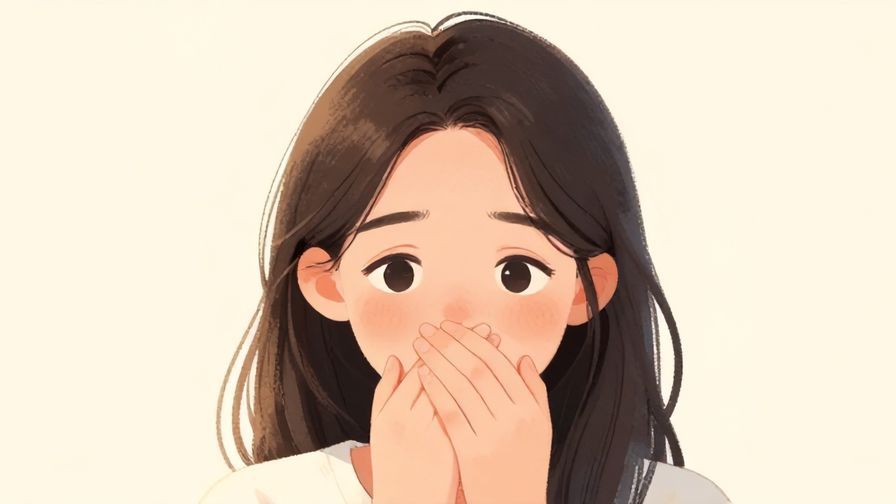
This phrase literally means “I wish I hadn’t said that.”
It’s perfect when you realize your words brought on bad luck or spoiled a good moment.
Use it to confess your jinxing guilt in a cute, self-aware way.
It’s casual but sincere, showing you recognize the cause.
Try using this the moment you regret your own words.
It’s a great phrase for conversations where you want to admit fault but stay friendly.
4. ついてないな (Tsuitenai na) – “I’m unlucky.”

This phrase means “I’m out of luck” and works well when you feel you jinxed yourself.
It’s casual and commonly used to express mild frustration with fate.
Great for moments right after you realize bad luck hit because of your words.
It’s a bit softer than directly saying you jinxed it but gets the point across.
Use it to express “Well, that’s unlucky!” without blame.
Perfect for everyday conversations with friends or coworkers.
5. 運が悪かった (Un ga warukatta) – “My luck was bad.”
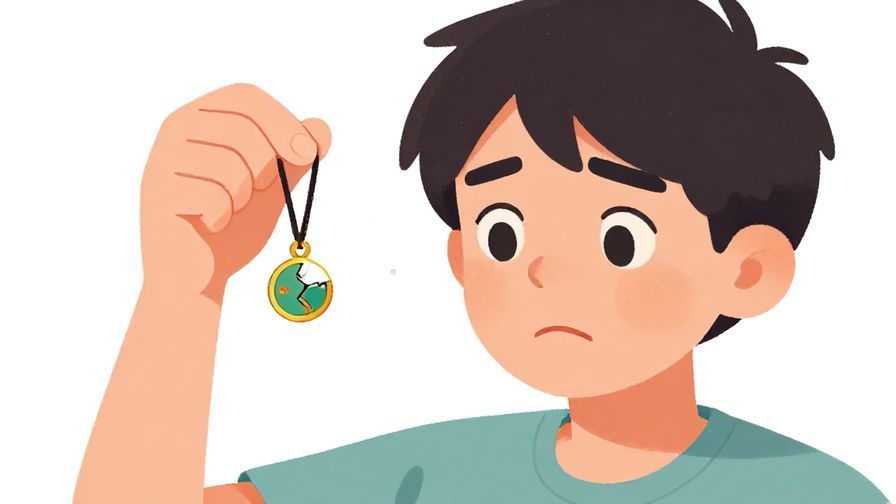
This phrase is a straightforward way to say your luck ran out.
運 (Un) means luck, and 悪かった (warukatta) means was bad.
It’s a polite but casual expression good for admitting you jinxed a moment.
It fits nicely in conversations where you want to sound natural but a bit more thoughtful.
You can use this with friends or even in semi-formal situations.
Try combining it with a sigh or a small laugh to keep it lighthearted.
6. まさかの展開 (Masaka no tenkai) – “An unexpected turn of events.”

This phrase is great when you jinx something and the outcome flips unexpectedly.
まさか (Masaka) means “no way” or “unexpected,” and 展開 (tenkai) means “development” or “turn.”
It’s a fun, slightly dramatic way to say “I jinxed it” without saying it directly.
Perfect for storytelling or sharing surprising moments.
This phrase keeps the mood lively and conversational.
Use it to add flair when your confident prediction falls through.
7. 自分で言っておいて (Jibun de itte oite) – “I said it myself, so…”

This phrase shows you’re owning up to jinxing by admitting you said something too soon.
It literally means “I said it myself, so…” implying you brought the bad luck.
It’s casual, humorous, and perfect for friendly banter.
You can soften the blow of your jinx this way, making light of the situation.
Try this when chatting with close friends to keep things fun.
It’s a great phrase for showing self-awareness and humor.
8. 予言が外れた (Yogen ga hazureta) – “My prediction was wrong.”

Use this when you confidently predicted something but it didn’t come true because you jinxed it.
予言 (Yogen) means “prophecy” or “prediction,” and 外れた (hazureta) means “missed” or “was wrong.”
This phrase is a clever way to say “I jinxed it” in a slightly more intellectual tone.
It’s great for storytellers and those who want to sound a bit sharper.
Perfect in informal settings where you want to sound witty.
Use this to spice up your conversations after a jinxed moment.
Part 2: Polite & Formal Suggestions
9. 運を逃したかもしれません (Un o nogashita kamoshiremasen) – “I might have missed my luck.”

This is a polite way to admit you jinxed a situation without sounding too casual.
運 (Un) means luck, 逃した (nogashita) means missed, and かもしれません (kamoshiremasen) adds “might have.”
It’s perfect for workplace conversations or formal settings.
Use this when you want to acknowledge bad luck politely.
It’s a humble, soft way to say “I jinxed it” without blaming yourself harshly.
Great for keeping professionalism while sharing a little misfortune.
10. 先に言い過ぎてしまいました (Saki ni iisugite shimaimashita) – “I said too much too soon.”
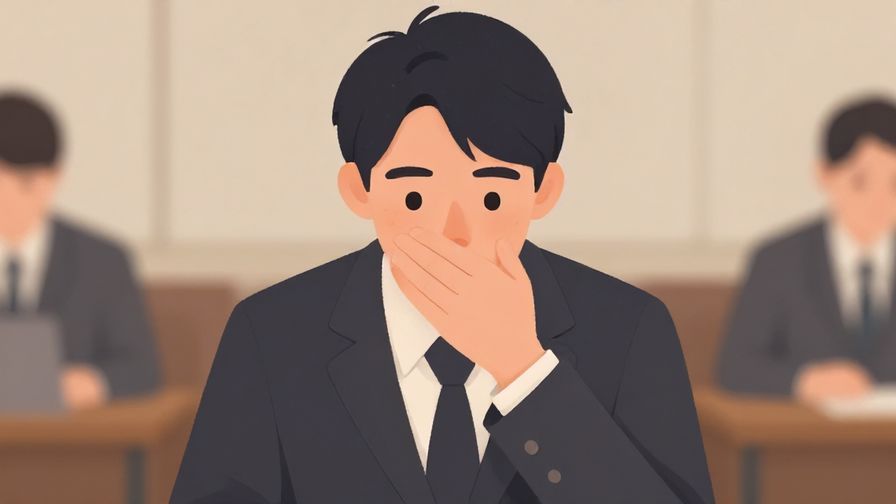
This phrase is a polite apology for jinxing by speaking prematurely.
先に (Saki ni) means “ahead,” 言い過ぎて (iisugite) means “said too much,” and しまいました (shimaimashita) adds a sense of regret.
It’s respectful and perfect for conversations with seniors or colleagues.
Use it to show you’re aware of your mistake and regret it politely.
Ideal for formal occasions where humility is key.
It also helps maintain harmony in professional relationships.
11. 不運でしたね (Fuun deshita ne) – “That was unlucky, wasn’t it?”

This phrase is a gentle way to acknowledge a jinx or bad luck without direct blame.
不運 (Fuun) means misfortune or bad luck, and でしたね (deshita ne) softens it into a shared feeling.
It’s polite and empathetic.
Great for discussing jinxed moments with acquaintances or clients.
Use it to keep conversations smooth and positive despite setbacks.
This phrase shows understanding without negativity.
12. 予期せぬ結果になりました (Yokisenu kekka ni narimashita) – “It turned out to be an unexpected result.”

A polite, neutral way to say something didn’t go as predicted, hinting at jinxing.
予期せぬ (Yokisenu) means unexpected, 結果 (kekka) means result, and なりました (narimashita) means “became.”
It’s formal and great for professional or serious conversations.
Use this when you want to sound factual and calm about a jinxed outcome.
Perfect for reports or meetings where emotion should be minimal.
This phrase keeps things professional while acknowledging surprise.
13. 言葉が足りませんでした (Kotoba ga tarimasen deshita) – “My words were insufficient.”

This is a formal, humble way to admit you jinxed something by not choosing words carefully.
It literally means “My words were lacking.”
Use it to apologize politely for speaking too soon.
Great for business or formal social situations.
It shows respect and a willingness to improve communication.
A perfect phrase to keep harmony after a jinxed moment.
14. 期待しすぎたかもしれません (Kitai shisugita kamoshiremasen) – “Maybe I expected too much.”

Use this polite phrase to admit you jinxed something by having too high hopes.
期待 (Kitai) means expectation, しすぎた (shisugita) means “did too much,” and かもしれません (kamoshiremasen) means “maybe.”
It’s gentle and reflective.
Great for showing humility in formal or casual conversations.
Use it to soften the impact of your jinx in social settings.
This phrase helps you express regret without blame.
15. もう少し慎重に言えばよかったです (Mou sukoshi shinchou ni ieba yokatta desu) – “I should have spoken more carefully.”
This is a polite way to admit you jinxed something by speaking rashly.
It literally means “I should have said it more cautiously.”
Great for formal apologies or explaining yourself gently.
It shows maturity and responsibility for your words.
Use it in work or social settings where politeness matters.
This phrase also encourages careful communication.
16. 失礼しました (Shitsurei shimashita) – “My apologies.”

This simple, polite phrase can be used when you feel you jinxed or caused trouble by your words.
While it literally means “Excuse me” or “I was rude,” it’s often used to apologize.
Use it in formal and semi-formal situations to acknowledge your mistake.
It’s a respectful way to smooth over a jinxed moment.
Keep this handy for any time you want to sound sincere and polite.
It’s short, sweet, and universally understood.
Part 3: Very Casual / Native-like Expressions
17. 呪ったかも (Norotta kamo) – “Maybe I cursed it.”

A slangy, casual way to say you jinxed something by “cursing” it.
呪った (Norotta) means “cursed,” and かも (kamo) means “maybe.”
It’s playful and often used jokingly among friends.
Perfect for casual conversations where humor is welcome.
Use it when you want to exaggerate the jinx in a fun way.
This phrase adds a bit of drama and charm.
18. 口は災いの元 (Kuchi wa wazawai no moto) – “The mouth is the source of disaster.”
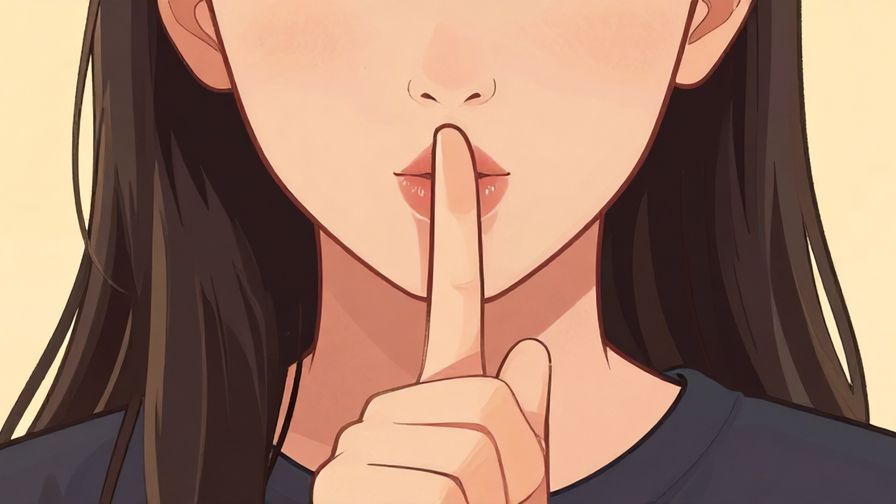
This is a classic proverb reminding you that speaking too soon can bring bad luck.
口 (Kuchi) means mouth, 災いの元 (wazawai no moto) means source of disaster.
Use it to warn yourself or others about jinxing.
It’s very native-like and shows cultural awareness.
Great for casual or semi-formal talks when you want to teach a lesson lightly.
A handy phrase to keep in your conversation toolkit.
19. 縁起でもない (Engi demo nai) – “That’s bad luck to say.”

Use this phrase to call out jinxing directly.
縁起 (Engi) means “omen” or “luck,” and でもない (demo nai) means “not even.”
It’s like saying “Don’t say that, it’s unlucky!”
Common among friends and family to prevent tempting fate.
It’s casual and widely understood.
Great for stopping the jinx before it happens.
20. 不吉だな (Fukitsu da na) – “That’s ominous.”

This phrase expresses that something feels unlucky or jinxed.
不吉 (Fukitsu) means ominous or unlucky, and だな (da na) adds a casual tone.
Use it to comment on a jinxed situation with a little drama.
It’s casual but impactful, perfect for native-like conversations.
Try it when you want to sound a bit mysterious or serious.
It’s a neat way to call a jinx without being too blunt.
21. もう呪われたかも (Mou norowareta kamo) – “I might already be cursed.”

This phrase is a playful exaggeration of being jinxed or cursed.
もう (Mou) means already, 呪われた (norowareta) means was cursed, and かも (kamo) means maybe.
Great for joking around with friends after a jinxed moment.
It shows a fun, lighthearted attitude toward bad luck.
Use it to keep spirits high even when things go wrong.
A perfect phrase for casual, humorous conversations.
22. だめだ、じんくすった (Dame da, jinkusutta) – “No good, I jinxed it.”

This is a very casual and native-like way to say “I jinxed it.”
だめだ (Dame da) means “No good,” and じんくすった (jinkusutta) comes from the English “jinx” plus the past tense verb form.
It’s slangy and perfect for informal chats among friends.
Use this when you want to sound super natural and relaxed.
It’s a fun way to blend English influence with Japanese casual speech.
Great for younger speakers or anyone wanting to keep it light.
Concluding Thought
Jinxing is one of those moments where language really shines—capturing feelings of regret, surprise, and a bit of humor all at once.
By learning these 22 Japanese expressions, you’re not just avoiding jinxes, you’re connecting with the culture and sounding more like a native.
So next time you feel that “oops” moment creeping in, you’ll have just the right phrase to handle it like a pro. Happy speaking, and may your luck always be on your side!