22 Japanese ways to say “Touch wood”
Ever caught yourself saying “touch wood” to avoid tempting fate? In Japan, there isn’t one exact phrase that matches it perfectly, but there are plenty of charming, quirky ways to express that same hope for good luck.
Whether you’re chatting with friends or trying to sound a bit more polished, the Japanese language offers a variety of ways to say “touch wood.” Some are casual and fun, others more polite or super natural — and a few are downright poetic!
Ready to learn 22 different Japanese phrases and expressions that carry the spirit of “touch wood”? You’ll get pronunciation tips, helpful meanings, and a little cultural insight along the way.
By the end, you’ll not only have new phrases to pull out at just the right moment but also a deeper sense of how the Japanese language wraps luck, hope, and superstition into everyday conversations.
Let’s dive into these warm, relatable expressions that will keep your luck safe — Japanese style!
And if you want to deepen your knowledge, a great way to explore these phrases is by checking out a phrasebook for daily Japanese expressions.
Understanding How Japanese Approaches “Touch Wood”
Unlike English, Japanese doesn’t have a one-size-fits-all phrase for “touch wood.” Instead, people use different sayings or gestures to express the hope that bad luck won’t strike.
Most of these involve wishing for good fortune, avoiding jinxing yourself, or simply hoping things turn out well.
Some expressions are tied to old superstitions, while others are just casual ways to say “I hope this keeps going well.”
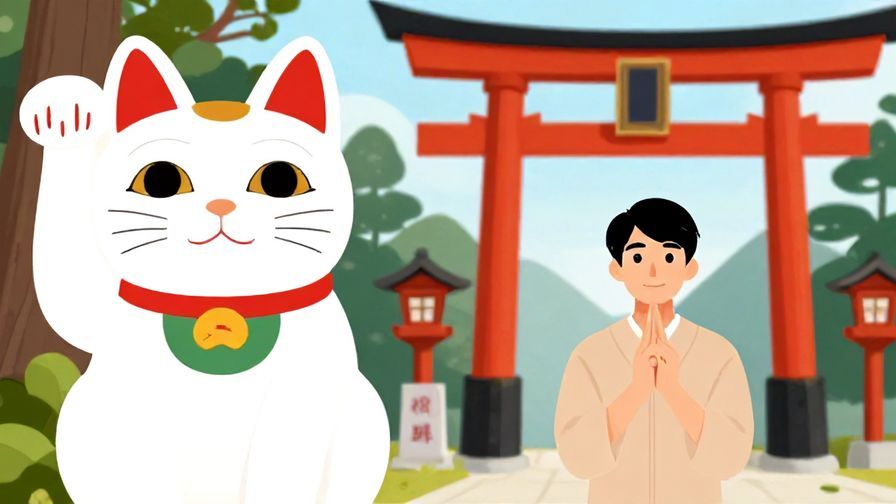
One handy tool is using a Japanese culture and language guide to see how these expressions fit into real life.
Once you get the hang of the vibe behind these phrases, you’ll feel confident using them naturally.
And remember, sometimes a simple gesture or a short phrase can speak volumes in Japanese luck-talk!
Part 1: Casual Suggestions
1. 木に触る (Ki ni sawaru) – “Touch the wood.”
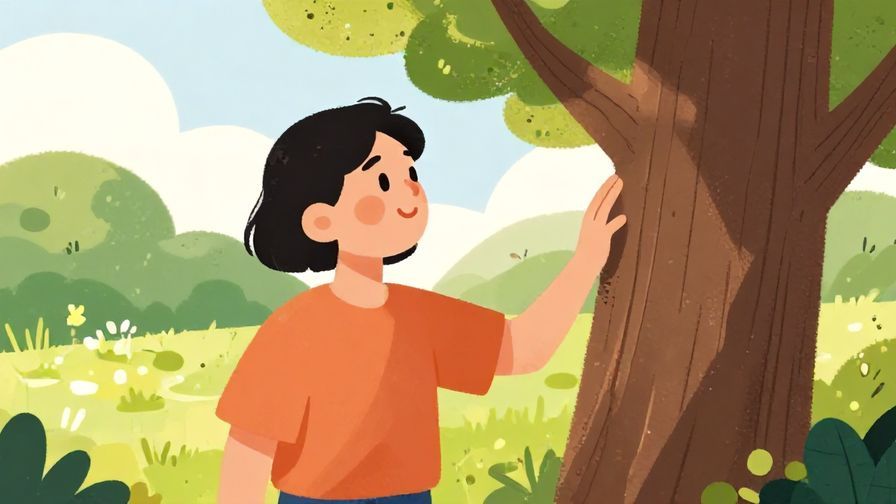
This phrase literally means “to touch the wood,” just like in English.
“Ki” (き) means “wood” or “tree,” and “sawaru” (さわる) means “to touch.” Put together, it’s a straightforward way to say “touch wood.”
It’s casual and easy to remember, perfect for everyday use.
Using this phrase while actually touching wood adds to the charm and superstition.
Similar phrases might include just “ki ni sawatte” (touching wood), which is a bit more colloquial.
Try it next time you want to ward off bad luck — it’s a neat cultural overlap!
2. 触らぬ神に祟りなし (Sawara nu kami ni tatari nashi) – “No curse on the god you do not touch.”
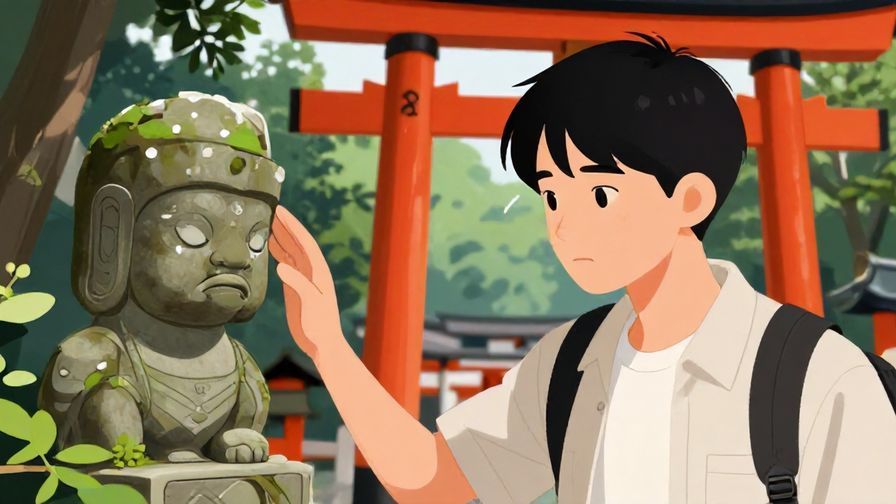
This is a classic Japanese proverb meaning “Don’t poke the bear” or “Don’t stir up trouble.”
It literally says if you don’t touch or bother a god, you won’t be cursed.
“Sawara nu” is an old negative form of “touch,” and “tatari” means “curse.”
This phrase is a bit more formal and poetic, but it captures the same idea of avoiding bad luck.
It’s often used when people want to express “Let’s not jinx it” or “Better safe than sorry.”
Perfect to share with friends when you want to sound wise and a bit old-school.
3. 幸運を祈る (Kōun o inoru) – “Praying for good luck.”
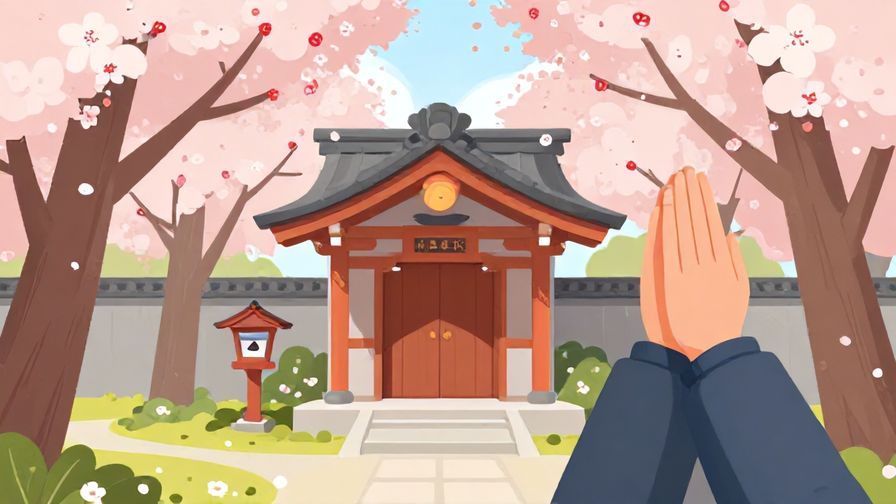
This phrase means “I’m praying for good luck” and is a positive way to express hope.
“Kōun” (こううん) means “good luck,” and “inoru” (いのる) means “to pray.”
It’s a gentle, hopeful phrase you can use anytime you want to wish for fortune.
While not exactly “touch wood,” it conveys a similar feeling of hoping things stay good.
Try pairing it with a light bow or silent moment to make it more heartfelt.
It’s a nice phrase for more spiritual or respectful contexts.
4. 運を天に任せる (Un o ten ni makaseru) – “Leave luck to heaven.”

This phrase means “leaving your luck up to fate or heaven.”
“Un” (うん) is “luck,” “ten” (てん) means “heaven,” and “makaseru” (まかせる) means “to entrust.”
It’s a laid-back way to accept whatever happens, with hope that luck stays on your side.
You can say this when you’ve done your best but want to wish for a bit of fortune.
It’s casual but thoughtful — a great phrase when you want to sound philosophical.
Often used after exams or big decisions where luck plays a role.
5. 縁起をかつぐ (Engi o katsugu) – “To follow a superstition.”
This phrase means “to observe or follow good luck customs or superstitions.”
“Engi” (えんぎ) means “good omen” or “luck,” and “katsugu” (かつぐ) means “to believe in” or “to carry.”
It’s often used when people do small rituals, like touching wood or avoiding unlucky numbers.
You can say, “今日も縁起をかついでるね” (“You’re following the superstition again today!”) casually to a friend.
This phrase is perfect to talk about the whole idea of “touch wood” in a broader sense.
Great for conversations about habits and lucky charms.
6. まじないをする (Majinai o suru) – “To do a charm or spell.”

This phrase means “to perform a charm or ritual for luck.”
“Majinai” (まじない) means “spell” or “charm,” and “suru” (する) means “to do.”
It’s a bit more mystical but still common for everyday superstitions.
People say this when they touch wood, wear lucky charms, or do specific rituals.
It’s a fun phrase to learn if you’re interested in Japanese folk beliefs.
Try it when talking about lucky habits or seasonal charms like omamori.
7. 幸せが続きますように (Shiawase ga tsuzukimasu yō ni) – “May happiness continue.”

This is a warm wish that your happiness or good luck will keep going.
“Shiawase” (しあわせ) means “happiness,” “tsuzukimasu” (つづきます) means “to continue,” and “yō ni” (ように) adds the meaning “may it happen.”
It’s a positive, hopeful phrase to say instead of “touch wood.”
Great for casual conversations where you want to sound uplifting and kind.
You can say it after telling a good story or success.
It’s also a lovely phrase to add warmth to your everyday chats.
8. いいことがありますように (Ii koto ga arimasu yō ni) – “Hope good things happen.”

This phrase means “I hope something good happens.”
“Ii koto” (いいこと) means “good thing,” “arimasu” (あります) means “there is,” and “yō ni” (ように) is “may it be.”
It’s a nice way to express hope without touching on superstition directly.
Use it when wishing friends luck or positive outcomes.
It sounds gentle and natural in daily talk.
Adding this phrase can brighten up any hopeful conversation.
Part 2: Polite & Formal Suggestions
9. ご幸運をお祈りします (Go kōun o oinori shimasu) – “I sincerely pray for your good luck.”

This is a very polite and formal way to say “I wish you good luck.”
“Go” (ご) is an honorific prefix, “kōun” (こううん) means “good luck,” “oinori” (おいのり) is “prayer,” and “shimasu” (します) means “to do.”
It’s perfect for professional settings or when speaking respectfully.
Use it in emails, speeches, or formal conversations.
It has a calm and sincere tone, great for wishing success or safety.
This phrase suits occasions like exams, ceremonies, or business meetings.
10. 運気を上げる (Unki o ageru) – “Raise your fortune.”

This phrase means “to improve or raise your luck.”
“Unki” (うんき) means “fortune” or “luck,” and “ageru” (あげる) means “to raise” or “to lift up.”
You can say it in contexts of feng shui, positive thinking, or rituals.
It’s polite but casual enough for conversations about fortune improvement.
Try it when talking about lucky charms, decorations, or habits.
It’s a proactive phrase showing you’re taking steps to keep luck good.
11. 幸運が訪れますように (Kōun ga otozuremasu yō ni) – “May good fortune come to you.”

This is a formal and poetic phrase to wish someone good fortune.
“Kōun” (こううん) is “good luck,” “otozuremasu” (おとずれます) means “to visit,” and “yō ni” (ように) means “may.”
It sounds heartfelt and elegant, great for cards or speeches.
It’s a classic way to express hope for luck in a respectful manner.
Use it in letters or messages to people you want to encourage warmly.
This phrase carries beautiful imagery of luck arriving like a guest.
12. 幸せが訪れますように (Shiawase ga otozuremasu yō ni) – “May happiness come to you.”

This is a similar phrase to the above, but focused on happiness instead of luck.
“Shiawase” (しあわせ) means “happiness,” “otozuremasu” (おとずれます) “to visit,” and “yō ni” (ように) “may.”
It’s polite, warm, and often used in formal well-wishing contexts.
Perfect for weddings, farewells, or heartfelt moments.
It adds a softer, emotional touch to your expressions of hope.
A beautiful phrase to close letters or speeches on a hopeful note.
13. どうか無事でありますように (Dōka buji de arimasu yō ni) – “Please stay safe.”

This phrase means “I hope you remain safe and sound.”
“Dōka” (どうか) means “please,” “buji” (ぶじ) means “safe,” “de arimasu” is a polite form of “to be,” and “yō ni” means “may.”
It’s used to wish safety in uncertain or risky situations.
It’s formal and caring, perfect for serious moments.
Use it when someone is traveling, ill, or facing challenges.
A heartfelt way to express your concern and hope.
14. 末永く幸せでありますように (Suenagaku shiawase de arimasu yō ni) – “Wishing you long-lasting happiness.”

This elegant phrase wishes someone happiness that lasts forever.
“Suenagaku” (すえながく) means “for a long time,” “shiawase” (しあわせ) “happiness,” “de arimasu” polite “to be,” and “yō ni” “may.”
It’s very polite and often heard at weddings or anniversaries.
It adds a beautiful, lasting sense to your good wishes.
Great for formal cards, speeches, or heartfelt moments.
Use it to show you care about lifelong happiness.
15. 幸運をお祈り申し上げます (Kōun o oinori mōshiagemasu) – “I humbly pray for your good fortune.”

This is an extremely formal and respectful way to wish good luck.
“Mōshiagemasu” (もうしあげます) is a humble verb form meaning “to say” or “to do.”
This phrase is perfect for official or ceremonial occasions.
Use it in business letters, speeches, or formal emails.
It’s the kind of phrase that shows deep respect and sincerity.
Great when you want to make a polished impression.
16. どうか幸運が訪れますように (Dōka kōun ga otozuremasu yō ni) – “Please may good luck come.”

This polite phrase adds “please” to the wish for good fortune.
“Dōka” (どうか) means “please,” softening the request.
It’s a lovely phrase to say when you want extra warmth or politeness.
Use it in emails, speech, or personal messages.
It feels hopeful and gentle — just right for delicate situations.
Perfect for wishing someone luck with kindness and respect.
Part 3: Very Casual / Native-like Expressions
17. ヤバくない?触っとく? (Yabakunai? Sawattoku?) – “Isn’t it risky? Should I touch it?”
This is a playful, very casual phrase that friends might say jokingly.
“Yabakunai” (やばくない) means “Isn’t it dangerous/risky?” and “sawattoku” (触っとく) is a slangy way of saying “touch it just in case.”
It’s a fun way to mimic “touch wood” among friends.
Use it when you want to be lighthearted and sound natural.
Perfect for casual chats, laughs, and informal settings.
It’s a great phrase to break the ice and share a superstitious joke.
18. 触らない方がいいよ (Sawaranai hō ga ii yo) – “Better not to touch it.”
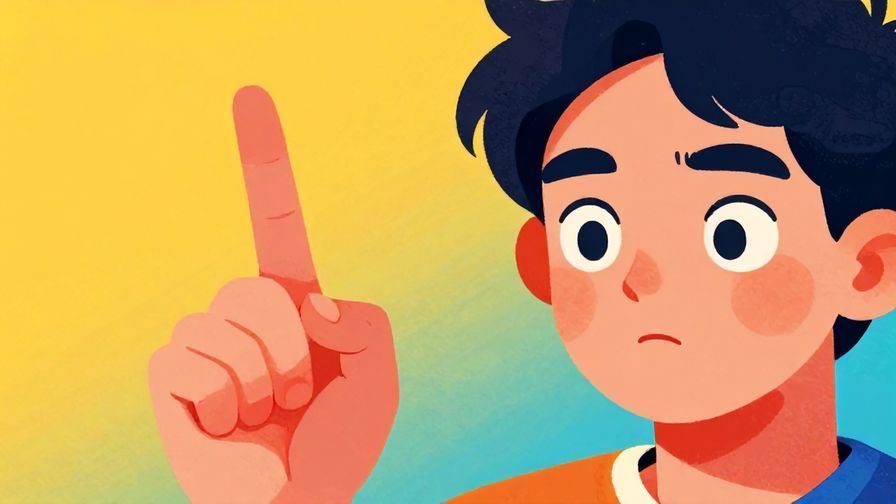
This phrase means “It’s better not to touch,” implying you don’t want to jinx it.
“Sawaranai” (触らない) is “don’t touch,” “hō ga ii” (方がいい) means “it’s better,” and “yo” (よ) adds emphasis.
It’s casual and a little cheeky, often used among friends.
Use it when you want to tease or gently warn someone.
It’s a subtle way to express “touch wood” without saying it directly.
Great for everyday conversations with people you know well.
19. これ以上言うなよ (Kore ijō iu na yo) – “Don’t say any more than this.”
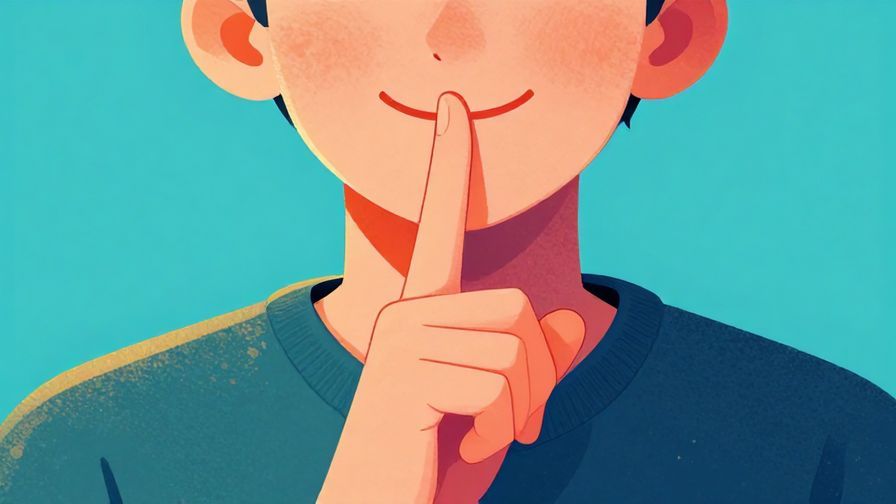
This phrase hints at not wanting to jinx the current good situation.
“Kore ijō” (これ以上) means “anymore than this,” “iu na” (言うな) means “don’t say,” and “yo” adds emphasis.
It’s a very casual, natural way to avoid tempting fate.
Use it after sharing good news or positive outcomes.
It’s like saying “Let’s not speak too soon.”
Perfect for native-like conversations with close friends or family.
20. まだ安心できないよね (Mada anshin dekinai yo ne) – “We still can’t be sure, right?”
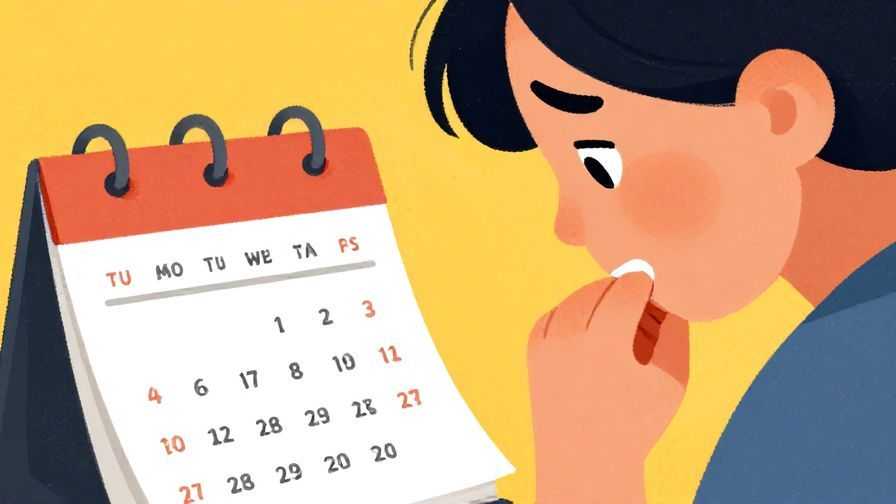
This phrase expresses a cautious hope without fully relaxing.
“Mada” (まだ) means “still,” “anshin dekinai” (安心できない) means “can’t be at ease,” and “yo ne” softens the statement.
It’s a casual, realistic way to show you’re hoping but not jinxing it.
Use it when waiting for results or outcomes.
This phrase is very common in everyday life and sounds very natural.
Great for conversations where you want to be honest and hopeful.
21. 触ったらダメだよ! (Sawattara dame da yo!) – “Don’t touch it!”

This phrase is a playful warning not to touch something and potentially jinx it.
“Sawattara” (触ったら) means “if you touch,” “dame” (ダメ) means “no good” or “don’t,” and “da yo” adds emphasis.
It’s informal and common in casual speech.
Use it jokingly among friends or family when someone is about to say or do something risky.
It’s a fun way to keep the superstition alive in conversation.
This phrase feels very natural and native-like in everyday Japanese.
22. 運を呼び込もう! (Un o yobikomō!) – “Let’s call in the luck!”

This energetic phrase means “Let’s attract luck!”
“Un” (うん) is “luck,” “yobikomō” (呼び込もう) is the volitional form of “to call in” or “to invite.”
It’s casual, motivating, and perfect for group settings.
Use it when you want to boost morale or start something on a lucky note.
This phrase carries a positive, proactive vibe.
A wonderful way to rally friends or teammates with a lucky spirit!
Concluding Thought
Exploring these 22 Japanese ways to say “touch wood” reveals how rich and diverse expressions of luck and hope are in Japan.
From formal prayers to casual slang, the language beautifully captures the human desire to stay safe and attract good fortune.
So next time you want to keep your luck intact, try out one of these phrases — it’s a fun way to connect with Japanese culture and bring a little extra charm to your day!