22 Japanese ways to say “Break a leg”
Ever wondered how to say the familiar phrase “Break a leg” in Japanese? It’s not just a direct translation; instead, the Japanese have their own unique ways to wish someone good luck, especially before a performance or big event.
These expressions range from casual to formal, and some are even sprinkled with cultural nuances that make them extra special. They’re perfect for anyone learning Japanese or just looking to add a bit of flair when encouraging friends.
In this listicle, we’ll explore 22 different ways to say “Break a leg” in Japanese, each with pronunciation tips and simple explanations.
Whether you’re cheering on an actor, a student, or a friend about to take on a challenge, these phrases will help you express encouragement in a warm, relatable way.
Plus, learning these phrases will deepen your understanding of Japanese culture and language in a fun and practical way.
Ready to add some Japanese good luck wishes to your language toolkit? Let’s dive in!
Understanding Japanese Good Luck Wishes
Before jumping into the specific phrases, it’s helpful to know that Japanese often avoid directly saying “good luck” or “break a leg” because of cultural sensitivities around superstition and humility.
Instead, they use expressions that imply encouragement, success, or perseverance without tempting fate.
We’ll start with casual expressions, then move on to polite and formal ones, and finally, explore very casual, native-like phrases.
Sometimes, using a great beginner phrasebook can give you a perfect starting point for a cohesive understanding.
These little encouragements are easy to remember and fun to use.
Let’s get started with some casual suggestions!
Part 1: Casual Suggestions
1. 頑張ってね (Ganbatte ne) – “Do your best!”

This is the most common and heartfelt way to say “good luck” in Japanese.
“頑張って” (Ganbatte) means “do your best” or “hang in there,” and “ね” (ne) adds a soft, friendly tone. It’s perfect for encouraging friends or family.
It’s easy to remember because “ganbaru” means to persist or do your best, which is a positive, motivating sentiment.
Use it before exams, performances, or any challenge.
You might also hear “頑張れ” (Ganbare), a slightly stronger encouragement.
Try using this one often—it’s a warm, versatile phrase that fits almost any situation.
2. ファイト! (Faito!) – “Fight!”

Borrowed from English, “ファイト!” (Faito) is a casual, energetic way to say “Go for it!” or “You can do it!”
It’s often used in sports or competitive situations and is easy to shout out with enthusiasm.
Practice saying it with a strong, encouraging tone—like a cheerleader.
Just be careful not to overuse it in very formal settings.
It’s perfect for friends or teammates needing a boost.
Combine it with “頑張って!” for double encouragement!
3. うまくいくよ (Umaku iku yo) – “It’ll go well.”

This phrase reassures someone that things will turn out fine.
“うまく” (Umaku) means “well,” and “いく” (iku) means “go,” so together it means “It will go well.” The “よ” (yo) adds emphasis.
It’s a great way to calm nerves while wishing success.
Use it when you want to be supportive without sounding too pushy.
This phrase is often said with a reassuring smile.
Try saying this to a nervous friend before a presentation.
4. 成功を祈るよ (Seikou wo inoru yo) – “I pray for your success.”

This phrase is a bit more formal and carries a respectful tone.
“成功” (Seikou) means “success,” “祈る” (inoru) means “to pray,” and “よ” (yo) adds a friendly emphasis.
It’s perfect if you want to express sincere hope for someone’s success.
Use this for colleagues or acquaintances when you want to be polite yet warm.
It’s a thoughtful alternative to the casual “頑張って.”
Great for good luck messages or cards.
5. 気をつけてね (Ki wo tsukete ne) – “Take care!”

While not a direct “break a leg” phrase, “気をつけてね” is often used to wish safety and well-being.
“気をつけて” (Ki wo tsukete) means “be careful,” and “ね” (ne) softens it kindly.
This is great when someone is about to embark on something potentially challenging or risky.
It shows you care about their safety as well as success.
Use it casually with friends or family.
It’s a sweet way to combine encouragement and care.
6. いい結果が出ますように (Ii kekka ga demasu you ni) – “Wishing you good results.”

This phrase directly wishes for good outcomes.
“いい結果” (Ii kekka) means “good results,” and “出ますように” (demasu you ni) is a polite way to say “I hope it comes out.”
It’s often used before exams, auditions, or competitions.
It has a gentle, hopeful tone without being too casual.
Perfect for formal encouragement or written messages.
Try this when you want to sound supportive and sincere.
7. 大成功を祈ってるよ (Dai seikou wo inotteru yo) – “Praying for great success.”

This is a slightly stronger and more heartfelt version of wishing success.
“大成功” (Dai seikou) means “great success,” and “祈ってる” (inotteru) is a casual form of “praying.”
It’s casual enough for friends but carries a meaningful weight.
Say this when you want your encouragement to feel personal and powerful.
It’s great for big events like performances or business pitches.
Use it to show you truly believe in someone’s success.
8. 楽しんでね (Tanoshinde ne) – “Have fun!”

Sometimes the best encouragement is to just enjoy the moment.
“楽しんで” (Tanoshinde) means “have fun,” and “ね” (ne) adds warmth.
It’s a relaxed, friendly way to wish someone well.
Perfect for performers or anyone facing a challenge where enjoying the process matters.
This phrase helps lighten the mood and reduce pressure.
Try it when you want to send positive vibes beyond just success.
Part 2: Polite & Formal Suggestions
9. ご成功をお祈り申し上げます (Goseikou wo oinori moushiagemasu) – “I sincerely pray for your success.”

This is a very polite and formal way to wish success, often used in professional contexts.
“ご成功” (Goseikou) adds honorific respect to “success,” and “お祈り申し上げます” (oinori moushiagemasu) means “I humbly pray.”
It’s perfect for emails, speeches, or formal letters.
This phrase shows deep respect and good wishes.
Use it when addressing superiors or clients.
It’s a polished way to encourage someone professionally.
10. ご健闘をお祈りします (Gokentou wo oinori shimasu) – “I pray for your good fight/effort.”

“健闘” (Kentou) means “fighting well” or “doing one’s best,” and this phrase respectfully wishes someone strength.
It’s often used in official announcements or in the workplace.
“お祈りします” (Oinori shimasu) is a polite way of saying “I pray.”
Use this to sound formal while encouraging effort and perseverance.
Great for colleagues or formal groups.
This phrase balances professionalism with sincere support.
11. ご活躍を期待しております (Gokatsuyaku wo kitai shite orimasu) – “I’m looking forward to your success.”

This phrase expresses anticipation of someone’s success.
“活躍” (Katsuyaku) means “active success” or “great performance,” and “期待しております” (kitai shite orimasu) means “I am expecting.”
It’s often used in business or academic contexts.
Use it to politely encourage someone’s future achievements.
It politely combines hope and respect.
Perfect for formal emails or speeches.
12. どうぞご健闘くださいませ (Douzo gokentou kudasaimase) – “Please do your best.”

This is a very polite, humble way to encourage someone.
“どうぞ” (Douzo) means “please,” “ご健闘” (gokentou) means “good fight/effort,” and “くださいませ” (kudasaimase) is a very polite request form.
It’s often used in customer service or formal conversations.
Use this to respectfully urge someone to do their best.
It’s perfect when you want to keep the tone very polite.
Great for formal letters or announcements.
13. ご成功を心よりお祈り申し上げます (Goseikou wo kokoro yori oinori moushiagemasu) – “I sincerely pray for your success from the heart.”

This phrase adds “心より” (kokoro yori), meaning “from the heart,” to express deep sincerity.
It’s very formal and often used in official messages or condolence cards.
Use it when you want to show genuine, heartfelt encouragement.
It’s a beautiful way to express your hopes respectfully.
Perfect for formal speeches or writing.
Use it to leave a strong, kind impression.
14. ご成功をお祈り申し上げますと共に (Goseikou wo oinori moushiagemasu to tomoni) – “Along with praying for your success…”

This phrase is often the start of a longer formal message, expressing respect and encouragement.
“と共に” (to tomoni) means “along with,” so it can introduce additional wishes or messages.
Use it in speeches or emails to soften the tone while still being respectful.
It’s a nice way to combine good wishes with other sentiments.
Great for corporate or formal ceremonies.
Shows thoughtfulness and polish.
15. ご成功を祈念いたします (Goseikou wo kinen itashimasu) – “I sincerely wish for your success.”
“祈念いたします” (kinen itashimasu) is a very formal way to say “I pray” or “wish.”
This phrase is often seen in official documents or ceremonies.
It carries a tone of humility and respect.
Use it to convey sincere wishes in a very formal environment.
Perfect for letters, announcements, or speeches.
This phrase enhances your respectful language skills.
16. ご多幸をお祈りいたします (Gotakou wo oinori itashimasu) – “I pray for your happiness and success.”

This phrase adds “多幸” (takou), meaning “many happinesses,” for a more holistic wish.
It’s formal and heartfelt, often used in written messages.
Use it to wish both success and happiness simultaneously.
It’s great for congratulatory cards or formal speeches.
This phrase adds a spiritual, warm touch.
Perfect when you want to express well-rounded goodwill.
Part 3: Very Casual / Native-like Expressions
17. いってらっしゃい (Itterasshai) – “Go and come back!”
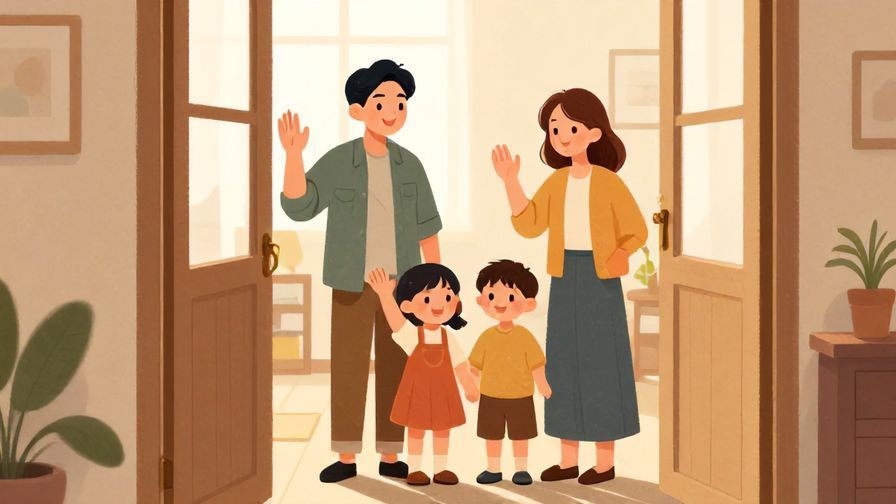
This phrase literally means “Go and come back safely.”
It’s a casual, affectionate send-off used by family and friends.
It’s not a direct “break a leg,” but it carries care and encouragement.
Use it casually when someone is leaving for an important event.
It’s warm, native, and commonly heard in everyday life.
Try this to sound more natural and caring.
18. いい感じでね (Ii kanji de ne) – “Do it with a good vibe.”

This is a very casual, slangy way to say “Good luck” or “Do your best.”
“いい感じ” (ii kanji) means “good feeling” or “good vibe.”
It’s perfect to say to close friends or younger people.
It’s informal and fun, great for casual encouragement.
Try it when you want to sound chill and supportive.
This phrase adds a cool, native touch to your speech.
19. 頑張れよ! (Ganbare yo!) – “Do your best, okay!”

Similar to “頑張ってね,” this is a more direct and masculine-sounding encouragement.
“よ” (yo) adds emphasis, making it stronger and more assertive.
Use with close male friends or in energetic situations.
It’s casual but very motivating.
Great for sports or tough challenges.
It’s a phrase full of spirit!
20. うまくやれよ (Umaku yare yo) – “Do it well, okay!”

This is a casual, straightforward way to say “Do it well.”
“うまく” (umaku) means “well,” “やれ” (yare) means “do it,” and “よ” (yo) adds emphasis.
It’s often used among friends or teammates.
Use it to sound casual and supportive.
It’s a bit rougher than “頑張って,” so use appropriately.
This phrase shows confidence in the person’s ability.
21. いいパフォーマンスを! (Ii pafoomansu wo!) – “Have a good performance!”

Borrowing from English, this phrase is used casually to encourage performers.
“いい” (ii) means “good,” and “パフォーマンス” (pafoomansu) means “performance.”
It’s simple and effective for stage or sports encouragement.
Use it casually with friends involved in shows or competitions.
It’s a friendly, straightforward phrase.
Try it for a natural, motivating cheer.
22. 楽しんで頑張って! (Tanoshinde ganbatte!) – “Have fun and do your best!”

This phrase combines two great elements: “楽しんで” (have fun) and “頑張って” (do your best).
It’s casual, supportive, and full of positive energy.
Perfect for friends heading into any challenge.
It reminds people to enjoy the moment while giving their all.
Try this to sound encouraging and warm.
A perfect all-around phrase for good luck!
Concluding Thought
Exploring these 22 Japanese ways to say “Break a leg” shows just how rich and nuanced encouragement can be in another language.
Whether casual, formal, or native-like, each phrase carries its own flavor of warmth and support that goes beyond a simple wish.
Next time you want to cheer someone on in Japanese, you’ll have a treasure trove of expressions to choose from—each one sure to bring a smile and a boost of confidence.