22 Japanese ways to say “Today is my lucky day”
Ever had one of those days where everything just seems to go your way? Like the universe is giving you a gentle nudge and whispering, “Today is your lucky day!”
In Japanese, there are many fun and warm ways to express that feeling. Whether you want to sound casual, polite, or just native-like, there’s a phrase for every mood and moment.
Learning different ways to say something as uplifting as “Today is my lucky day” not only boosts your language skills but also connects you to the culture in a deeper way.
So, let’s dive into 22 charming Japanese expressions that can brighten your day and impress your friends.
Each phrase comes with a simple pronunciation guide and a little explanation to keep things easy and memorable.
Ready to sprinkle some luck in your Japanese conversations? Let’s get started!
Different Ways to Say “Today is my lucky day” in Japanese
Before we jump into the list, it’s helpful to know some basics about luck-related words in Japanese. The word for “luck” is 運 (un, “oon”), and “today” is 今日 (kyou, “kyo-u”).
By mixing and matching these words with common expressions, you can create heartfelt and natural phrases.
Most people use casual or polite forms depending on who they are talking to, so keep that in mind!

If you want a handy companion to explore Japanese luck expressions, check out this collection of Japanese phrasebooks that help you dive deeper into everyday expressions.
Let’s make today a lucky day with these lovely phrases!
Keep these expressions in mind and practice them whenever you feel the luck is on your side.
Part 1: Casual Suggestions
1. 今日はついてる日だ (Kyou wa tsuiteru hi da) – “Today is a lucky day.”

This is a straightforward and common way to say “Today is my lucky day.”
“今日 (Kyou)” means “today,” “ついてる (tsuiteru)” means “lucky” or “fortunate,” and “日 (hi)” means “day.” Adding “だ (da)” makes it casual and declarative.
It’s perfect for telling friends or family about your great day without sounding too formal.
Simple and direct, this phrase works in almost any casual setting.
You can also say “ついてる (tsuiteru)” alone to express feeling lucky.
Try using it when something good unexpectedly happens, like finding money or getting good news!
2. 運がいい日だね (Un ga ii hi da ne) – “It’s a lucky day, isn’t it?”

Adding “運がいい (un ga ii)” literally means “luck is good,” and “日 (hi)” again means “day.”
The ending “ね (ne)” invites agreement, making it a friendly and conversational phrase.
This is great for casual chats when you want to share the feeling of a lucky day with someone else.
It’s easy to remember because “運 (un)” is the key luck word, and “いい (ii)” is basic for “good.”
Make sure not to confuse “いい” with politeness here; it just means “good.”
Use it to highlight a lucky streak or a positive vibe in your day.
3. 今日はラッキーデーだ! (Kyou wa rakkii dee da!) – “Today is a lucky day!”

This phrase uses the English loanword “ラッキーデー (rakkii dee)” which sounds just like “lucky day.”
It’s casual, fun, and often used by younger people or in informal situations.
“今日は (Kyou wa)” sets the time frame as “today,” and “だ (da)” marks the statement.
It’s easy to remember because it sounds very similar to the English phrase.
Try it when you want to express excitement or celebrate good fortune with friends.
This phrase carries a cheerful and modern vibe, perfect for upbeat moments.
4. 今日は運が味方してる (Kyou wa un ga mikata shiteru) – “Luck is on my side today.”

This is a bit more poetic and implies that luck is actively supporting you.
“運が (un ga)” is “luck,” “味方してる (mikata shiteru)” means “is on my side” or “is an ally.”
It’s casual but slightly more expressive and can be used in informal talks.
It’s a great phrase to share when you feel especially fortunate or empowered.
Practice it by associating “味方 (mikata)” with “ally” or “friend” to remember the meaning.
It’s a warm way to say your day feels lucky because luck is your partner.
5. 今日はツイてるね! (Kyou wa tsuiteru ne!) – “You’re lucky today!” or “Today’s lucky!”
“ツイてる (tsuiteru)” is a casual way to say “lucky” or “fortunate.”
Adding “ね (ne)” makes it friendly and inviting agreement, like “Isn’t that lucky?”
This phrase can be used for yourself or to compliment someone else’s luck.
It’s short, sweet, and perfect for everyday conversations.
Remember “ツイてる” as a slang-like, positive expression of fortune.
Use it when you or your friends are experiencing good luck moments.
6. 今日は幸運な日だ (Kyou wa kouun na hi da) – “Today is a fortunate day.”
“幸運 (kouun)” means “good fortune” or “luck,” and “な (na)” connects it to “日 (hi),” meaning day.
This is a slightly more formal but still casual way to talk about a lucky day.
It’s useful for conversations that are a bit more serious or thoughtful.
“幸運” is a nice word to learn because it’s often used in writing and speeches.
Try pairing it with “今日は” to describe a special, fortunate day.
This phrase sounds refined without being too stiff.
7. 今日は運が良すぎる! (Kyou wa un ga yosugiru!) – “Today, my luck is too good!”

The phrase “良すぎる (yosugiru)” means “too good” or “excessively good.”
Here, it emphasizes that your luck today is beyond normal expectations.
It’s casual and playful, perfect when you feel especially lucky.
“運が良すぎる” is a fun way to exaggerate your lucky streak.
Be careful to use it only when you genuinely want to express surprise about your fortune.
This adds a humorous touch to your lucky-day expression.
8. 今日はツイてる感じがする (Kyou wa tsuiteru kanji ga suru) – “I feel like I’m lucky today.”

This phrase adds a feeling of intuition or vibe: “感じがする (kanji ga suru)” means “feel like” or “have a sense.”
It’s casual and perfect when you don’t want to be too direct but still express optimism.
Great for conversations where you share a positive feeling about the day.
“ツイてる感じがする” can help you sound natural and relatable.
Try saying it when you notice small happy coincidences happening around you.
This soft expression invites curiosity and connection.
Part 2: Polite & Formal Suggestions
9. 今日は幸運な日でございます (Kyou wa kouun na hi de gozaimasu) – “Today is a fortunate day.” (formal)
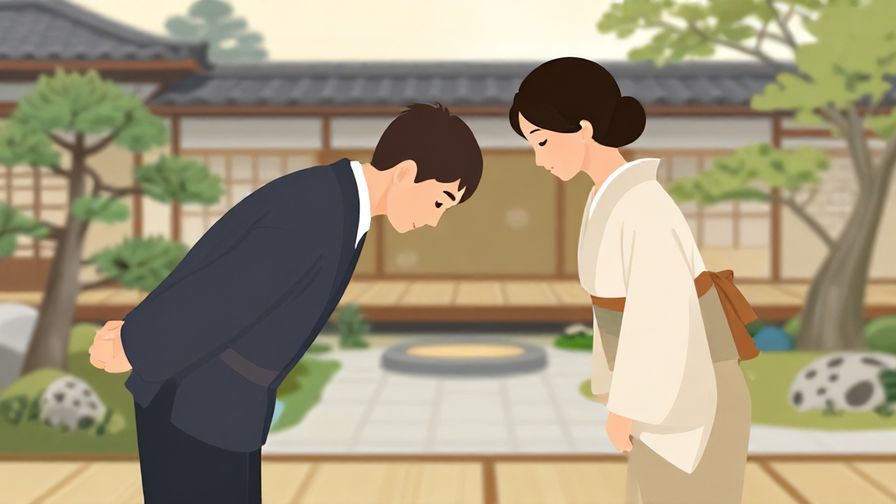
This is a very polite and formal way to say “Today is a lucky day.”
“でございます (de gozaimasu)” is a humble form used in formal speech or writing.
Use this when speaking to someone you respect or in formal settings.
It’s perfect for business conversations or ceremonial occasions.
Learning “でございます” helps you sound respectful and polished.
Try this phrase when you want to express gratitude for a lucky day formally.
10. 本日、運が良い日でございます (Honjitsu, un ga yoi hi de gozaimasu) – “Today is a good luck day.” (very formal)

“本日 (honjitsu)” is a formal word for “today,” often used in official announcements.
“良い (yoi)” means “good,” and “でございます (de gozaimasu)” adds politeness.
Use this when you want to sound very refined or in written form.
Great for presentations or formal greetings expressing good fortune.
It’s a useful phrase to memorize for professional or ceremonial Japanese.
Try it when you want to impress with your respectful language skills.
11. 今日は運が味方しております (Kyou wa un ga mikata shite orimasu) – “Luck is on my side today.” (formal)

This is the formal version of “luck is on my side.”
“しております” is a humble form of “している,” making it polite.
It’s perfect when you want to sound respectful but still positive.
Use it in polite conversations or emails to express good fortune.
It can be a great phrase to show humility and gratitude at the same time.
Practice this to add sophistication to your lucky day expressions.
12. 本日はついている日でございます (Honjitsu wa tsuite iru hi de gozaimasu) – “Today is a lucky day.” (formal)

“本日 (honjitsu)” again means “today,” and “ついている” is “lucky.”
Adding “でございます” makes the phrase appropriately formal.
Great for written messages, speeches, or polite conversations.
This phrase blends humility with positivity beautifully.
Remember it when you want to show respect while sharing good news.
It’s a phrase that sounds natural in formal Japanese culture contexts.
13. 今日は運が良好でございます (Kyou wa un ga ryoukou de gozaimasu) – “Today’s luck is excellent.” (formal)

“良好 (ryoukou)” means “excellent” or “good condition,” an elevated way to say “good luck.”
Use this phrase in formal reports or polite conversations.
It’s a sophisticated way to express that today’s luck is top-notch.
Perfect if you want to sound articulate and respectful.
Try pairing it with “本日” or “今日は” to vary your formal expressions.
This phrase impresses with a refined vocabulary touch.
14. 本日は幸せな日でございます (Honjitsu wa shiawase na hi de gozaimasu) – “Today is a happy day.” (formal)

“幸せ (shiawase)” means “happiness,” so this phrase emphasizes joy alongside luck.
It’s formal and polite, well-suited for ceremonies or respectful conversation.
You can use this when you want to highlight the overall positive feeling of the day.
Adding “でございます” maintains the respectful tone.
Great for emails or speech openings that celebrate good fortune.
It’s a lovely way to blend luck with happiness in your language.
15. 今日は素晴らしい運に恵まれています (Kyou wa subarashii un ni megumarete imasu) – “I am blessed with wonderful luck today.” (polite)

“素晴らしい (subarashii)” means “wonderful,” “運 (un)” is “luck,” and “恵まれています (megumarete imasu)” means “to be blessed with.”
This phrase is polite and expresses gratitude for luck.
It’s great for thoughtful conversations or writing.
Use this when you want to sound appreciative and refined.
Practice this to describe fortunate days with elegance.
It adds warmth and depth to your lucky day messages.
16. 本日は幸運に恵まれた日でございます (Honjitsu wa kouun ni megumareta hi de gozaimasu) – “Today is a day blessed with good fortune.” (very formal)
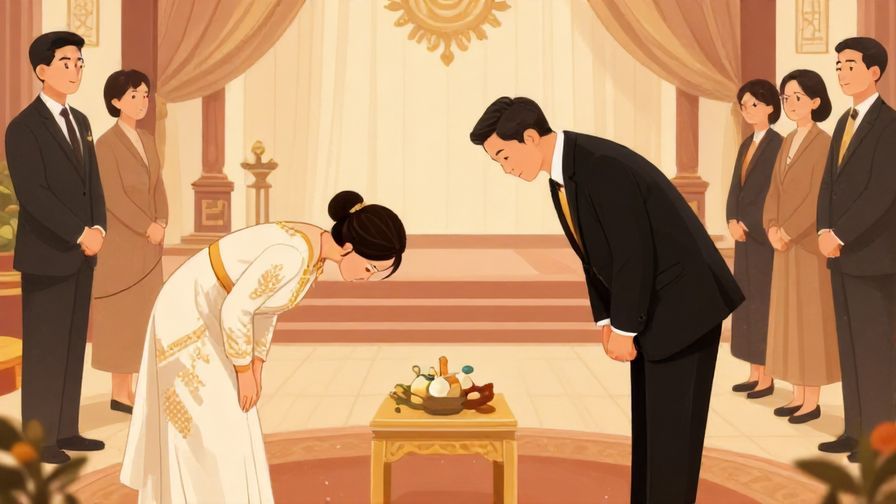
This is a very formal and respectful phrase suitable for official occasions.
It emphasizes being blessed with good fortune (“幸運に恵まれた”).
Use it in speeches, formal letters, or important announcements.
It’s a sophisticated phrase that shows utmost respect and gratitude.
Ideal for business or cultural events celebrating success or luck.
Learning this phrase boosts your formal Japanese repertoire significantly.
Part 3: Very Casual / Native-like Expressions
17. 今日はツイてる! (Kyou wa tsuiteru!) – “I’m lucky today!”

This is a short, casual, and very common phrase among friends.
“ツイてる” is slang for feeling lucky or fortunate.
It’s easy to say and sounds natural in everyday conversations.
Perfect for celebrating small wins or good vibes quickly.
You’ll hear this expression a lot in casual Japanese settings.
Use it to sound friendly and approachable.
18. 今日はマジで運がいい! (Kyou wa maji de un ga ii!) – “Seriously, I’m lucky today!”

“マジで (maji de)” means “seriously” or “really,” which adds emphasis.
This phrase is casual and used mostly by younger speakers.
It’s a lively way to show strong feelings about your luck.
Great for social media posts or chatting with friends.
Just be aware it’s not suitable for formal situations.
Try it when you want to sound excited and genuine.
19. 今日、運良すぎワロタ (Kyou, un yosugi warota) – “Today, my luck is too good, lol.”

This is an internet slang phrase very casual and humorous.
“ワロタ (warota)” is a slang way to say “lol” or laugh.
It’s popular among young people online to exaggerate luck.
Use it only with close friends or in informal chats.
It shows a fun, playful attitude toward your lucky streak.
Great for texting or social media where casual language rules.
20. 今日はついてるっしょ! (Kyou wa tsuiteru ssho!) – “I’m lucky today, right?” (casual)

“っしょ (ssho)” is a casual ending meaning “right?” or “isn’t it?”
This phrase sounds very native-like and friendly.
It’s perfect when joking or affirming your luck with friends.
It’s easy to remember because “ついてる” is the key lucky word.
Use it when you want to sound natural and relaxed.
It invites others to agree with your lucky feeling.
21. 今日は運が神ってる! (Kyou wa un ga kamitteru!) – “Today, luck is godlike!”

“神ってる (kamitteru)” is a trendy slang meaning “godlike” or “amazing.”
It’s used to express extreme luck or skill with a fun twist.
Popularized by pop culture, it’s perfect for casual boastful moments.
Try it when you want to hype up your lucky day in a playful way.
Not suitable for formal settings but great for friends or social media.
It makes your luck sound epic and unforgettable.
22. 今日マジで運が神がかってる! (Kyou maji de un ga kamigakatteru!) – “Today, I’m seriously blessed with godlike luck!”

This combines “マジで (maji de)” for “seriously” and “神がかってる (kamigakatteru)” for “godlike blessing.”
It’s very casual, energetic, and expressive.
Use it when you feel super lucky and want to share the hype.
Great for texting or chatting with close friends.
It’s a fun way to emphasize an amazing lucky day.
Practice this phrase to sound like a natural Japanese speaker on lucky days.
Concluding Thought
Exploring these different ways to say “Today is my lucky day” in Japanese shows how rich and varied the language can be.
Whether you want to sound casual, polite, or just like a native speaker, there’s a phrase for every lucky mood.
So next time fortune smiles on you, try one of these expressions and share your joy with confidence!