22 Japanese ways to say “Today is not my day”
Ever have one of those days when nothing seems to go right? You know, when you just want to say, “Today is not my day” but in a way that sounds natural and relatable?
Japanese has a bunch of great expressions for this feeling, each with its own nuance and vibe.
Whether you’re chatting with friends, venting to a colleague, or just thinking it to yourself, there’s a perfect phrase for every mood.
In this list, we’ll explore 22 warm, informal, and totally human ways to express “Today is not my day” in Japanese — along with helpful pronunciation guides and simple explanations.
Learning these will not only boost your Japanese skills but also help you connect with people on those less-than-perfect days.
Let’s dive in and find the perfect way to say it, no matter how your day’s been going!
Understanding the Mood Behind “Today is Not My Day”
Before we jump into the phrases, it’s good to get a feel for the vibe.
In Japanese, expressing a rough day can range from casual complaints to more poetic reflections, and even some humor.
Knowing when and how to use these phrases will make your conversations feel natural and sincere.
Sometimes, using a great beginner phrasebook can give you a perfect starting point for a cohesive understanding.
With practice, you’ll soon be able to express these feelings naturally and with just the right tone.
Ready? Here we go!
Part 1: Casual Suggestions
1. 今日はついてない日だ (Kyou wa tsuitenai hi da) – “Today is an unlucky day.”

This is a straightforward and casual way to say “Today is not my day.”
“今日 (Kyou)” means “today,” “ついてない (tsuitenai)” means “unlucky” or “unfortunate,” and “日 (hi)” means “day.”
It’s a go-to phrase when things just aren’t going your way.
Perfect for venting to friends without sounding too heavy.
You might also hear “運が悪い (un ga warui),” which means “bad luck.”
Use it to keep it simple and relatable when your day is full of little mishaps.
2. 今日はダメだな (Kyou wa dame da na) – “Today is no good, huh?”

This phrase is very conversational and informal.
“ダメ (dame)” means “no good” or “hopeless,” and adding “な (na)” softens it to sound like you’re sharing a feeling with someone.
It’s easy to remember and fits everyday chat perfectly.
Don’t overuse it in serious contexts, as it’s quite casual.
For example, say it when your coffee spills or when you miss the bus.
It’s a quick way to express mild frustration with a touch of humor.
3. 今日は調子が悪い (Kyou wa choushi ga warui) – “I’m not feeling well today.”

This phrase literally means “Today, my condition is bad.”
“調子 (choushi)” means “condition” or “state,” and “悪い (warui)” means “bad.”
It’s often used to say you’re physically or mentally off.
Great for when you want to express you’re just not at your best.
It can be used casually or semi-formally depending on tone.
Try it when you’re feeling sluggish or just “off” without sounding dramatic.
4. 今日はうまくいかない (Kyou wa umaku ikanai) – “Nothing’s going well today.”

This is a great phrase to express that things just aren’t working out.
“うまくいかない (umaku ikanai)” means “not going well” or “not succeeding.”
It’s perfect for daily mishaps or when your plans keep falling apart.
The phrase is casual and commonly used among friends or coworkers.
It has a relatable tone – like admitting the day’s a bit of a mess.
Try it next time you feel like everything’s going sideways!
5. 今日は気分が乗らないな (Kyou wa kibun ga noranai na) – “I’m not in the mood today.”

This phrase literally says you’re “not riding the mood” today.
“気分 (kibun)” means “mood,” and “乗らない (noranai)” means “not riding” or “not matching.”
It’s a gentle way to say you’re feeling down or unmotivated.
Great for casual conversations when you want to explain your low energy.
It’s a subtle, empathetic phrase that invites understanding.
Try this when you don’t want to go out or do something but don’t want to sound harsh.
6. 今日はついてないなあ (Kyou wa tsuitenai naa) – “I’m really unlucky today.”
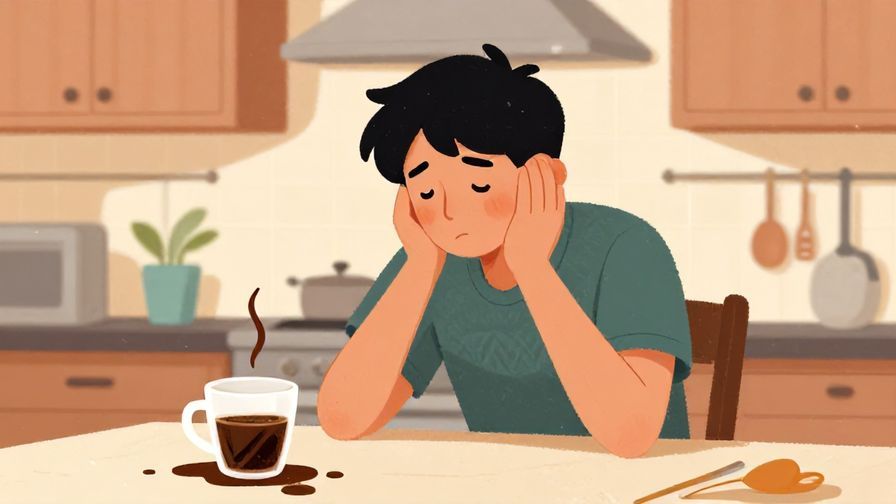
Very similar to number 1, but with a softer, more personal feeling.
The “なあ (naa)” ending adds a nuance of reflection or mild complaint.
It’s like talking to yourself or sharing your bad luck with someone close.
Use this phrase to express that your day is just filled with unfortunate events.
It’s casual and very natural sounding in everyday Japanese.
Perfect for when you want to express frustration but keep it light.
7. 今日はなんかダメだ (Kyou wa nanka dame da) – “Something’s off about today.”

“なんか (nanka)” is a casual filler meaning “somehow” or “something.”
This phrase expresses a vague sense that the day isn’t going well.
It’s informal and perfect for chatting with friends.
Use it when you can’t quite put your finger on why things feel off.
It’s a versatile phrase that captures that “off vibe” perfectly.
Try pairing it with stories about small annoyances for a natural flow.
8. 今日は全然ダメだ (Kyou wa zenzen dame da) – “Today is totally no good.”

Adding “全然 (zenzen)” emphasizes the negativity — “totally” or “completely.”
This phrase is a bit stronger, showing you’re really feeling the day is bad.
It’s casual but impactful, often used among close friends or family.
Be careful not to use it too seriously in formal settings.
It’s great to vent your frustration with some emotional punch.
Use it when everything seems to be going wrong all at once.
Part 2: Polite & Formal Suggestions
9. 今日はあまり調子が良くないです (Kyou wa amari choushi ga yokunai desu) – “I’m not really feeling well today.”

This is a polite way to say you’re not in good shape today.
“あまり (amari)” means “not very,” “調子 (choushi)” means “condition,” and “良くない (yokunai)” means “not good.”
Adding “です (desu)” makes it polite.
Great for work or formal conversations where you want to express your state respectfully.
It’s a soft, humble way to admit you’re having an off day.
Use it when talking to bosses or clients to stay professional yet honest.
10. 今日はうまくいかないことが多いです (Kyou wa umaku ikanai koto ga ooi desu) – “There are many things not going well today.”

This phrase is polite and descriptive.
“こと (koto)” means “things,” “多い (ooi)” means “many,” and it’s polite with “です (desu).”
It’s perfect for explaining a tough day in a respectful way.
You can use it to gently express that your workload or tasks aren’t going smoothly.
It’s often used in office or formal conversations.
Try this when you want to sound professional but still convey your struggles.
11. 今日は気分が優れません (Kyou wa kibun ga suguremasen) – “I’m not feeling well today.”

A formal and somewhat softer way to express feeling unwell mentally or physically.
“気分 (kibun)” means “mood,” and “優れません (suguremasen)” means “not feeling good” politely.
It conveys a gentle complaint without sounding negative.
Use it in polite conversations or when you want to be considerate of others’ feelings.
It’s a respectful phrase to signal you’re not at your best.
Perfect for professional or social settings where you want to keep it calm.
12. 今日は何もかもうまくいきません (Kyou wa nanimokamo umaku ikimasen) – “Nothing is going well today.”

This phrase is formal and emphatic.
“何もかも (nanimokamo)” means “everything” or “all,” and “うまくいきません (umaku ikimasen)” is the polite negative form meaning “does not go well.”
It’s a strong way to express a really rough day politely.
Use it to express frustration without sounding rude.
Great for formal settings where you want to vent carefully.
It shows you’re aware of your bad day but keep it respectful.
13. 今日は運が悪い日です (Kyou wa un ga warui hi desu) – “Today is a day of bad luck.”

This is a formal way to say “unlucky day.”
“運 (un)” means “luck,” “悪い (warui)” means “bad,” and “日 (hi)” means “day.”
Adding “です (desu)” makes it polite.
This phrase is useful in respectful conversation when acknowledging a tough day.
It’s a little poetic and conveys a sense of fate or circumstance.
Use it to keep your expression dignified but real.
14. 今日はあまり良くない日みたいです (Kyou wa amari yokunai hi mitai desu) – “It seems like today isn’t a good day.”

This phrase softly expresses your feeling without being too direct.
“みたいです (mitai desu)” means “it seems like,” which adds a gentle tone.
It’s polite and slightly indirect—good for social or work settings.
Use it when you want to hint at your bad day without complaining outright.
It’s a nice way to share feelings while keeping things light.
Try this to sound considerate and thoughtful in conversations.
15. 今日は調子が悪そうです (Kyou wa choushi ga waru sou desu) – “It looks like today won’t go well.”
“〜そうです (sou desu)” means “it seems” or “looks like,” adding a predictive nuance.
This phrase is polite and used to express your feeling about the day’s outlook.
It’s subtle and can be used to start a conversation about challenges.
Use it when you want to share your concerns without sounding negative.
It’s a helpful phrase to show awareness and care.
Try this when you want to keep the mood respectful yet real.
16. 今日は何かがうまくいっていません (Kyou wa nanika ga umaku itte imasen) – “Something’s not going well today.”

This phrase is formal and expresses vague trouble.
“何か (nanika)” means “something,” and “うまくいっていません (umaku itte imasen)” is the polite negative continuous form meaning “not going well.”
It’s useful when you feel there’s a problem but can’t pinpoint it.
Use it in polite conversation to describe an off day carefully.
It invites empathy without being too specific.
Try this for a professional yet honest expression.
Part 3: Very Casual / Native-like Expressions
17. 今日は最悪だよ (Kyou wa saiaku da yo) – “Today’s the worst, you know?”

This is a very casual and expressive way to say your day is terrible.
“最悪 (saiaku)” means “the worst,” and “だよ (da yo)” adds emphasis and friendliness.
Use it with close friends or peers.
It’s very natural and common among younger speakers.
Perfect for venting with humor and exaggeration.
Try it when you want to sound like a native casually complaining.
18. 今日はマジでダメだ (Kyou wa maji de dame da) – “Today’s seriously no good.”

“マジで (maji de)” means “seriously” or “for real.”
This phrase intensifies the feeling that your day is bad.
It’s super casual and slangy.
Use it among close friends when you want to be blunt.
It adds a punch of honesty and emotion.
Great for informal chats or texts.
19. 今日は散々だな (Kyou wa sanzan da na) – “Today’s been a total mess.”

“散々 (sanzan)” means “terrible” or “miserable.”
This phrase is native-like and casual but a bit dramatic.
It expresses a day filled with troubles and failures.
Use it to emphasize how bad your day has been.
It’s common in everyday speech for strong feelings.
Perfect for storytelling or venting.
20. 今日は踏んだり蹴ったりだ (Kyou wa fundari kettari da) – “Today’s just one bad thing after another.”

This phrase uses the idiom “踏んだり蹴ったり (fundari kettari),” meaning “stepped on and kicked” literally.
It means multiple misfortunes happening one after another.
It’s very casual and colorful language.
Use it when your day is full of continuous troubles.
It’s a fun and vivid way to describe a bad day.
Try this to sound like a native telling a story.
21. 今日は全然ダメっぽい (Kyou wa zenzen dame ppoi) – “Today seems totally no good.”

Adding “っぽい (ppoi)” means “seems like” or “looks like.”
This phrase sounds very casual and native-like.
It’s great to express your impression of a bad day.
Use it in relaxed conversations to share your feelings.
It’s light and not too heavy emotionally.
Perfect for casual chats or texts.
22. 今日はやられたな (Kyou wa yarareta na) – “I got totally owned today.”

“やられた (yarareta)” is a slangy way to say “I got beaten” or “I got owned.”
This phrase is very casual and implies you were overwhelmed by the day’s events.
It’s often used humorously or self-deprecatingly.
Use it with friends when you want to admit defeat to a rough day.
It adds personality and humor to your complaint.
Perfect for sounding natural and relatable.
Concluding Thought
Expressing “Today is not my day” in Japanese is a wonderful way to connect with others over shared human experiences.
From casual phrases to polite expressions and native-like slang, you now have a rich toolkit to express your off days with nuance and warmth.
Next time life throws you a curveball, try one of these phrases and embrace the language—and your day—with a little more ease and understanding.