22 Japanese ways to say “My luck has run out”
Ever had one of those days where everything just seems to go sideways? When you feel like your luck has finally run out? Well, in Japanese, there are plenty of ways to express that feeling — from casual phrases to polite expressions and even some native-like slang.
Whether you’re chatting with friends or trying to sound a bit more formal, knowing how to say “My luck has run out” in different ways can be super handy. Plus, it’s always fun to add a little local flavor to your conversations!
In this list, we’ll explore 22 Japanese phrases that capture that unlucky vibe perfectly. Each one comes with pronunciation guides and little tips so you can remember and use them naturally.
Ready to learn some fresh ways to say “My luck has run out”? Let’s dive in and find the perfect phrase for whatever unlucky moment you’re in.
Feel free to bookmark this guide — it’s a great resource for anyone learning Japanese or just looking for some relatable expressions.
Let’s get started and turn those unlucky moments into great language practice!
Understanding Luck and Misfortune in Japanese
Before we jump into the phrases, it’s good to know that Japanese culture has a rich vocabulary around luck, fate, and misfortune.
Words like 運 (un) meaning “luck” and 不運 (fuun) meaning “bad luck” are common building blocks. Adding different verbs and expressions around these helps convey the feeling of “my luck has run out” in nuanced ways.
A quick tip: pairing these phrases with facial expressions or tone really helps the sentiment come across naturally.

If you want to deepen your grasp, using a Japanese vocabulary book can be a helpful companion to these phrases.
Also, don’t be afraid to mix and match these expressions depending on how casual or formal you want to sound.
Let’s start with some casual, everyday ways to say it!
Part 1: Casual Suggestions
1. 運が尽きた (Un ga tsukita) – “My luck has run out.”
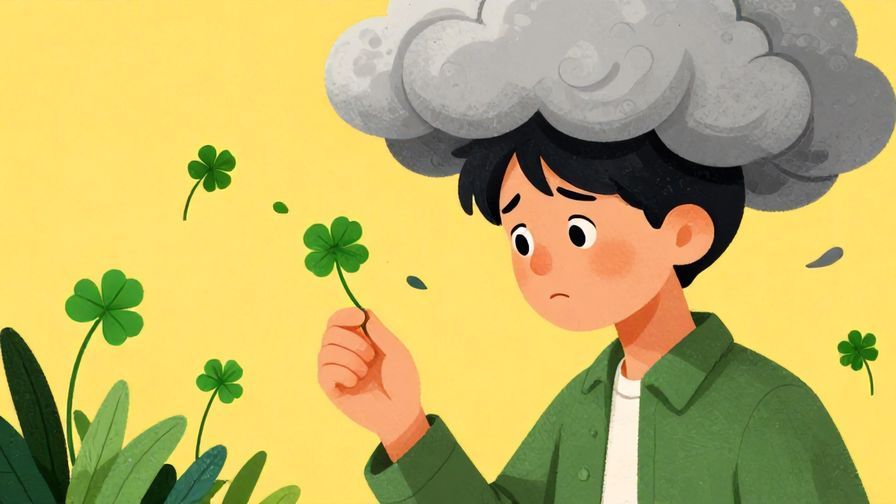
This phrase literally means “luck (運, un) has run out (尽きた, tsukita).”
It’s a straightforward way to tell someone your luck is gone. The word 尽きた (tsukita) means “exhausted” or “used up.”
Perfect for casual conversation when something unlucky happens, like missing a bus or losing money.
Keep this phrase handy for those “ugh, why me?” moments.
Related phrases include 運が悪い (un ga warui), meaning “bad luck.”
Using it shows you’re aware your fortune is at zero, but it’s not too heavy — more like a shrug of fate.
2. ついてない (Tsuitenai) – “Unlucky” / “My luck’s off.”
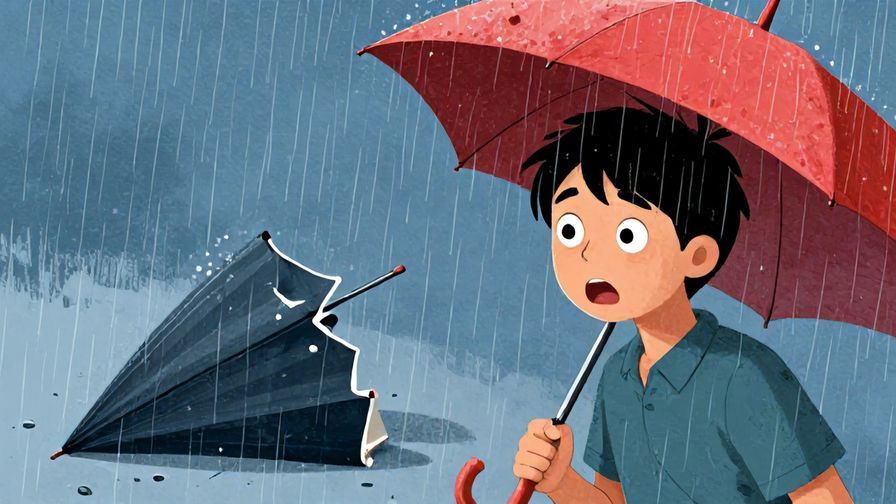
One of the most common and casual ways to say your luck is off is simply ついてない (tsuitenai).
It’s the negative form of つく (tsuku), which means “to be attached” or “to have luck.”
Great for all kinds of unlucky situations — from losing at games to everyday mishaps.
Don’t confuse it with ついてる (tsuiteru), which means “I’m lucky!”
Example: “今日はついてないなあ” (Kyou wa tsuitenai naa) means “I’m really unlucky today.”
It’s super easy to slip this into casual chats with friends.
3. 運がない (Un ga nai) – “No luck.”

Literally “have no luck,” this phrase is simple and clear.
運 (un) means “luck,” and ない (nai) means “not there” or “none.”
It’s a straightforward way to admit you’re out of luck.
Use it when you want to sound a bit more direct but still casual.
It’s often used when something unlucky happens repeatedly.
Pair it with a shrug or sigh for full effect!
4. 不運だね (Fuun da ne) – “That’s bad luck, huh?”

不運 (fuun) means “bad luck,” and だね (da ne) adds a casual, conversational feel.
This phrase is great when responding to someone else’s unlucky story.
It shows empathy and camaraderie without being too formal.
You can use it comfortably with friends or colleagues.
It’s a nice way to acknowledge the situation while keeping things light.
Try it next time your friend shares a frustrating day!
5. もうダメだ (Mou dame da) – “It’s no good anymore” / “I’m done for.”
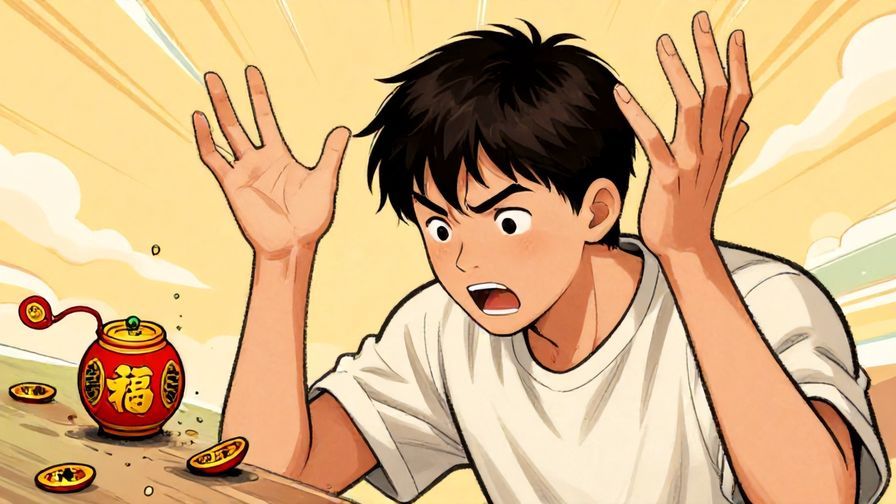
Not exactly “luck,” but this phrase expresses hitting rock bottom.
もう (mou) means “already,” and ダメ (dame) means “no good” or “hopeless.”
It’s a dramatic but common way to say your luck or situation is beyond saving.
Use it when you want to emphasize how unlucky or stuck you feel.
It’s casual and a bit emotional, so best with people you know well.
Pair with a sigh or joke to keep it lighthearted.
6. ついてない日だ (Tsuitenai hi da) – “It’s an unlucky day.”
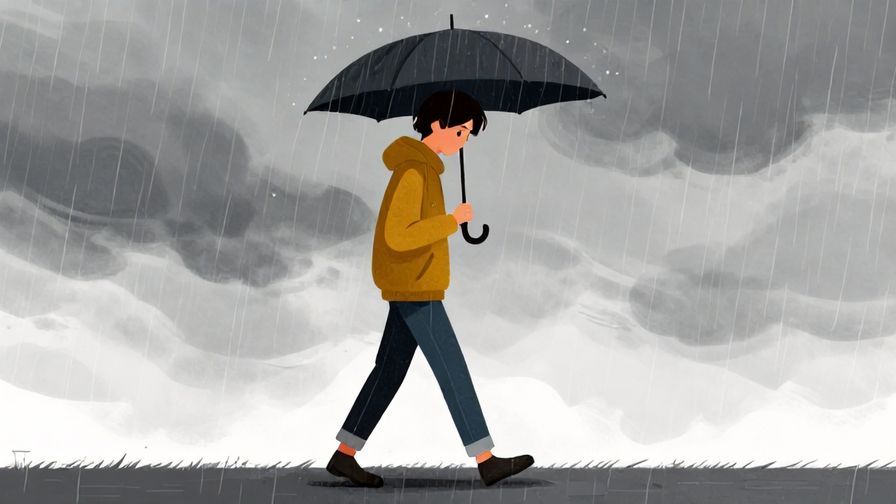
This phrase literally means “It’s a day without luck.”
日 (hi) means “day,” combined with ついてない for “unlucky.”
It’s a casual way to summarize a series of misfortunes.
Great for venting to friends or writing in a diary.
It’s simple and easy to remember, just like saying “today’s a bad day.”
Good to use when you want to explain your mood without going into detail.
7. 運が悪すぎる (Un ga warusugiru) – “My luck is too bad.”
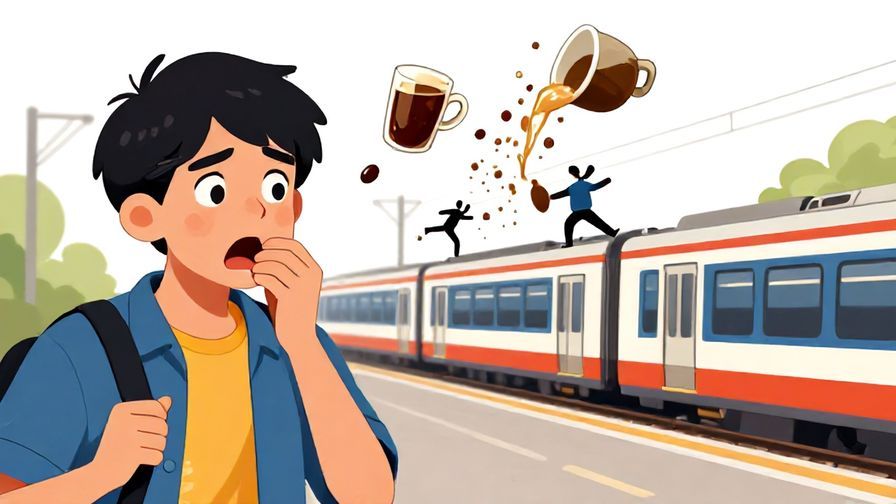
This means “My luck is excessively bad.”
悪すぎる (warusugiru) is “too bad” or “excessively bad.”
It’s a bit more expressive and emphasizes just how unlucky you feel.
Use in casual talks when misfortune keeps piling up.
It can be a fun exaggeration among friends.
Remember, it’s informal and best kept for relaxed settings.
8. もう運がない (Mou un ga nai) – “I have no luck left.”
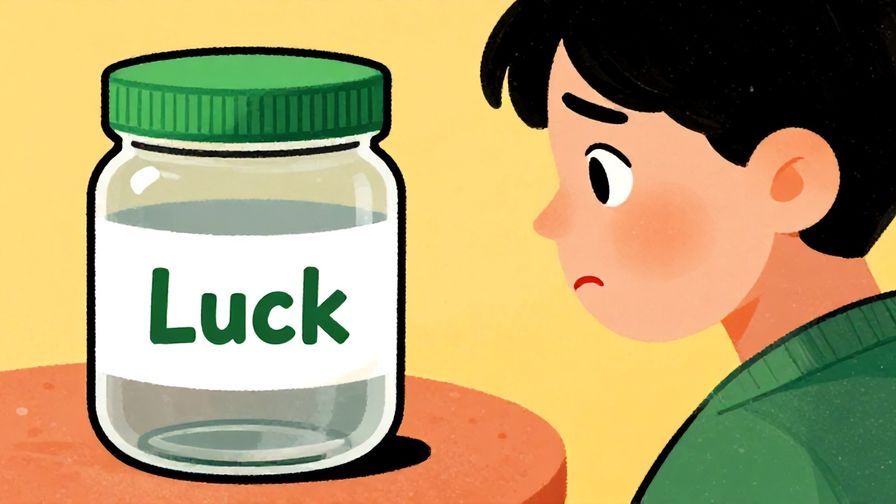
This phrase adds もう (mou) “already” to the simple “no luck” phrase.
It stresses that all your luck has been used up.
Great for moments when you feel completely out of fortune.
It’s casual but impactful.
You can say it when a streak of bad events hits hard.
Try to use it to vent or emphasize your unlucky streak.
Part 2: Polite & Formal Suggestions
9. 運に見放された (Un ni mihanasareta) – “I’ve been abandoned by luck.”

This is a more formal expression meaning “luck has forsaken me.”
見放された (mihanasareta) means “to be abandoned” or “forsaken.”
It’s a poetic and serious way to express losing all luck.
Suitable for polite conversations or writing.
It’s not casual and carries a heavier tone.
Use it when you want to sound respectful but still communicate misfortune.
10. 不運が続いております (Fuun ga tsuzuite orimasu) – “Bad luck continues.”

This phrase is polite and formal, often used in business or respectful contexts.
続いております (tsuzuite orimasu) means “is continuing” in a humble form.
It’s a great way to express ongoing bad luck with tact.
Perfect for emails or formal conversations.
It shows humility and awareness of your situation.
Try it when you want to sound professional but honest.
11. 運が悪くて申し訳ありません (Un ga warukute moushiwake arimasen) – “I’m sorry for my bad luck.”

This is an apologetic and formal way to express that your bad luck is causing issues.
申し訳ありません (moushiwake arimasen) is a very polite “I’m sorry.”
Use this in formal settings to show humility.
Good for when your misfortune affects others.
It’s respectful and shows responsibility.
Useful in professional or serious personal conversations.
12. 運が尽きてしまいました (Un ga tsukite shimaimashita) – “My luck has completely run out.”
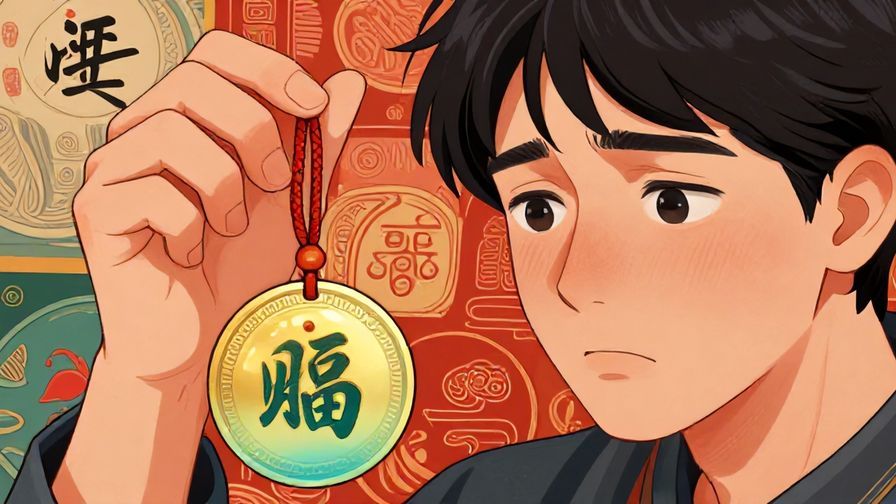
This is a polite and somewhat formal way to say your luck is gone.
The ending しまいました (shimaimashita) adds a nuance of completion or regret.
It’s great for expressing a sense of finality.
You can use it in polite conversation or writing.
It’s a bit softer and more reflective than blunt statements.
Try it when you want to sound sincere and composed.
13. 運が悪かったです (Un ga warukatta desu) – “My luck was bad.”

A simple, polite way to admit your luck wasn’t good.
Past tense でした (deshita) softens the tone and adds politeness.
Use it when explaining or apologizing politely.
It’s humble and straightforward.
Good for formal or semi-formal situations.
It’s a solid phrase for beginners to learn and use.
14. 不運に見舞われました (Fuun ni mimaware mashita) – “I was struck by bad luck.”
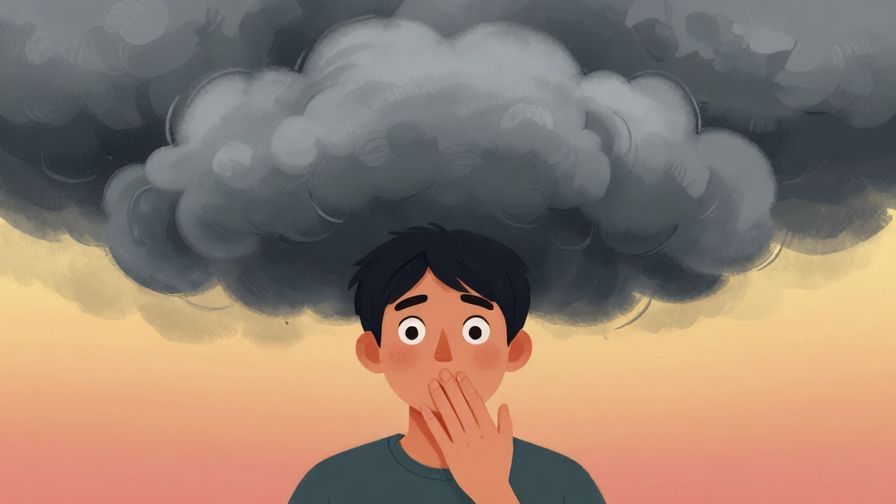
This is a formal phrase meaning “I was hit by bad luck.”
見舞われました (mimaware mashita) means “was struck/affected.”
It’s often used in writing or formal speech to describe misfortune.
Good for serious situations or storytelling.
Shows a respectful tone and a sense of gravity.
Try it in polite conversations or formal writing.
15. 運が悪く、残念です (Un ga waruku, zannen desu) – “It’s unfortunate that my luck was bad.”

This phrase combines “unlucky” and “unfortunate” politely.
残念です (zannen desu) means “it’s regrettable” or “unfortunate.”
Use it to express disappointment in a formal way.
It’s gentle and respectful.
Perfect for professional or polite settings.
It can soften bad news or complaints gracefully.
16. 運が尽きてしまい、申し訳ありません (Un ga tsukite shimai, moushiwake arimasen) – “I’m sorry, my luck has run out.”
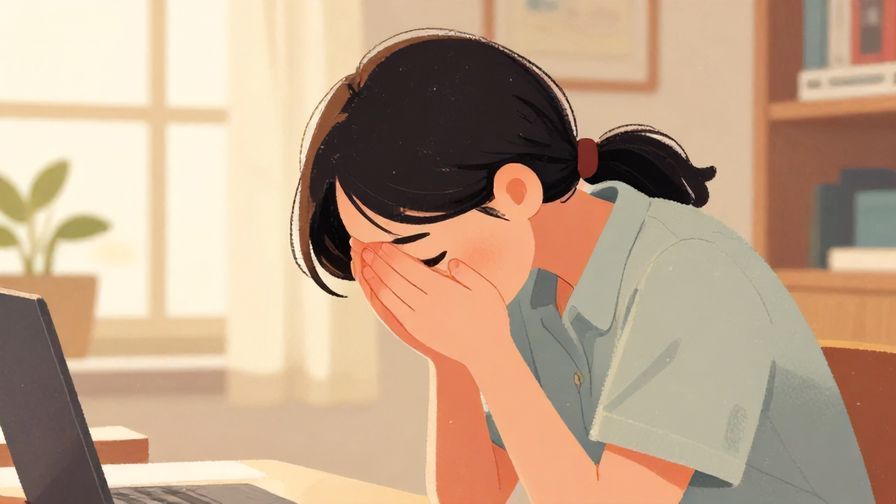
This is a very polite and formal apology linking bad luck with regret.
It’s perfect for situations where your misfortune affects others.
The phrase combines regret and humility.
Use it in formal emails or serious conversations.
It’s respectful and sincere.
Great for showing responsibility while acknowledging bad luck.
Part 3: Very Casual / Native-like Expressions
17. 運が悪すぎてヤバい (Un ga warusugite yabai) – “My luck’s so bad, it’s crazy.”

ヤバい (yabai) is a popular slang word that means “crazy,” “terrible,” or “awesome” depending on context.
This phrase is very casual and often used by younger people.
It expresses strong surprise at how unlucky you’ve been.
Use it with friends or in informal settings.
It’s like saying, “Wow, my luck is ridiculously bad!”
Great for making your story sound more dramatic and relatable.
18. ついてねーわ (Tsuitenē wa) – “No luck, man.”

This is a very casual, slangy way to say ついてない.
It’s often used by men and in informal speech.
The elongated ねー (nē) adds emphasis and a chill vibe.
Perfect for venting frustration with friends.
It sounds native and spontaneous.
Use it to sound natural in casual conversations.
19. もう運が尽きたっぽい (Mou un ga tsukita ppoi) – “Looks like my luck’s run out.”

っぽい (ppoi) means “looks like” or “seems like.”
This phrase adds a casual, uncertain nuance to “luck has run out.”
It’s like saying, “I think my luck is gone.”
Great for conversations where you’re guessing or feeling unlucky.
It’s friendly and easygoing.
Use it to sound more laid-back and natural.
20. ついてないっすね (Tsuitenai ssu ne) – “Pretty unlucky, huh?”

っす (ssu) is a very casual contraction of です (desu).
This phrase is a friendly way to acknowledge bad luck.
It’s often used among friends and peers.
Adding ね (ne) invites agreement or empathy.
Great for lighthearted conversations.
Use it to bond over shared unlucky experiences.
21. 運がヤバいくらい悪い (Un ga yabai kurai warui) – “My luck is insanely bad.”
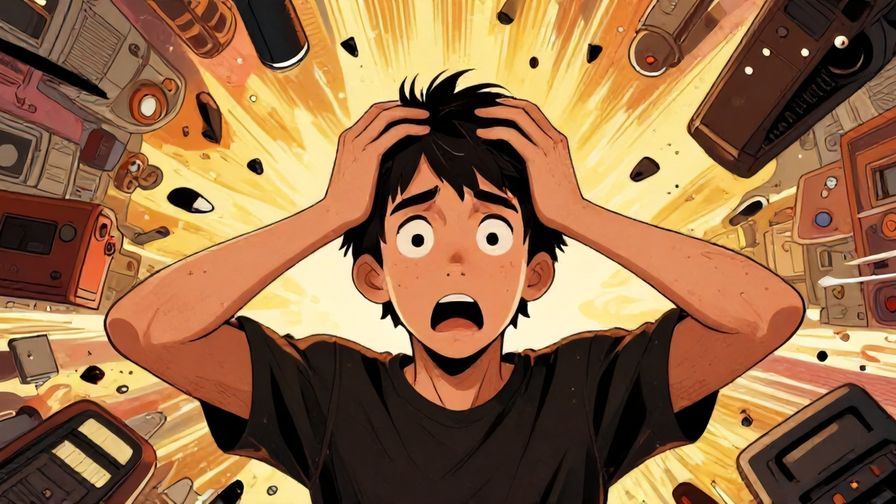
This phrase combines ヤバい (yabai) with くらい (kurai) meaning “to the extent of.”
It’s a colorful, casual way to emphasize how bad your luck is.
Very expressive and common among young people.
Great for storytelling or venting.
It’s informal and emotional.
Use it when you want to dramatize your bad luck.
22. もう終わった (Mou owatta) – “It’s already over.” / “I’m done.”

This phrase literally means “It’s finished” or “I’m done.”
It’s often used to express that all hope or luck is gone.
Very casual and relatable.
Use it when you want to say you’ve given up or feel like there’s nothing left.
It’s a neat way to capture that “luck has run out” feeling in everyday speech.
Perfect for venting or joking with close friends.
Concluding Thought
Exploring these 22 ways to say “My luck has run out” in Japanese shows just how rich and varied the language is when expressing feelings of misfortune.
Whether you prefer casual slang, polite phrases, or native-like expressions, there’s a perfect way to fit your mood and context.
So next time luck isn’t on your side, you’ll have plenty of ways to say it — and maybe even turn that unlucky vibe into a fun conversation starter!