22 Japanese ways to say “Rock paper scissors”
Rock paper scissors is one of those universal games that brings smiles and settles friendly bets worldwide. But did you know that in Japan, there are many ways to talk about this classic hand game? It’s a fun peek into language quirks and cultural touches!
Whether you’re learning Japanese or just fascinated by languages, discovering 22 different phrases for rock paper scissors will brighten your day. Some are casual, others a bit formal, and a few are so native-sounding you’ll want to use them immediately.
We’ll unpack these phrases with easy pronunciation guides and explanations so you can impress friends or just enjoy the linguistic variety. Plus, I’ll share a handy link to a great phrasebook to keep your Japanese growing.
Ready to dive in? It’s like a mini-hand game adventure for your vocabulary! Each phrase carries its own vibe, and you’ll get tips on when and how to use them.
Learning these variations not only boosts your language skills but also helps you connect with Japanese culture in a playful way. It’s a small step that opens up a big smile.
So let’s jump into the world of Japanese “rock paper scissors” expressions and add some fun words to your language toolkit!
Getting Started: The Basics of Rock Paper Scissors in Japanese
Before we explore the varieties, it’s good to know the basic Japanese term for rock paper scissors is じゃんけん (janken) — pronounced “JAHN-ken.”
This word is a combination of じゃん (jan), a playful sound, and けん (ken), meaning “fist.” So literally, it’s like “fist game.” Simple and catchy!
There are plenty of ways to say or refer to this game, depending on region, formality, or just fun slang. Let’s start with some casual expressions.

If you want a solid foundation, try a beginner phrasebook that includes common games and expressions. It’s a great way to get started!
With that, let’s move on to the first batch of fun, casual ways to say rock paper scissors in Japanese.
These will be perfect for chatting with friends or when you want to keep things light and informal.
Part 1: Casual Suggestions
1. じゃんけんぽん (Janken pon) – “Rock paper scissors, go!”

This is the most common phrase used when starting the game. It’s like saying “Rock paper scissors, shoot!” in English.
“Janken” means rock paper scissors, and “pon” is the sound effect for the quick reveal. It’s simple to say and super popular.
A quick tip: try saying it with enthusiasm to match the playfulness of the moment.
It’s the go-to phrase in schools and casual get-togethers nationwide.
You might hear it as just “じゃんけん” (janken) when people are already setting up to play.
Use this for instant recognition and a friendly start to the game!
2. じゃんけんしよう (Janken shiyou) – “Let’s play rock paper scissors.”

This phrase invites someone to play the game. It’s casual but polite enough among friends.
“Shiyou” is the volitional form of “suru” (to do), meaning “let’s do.” So “janken shiyou” means “let’s do rock paper scissors.”
It’s easy to remember because you just add “shiyou” to the game’s name.
When you want to suggest a quick game to resolve something, this phrase fits perfectly.
Just be sure you’re using it with people you’re on friendly terms with.
Try it next time you want to settle a small decision with a game!
3. じゃんけんぽんで決めよう (Janken pon de kimemashou) – “Let’s decide by rock paper scissors.”

This is a casual but slightly more complete expression, used when you want to say “Let’s decide something by playing rock paper scissors.”
“Kimemashou” means “let’s decide,” and “de” indicates the method used.
It’s useful when settling small disputes or choosing who goes first.
Because it’s a little longer, it sounds polite but still relaxed.
Good for group settings where you want to be clear about the decision method.
It’s a neat phrase to add clarity and friendliness at once!
4. じゃんけん勝負 (Janken shoubu) – “Rock paper scissors match.”

Here, “shoubu” means “match” or “contest,” so this phrase refers to a rock paper scissors showdown.
It’s a fun way to hype up the game, making it sound like a real competition.
Use it when you want to add a playful edge to the game.
It’s especially popular among kids and young people.
Just say it with a smile to keep the mood light and fun.
Try this phrase for a spirited game moment!
5. じゃんけんぽい (Janken poi) – “Rock paper scissors, go!” (variant)
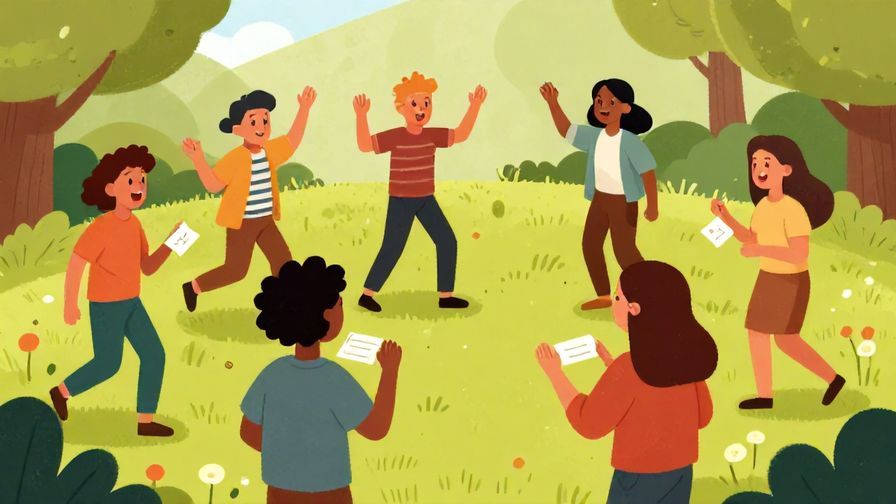
This is a regional or playful variation on “janken pon.”
“Poi” is another sound effect used for the hand reveal, similar to “pon.”
It’s less common but still widely understood.
Great for adding some local flair or just mixing things up.
Use it with friends who like playful language twists.
It keeps the game fresh and fun!
6. じゃんけんぽん負けた (Janken pon maketa) – “I lost rock paper scissors.”
“Maketa” means “lost,” so this phrase is how you admit defeat after the game.
It’s casual and often said with a smile or laugh.
Perfect for lighthearted moments when you want to acknowledge the result.
Adding “janken pon” before “maketa” makes it clear what game you’re talking about.
It’s good for friendly sportsmanship.
Use it to keep the mood upbeat even if you lose!
7. じゃんけん勝った (Janken katta) – “I won rock paper scissors.”
“Katta” means “won,” so this is the phrase to celebrate your victory.
Say it with a grin to share your success.
It’s casual and commonly used among friends and family.
Adding “janken” specifies the game.
Good to boost the fun and friendly competition.
Use it to share your joy after winning!
8. じゃんけんぽんでいこう (Janken pon de ikou) – “Let’s go with rock paper scissors.”

This phrase suggests deciding something by rock paper scissors and then moving forward.
“Ikou” means “let’s go,” so it’s a way of saying “let’s do it this way.”
It’s casual and positive, great for group decisions.
Use it when you want to propose rock paper scissors as a fair choice method.
It’s a smooth way to keep things moving.
Try it when you need a quick, friendly resolution!
Part 2: Polite & Formal Suggestions
9. じゃんけんをしましょう (Janken o shimashou) – “Let’s play rock paper scissors.” (polite)

This is the polite version of inviting someone to play rock paper scissors.
“Shimashou” is the polite volitional form, meaning “let’s do.”
It’s perfect for formal or workplace settings where you want to be respectful.
Use it when talking to colleagues or people you don’t know well.
It keeps the tone friendly but professional.
Great for breaking the ice in formal situations!
10. じゃんけんで決めませんか (Janken de kimemasen ka) – “Shall we decide by rock paper scissors?” (polite)

This is a polite way to suggest deciding something using rock paper scissors.
“Kimemasen ka” is a polite negative question form meaning “shall we not decide?” which implies a polite suggestion.
It’s great for formal conversations or negotiations.
Use it to offer a fair decision-making method without sounding pushy.
It’s respectful and clear.
Try this when you want to keep things professional but light.
11. じゃんけんで決定しましょう (Janken de kettei shimashou) – “Let’s decide by rock paper scissors.” (very polite)
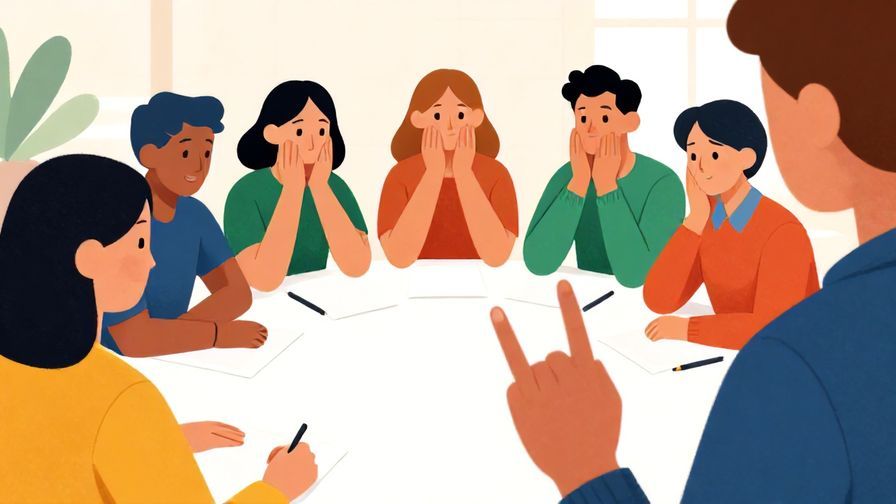
This phrase is formal and used to propose a decision by rock paper scissors in polite settings.
“Kettei” means “decision,” making the phrase more official.
It’s perfect for meetings or when you want to sound serious but still casual.
Use it to suggest a fair and quick way to resolve choices.
It shows respect and clarity.
Try it in formal conversations to keep things smooth.
12. じゃんけんで選びましょう (Janken de erabimashou) – “Let’s choose by rock paper scissors.” (polite)

This phrase politely suggests choosing something by rock paper scissors.
“Erabimashou” means “let’s choose.”
It’s useful in polite conversations when offering a simple decision method.
Use it to propose a fair and fun way to pick options.
It keeps the mood friendly and respectful.
Great for polite social or work settings!
13. じゃんけんをお願いできますか (Janken o onegaidekimasu ka) – “Could you please play rock paper scissors?” (very polite)
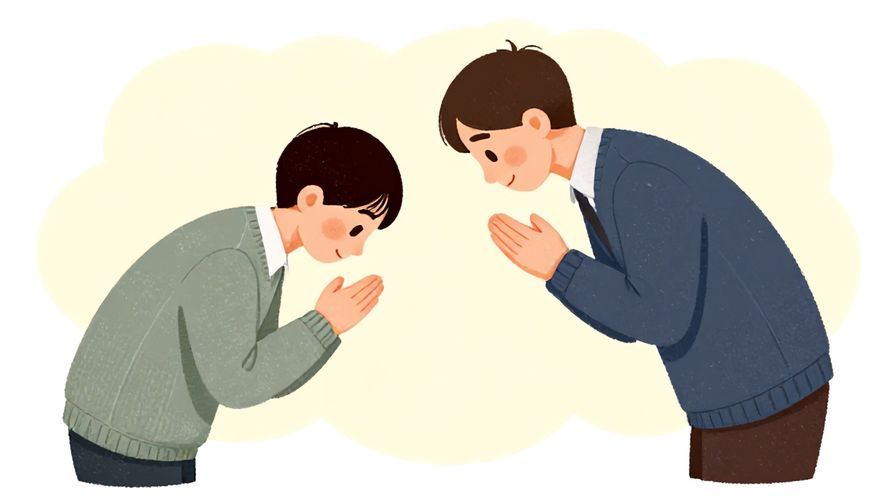
This is a very polite request to play rock paper scissors.
“Onegaidekimasu ka” means “could you please.”
Use this when you want to politely ask someone to join the game or decide something.
It’s respectful and shows good manners.
Perfect for formal or unfamiliar social situations.
Use it to keep things courteous and smooth.
14. じゃんけんで勝負しましょう (Janken de shoubu shimashou) – “Let’s have a rock paper scissors match.” (polite)

This phrase invites someone politely to a rock paper scissors contest.
“Shoubu shimashou” means “let’s have a match.”
It’s great for lighthearted competition in polite settings.
Use it to keep things professional but fun.
Encourages friendly rivalry with respect.
Try it to boost energy at meetings or social events!
15. じゃんけんで決めていただけますか (Janken de kimete itadakemasu ka) – “Could you please decide by rock paper scissors?” (very polite)

This is a highly polite way to ask someone to decide something by rock paper scissors.
“Itadakemasu ka” adds a humble request tone.
Perfect for very formal situations or when speaking to a superior.
Use it to show respect while keeping it light.
It’s a thoughtful and courteous phrase.
Great for formal invitations to play.
16. じゃんけんで決めてもよろしいですか (Janken de kimete mo yoroshii desu ka) – “Is it okay to decide by rock paper scissors?” (formal)
This formal phrase asks for permission to use rock paper scissors to decide.
It’s respectful and appropriate for official or delicate situations.
Use it when you want to confirm that everyone agrees with the method.
Good for meetings or group decisions requiring consent.
Keeps things smooth and professional.
Try this when you want to be extra polite.
Part 3: Very Casual / Native-like Expressions
17. じゃんけんぽんじゃんけんぽん (Janken pon janken pon) – “Rock paper scissors, rock paper scissors!” (playful)
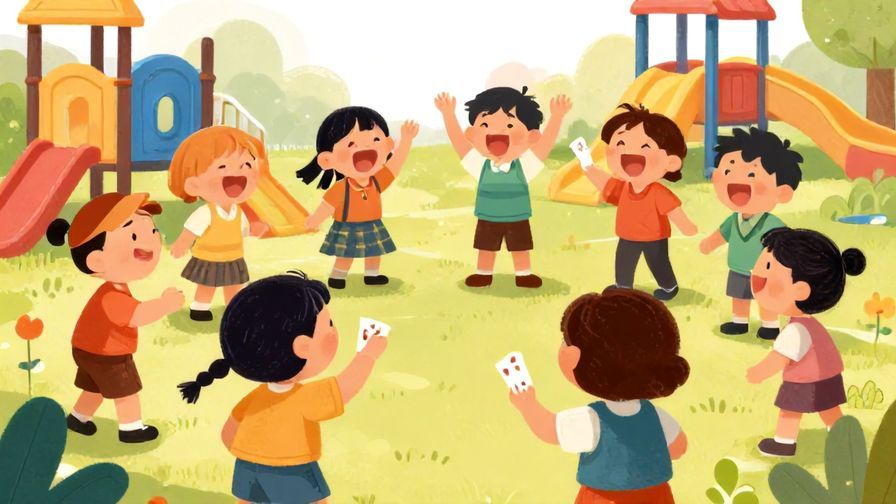
This playful chant repeats “janken pon” twice for extra fun.
Kids often say this to pump up the game.
It’s catchy and easy to mimic.
Great for breaking the ice or making the game more energetic.
Use it when you want to bring out your inner child!
Perfect for casual hangouts or parties.
18. じゃんけんぽんぱ (Janken pon pa) – “Rock paper scissors, pa!” (slangy)

This is a slangy twist on “janken pon,” swapping “pon” with “pa.”
It sounds fresh and cool among young people.
Use it to sound like a native teen or casual local.
It’s playful and informal, so save it for friends.
Try it out to add some local flavor to your game!
Fun and easy to say.
19. じゃんけんじゃんけん (Janken janken) – “Rock paper scissors, rock paper scissors.” (repetitive casual)

This is a casual repetition often used to build anticipation.
It’s like a rhythmic countdown before the reveal.
Fun for casual or spontaneous games.
Use it to hype up the moment.
Simple and easy to remember.
Great for informal gatherings!
20. じゃんけんぽんでいくぞ (Janken pon de iku zo) – “Let’s go with rock paper scissors!” (casual, strong)
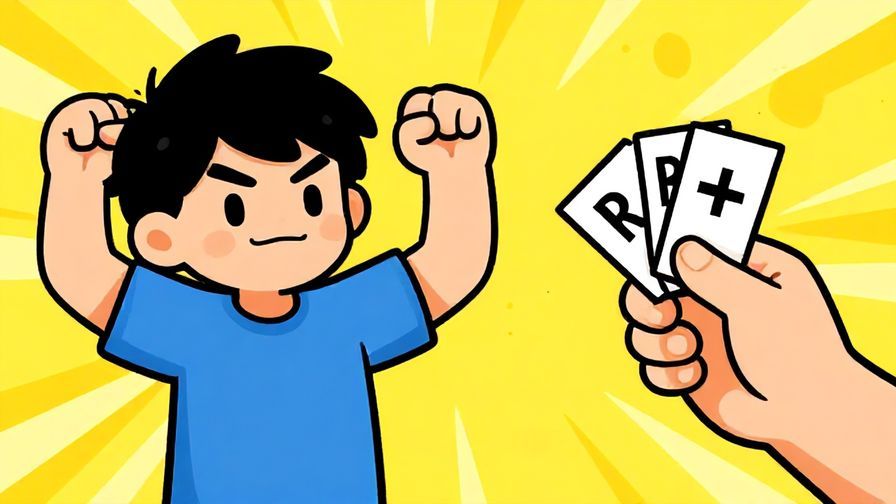
This phrase adds “iku zo,” a strong and enthusiastic “let’s go!”
It’s casual but energetic and motivating.
Use it to rally your friends or teammates.
It carries a fun, competitive edge.
Great for sports or friendly challenges.
Say it with confidence to boost the vibe!
21. じゃんけんぽん勝負だ (Janken pon shoubu da) – “It’s rock paper scissors time!” (casual, assertive)

This phrase asserts the start of a rock paper scissors match.
“Da” adds a forceful tone, like saying “this is it!”
Perfect for playful challenges or teasing friends.
Use it to bring excitement and energy.
It’s casual and very native sounding.
Try it for a bit of flair!
22. じゃんけんぽんで勝負しようぜ (Janken pon de shoubu shiyou ze) – “Let’s have a rock paper scissors match!” (very casual, masculine)

This phrase is very casual and often used by young men.
“Ze” adds a masculine, casual emphasis, like “let’s do this!”
It’s informal and energetic.
Use it when hanging out with close friends.
Great for casual competitions or just fun moments.
It’s a lively way to invite a game!
Concluding Thought
Exploring 22 ways to say “rock paper scissors” in Japanese shows how even simple games can reflect culture and language variety. Each phrase carries its own flavor, from polite business talk to playful slang.
Whether you’re chatting with friends, settling a decision, or just having fun, these phrases add color and authenticity to your Japanese experience. And they remind us how language keeps games lively and connections warm.
So next time you hear “じゃんけんぽん,” you’ll know there’s a whole world of expressions behind that simple call. Have fun playing and speaking!